Suicidal Thoughts or Self-Harm Support

  • You are not a burden. You are not beyond help. You are hurting and you deserve care that meets you with love, not fear.

At TruPaths, we know how painful it can be to feel like there’s no way out. Whether you’ve had thoughts of ending your life, harmed yourself to cope with emotional pain, or feel like nobody understands you are not alone. Your life matters. Your pain matters. And there is hope, even if you can’t see it right now. We’re here to help you hold on until you can.

What Are Suicidal Thoughts and Self-Harming Behaviors?

Suicidal thoughts are more common than many people realize and they don’t always mean someone wants to die. Sometimes they mean someone wants the pain to stop.

Self-harm (like cutting, burning, hitting, or other physical pain) is often a coping strategy not an attempt to die, but a desperate way to feel something, control something, or release inner torment.

Warning Signs
Recognizing the silent distress

Withdrawing from loved ones, expressing feelings of hopelessness, giving away belongings, or making indirect statements like “I can’t do this anymore” can all be signs that someone is struggling deeply and may need help.

Why Self-Harm Happens
A coping strategy, not a cry for attention

Self-harming behaviors often come from emotional overwhelm. For many, physical pain can feel easier to manage than emotional pain, making self-injury a way to feel something real or regain a sense of control.

How to Help Someone
You don’t have to fix it, just stay present

Ask open, nonjudgmental questions like “Do you want to talk about what’s been hurting?” Validate their feelings and gently encourage professional support. Simply showing up can save a life.

Featured Suicidal Thoughts Support Centers

Signs You or a Loved One May Be in Emotional Crisis

When pain feels unbearable, the signs aren’t always loud. These emotional and behavioral shifts may signal a need for urgent support, connection, and compassionate care.

Persistent feelings of hopelessness

Persistent feelings of hopelessness

Overwhelming thoughts that life has no purpose or that things won’t improve.

Self-harming behaviors

Self-harming behaviors

Engaging in cutting, burning, or hitting to cope with emotional pain.

Social withdrawal

Social withdrawal

Isolating from others or making final arrangements, which may signal inner distress.

Talking about wanting to die

Talking about wanting to die

Expressing despair through words, messages, or creative work about death or not being alive.

Emotional numbness

Emotional numbness

Feeling emotionally shut down, overwhelmed, or separate from reality or others.

Thoughts of suicide or death

Thoughts of suicide or death

Recurring thoughts of ending life or wishing to disappear, often in silence.

What Kind of Support Helps?

You don’t have to feel better overnight. You don’t have to have it all figured out. You just have to take one brave step and TruPaths is here to walk that with you.

Therapists for Suicidal Ideation

Therapists for Suicidal Ideation

Licensed professionals who specialize in supporting individuals struggling with thoughts of suicide or self-harm.

24/7 Mental Health Treatment Programs

24/7 Mental Health Treatment Programs

Outpatient or residential options that provide round-the-clock support during mental health crises.

Trauma-Informed Emotional Healing

Trauma-Informed Emotional Healing

Therapy that addresses the deep emotional wounds often underlying suicidal thoughts.

Crisis Stabilization and Emergency Support

Crisis Stabilization and Emergency Support

Access to immediate care programs that offer safety, structure, and urgent intervention.

Trauma

Therapies That Help You Stay Safe and Heal

The care you deserve is gentle, personalized, and focused on building life back piece by piece.

Narrative or Expressive Therapy

Narrative or Expressive Therapy

Finding meaning through expression

Processes pain, grief, and identity beyond suicidal thoughts.

Safety Planning and Coping Tools

Safety Planning and Coping Tools

Immediate support

Provides structured strategies to manage urges and build resilience in moments of crisis.

Somatic Therapy

Somatic Therapy

Healing through the body

Releases trauma stored physically and lowers suicidal distress.

Dialectical Behavior Therapy (DBT)

Dialectical Behavior Therapy (DBT)

Building coping tools

Helps manage suicidal thoughts by strengthening emotional regulation and distress tolerance.

Trauma Therapy (Internal Family Systems or Eye Movement Desensitization and Reprocessing)

Trauma Therapy (Internal Family Systems or Eye Movement Desensitization and Reprocessing)

Healing the roots

Resolves deep wounds driving suicidal thoughts and emotional distress.

Cognitive Behavioral Therapy (CBT) and Dialectical Behavior Therapy (DBT)
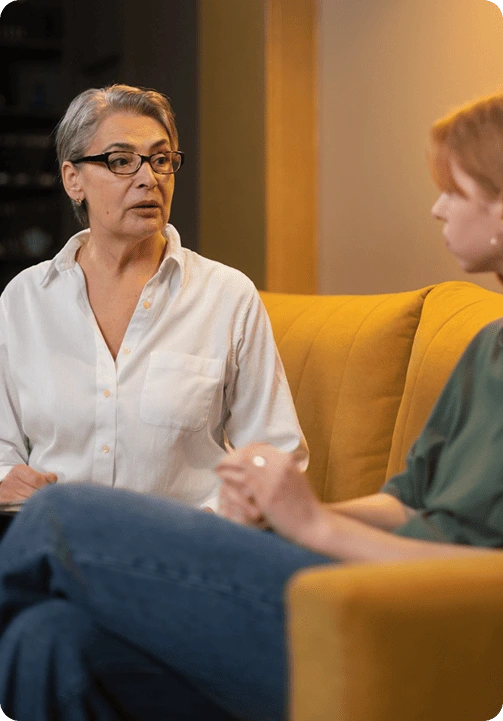
Cognitive Behavioral Therapy (CBT) and Dialectical Behavior Therapy (DBT)

Shifting unhelpful thinking

Reduces suicidal thoughts by changing negative patterns and building healthier perspectives.

From the TruPaths Community

You Deserve to Stay

At TruPaths, We Promise:

  • To never shame your pain or your coping
  • To guide you toward real hope even if it starts small
  • To believe in your life, even when you can’t
“You are not a burden. You are deeply needed in this world even when it hurts.”

You Don’t Have to Do This Alone

If you’re struggling right now, we are here to listen, support, and guide you toward safety. Whether you're looking for help for yourself or someone you love, TruPaths is ready to walk with you.

Expert

About TruPath's Recommendations

Recommendations are based on your location and recovery needs, including the programs you've explored, the services you've saved, and the filters you've used. We use this information to highlight similar treatment options so you never miss a trusted path forward.

Tru AI
expand minimize
close
send