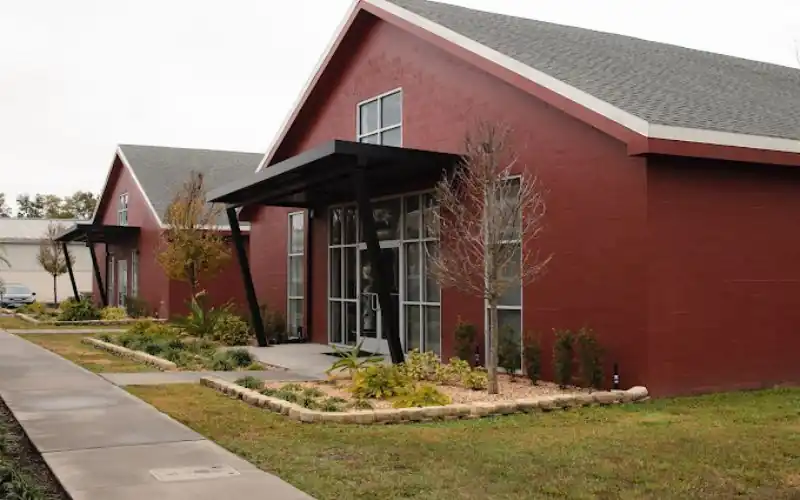
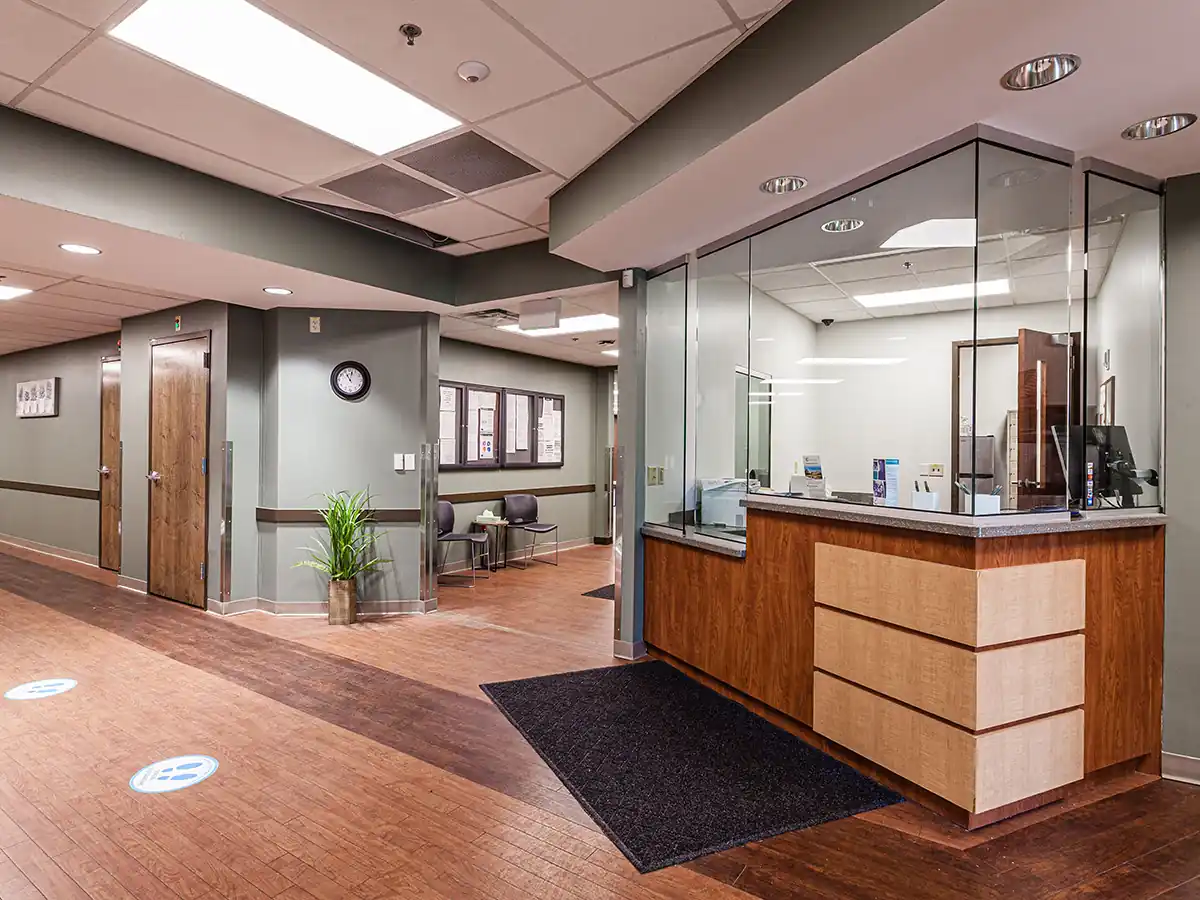
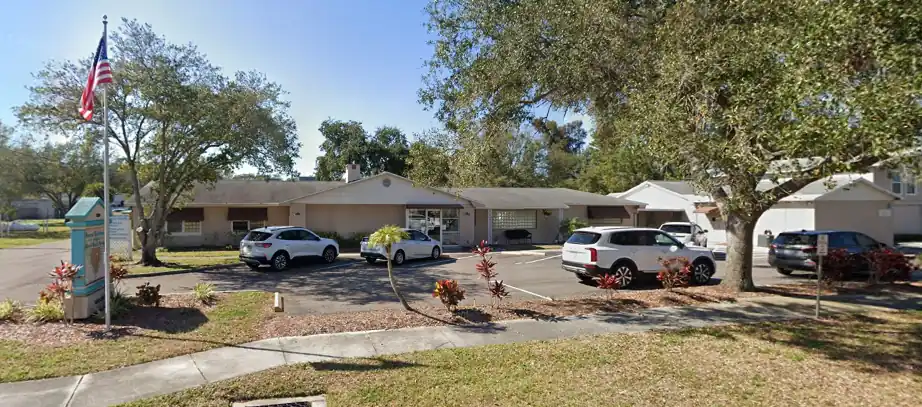
Located near U.S. Route 19 in Pinellas Park, this nonprofit mental health provider serves children, teens, and adults. The center offers mobile crisis response, outpatient therapy, and detox for youth. Its programs focus on crisis support, mental health stabilization, and substance use treatment, especially for adolescents. Support Healing with Structured Clinical Care Clinicians use trauma-specific therapy, dialectical behavior therapy (DBT), and individual and group counseling to support recovery. Medical staff provide psychiatric evaluations and medication management. Case managers help with discharge planning, education, and daily life skills. Every program centers on the client’s goals, culture, and strengths while involving family and natural support systems. Empower All Ages Through Flexible Care The center’s programs include the Juvenile Addiction Receiving Facility (JARF), which supports youth ages 13–17 with licensed detox and stabilization under the Marchman Act. Teens receive assessments, trauma therapy, and care from a multidisciplinary team. The Behavioral Health Network (BNet) serves children with in-home counseling and psychiatry, while adults access crisis intervention through mobile outreach services.
Eleos Wellness
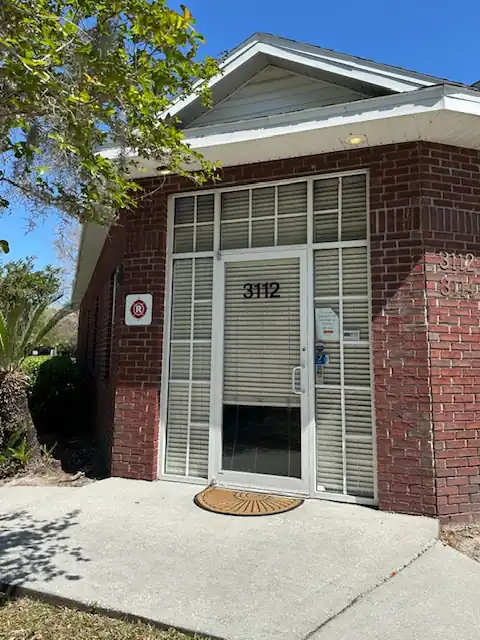
11254 58th St, Pinellas Park, FL 33782-
- (157)

Languages
English, Spanish

Founded In
1981

Levels of Care
Outpatient, Virtual & In-Home Care, Licensed Primary Mental Health, Co-Occurring Disorders
About Eleos Wellness



 Levels of Care
 Programs & Specialization
 Conditions Treated
 Therapies & Modalities
 Accrediations & Licensing
 Amenities & Environment