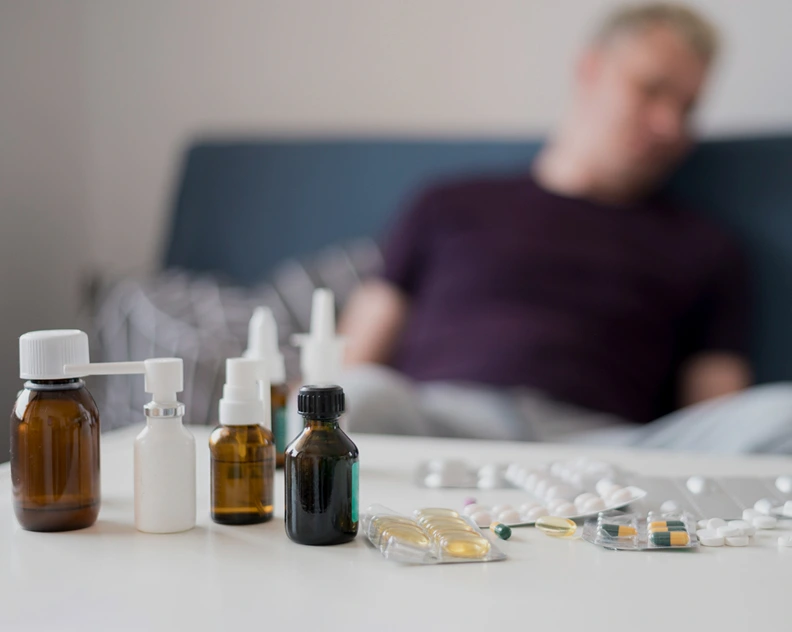
Emotional and Mental Health
When the brain feels out of balance, and life feels unmanageable.
Mental health challenges are one of the most common co-occurring conditions with addiction. Depression can numb hope. Anxiety can drive compulsions. ADHD can make regulation feel impossible. These aren’t flaws they’re conditions that deserve real support. You might notice:
- Mood swings, irritability, or emotional shutdown
- Self-harming behaviors or suicidal thoughts
- Withdrawal from relationships or responsibilities
- Risk-taking or substance use to self-medicate
- Difficulty focusing, sleeping, or making decisions

Eating & Body Image Disorders
When food, shape, or control becomes the only way to cope.
Disordered eating isn’t about vanity it’s about pain, perfectionism, identity, or trauma. Whether it’s restriction, bingeing, purging, or obsession with “clean” eating, these patterns can become deeply ingrained and are often tied to substance use. You might notice:
- Obsession with body image or weight
- Guilt or secrecy around food
- Excessive exercise or fixation on “clean” eating
- Intense shame or self-criticism
- Binge episodes followed by depression
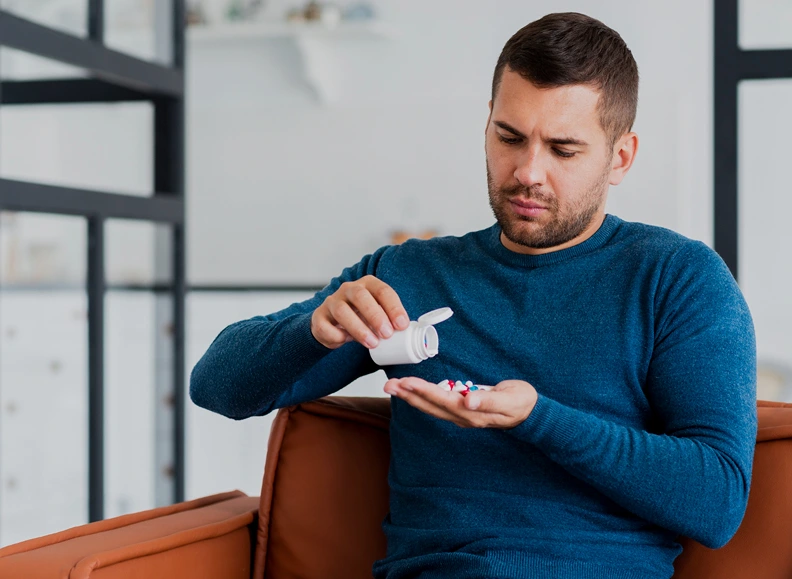
Pain, Trauma & Medical Dependency
When healing leads to harm and survival requires more than medication.
Chronic pain, past injuries, or medical emergencies can lead to medication dependence, emotional trauma, and nervous system dysregulation. Many individuals become dependent on substances like opioids or benzodiazepines not to get high but just to feel normal.
- Fear of being without medication
- Panic or flashbacks tied to medical care
- Pain that seems untreatable or misunderstood
- Withdrawal symptoms from tapering off prescriptions
- Shame about needing help