Recovering from addiction is a journey that doesn’t end after detox or rehab. Many people leaving formal treatment still need support to maintain sobriety as they rebuild their lives. This is where sober living homes come in. These are residential environments free of drugs and alcohol, designed as transitional homes for recovery that bridge the gap between intensive treatment and fully independent living. In these settings, individuals in recovery live together under structured rules and peer support, which helps them practice sober living skills in a real-world context.
What Are Sober Living Homes?
Sometimes referred to as a sober living house or sober living facility, it is essentially a group home for individuals in recovery from alcohol or drug addiction. These homes are housing for alcohol and drug recovery, where sobriety is the baseline requirement and support is built into daily life. These are usually owned by private organizations or nonprofits, or run by treatment centers as part of aftercare sober living programs. They serve as a middle step between the intense supervision of a rehab center and the complete freedom of the outside world. Residents might be people who have finished inpatient or outpatient rehab and need a stable place to continue their recovery, or they could be individuals who seek sober living after rehab because their home environment isn’t conducive to staying sober.
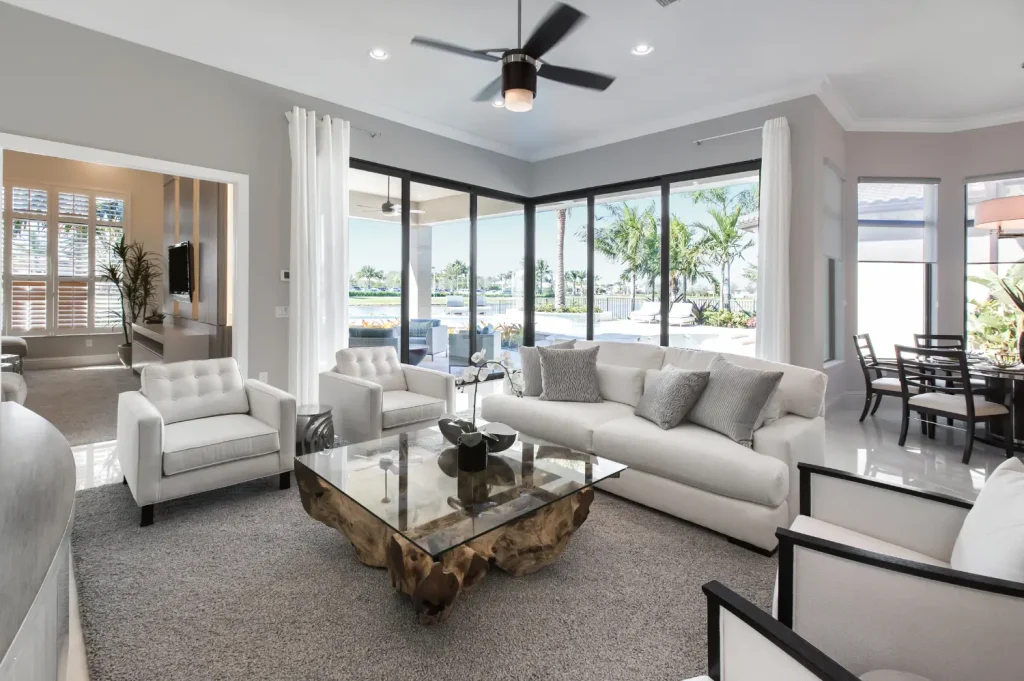
There are no doctors or detox services on site, and residents typically arrange their own therapy or 12-step meetings externally. The benefits of sober housing come from the environment and structure rather than formal therapy. Everyone in the house is committed to sobriety and must adhere to house rules. These rules usually include recovery support programs. Such conditions create an atmosphere of mutual accountability and encouragement.
How Do Sober Living Homes Work?
Though sober living homes are not formal treatment centers, they operate with a defined structure and set of expectations to help residents stay on track. Daily life in a sober living home is structured yet intended to mimic “real life” responsibilities. These guidelines form the core of how sober living houses operate:
- House Rules and Zero Tolerance: Any possession or use of substances on or off premises is grounds for eviction in order to protect the recovery environment. Regular or random drug testing is common to ensure compliance. This zero-tolerance stance is vital. It not only deters relapse for the individual but also keeps the entire household safe and focused on sobriety. Each resident knows that a lapse could mean losing their place in the home, which adds healthy pressure to stay accountable.
- Curfews and Attendance: Most homes have a nightly curfew, requiring residents to return to the house by a certain time each evening. Curfews encourage stability, regular sleep patterns, and discourage late-night situations that might jeopardize sobriety. Additionally, residents must often sign in and sign out when coming or going, so the house management is aware of everyone’s whereabouts for safety. Besides curfews, sober living facilities usually hold mandatory house meetings or group check-ins each week. In these meetings, residents discuss progress, challenges, or house issues, and sometimes attend on-site group discussions. Many sober living homes also require or strongly encourage attendance at external recovery support programs such as 12-step meetings (Alcoholics Anonymous, Narcotics Anonymous) or alternative support groups. This ensures each resident stays actively engaged in recovery work outside the home as well.
- Chores and Responsibilities: To build life skills and a sense of community, residents share household duties. There may be a rotating chore schedule for cleaning common areas, cooking meals, or yard work. Everyone is expected to contribute to the upkeep of the home. Having chores keeps residents accountable to the group and helps them relearn routine responsibilities that might have fallen by the wayside during active addiction. It’s also common for sober living houses to require residents to either be working, actively seeking employment, or attending school or outpatient treatment. Idleness can be risky in recovery, so productive use of time is encouraged. By holding a job or doing volunteer work, residents start to integrate into normal life while having the safety net of the sober house to return to.
- Peer Support and Mentoring: Perhaps the most powerful element of how a sober living home works is the built-in peer community. Living with others who are also focused on recovery creates an atmosphere of understanding and mutual support. Housemates often encourage each other, share advice, and notice if someone is struggling. Many homes have a senior resident or house manager to provide oversight and guidance. Newer residents might be paired with more experienced ones in a buddy system. The motto is that no one is alone in recovery. If someone is having cravings or a bad day, there are peers right there to talk to who have been through similar struggles. This camaraderie reduces isolation and can catch relapse warning signs early. Residents lift each other up and celebrate milestones together, creating a sense of brotherhood/sisterhood in sobriety.
Sober living homes work by combining structure with support. The atmosphere is more relaxed than rehab, but it’s not a free-for-all. The expectation is that everyone abides by the house’s guidelines and remains committed to recovery.
Who Do Sober Living Homes Help?
The residents of sober homes come from various walks of life but share a common goal of recovery. Sober homes for men, women, and young adults exist to cater to different needs, and some are co-ed while others are gender-specific. Most commonly, these homes help people who have just finished an inpatient rehab program or intensive outpatient program and aren’t yet ready to return to their previous living situation. Moving into sober living after rehab is often recommended by treatment professionals as the next step. After 30, 60, or 90 days in a controlled treatment setting, a person may feel strong in sobriety but still worry about the temptations and stresses of going home. Sober living provides an intermediate step where they can continue to focus on recovery while gradually reintroducing work, family, and social responsibilities.
Beyond the typical rehab graduate, sober living homes also help individuals who may not have gone through formal rehab but struggle to stay sober in their current environment. For example, some people relapse after treatment because they return to a home where others use substances or where there are toxic relationships and triggers. A sober living house can be a refuge for someone in that situation by giving them a new environment that reinforces sobriety. Likewise, people who have had a relapse and want to get back on track might choose to move into a sober home for a while to regain stability. Recovery housing options like sober living are there for anyone in early recovery who needs a stable, drug-free place to live while they strengthen their sobriety.
These homes often cater to specific demographics or issues to ensure tailored support. There are sober living environments focused on helping veterans, for instance, which might incorporate PTSD support or a structured lifestyle reminiscent of military life. There are also women-only sober houses that provide a safe space for female residents. Sober homes for women can be crucial for those who have experienced trauma or feel more comfortable recovering in a female community. Some women’s recovery homes even allow children or are specifically for mothers, so that women can continue to care for their kids while in a sober environment.
Even beyond those specific categories, sober living homes ultimately help people learn how to live sober in the long term. They are beneficial for anyone who needs time and practice to adjust to life without alcohol or drugs. Residents often discover that what they gain from sober living is confidence and a network. By the time they “graduate” from the home, they typically have a job or income, a plan for continued support, and friendships with others in recovery.

Specialized Sober Living Options (Pets, Amenities, and More)
While all sober living homes share the same fundamental purpose, there can be differences in amenities and policies that might appeal to individual preferences. For instance, some recovering individuals have strong bonds with their pets and find comfort and emotional support in having their animal companions with them. Recognizing this, sober living that allows pets still exists. They allow residents to keep a dog or a cat. Pets can provide a sense of routine and unconditional love that eases stress. In a communal environment, pets can also have a therapeutic effect on other residents. For example, a friendly dog in the house might lift everyone’s spirits. However, not every sober home allows pets due to allergies or practical concerns, so those interested should seek out specifically designated pet-friendly homes.
Another variation among sober living facilities is the level of luxury or amenities offered. Sober living environments range from very basic to quite high-end. All of them maintain the recovery focus, but some people might prefer a quieter suburban home setting, while others might like a larger facility with more residents and activities. Sober living houses can also vary in size: some might house 4-6 people in a family-like atmosphere, while others might have 15 or more residents. There are even larger communities or apartment complexes dedicated entirely to sober living.
While the core model of sober living is fairly consistent, there’s a spectrum of options to fit different needs and preferences. Pet-friendly homes allow animal lovers to keep their clean and sober housing companion by their side. High-structure homes with lots of programming suit those who want continued guidance, whereas more independent homes suit those who just need a safe space. Luxury sober homes cater to those who can afford upscale comfort, while simpler homes prioritize affordability and basics. Gender-specific and other specialized houses address personal comfort levels and unique recovery needs. Thanks to this variety, individuals in recovery can often find sober living near me that aligns with both their recovery goals and personal lifestyle or responsibilities.
Finding and Choosing the Right Sober Living Home
TruPaths is a platform that connects individuals with vetted sober living homes and other recovery services, making it easier to explore options based on location and specific needs. When searching, it’s important to consider a few key factors to ensure you choose a quality sober living program that suits you:
- Location: Think about whether you want to be in the same area where you underwent treatment or closer to your hometown. Some people benefit from a fresh environment away from old triggers, so they choose a sober home in a different city or state. Others need to stay near their job or family and look for a local option. Also consider proximity to things like public transport, job opportunities, and recovery meetings. A home located near strong recovery communities can be a big plus.
- House Rules and Culture: Not all sober living homes are identical in their rules. Some are stricter, while others are more lenient. It’s wise to ask for a copy of the house rules before deciding. If you visit or do an intake interview, get a feel for the culture: Is it structured and quiet, or more like a collegial atmosphere? Are the residents mostly the same gender and age group as you? Look for a place where you feel you would fit in and be comfortable with the level of structure.
- Staff and Support: Some sober living houses have live-in managers or staff who oversee operations and provide support, while others may be more peer-run. If you feel you’ll need more guidance, you might want a home with an experienced house manager or connections to counselors/recovery coaches. During your search, don’t hesitate to ask about the staff’s credentials or the kind of support services available. A good sober living home will be transparent about how it operates and who you can turn to if you need help.
- Cost and Financial Policies: Cost is a practical factor, which we will detail in the next section, but when choosing a sober home, make sure you understand what is expected financially. Ask about the monthly rent and what it includes. Also, clarify if there’s a security deposit or intake fee, and what the refund policy is if you leave early. Some homes have scholarships or sliding scale fees for those who cannot afford full rent. It never hurts to inquire. Additionally, find out if they require residents to maintain employment or if they have a grace period for new residents to find a job. A home that offers help in finding employment or provides resources for job hunting can be very beneficial.
- Length of Stay and Transition: Everyone’s recovery timeline is different. A crucial thing to ask is whether the sober living home has any limits on how long you can stay. Many are open-ended, meaning you can stay as long as you’re following the rules and making progress. Others might have a general expectation, but can be flexible. Knowing this in advance helps you plan. Also, inquire if the home provides any support when you’re ready to move out. Some have alumni networks or transitional services to help graduates find independent housing and keep in touch for support.
If something feels off, it may not be the right environment for maintaining sobriety. Taking the time to find the right sober living program for your situation can make a big difference in how beneficial the experience will be.
Cost of Sober Living Homes
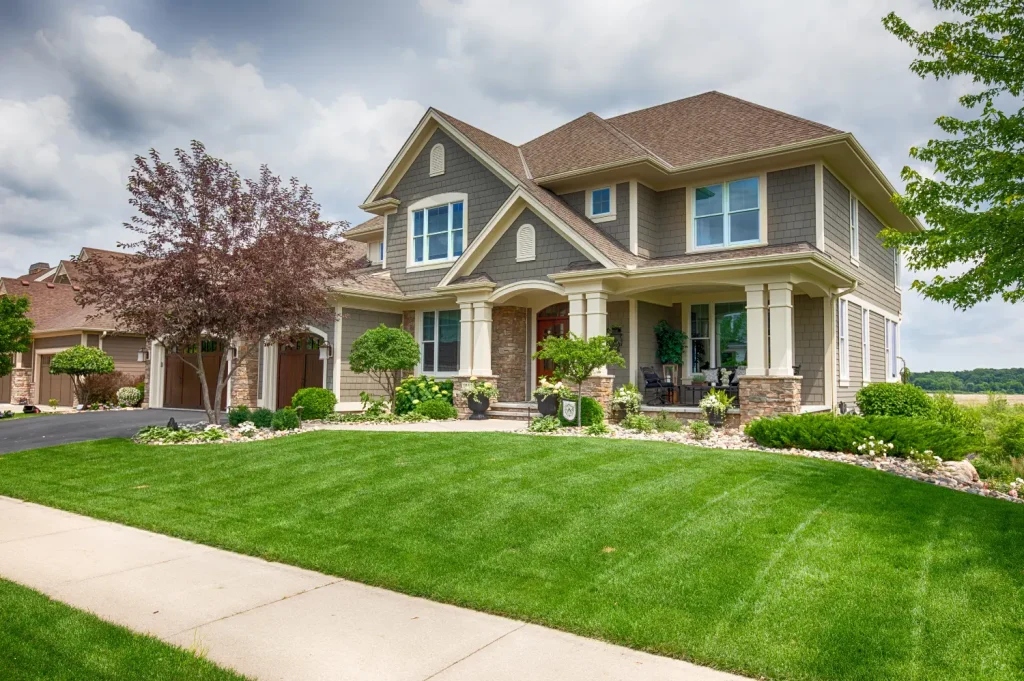
One practical consideration when evaluating sober living options is the cost. The cost of sober living homes can vary widely depending on factors like location, the amenities provided, and the level of support or services included. In general, residents pay weekly or monthly rent to live in the sober house, much like paying rent for an apartment, except this rent covers not just housing but also the recovery-oriented environment and any included utilities or services. On the lower end, some basic sober homes might cost only a few hundred dollars per month. Higher-end or private-room facilities in major cities can cost a few thousand dollars per month. To give a rough range: sober living home fees typically span anywhere from around $500 up to $5,000 per month, depending on the home’s features and location. Most commonly, you’ll find sober living arrangements in the range of perhaps $600 to $2,000 a month in many areas, with lower prices usually implying shared accommodations and fewer amenities, and higher prices often indicating private rooms or luxury services.
Sober living homes play a pivotal role in the continuum of addiction recovery. They are much more than just places to stay. They are communities and structured environments that foster growth, accountability, and confidence for people rebuilding their lives after addiction. Many individuals credit their time in a sober living house as the period when they truly learned how to live life on life’s terms, without relying on alcohol or drugs. By providing a safe space free from temptation, along with daily routines and peer encouragement, sober homes give residents the tools and stability to become self-sufficient in sobriety. Even federal health officials recognize the importance of recovery housing. Wraparound services, especially addiction recovery housing, play a vital role in breaking the cycle of addiction.