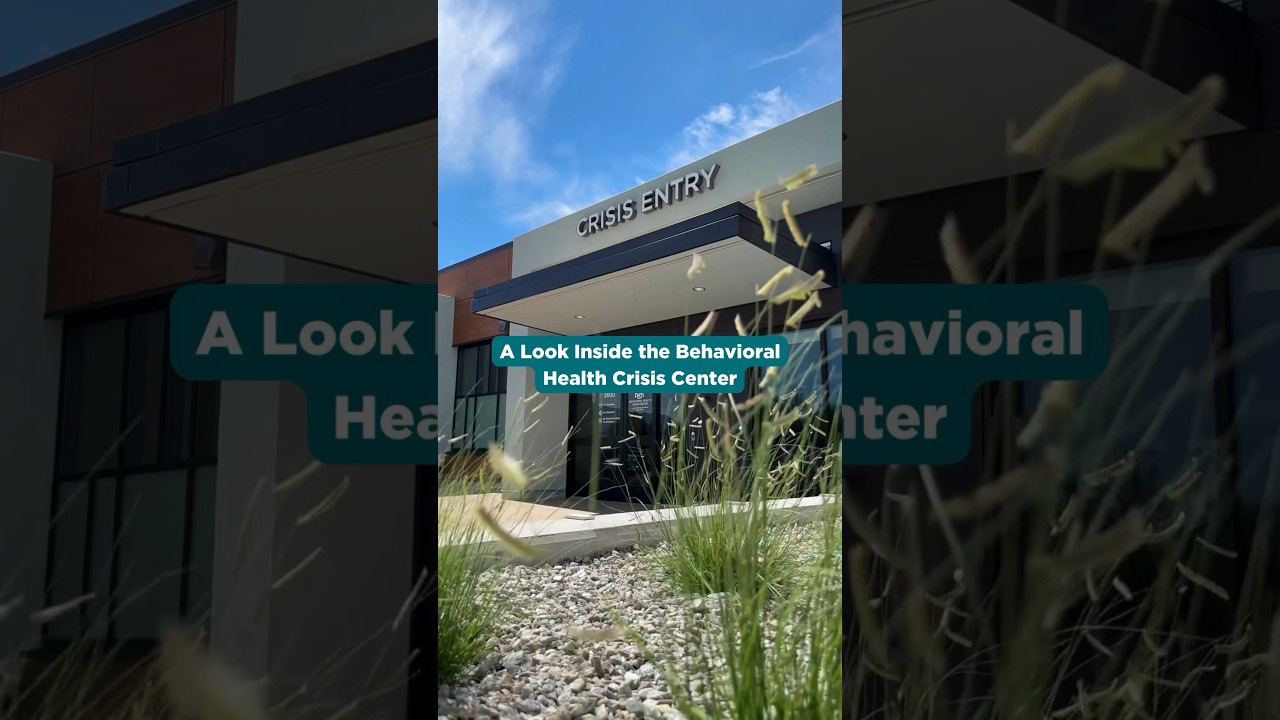
I’m writing this review after being denied services TWICE at the UNM Crisis Triage Center (CTC) in Albuquerque, a facility that publicly claims to provide low-barrier mental health stabilization for adults in crisis. My experience exposes the exact opposite: harmful gatekeeping, biased clinical judgment, and a complete lack of accountability.
On Monday, April 14, I arrived with a formal referral letter from the Associate Director of Clinical Counseling Services at my university. She had walked through the CTC facility and believed it to be an appropriate short-term behavioral health fit. Instead, I was met by Nurse Yoli, who told me the letter “meant nothing” and labeled me as “irritable” and “argumentative” simply because I calmly asked questions and explained why I believed I qualified. When I expressed that I was advocating for myself, she cut off the evaluation and denied me admission.
When I went to the front desk to file a grievance and inquire about the grievance process, I was given the phone number for the patient advocate and a PUC (Psychiatric Urgent Care) intake form. As I sat down to fill it out, a security guard came over and told me I needed to leave—on orders from the same charge nurse. I was crying and shaking. Another nurse came to clarify things, and Dr. Iesha eventually came downstairs. I played a recording of the incident (New Mexico is a one-party consent state), and only then was I told I could stay. But the emotional damage was already done.
Still, I returned on Saturday, April 19 to try again—because I genuinely need care. I explained calmly that I live with PTSD and I’m trying to prevent a full mental health breakdown during a period of transition in my life. I said I cope well, have a laid-back temperament, and needed short-term support. This time I was assessed by Nurse Jackie, a Black woman in a motorized wheelchair, who asked me what happened on the 14th. I told the truth: that I believe bias and assumptions interfered with my evaluation. I gave examples of my calmness and ability to de-escalate in difficult environments.
Despite that, she denied me again.
First, she claimed my PTSD made me too vulnerable to “triggers” in the facility.
Then, after I told her I was assaulted on March 8, 2025, and have had inconsistent access to my medications due to being displaced, she used my honesty against me—saying I needed to be “medication stable” before being admitted.
But the CTC website literally says it offers a 14-day stabilization program—designed specifically to help people like me who are in transition and need support.
When I continued to advocate for myself respectfully, I was told:
“We will not be having a back and forth.”
I requested the grievance paperwork. Nurse Jackie said she didn’t have access to that on the weekends.
This Was Not Mental Health Care. This Was Control.
CTC promotes itself as a low-barrier behavioral health crisis center open 24/7—but that’s only true if you communicate exactly how they want you to, don’t ask questions, and fit into a narrow, neurotypical, non-traumatized box.
I am an Autistic Black woman with complex needs. I am self-aware, I communicate directly, and I advocate for myself. Apparently, that disqualifies me.












 Levels of Care
 Programs & Specialization
 Conditions Treated
 Therapies & Modalities
 Accrediations & Licensing
 Amenities & Environment