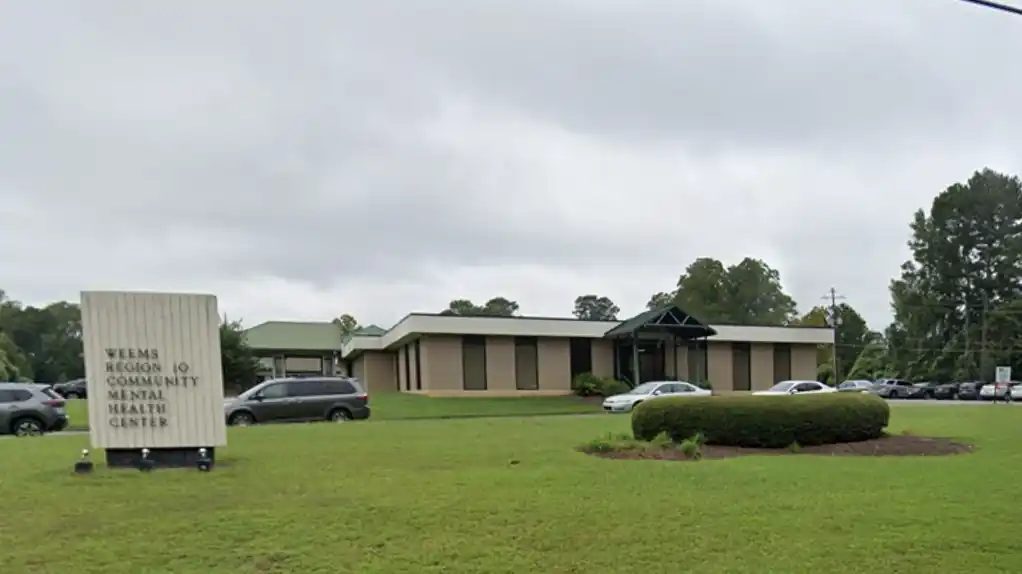
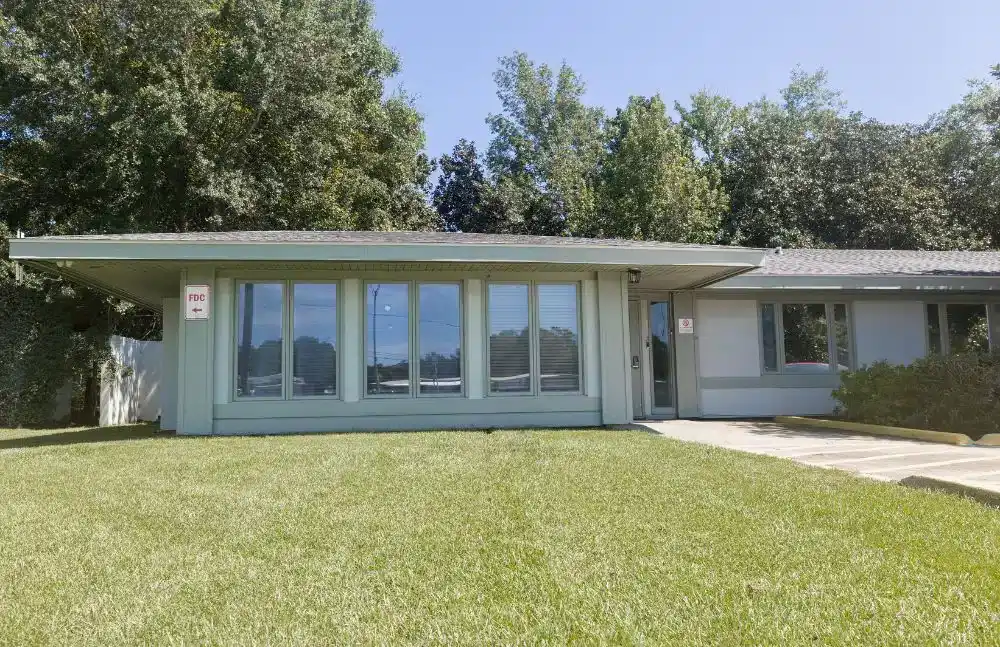
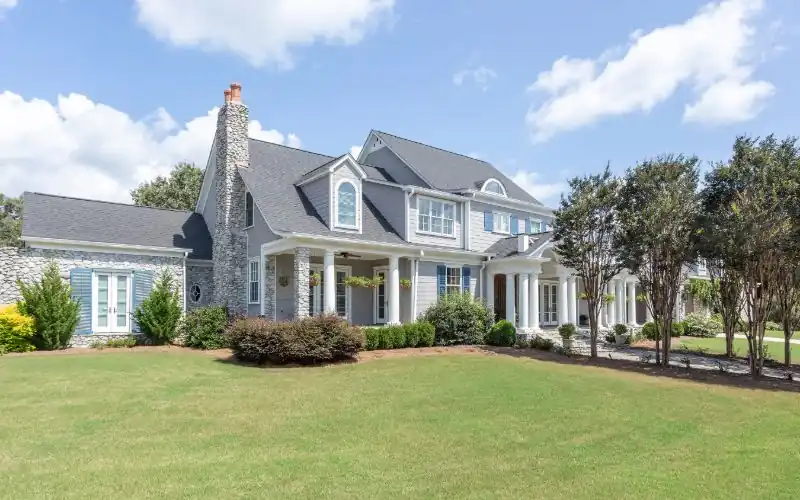
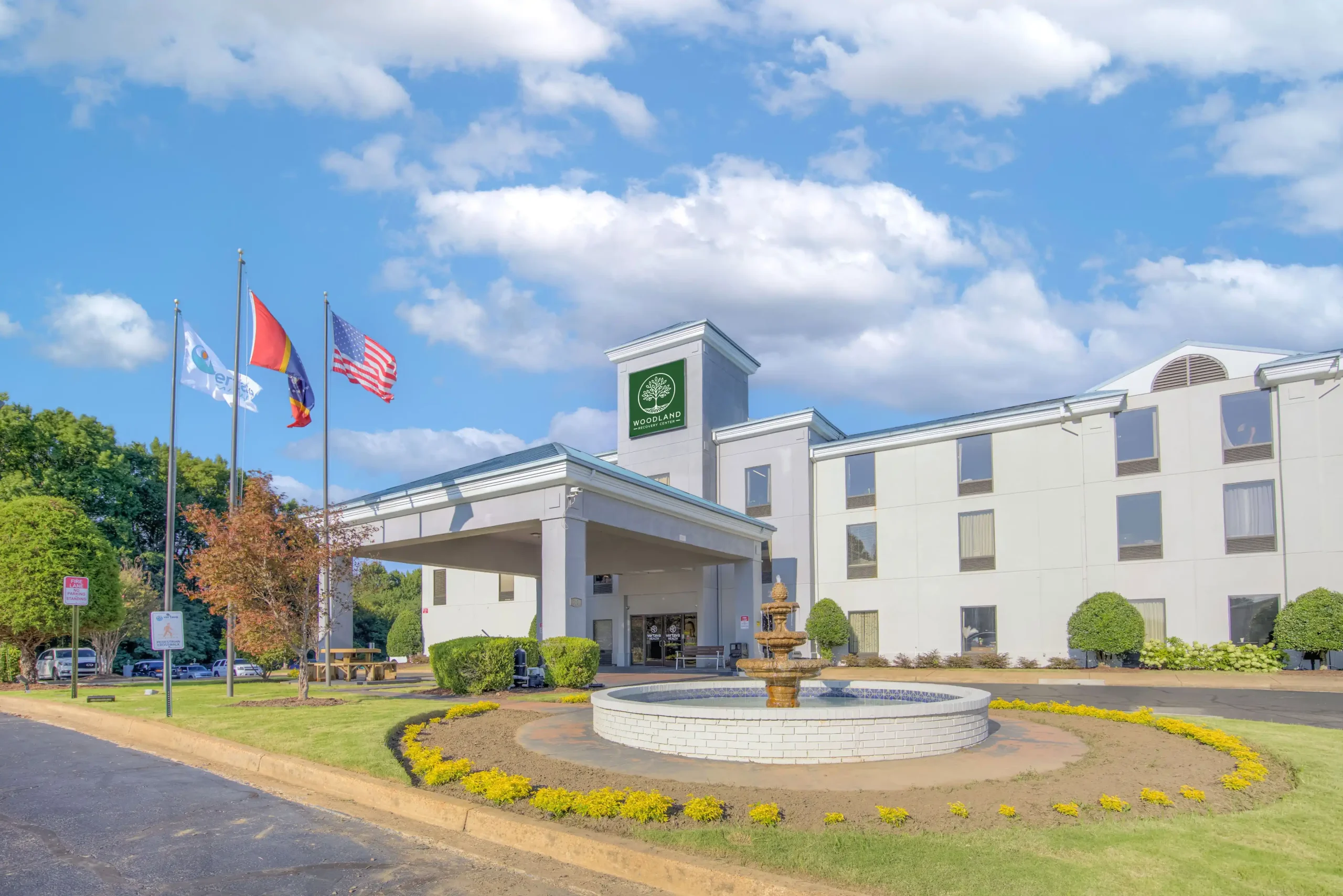
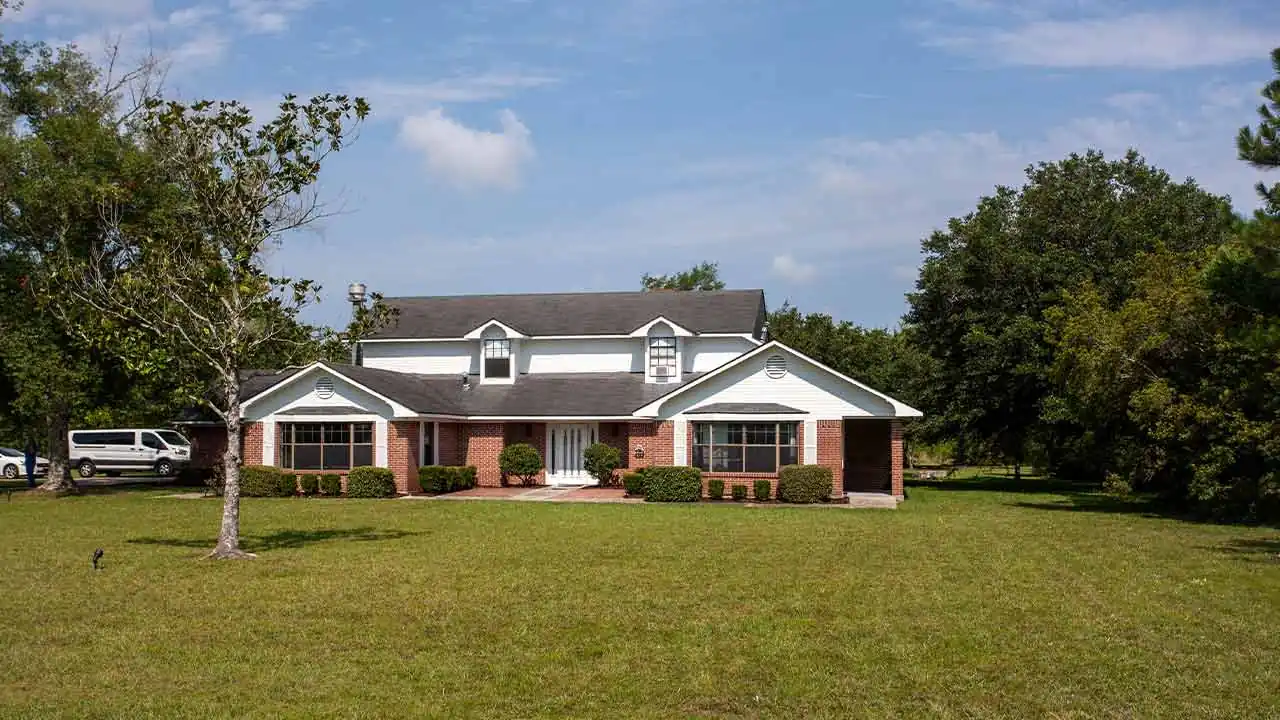
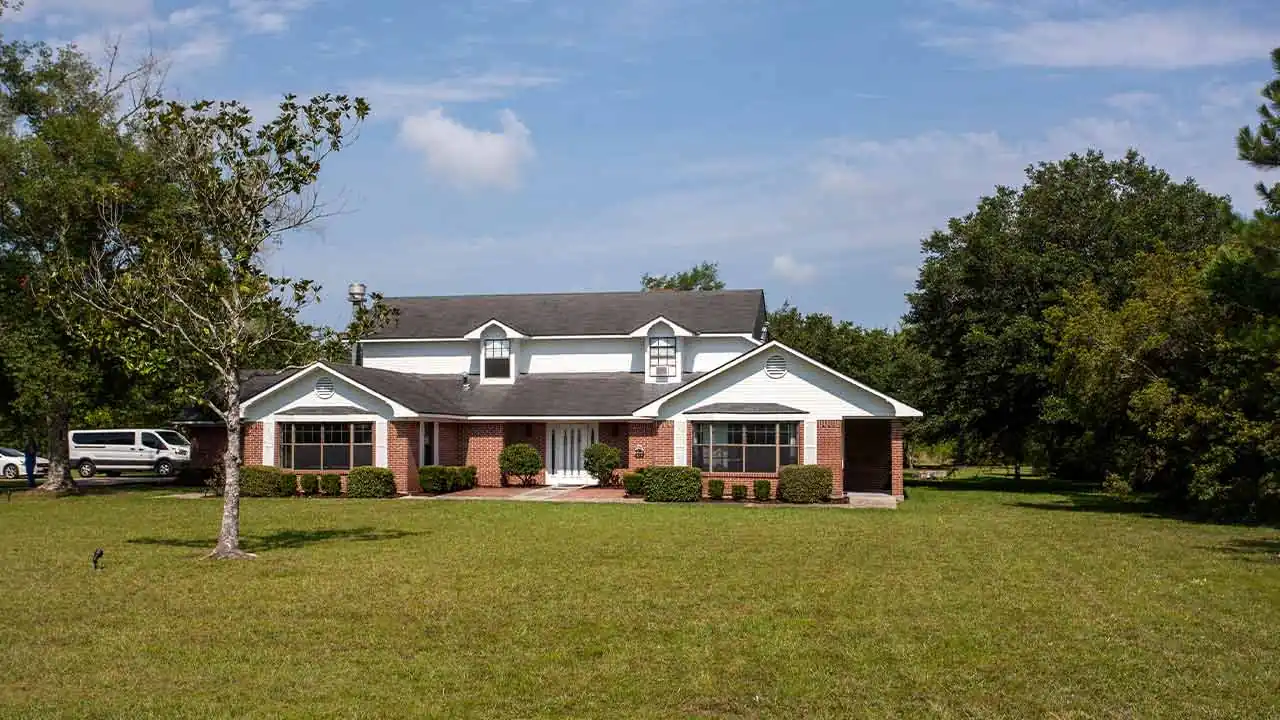
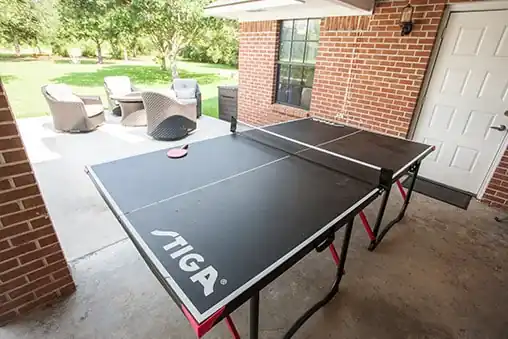
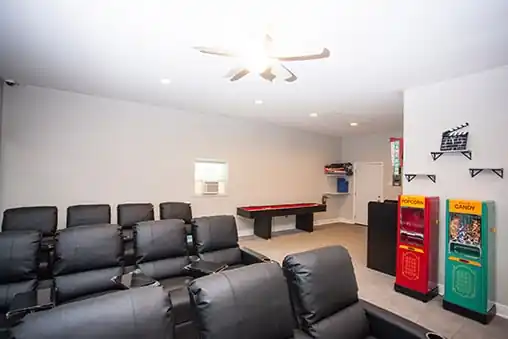
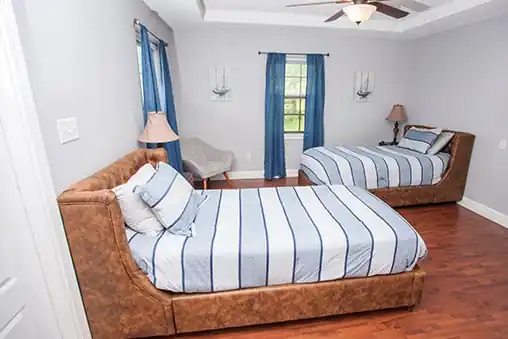
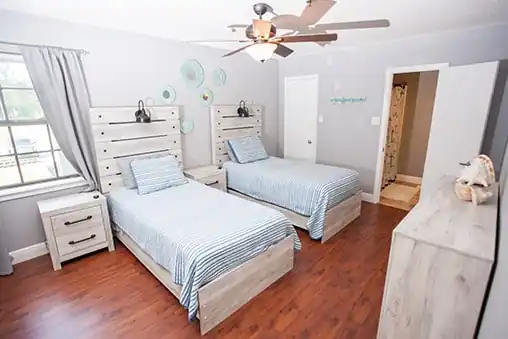
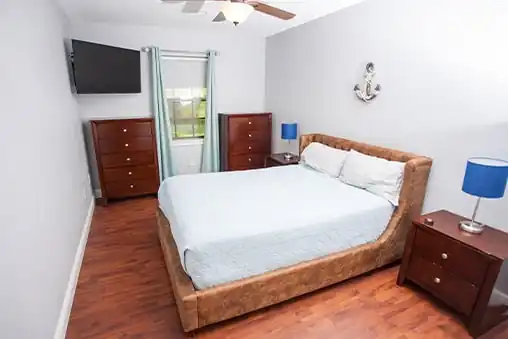
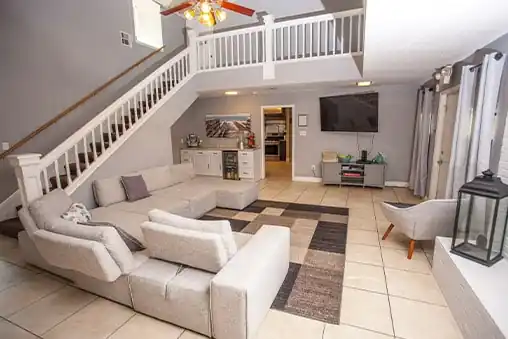
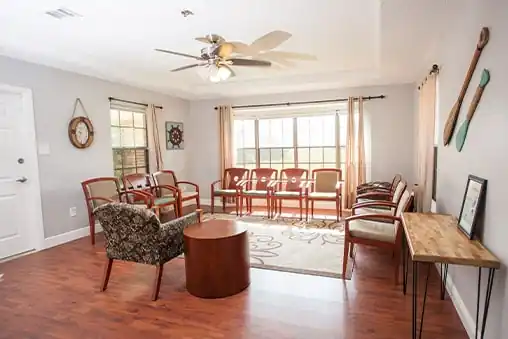
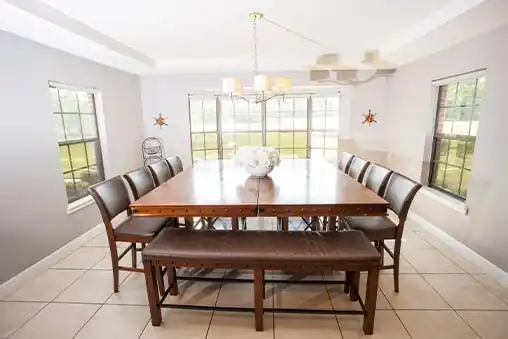
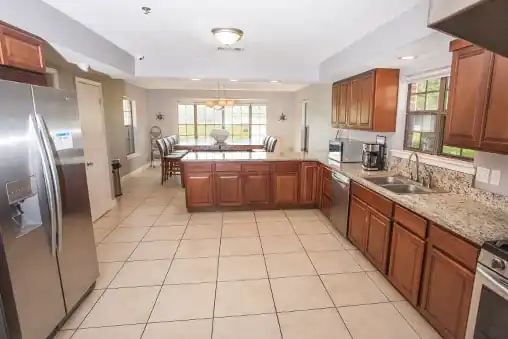
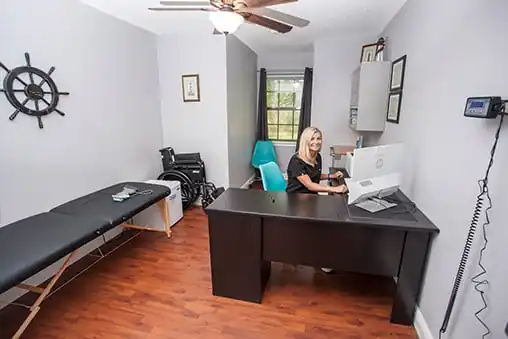
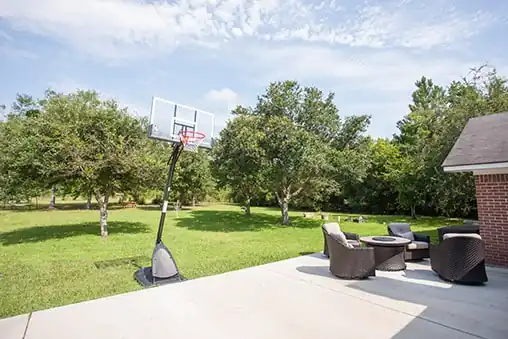
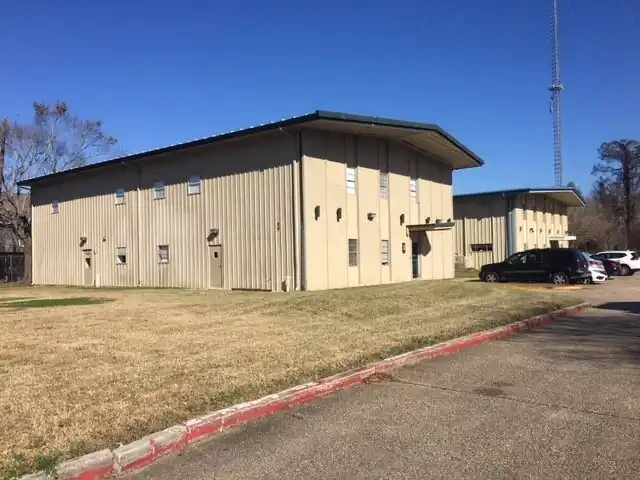
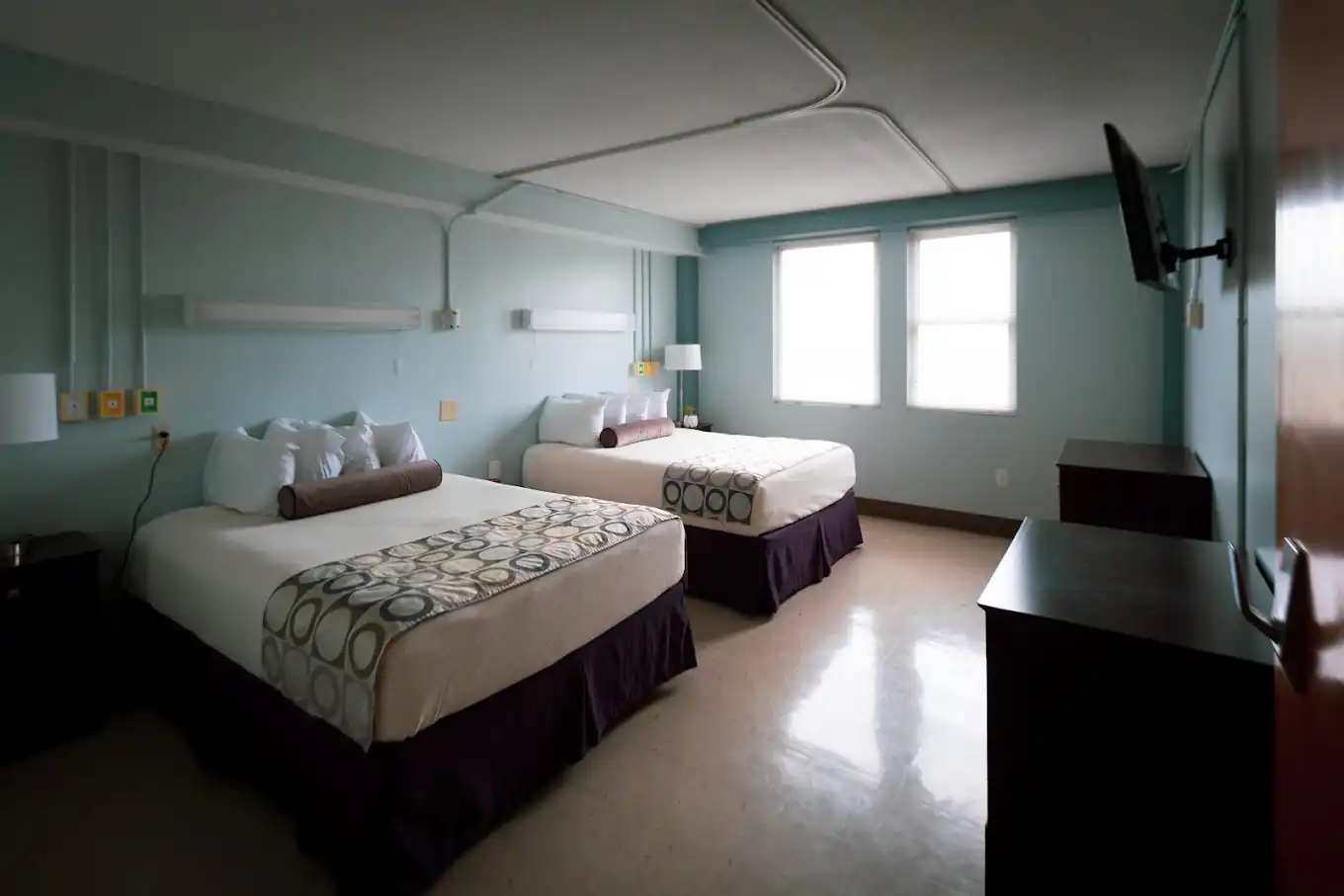
Unlike typical hospital settings for addiction treatment, this facility strives to create a comfortable home-like environment for patients seeking individualized treatment plans for addiction disorders. The property offers private and shared bedrooms, family style living room, dining room, full kitchen, and many recreational areas outside of the home. The program is covered by most major insurance plans and also accepts cash payments. Treatment Options Levels of treatment include detox, residential treatment, partial hospitalization, intensive outpatient, and aftercare support. Medically assisted treatment (MAT) is provided alongside 24-hr medical supervision for those in detox. The three main medications used during this process are Subutex, Naltrexone, and Vivitrol. The detox period normally lasts for five to seven days, after which the patient is transferred to either day treatment, intensive outpatient, or residential care. Benefits of residential care at this facility include medical support, nutritional counseling, co-occuring mental health treatment, therapy options, and community support. A typical day in residential treatment starts with breakfast, followed by recreational and counseling classes, dinner, and then a final session of the day. The day treatment program is catered to those who have completed residential care and are looking for continuing therapy and medical support without living onsite. Individual counseling, cognitive behavioral therapy, group therapy, art therapy, and nutritional support are some of the services provided during day treatment. The intensive outpatient program is for those who prefer to attend sessions during the day, but return home or to a sober living facility at night. The group sessions run Monday, Tuesday, and Thursday from 6-9pm, and individual therapy sessions by appointment during the day. Motivational Interviewing, Cognitive Behavior Therapy, and 12-Step programing are some of the services offered. Treatment Methods This facility integrates individualized needs with evidence-based therapy models such as cognitive behavioral therapy, dialectical behavioral therapy, motivational interviewing, 12-step programing, family support, and experiential therapy to address the root causes of addiction.



 Levels of Care
 Programs & Specialization
 Therapies & Modalities
 Accrediations & Licensing
 Amenities & Environment