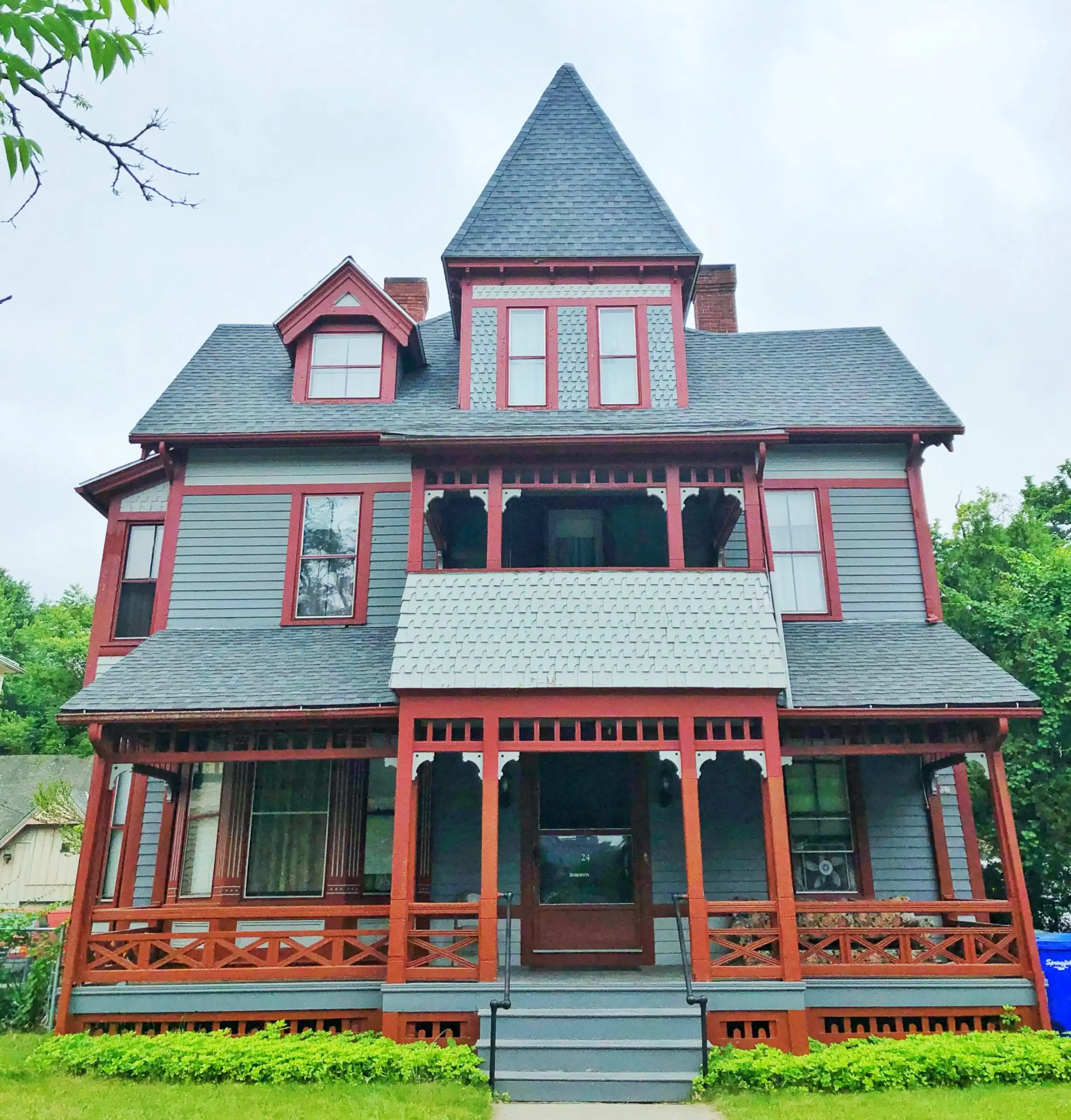
Well, for starters, Marc S bro thanks for literally every little and huge thing you did for me. You went to bat for me multiple times, and the support I felt with you (with mgmt, money, administration, health care, stupid people thinking they know everything and are God's gift to the recovery industry…), got me through man. It's not often I feel like I come across genuine people who want to help and want to do a good job, and you were all that and more. Emory please take care of this guy! He deserves it and then some. And Katelyn? SWEET Jebus her knowledge and skill in delivering a message… Mastery of running a group. Felt like a kindergartener and the teacher had us in the palm of her hand; not with ego, but with compassion and care and knowledge (the last of it being given to us, and her letting us do what we will with it). Whenever she was running group I knew I was going to get schooled and loved it. Thankful being so damn talented and so compassionate - from her I learned the most and I'd say is Emory's MVP therapist. Big shout out too to Jeff, George, Carrie, Andrew, Amy, Sue, Kylie, Danielle, Barry, and mah buddy Angelo. You guys made the experience great. And big love to the Beechwood house!
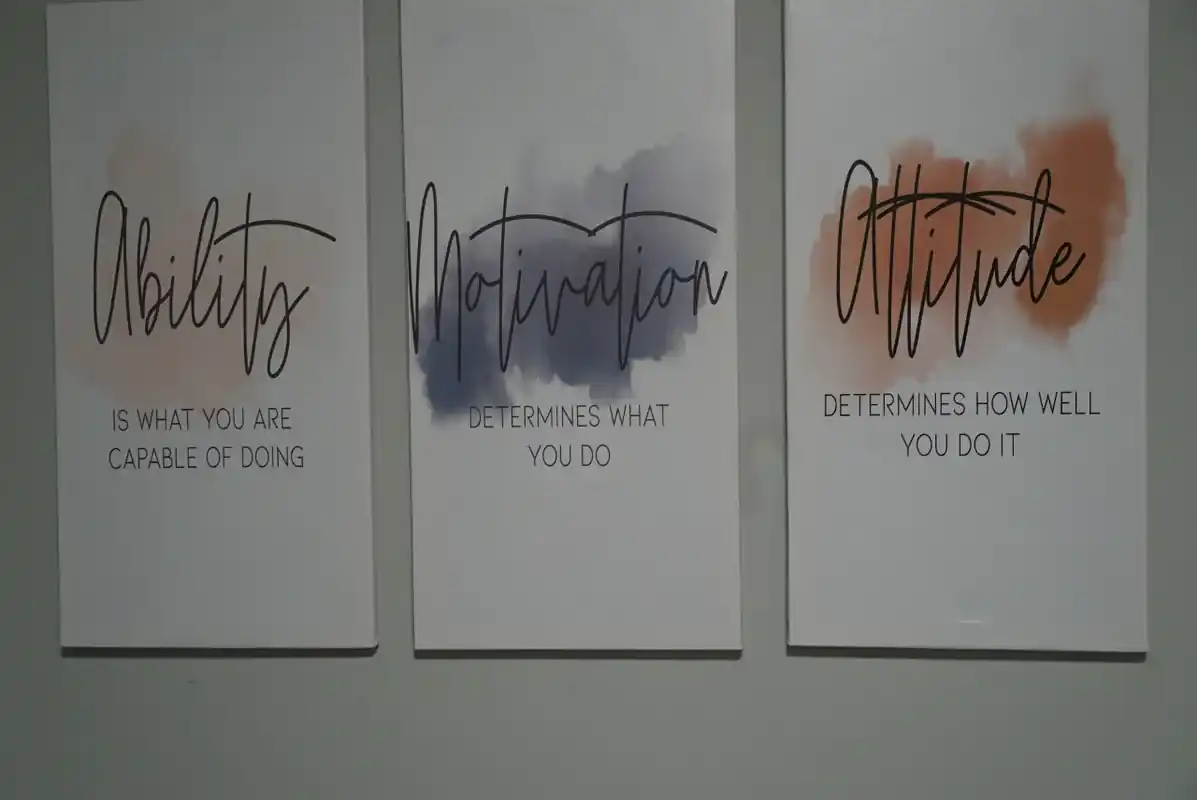
Regarding recovery, lil ol me thinks Emory was spot on in trying to teach just life skills and healthy/beneficial ways of ‘being.’ Of living. Not that some big mission statement was emphasized in groups, but I felt that their narrative was - Improve your quality of life and recovery will come. So (although always coming back to addiction and recovery) groups discussed grounding, check in’s, coping skills/mechanisms, self-care, mindfulness, communication, therapy modalities (CBT, DBT, IFS, ABC, 123), and huge emphasis on just learning on how we as human being organisms operate. For example, emphasis on how our sub-conscious may be pulling a lot of strings and we just don’t know it. And, an important thing to me; the topics and knowledge shared was much more fact/research based rather than anecdotal. There was (usually) a large ‘consensus’, from these educated, licensed, and well-versed leaders and what they know of the mental health industry. Less of “well this worked for me.” I appreciate that because I’ve learned in my own journey that I may not know any better compared to maybe ‘better’ more healthy ways of going through life. Like, I was taught to drink to get through the hard times growing up, but there are other ways to get through hard times. And I SUPER love that it wasn’t just ‘GO TO MEETINGS.’ The message was much bigger picture, though AA was definitely discussed and applauded for its work.
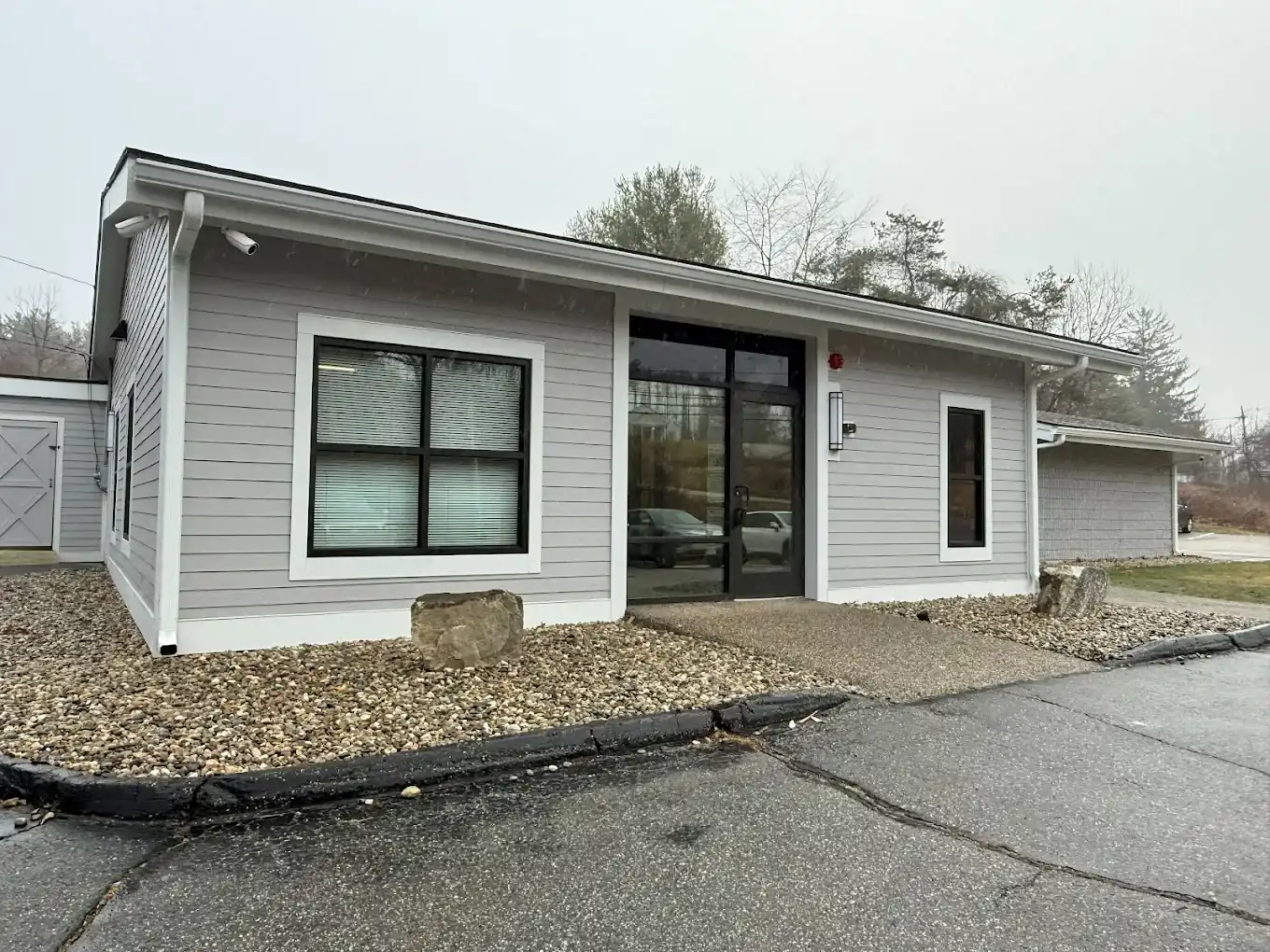
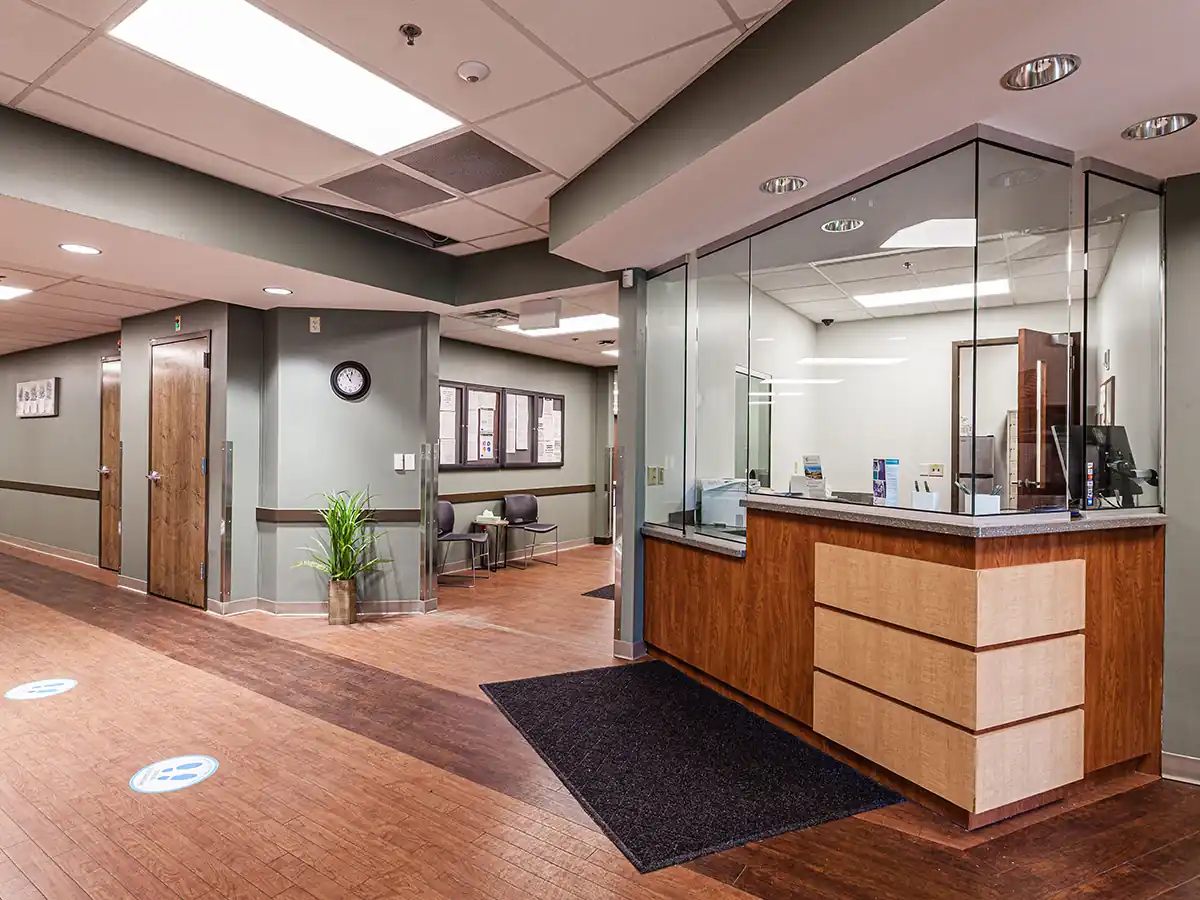
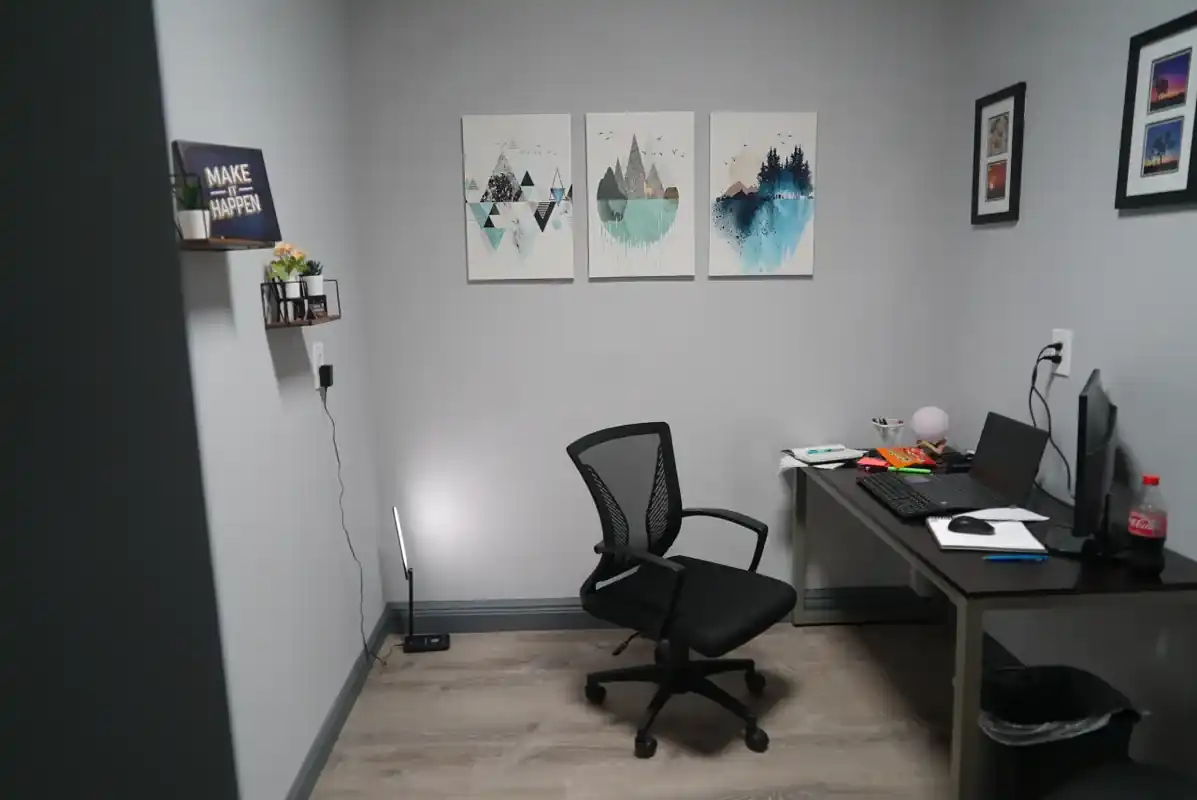
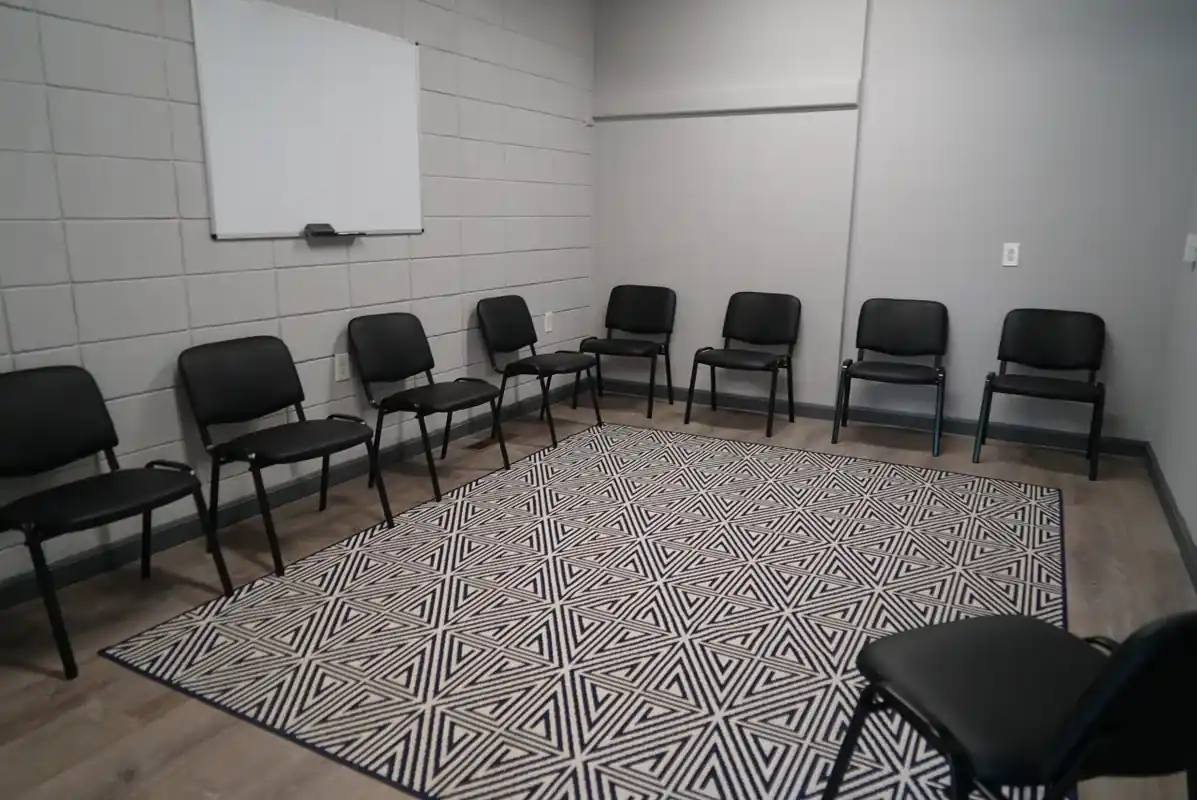
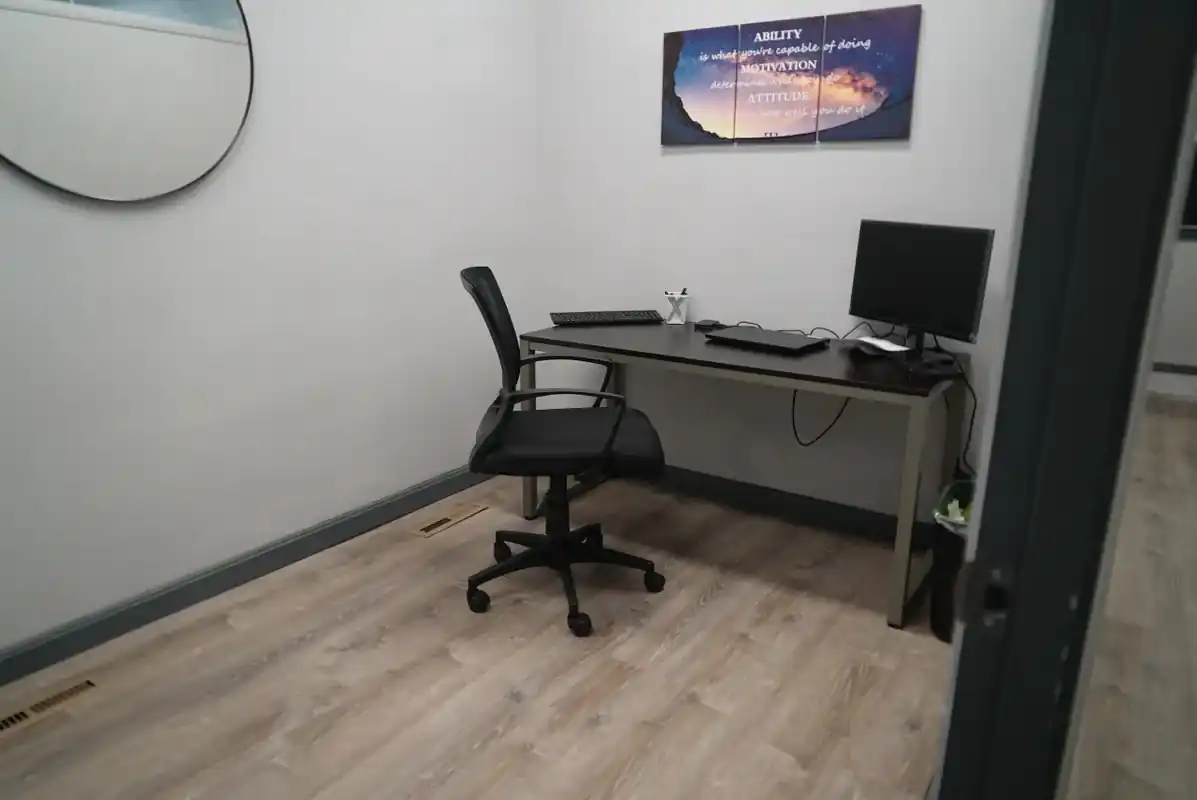
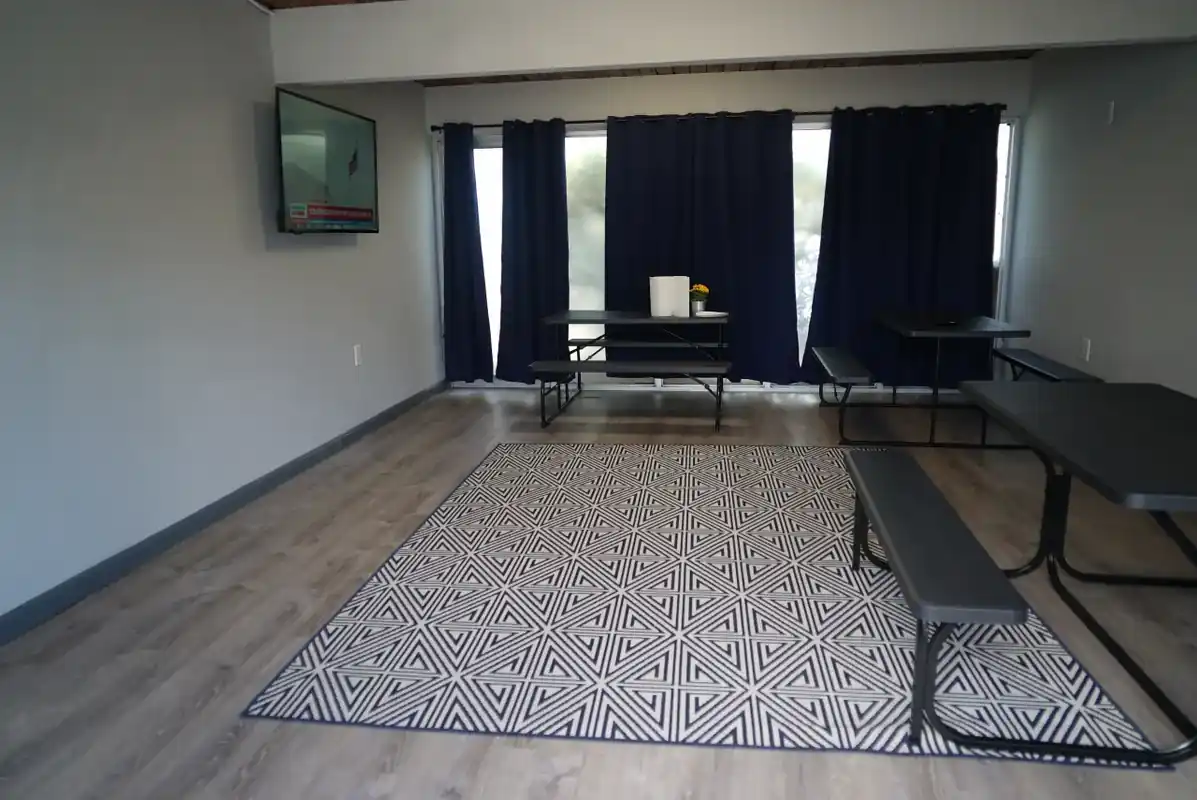
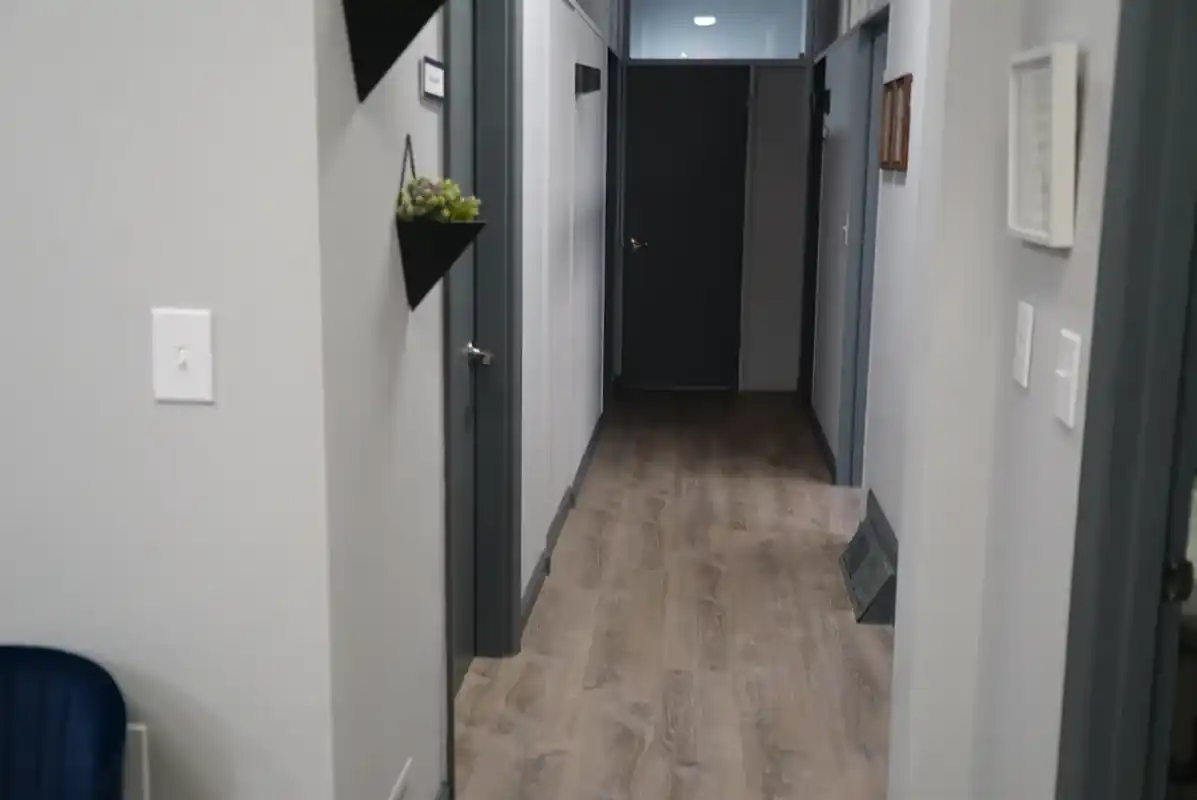
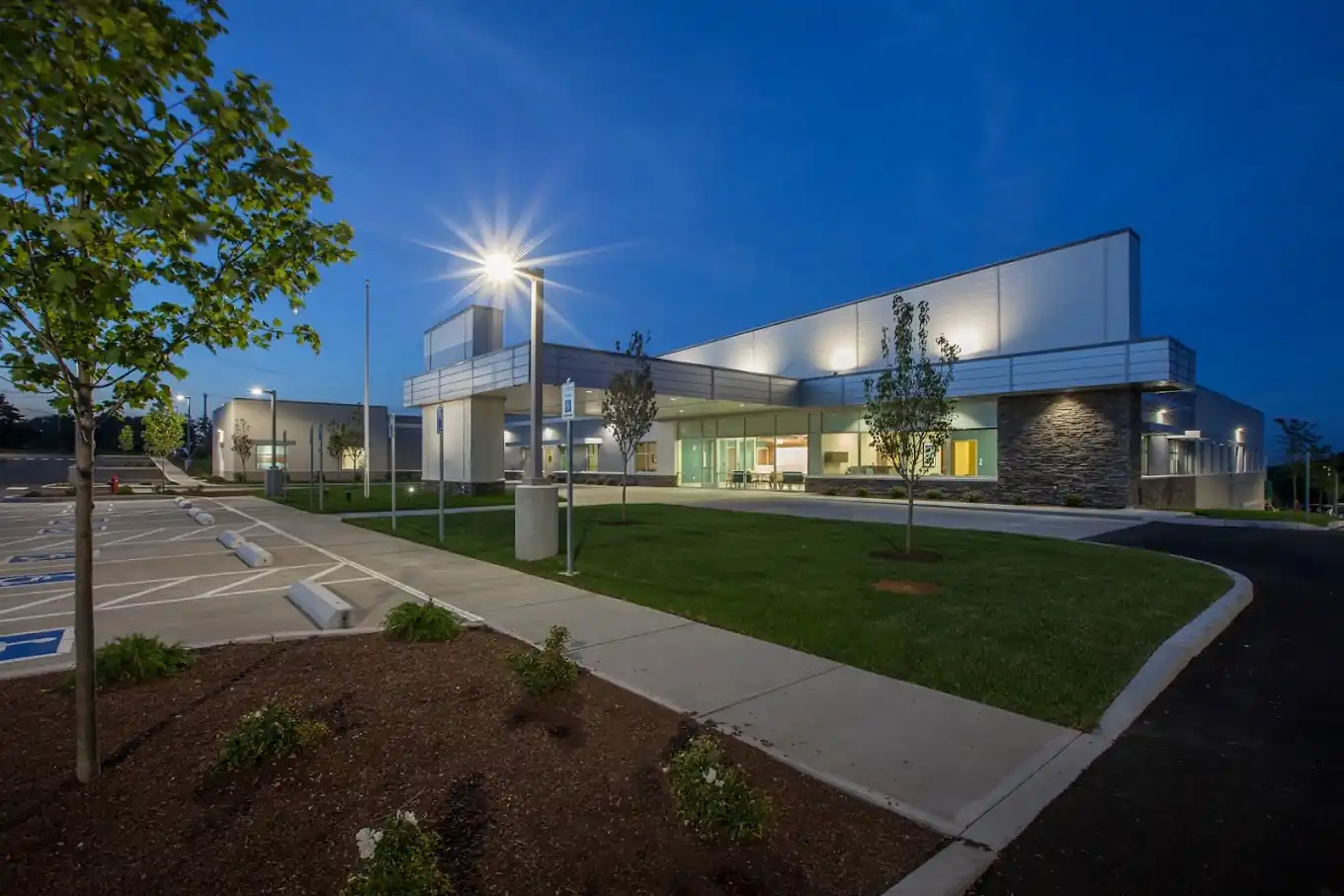
Gripes on the place aren’t too many at all. I am still suffering in and out of relapses since leaving Emory unfortunately. I think they did a great job as much as possible, I’m jUsT sPeCiAL and really messed up (…haha). I keep one star off of this review to be honest in that the place isn’t perfect. The facility could be a tiny bit nicer, as well as the food (mainly pizza with some special days). There seems to be politics and ‘agreements’ with themselves and other recovery entities in the area and a bit of a lack of transparency. But honestly – Emory as a business doesn’t seem any crazy different from any real business (which, let’s not forget it is a business) and they’re making money. That’s expected. I’ve seen WAY worse. I do think some of the therapists are stupid and whack (haha), and dare I say a danger to patients, but that’s my opinion and don’t forget I’m an addict!
All in all, I’ve been around on both the west and east coast when it comes to rehab and IOPs, and Emory was the best I’ve been to, and I’m thankful for the experience and the relationships I’ve built. Miss the crew immensely. I do wish it ‘stuck’ as I’m still in the thralls of alcoholism, but I do truly believe I’m much better off after Emory than I was before. Thanks for everything, Emory!





 Levels of Care
 Programs & Specialization
 Conditions Treated
 Therapies & Modalities
 Accrediations & Licensing