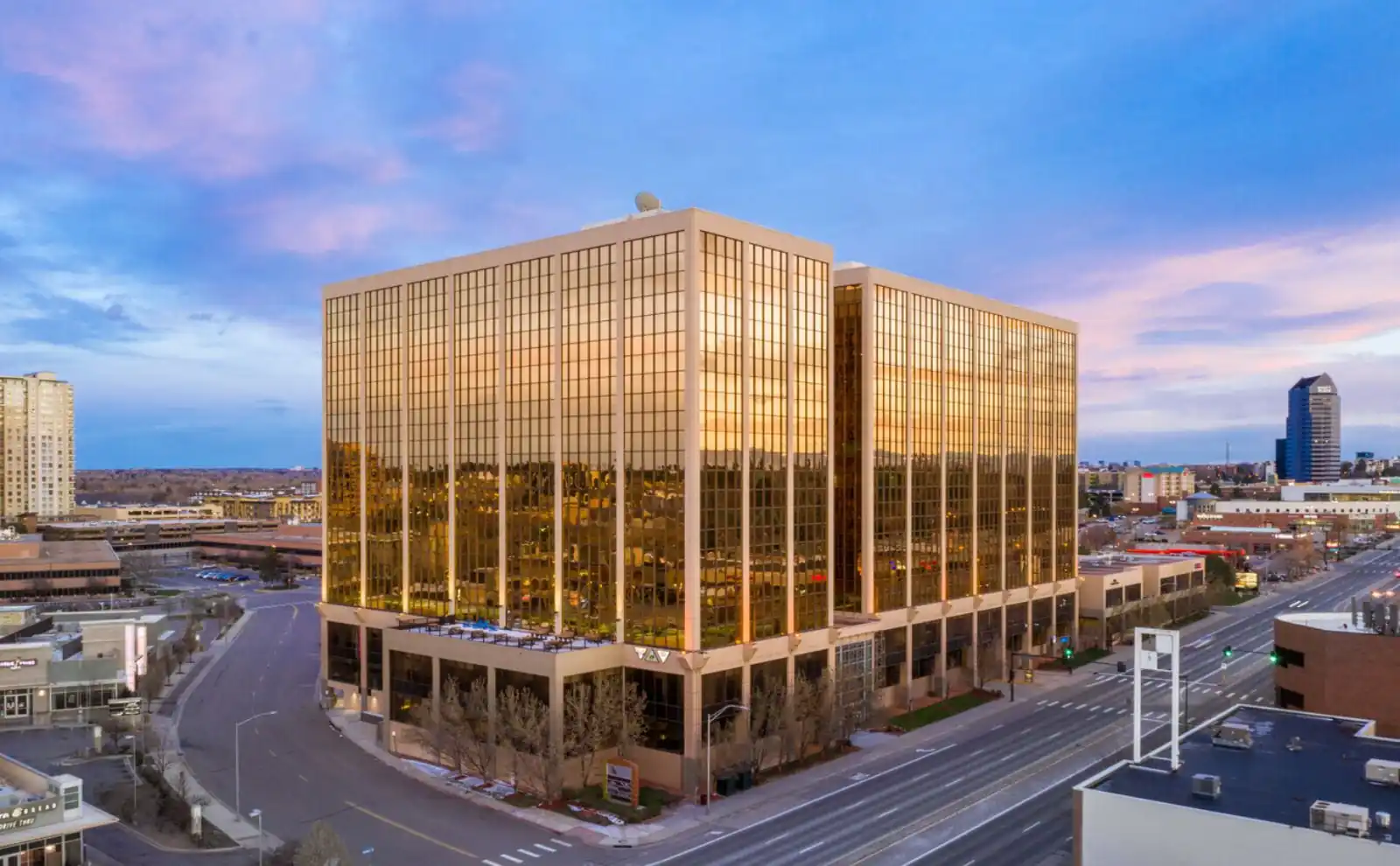
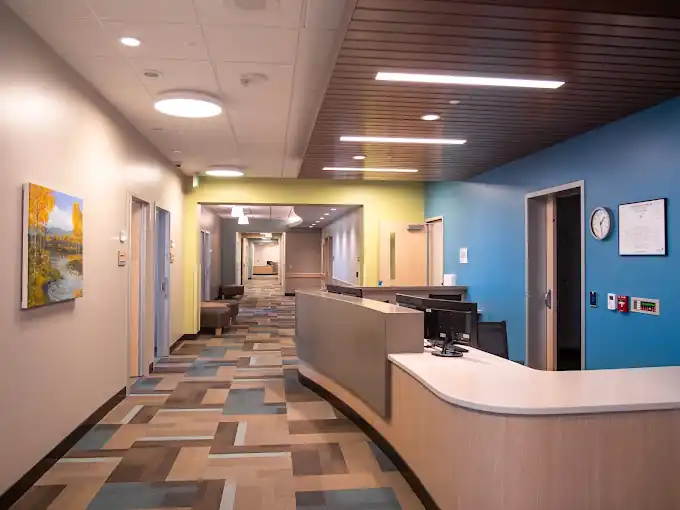
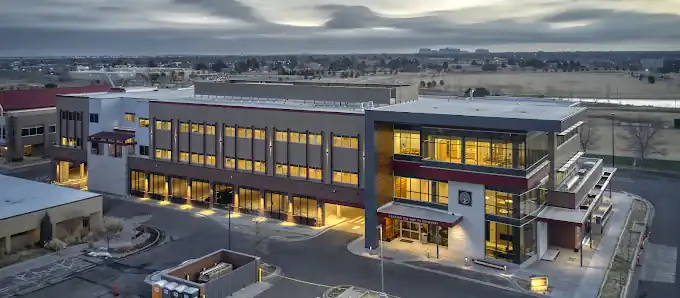
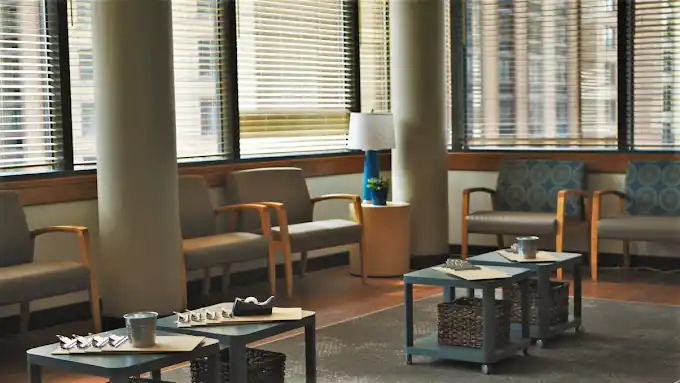
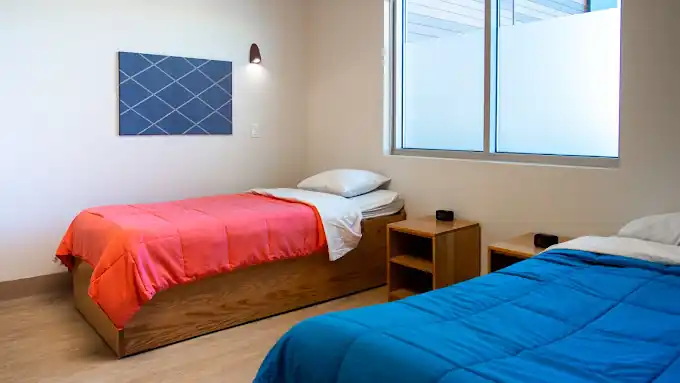
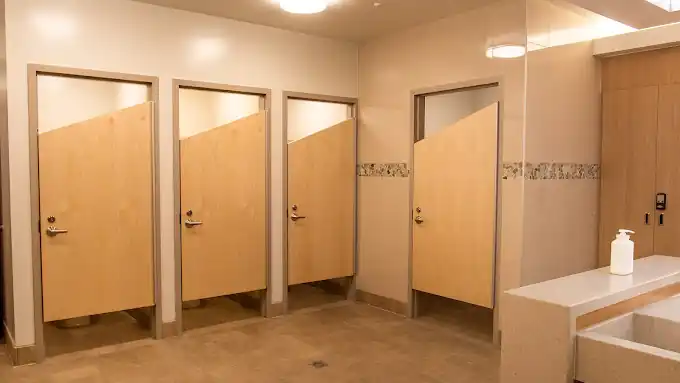
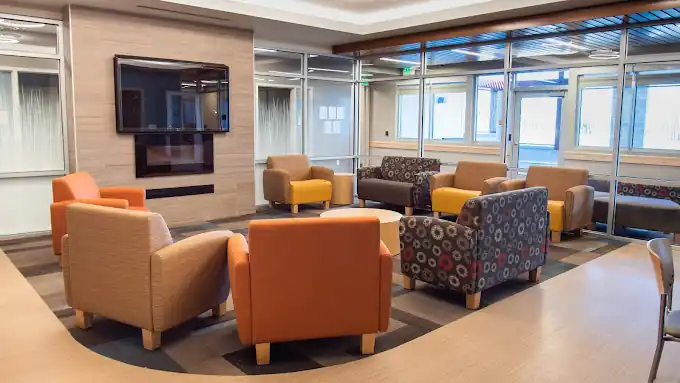
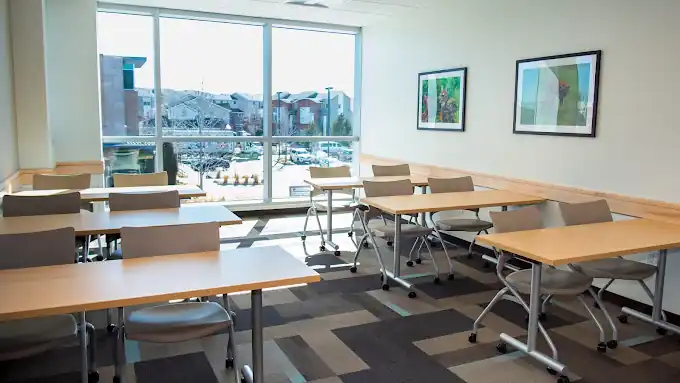
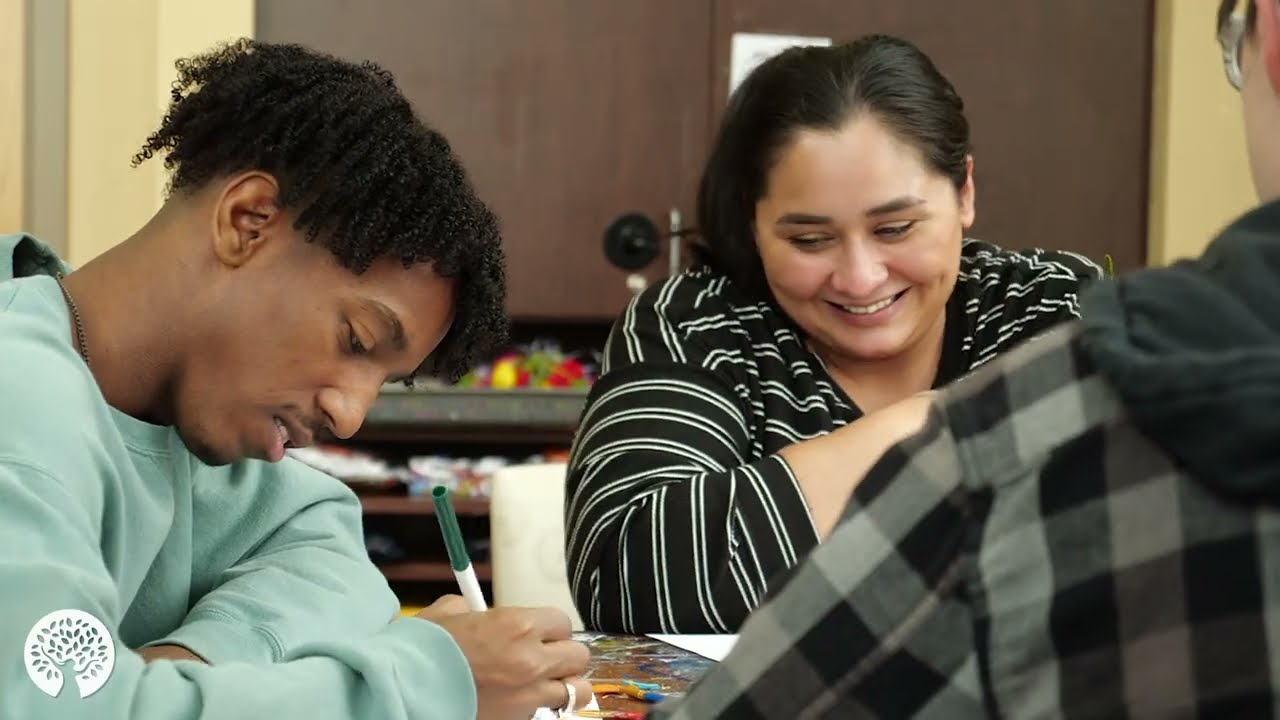
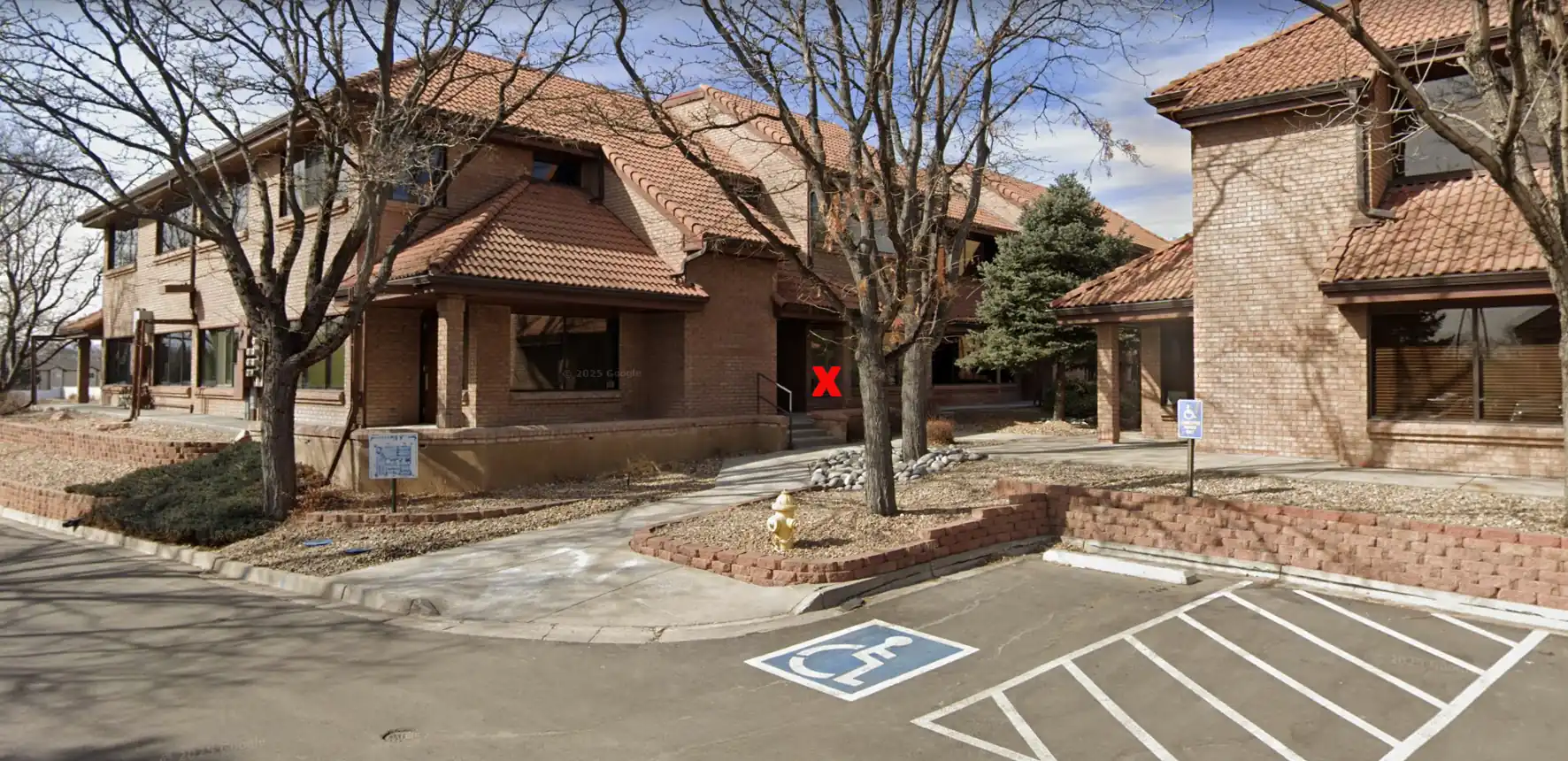
Located in Denver, The Eating Recovery Center offers specialized residential treatment for adult clients with eating disorders and co-occurring mental health issues. The center focuses on individualized care by using evidence-based treatment methods to support patients in achieving long-term recovery. Their expert team of licensed therapists is dedicated to helping clients overcome eating disorders and co-occurring conditions in a supportive environment. Comprehensive Tailored Treatment The Eating Recovery Center uses a holistic and personalized approach to treat eating disorders, combining medical, psychological, and nutritional support. This treatment center provides healing for adults who struggle with anorexia, ARFID, binge eating disorder, bulimia, compulsive overeating, orthorexia, and other specified feeding and eating disorders. The Eating Recovery Center’s staff are trained on the most up-to-date and evidence-based therapies to address complex cases. The center is fully equipped to provide these services if clients require medication management and psychiatric supervision. Lighting the Way to Recovery At The Eating Recovery Center, the treatment focuses on building coping skills and whole-person support. The clinicians use nutritional rehabilitation, radically open dialectical behavior therapy, exposure therapy, acceptance and commitment therapy, dialectical behavior therapy, and cognitive behavioral therapy to help clients build resilience, navigate stress, and create lasting connections with others. Additionally, they offer group therapy, nutritional counseling, and family therapy to deepen each client’s recovery experience. State-of-the-Art Facilities and Aftercare Program The Eating Recovery Center in Denver is a 62,000 square-foot, 72 bed facility offering a supportive environment. Clients can benefit from comfortable amenities and services, including natural light, quiet therapy spaces, art groups, nutritional counseling, and family education. Clients see the same clinician as they move from residential to outpatient treatment, making for a smooth and cohesive transition. The aftercare program for alumni provides ongoing support through resources like virtual support groups, community events, and periodic follow-up appointments to ensure that clients feel supported after discharge.








 Levels of Care
 Programs & Specialization
 Conditions Treated
 Therapies & Modalities
 Accrediations & Licensing
 Amenities & Environment