Neurofeedback and Brain Mapping

A cutting edge, non invasive approach that uses brainwave monitoring and training to improve focus, emotional regulation, sleep, and recovery outcomes.

Quick Overview

A snapshot of who this therapy is for and how it works

Best for

People in addiction recovery, individuals with trauma, ADHD, anxiety, depression, PTSD, or sleep distrubances

Session format

Individual sessions. In person due to specialized equipment

Typical cadence

Weekly or biweekly. Typically 20 to 40 sessions for best results

Duration

30 to 60 minutes

Often combined with

Therapy, medication management, Cognitive Behavioral Therapy, Dialectical Behavior Therapy, sleep programs, nutritional support

Evidence base

Supported by neuroscience research and widely used in recovery, mental health, and peak performance

overview-figure

What Is Neurofeedback and Brain Mapping?

Neurofeedback and brain mapping are non-invasive techniques that help understand and train brain activity. Brain mapping identifies patterns in how the brain functions, while neurofeedback uses this information to help the brain learn healthier, more balanced ways of working to support focus, emotional regulation, and overall well-being.

Through collaborative dialogue, clients learn to:

Brain Mapping (qEEG)

A quantitative electroencephalogram that creates a visual map of brainwave patterns. It highlights areas related to anxiety, depression, trauma, cravings, sleep issues, or attention challenges.

Neurofeedback Training

A real time biofeedback process where the brain learns to self regulate. By receiving rewards through sounds, visuals or interactive activities, the brain strengthens healthier patterns and reduces dysregulation ones.

How Neurofeedback Supports Recovery

Training the brain to restore balance, resilience, and self-regulation

Improves emotional regulation

Improves emotional regulation

Decreases reactivity, stress, and mood instability

Support trauma healing

Support trauma healing

Calms hyperarousal and strengthens resilience

Enhance focus and clarity

Enhance focus and clarity

Improves attention, memory, and cognitive flexibility

Promotes restorative sleep

Promotes restorative sleep

Helps normalize brainwave patterns that disrupt sleep

What to Expect in Sessions

Neurofeedback programs follow a structured, personalized process.

Brain Mapping Assessment

A qEEG scan identifies areas of overactivity, underactivity, and dysregulation

Personalized Training Plan

A tailored neurofeedback program is created based on the individual’s brain map and goals.

Neurofeedback Training Sessions

Clients engage with interactive visual or audio activities that reward healthy patterns.

Progress Monitoring

The provider tracks improvements and adjusts the protocol as needed

Integration Into Daily Life

As patterns stabilize, clients notice improvements in focus, emotional regulation, and recovery

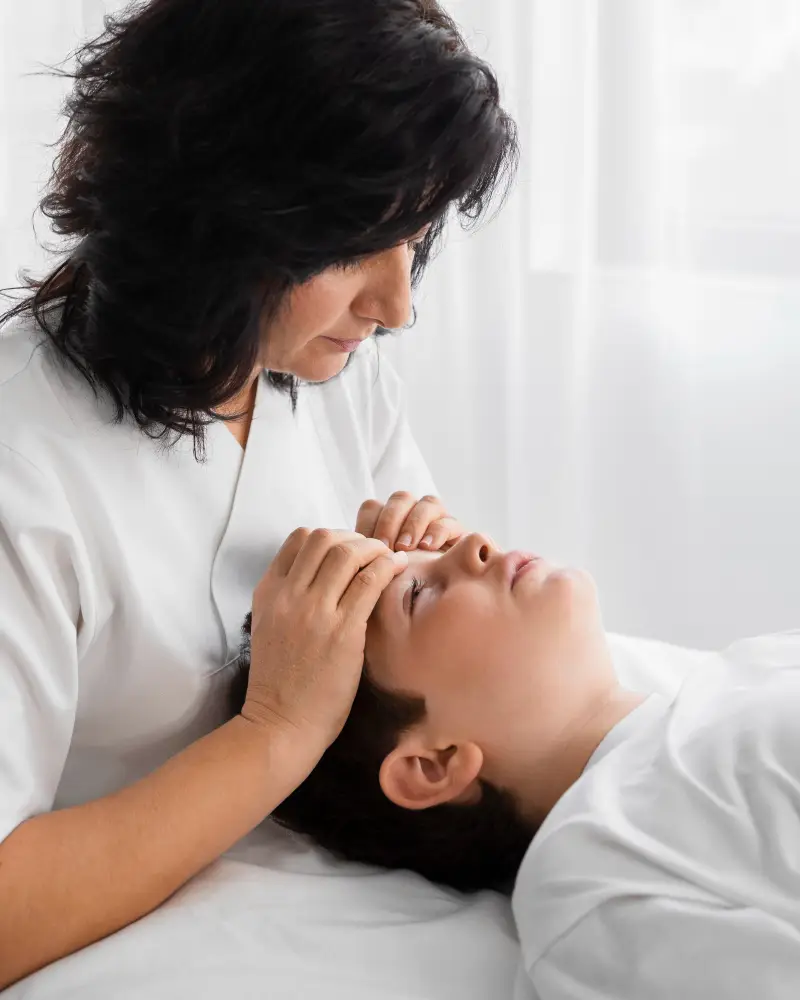
session image

Who Benefits from Neurofeedback and Brain Mapping?

Support for individuals wanting brain based tools for healing, performance, and stability

This service is helpful for anyone with persistent symptoms tied to brainwave dysregulation.

Individuals in Addiction Recovery

Individuals in Addiction Recovery

Helps rebuild stability during early and long term recovery

People With Trauma, PTSD, or Chronic Stress

People With Trauma, PTSD, or Chronic Stress

Strengthens the brain's capacity for safety and resilience

Clients With Anxiety, Depression, or Mood Instability

Clients With Anxiety, Depression, or Mood Instability

Helps regulate patterns linked to emotional reactivity

Individuals With ADHD or Focus Challenges

Individuals With ADHD or Focus Challenges

Supports productivity, organization, and cognitive control.

Anyone Seeking Optimal Brain Health

Anyone Seeking Optimal Brain Health

Useful for emotional balance, sleep, memory, and overall wellbeing.

Why TruPaths Highlights Neurofeedback and Brain Mapping

TruPaths highlights these services because the brain plays a central role in recovery, emotion, and behavior. By mapping brainwave patterns and gently training healthier activity, neurofeedback helps individuals reduce cravings, strengthen regulation, and build a more stable foundation for long term healing.

FAQs About Neurofeedback and Brain Mapping

No. Sensors only measure brainwaves and provide feedback. Nothing enters the body.
Yes. Neurofeedback helps regulate brain patterns linked to cravings, stress, and impulsivity, which can support long-term relapse prevention.
The number varies, but most people begin noticing changes after 10-20 sessions, with longer-terms goals often requiring additional sessions.
Yes. Neurofeedback is non-invasive and can be especially helpful for trauma when done gradually and guided by a trained provider.
No. Neurofeedback works best as a complementary tool alongside therapy and, when appropriate, medication.
Coverage varies by provider and plan. Some insurance plans offer partial reimbursement, while others consider it an out-of-pocket service.

Find Recovery Options Offering Neurofeedback and Brain Mapping

Your brain can be trained to heal. Neurofeedback and Brain Mapping offer science based tools that support recovery, reduce cravings, and strengthen long term resilience.

About TruPath's Recommendations

Recommendations are based on your location and recovery needs, including the programs you've explored, the services you've saved, and the filters you've used. We use this information to highlight similar treatment options so you never miss a trusted path forward.

Tru AI
expand minimize
close
send