Simple and science backed techniques that strengthen the vagus nerve, calm the nervous system, and build resilience against stress and trauma.
A snapshot of who this therapy is for and how it works
Trauma recovery, anxiety, depression, chronic stress, burnout, emotional regulation, relapse prevention
Individual, group, or integrated into therapy. In person, virtual, or at home
Daily practice recommended. Sessions range from 5 to 30 minutes
Short to medium term, typically 12 to 20 sessions depending on needs
Polyvagal Informed Therapy, Somatic Experiencing, yoga, mindfulness, Dialectical Behavior Therapy skills, breathwork
Grounded in Polyvagal Theory and supported by neuroscience and trauma research
Polyvagal Exercises and Vagal Toning Practices are techniques designed to activate the vagus nerve and shift the autonomic nervous system toward ventral vagal activation, the state of calm, safety, and social engagement.
These practices can be used in therapy sessions or practiced independently throughout the day. They help regulate stress, release tension, and support trauma recovery by giving the body reliable ways to return to balance.
Nervous system regulation for trauma-informed recovery
Activate parasympathetic pathways that calms the body.
Provide regulation tools during processing work.
Reduce reactivity and strengthen resilience.
Encourage co regulation and safe connection with others
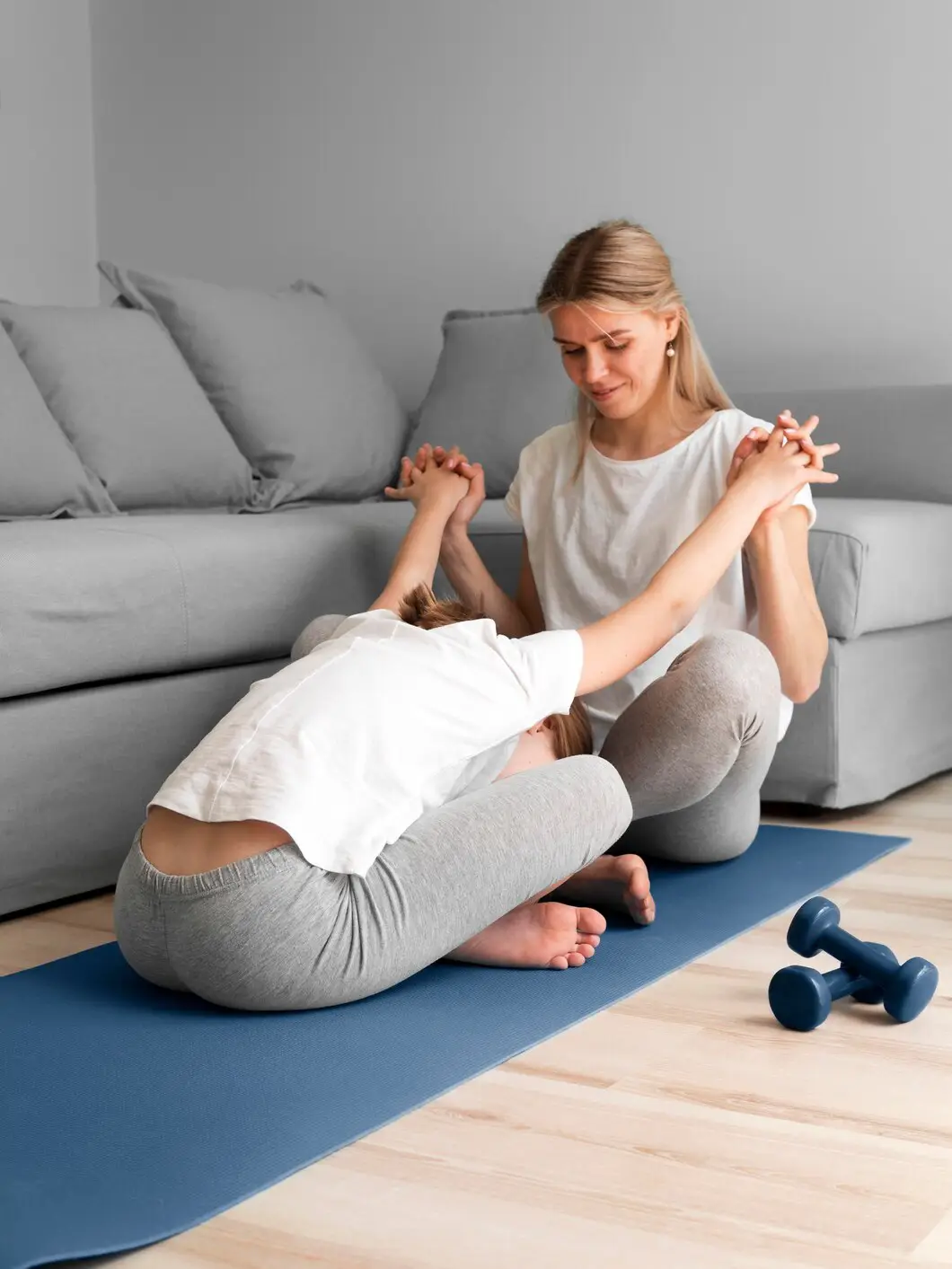
Polyvagal exercises are gentle, adaptable, and suitable for all ages and abilities. Practice may include:
Slow diaphragmatic breathing, extended exhales, or box breathing to activate calm.
Splashing cool water on the face or brief cold showers to activate vagal tone.
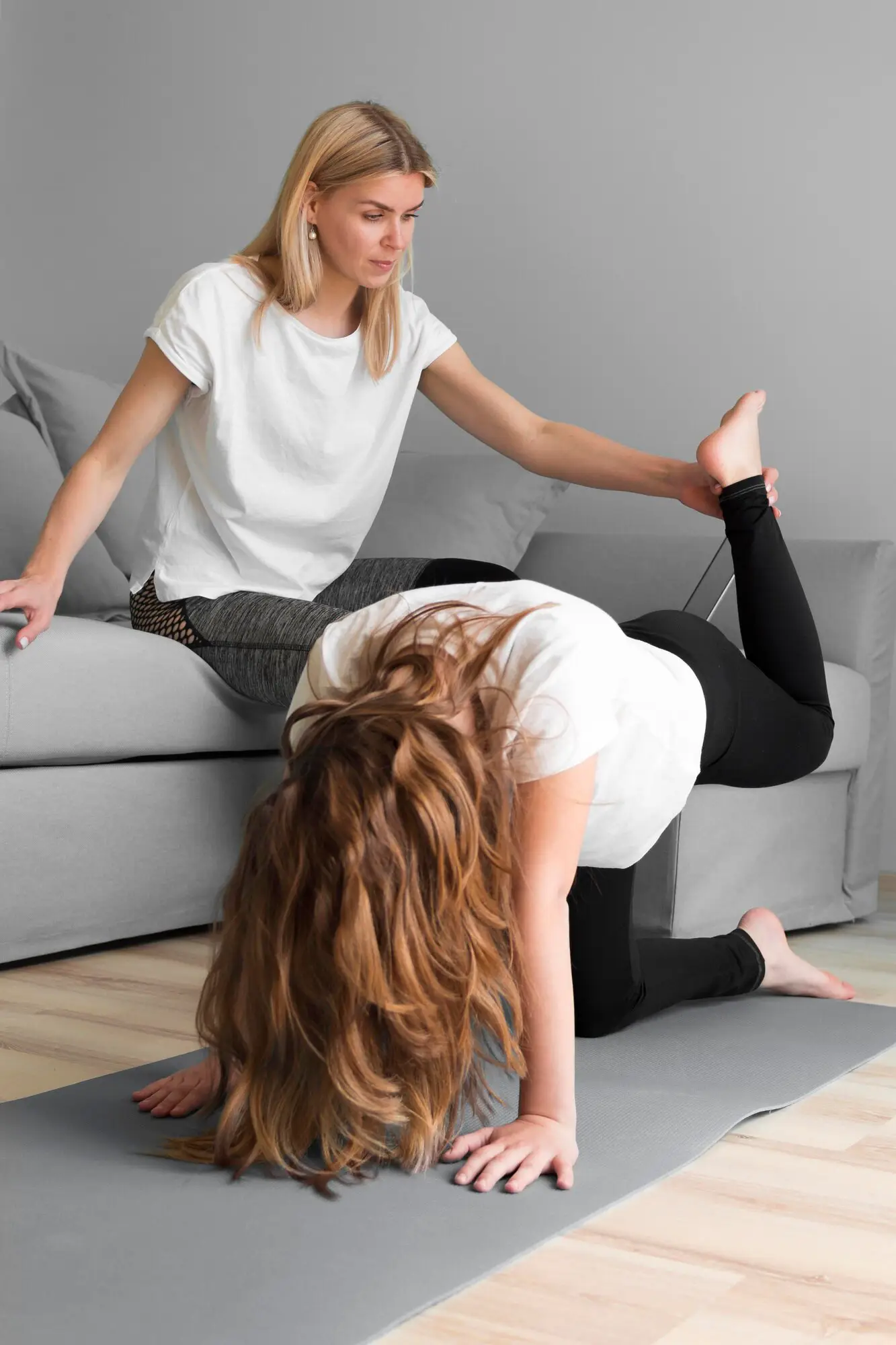
Shaking, stretching, grounding, or gentle movement to restore bodily safety.
Guided imagery and body scans to build awareness of nervous system shifts.
Breathing together, synchronized movement, or safe touch to build connection.
These practices support anyone who needs consistent, accessible ways to reduce stress and regulate their body.
Support for stabilizing the nervous system after overwhelming experiences
Tools that interrupt panic, worry, or low mood through body based regulation
Daily exercises for calming the system taxed by ongoing demands
Practices that build shared rhythms of safety and connection
Simple routines that strengthen vagal tone and emotional flexibility
TruPaths highlights these practices because healing is supported by daily regulation. When individuals have simple, accessible tools to calm their body, they become more resilient, more present, and better equipped to engage in deeper recovery work.
Safety can be practiced every day. Polyvagal exercises strengthen the nervous system, calm stress, and build resilience in and out of therapy.
Recommendations are based on your location and recovery needs, including the programs you've explored, the services you've saved, and the filters you've used. We use this information to highlight similar treatment options so you never miss a trusted path forward.