Rhythm Based Therapies

An expressive, body centered approach that uses rhythm, drumming, and movement to support emotional regulation, trauma healing, and recovery.

Quick Overview

A snapshot of who this therapy is for and how it works

Best for

People in recovery, trauma survivors, individuals with anxiety, depression, post traumatic stress disorder, or difficulty expressing emotions verbally

Session format

Individual or group sessions. In person with drums or percussion instruments

Typical cadence

Weekly or biweekly. Short term of 6 to 12 sessions or ongoing

Duration

45 to 90 minutes

Often combined with

Music therapy, somatic therapy, mindfulness, dance or movement therapy, trauma informed care

Evidence base

Grounded in neuroscience, trauma research, and expressive arts therapies
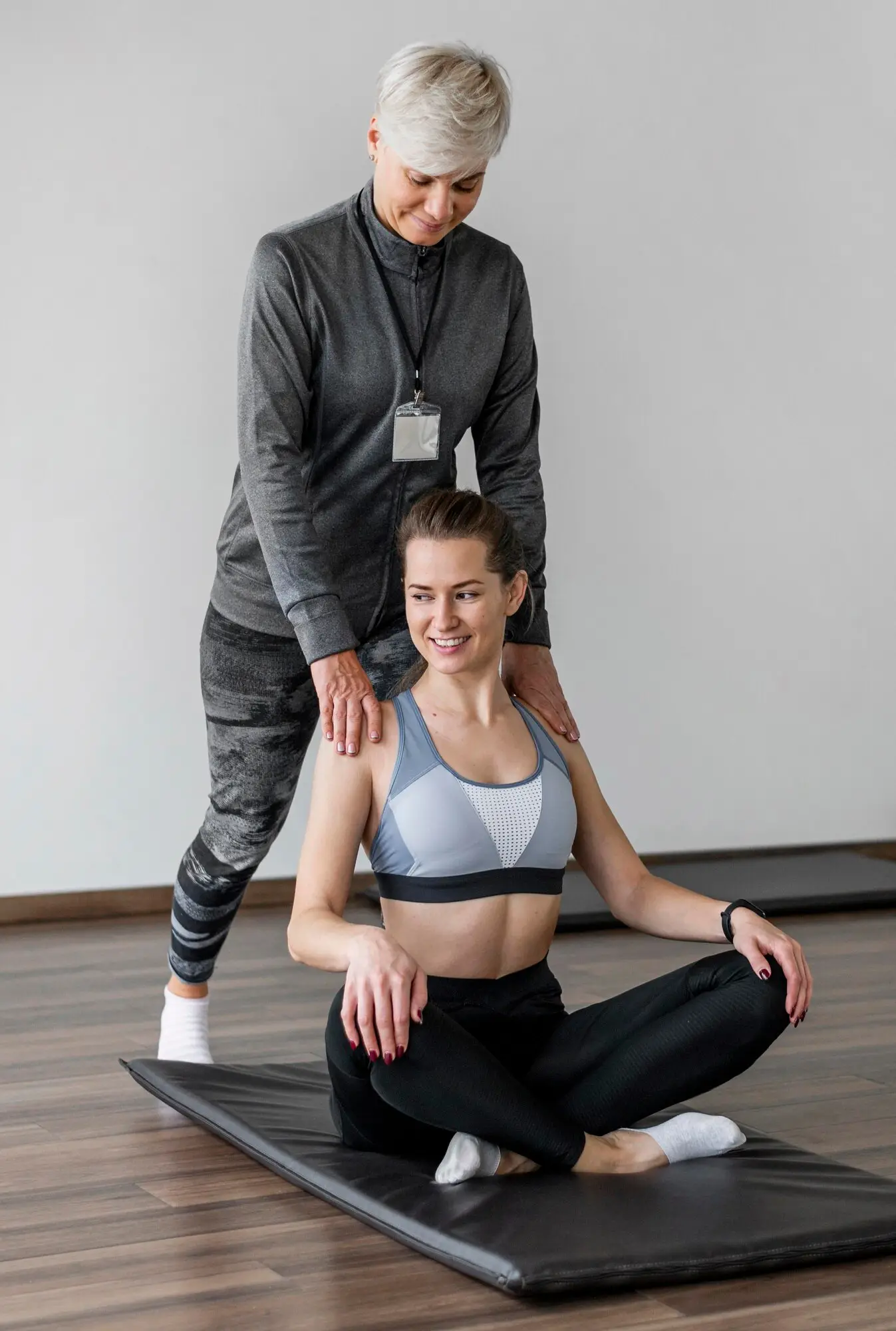
overview-figure

What Are Rhythm Based Therapies?

Rhythm Based Therapies use drumming, percussion, and rhythmic movement to regulate the nervous system, reduce stress, and promote emotional expression. These approaches offer accessible, embodied pathways for healing, especially when words feel insufficient.

Key forms include:

Drumming Therapy

Group or individual drumming to build focus, reduce stress, and foster connection

Trauma Informed Work

Repetitive, steady beats that calm the brain and body after trauma.

Community Rhythm

Shared rhythmic experiences that support belonging and peer connection.

Expressive Rhythm

Combining movement, sound, and rhythm for nonverbal emotional processing

How Rhythm Based Therapies Support Recovery

Supports trauma healing through steady rhythms that calm hyperarousal or dissociation

Mind Body Regulation

Mind Body Regulation

Regulates the nervous system by synchronizing brain and body

Stress & Craving Relief

Stress & Craving Relief

Reduces cravings and stress by providing a safe outlet for emotional release

Rhythmic Connection

Rhythmic Connection

Improves connection through group drumming and shared rhythmic experiences

Mood Enhancement

Mood Enhancement

Enhances mood through endorphin release and embodied expression

What to Expect in Sessions

Using rhythm, movement, and regulation to support nervous system healing:

Introduction

Learning simple drumming or rhythm patterns

Participation

Engaging in guided drumming, movement, or rhythmic exercises

Emotional Expression

Using rhythm to process and release feelings in a safe format

Community Connection

Sharing rhythms in group circles to build belonging and mutual support

Integration

Reflecting on how rhythm tools can support daily recovery and emotional regulation

session image

Who Benefits from Rhythm Based Therapies?

Support for individuals seeking expressive, body based tools for healing

This therapy is ideal for people who thrive with movement, creativity, and nonverbal emotional processing.

Individuals in Addiction Recovery

Individuals in Addiction Recovery

Provides expressive outlets that help regulate cravings and reduce tension.

Survivors of Trauma or Abuse

Survivors of Trauma or Abuse

 Provides safe, nonverbal ways to process overwhelming emotions.

Adolescents and Young Adults

Adolescents and Young Adults

 Engages clients who respond well to creative, movement based interventions.

People With Anxiety, Depression, or Stress Disorders

People With Anxiety, Depression, or Stress Disorders

 Encourages physical release from tension and emotional buildup.

Anyone Seeking Embodied Healing Practices

Anyone Seeking Embodied Healing Practices

 Offers accessible tools for regulation, grounding, and emotional connection.

Why TruPaths Highlights Rhythm Based Therapies

TruPaths highlights this therapy because healing is not only verbal. Rhythm accesses parts of the brain and body that talk therapy does not reach. Through movement, sound, and shared experience, rhythm based therapies regulate the nervous system, foster connection, and strengthen recovery in powerful, accessible ways.

FAQs About Rhythm Based Therapies

No. Anyone can participate. The focus is on rhythm, not performance.
Yes. Sessions are designed to be gentle, choice-based, and focused on safety, regulation, and nervous-system awareness.
No. Participation can be individual, small-group, or even movement- or listening-based—drumming is optional.
Yes. Rhythm-based therapies can be adapted safely for children and teens based on age and developmental needs.
No. It is a supportive or complementary approach, not a replacement for licensed mental health treatment.
Coverage varies. Some programs may be included under therapy services, but many are self-pay—check with your provider.

Find Recovery Options Offering Rhythm Based Therapies

Healing is in the beat. Rhythm Based Therapies provide safe, expressive, and regulating tools that strengthen recovery and emotional wellness.

About TruPath's Recommendations

Recommendations are based on your location and recovery needs, including the programs you've explored, the services you've saved, and the filters you've used. We use this information to highlight similar treatment options so you never miss a trusted path forward.

Tru AI
expand minimize
close
send