Grounding Techniques

Simple, practical tools that help individuals anchor in the present moment, reducing anxiety, flashbacks, cravings, and emotional overwhelm.

Quick Overview

A snapshot of who this therapy is for and how it works

Best for

Trauma recovery, PTSD, anxiety, panic attacks, dissociation, addiction cravings, emotional regulation

Session format

Individual or group. In person or virtual. Can also be self guided

Typical cadence

Practiced as needed. Often taught in one or two sessions and reinforced in therapy

Duration

Five to thirty minutes per practice

Often combined with

Safety planning, DBT, CBT, somatic therapy, polyvagal practices, mindfulness

Evidence base

Supported by trauma therapy and mindfulness research for stabilizing the nervous system and reducing distress
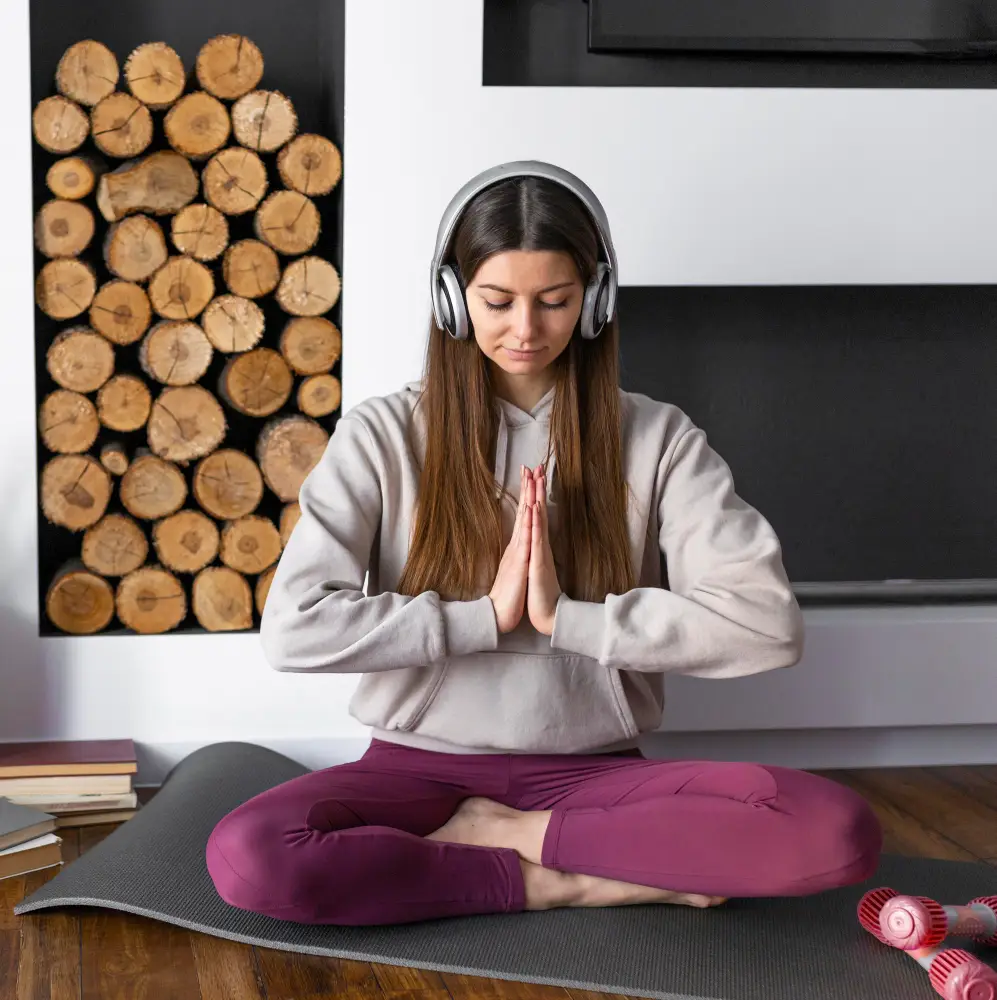
overview-figure

What Are Grounding Techniques?

Grounding techniques are coping tools designed to shift focus from distressing thoughts, emotions, or memories to the present moment. They are especially effective for reducing flashbacks, anxiety spikes, dissociation, and cravings, while helping the body return to a state of calm.

Types of Grounding Techniques

Sensory Grounding

Holding an object and noticing texture, temperature, and detail

Mental Grounding

Naming categories such as animals, foods, or cities

Physical Grounding

Stretching or doing gentle movement

Breath Based Grounding

Diaphragmatic breathing with one hand on the belly

How Grounding Techniques Support Recovery

Reconnecting Mind and Body to Restore Safety and Balance

Restoring Nervous System Safety

Restoring Nervous System Safety

Restore safety by shifting the body out of fight, flight, or freeze

Interrupting Cravings and Urges

Interrupting Cravings and Urges

Manage cravings by interrupting urges with present moment focus

Reconnecting Mind and Body

Reconnecting Mind and Body

Reduce dissociation by reconnecting the mind with the body

Stabilizing Trauma Recovery

Stabilizing Trauma Recovery

Support trauma processing by providing stability during therapy

What to Expect in Sessions

Gentle Techniques Designed to Regulate the Nervous System:

Grounding Basics

Education about grounding and its role in nervous system regulation

Technique Practice

Practice with multiple grounding methods to identify what feels most effective

Personal Toolkit

Building a personalized grounding toolkit for daily use

Safety Integration

Integrating grounding into safety planning and relapse prevention

Habit Formation

Reinforcement over time until grounding becomes a natural response

session image

Who Benefits from Grounding Techniques?

Support for anyone needing immediate tools to reduce distress and return to the present

Grounding is helpful for individuals who experience overwhelm, panic, trauma triggers, or emotional instability.

Individuals with Trauma History or PTSD

Individuals with Trauma History or PTSD

Provide tools for reducing flashbacks and reconnecting with the present

People with Anxiety or Panic Disorders

People with Anxiety or Panic Disorders

Reduce intensity of panic or fear responses

Survivors of Medical Trauma or Grief

Survivors of Medical Trauma or Grief

Support emotional stability during difficult memories

Clients in Addiction Recovery

Clients in Addiction Recovery

Offer immediate tools for riding out cravings safely

Individuals Experiencing Dissociation or Numbness

Individuals Experiencing Dissociation or Numbness

Create gentle reconnection with the body

Why TruPaths Highlights Grounding Techniques

TruPaths highlights grounding because it is one of the most accessible and effective tools for emotional stabilization. Grounding can be practiced anywhere and helps individuals feel safe, present, and capable during moments of distress.

FAQs About Grounding Techniques

Many provide relief within minutes by calming the body and focusing the mind.
No. Grounding focuses on reconnecting with the present moment, while meditation often involves sustained inward attention and reflection.
No. Most grounding techniques use your senses, breath, or simple action—nothing extra required.
Yes. Many grounding exercise are simple, safe, and especially helpful for kids and teens during stress.
It can help reduce intensity and bring calm, but it may not fully stop every panic attack for everyone.
No. Grounding work best as a supportive tool alongside therapy, not as a replacement.

Find Recovery Options Offerings Grounding Techniques

You do not need to wait for the storm to pass. Grounding provides a path to safety and steadiness in the middle of difficult moments.

About TruPath's Recommendations

Recommendations are based on your location and recovery needs, including the programs you've explored, the services you've saved, and the filters you've used. We use this information to highlight similar treatment options so you never miss a trusted path forward.

Tru AI
expand minimize
close
send