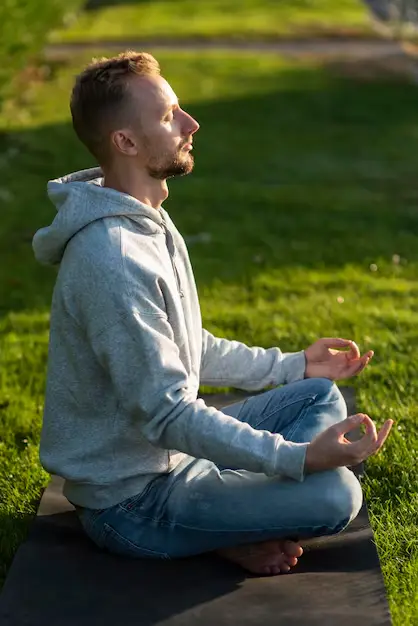
Mindfulness and Breathwork

A healing practice that combines mindful awareness with intentional breathing to calm the nervous system, reduce stress, and support emotional balance in recovery.

Quick Overview

A snapshot of who this therapy is for and how it works

Best for

Stress, anxiety, depression, trauma recovery, addiction recovery, chronic pain, burnout.

Session format

Individual, group, or virtual. Guided by a therapist, coach, or facilitator

Typical cadence

Weekly sessions or integrated into daily routines

Duration

Thirty to Seventy five minutes depending on the format

Often combined with

Mindfulness Based Stress Reduction, somatic therapy, polyvagal exercises, ACT, DBT, yoga, meditation

Evidence base

Supported by neuroscience and trauma research for regulating stress and improving wellbeing

overview-figure

What Is Mindfulness and Breathwork?

Mindfulness and Breathwork integrate awareness and intentional breathing to regulate the nervous system and support emotional wellbeing. Mindfulness encourages observing thoughts, sensations, and emotions without judgment. Breathwork uses specific breathing patterns to calm, balance, or energize the nervous system. Together, they help individuals reduce stress, regulate emotions, and cultivate inner steadiness during recovery.

How Mindfulness and Breathwork Support Recovery

Evidence-Based Techniques for Emotional Regulation and Resilience

Nervous System Calm

Nervous System Calm

Calm the nervous system by activating relaxation and reducing anxiety

Emotional Regulation

Emotional Regulation

Improve emotional regulation through awareness without reactivity

Trauma Healing

Trauma Healing

Support trauma healing by creating safety and grounding

Focus and Clarity

Focus and Clarity

Enhance focus and mental clarity to support recovery routines

What to Expect in Sessions

Evidence Based Practices for Emotional and Physiological Regulation:

Grounding Basics

Guided mindfulness meditations that focus on breath, body, or emotions

Technique Practice

Breathwork practices such as diaphragmatic breathing, box breathing, alternate nostril breathing, or coherent breathing

Personal Toolkit

Grounding strategies that use breath to return to safety in the present

Safety Integration

Reflection through journaling or discussion about how the practices support recovery

Habit Formation

Daily tools to use during stress, cravings, or emotional overwhelm

session image

Who Benefits from Mindfulness and Breathwork

Support for anyone seeking calm, balance, and emotional resilience

These practices help people strengthen awareness, reduce distress, and reconnect with their body during recovery

Survivors of Trauma or PTSD

Survivors of Trauma or PTSD

 Offer grounding and stabilization during emotional overwhelm

Individuals in Addiction Recovery

Individuals in Addiction Recovery

Provide immediately tools for cravings, urges, and emotional triggers

Anyone Seeking Practical Self Regulation Tools

Anyone Seeking Practical Self Regulation Tools

Support emotional stability during difficult memories

People with anxiety, Depression, or Chronic Stress

People with anxiety, Depression, or Chronic Stress

Help release tension and reduce cycles of worry or ruminations

Clients With Chronic Pain or Somatic Symptoms

Clients With Chronic Pain or Somatic Symptoms

Increase mine body connection and relaxation

Why TruPaths Highlights Mindfulness and Breathwork

TruPaths highlights these practices because they are accessible, effective, and easy to integrate into daily routines. Mindfulness and Breathwork provide foundational skills for calming the nervous system, strengthening emotional stability, and supporting recovery in real life settings.

FAQs About Mindfulness and Breathwork

No. These practices are beginner friendly and can be adapted for all experience levels.
Yes. Deep breathing can release stored emotions, which is normal and usually temporary.
They can be, especially when practiced gently or with guidance from a trained professional.
Yes. They help slow reactions, increase awareness, and reduce the intensity of urges.
That's common. Mindfulness is about noticing distraction, not eliminating it.
Sometimes. Coverage depends on your provider and whether it’s part of a clinical treatment plan.

Find Recovery Options Offering Mindfulness and Breathwork

Every breath is an opportunity to reset. Mindfulness and Breathwork help individuals calm stress, strengthen resilience, and support healing throughout recovery.

About TruPath's Recommendations

Recommendations are based on your location and recovery needs, including the programs you've explored, the services you've saved, and the filters you've used. We use this information to highlight similar treatment options so you never miss a trusted path forward.

Tru AI
expand minimize
close
send