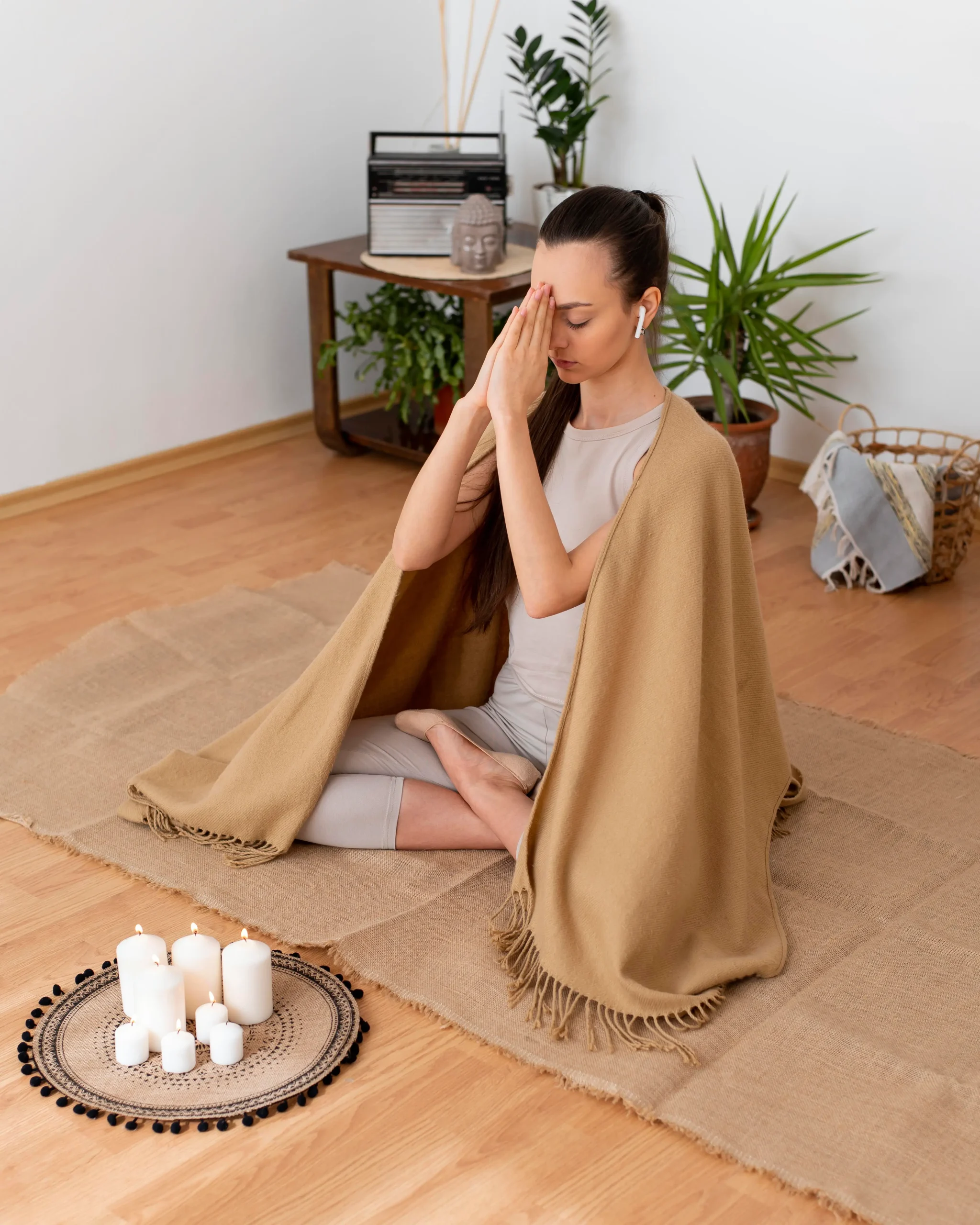
Distraction and Soothing Skills

Healthy coping tools that help individuals redirect focus, calm emotions, and manage cravings or distress without harmful behaviors.

Quick Overview

A snapshot of who this skill set supports and how it works

Best for

Addiction recovery, trauma, PTSD, anxiety, depression, emotional regulation, relapse prevention

Session format

Individual or group. In person or virtual. Can also be practiced independently

Typical cadence

Introduced in therapy. Practiced daily or as needed

Duration

Five to thirty minutes per practice

Often combined with

Safety planning, DBT distress tolerance, CBT, mindfulness, somatic therapy

Evidence base

Supported by behavioral therapy research, relapse prevention models, and emotional regulation science

overview-figure

What Are Distraction and Soothing Skills?

Distraction and Soothing Skills are practical tools used to manage overwhelming emotions, trauma reminders, cravings, or distress.

Distraction skills

Distraction Skills help shift attention away from immediate distress until emotions reduce in intensity.

 Soothing skills

Soothing Skills bring comfort and stability to the nervous system, creating a sense of calm and safety.

How Distraction and Soothing Skills Support Recovery

Healthy Ways to Ease Distress and Regain Emotional Balance

Craving Reduction

Craving Reduction

Reduce cravings by offering safe alternatives during moments of temptation

Anxiety & Mood Relief

Anxiety & Mood Relief

Calm anxiety and depressive symptoms by interrupting rumination

Impulse Control

Impulse Control

Prevent impulsive or harmful actions by creating space between urge and action

Emotional Resilience

Emotional Resilience

Build emotional resilience through consistent self care practices

What to Expect in Sessions

Learning Comforting Techniques to Reduce Distress and Restore Balance:

Trigger Awareness

Identifying common triggers and early warning signs

Skill Exploration

Exploring which distraction and soothing tools feel natural and effective

Personal Coping Toolkit

 Building a personalized coping toolbox for daily use

Guided Practice

Practicing skills in session through guided relaxation or role play

Safety & Relapse Planning

Integrating these tools into safety planning and relapse prevention strategies

session image

Who Benefits from Distraction and Soothing Skills?

Practical tools for anyone needing safe ways to manage emotional overwhelm

These skills are especially helpful for individuals seeking healthy alternatives during stressful or triggering moments.

Individuals in Addiction Recovery

Individuals in Addiction Recovery

Provide substitutes for substance use during cravings

Survivors of Trauma or PTSD

Survivors of Trauma or PTSD

Offer grounding tools during flashbacks or intrusive memories

People with Anxiety or Depression

People with Anxiety or Depression

Support emotional stability during difficult memories

Clients Using DBT or Similar Skills Based Therapies

Clients Using DBT or Similar Skills Based Therapies

Enhance distress tolerance and coping routines

Individuals Facing High Stress or Emotional Instability

Individuals Facing High Stress or Emotional Instability

Provide options for immediate relief and grounding

Why TruPaths Highlights Distraction and Soothing Skills

TruPaths highlights these skills because they are practical, adaptable, and effective in the moment. Distraction and Soothing Skills empower individuals to regulate emotions, reduce harm, and stay grounded on their recovery journey.

FAQs About Distraction and Soothing Skills

No. These skills help manage distress temporarily until emotions soften. Avoidance prevents long term healing, while distraction and soothing create safe space for resilience.
Yes. Distraction and soothing techniques are simple, safe, and effective for all ages.
It’s possible. These skills are best used to manage distress, not avoid important emotions long-term.
No. Most techniques use everyday activities, senses, or simple comforts.
No. They support emotional regulation but work best alongside therapy.
Try a few and notice what helps you feel calmer and more grounded.

Find Recovery Options Offering Distraction and Soothing Skills

Coping does not mean avoiding. It means choosing safe, supportive tools that help you stay grounded and resilient in difficult moments.

About TruPath's Recommendations

Recommendations are based on your location and recovery needs, including the programs you've explored, the services you've saved, and the filters you've used. We use this information to highlight similar treatment options so you never miss a trusted path forward.

Tru AI
expand minimize
close
send