Occupational Support

A recovery informed service that helps individuals succeed in the workplace by balancing professional demands, mental health, and long term wellness.

Quick Overview

A snapshot of who this therapy is for and how it works

Best for

Individuals in recovery, professionals managing stress or burnout, people re entering the workforce after treatment, employees with mental health or medical needs

Session format

Individual or group. In person or virtual

Typical cadence

Weekly, biweekly, or as needed check ins

Session length

45 to 75 minutes

Often combined with

Vocational coaching, executive function coaching, career counselling, recovery coaching, therapy

Evidence base

Draws on occupational therapy, workplace wellness, and recovery research

overview-figure

What Is Occupational Support?

Occupational Support is more than job readiness or career planning. It focuses on helping individuals manage the daily demands of the workplace while protecting recovery, mental health, and overall wellbeing.

Common areas of support include:

Workplace Adjustment

Returning to work after treatment, medical leave, or a major life event.

Stress Managment

Tools for handling professional pressure while maintaining recovery stability.

Workplace Resilience

Strategies for handling conflict, stigma, or recovery related challenges at work.

Work Life Balance

 Support creating routines that protect sleep, wellbeing, and sobriety.

How Occupational Support Helps in Recovery

Helping Individuals Regain Confidence in Daily Life

Prevents Burnout

Prevents Burnout

Teaches stress management, boundaries, and realistic pacing

Reduce relapse risk

Reduce relapse risk

Identifies workplace triggers and supports coping plans

Supports advocacy

Supports advocacy

Helps clients understand rights and navigate workplace

Builds confidence

Builds confidence

Encourages growth, professionalism, and self belief

What to Expect in Sessions

A Structured, Goal-Oriented Approach to Daily Functioning. They may include:

Assessment and Goal Setting

Reviewing work history, current challenges, and short and long term goals.

Planning and Structure

Developing a return to work plan or stress management plan.

Skill Building

Practicing communication, boundary setting, and problem solving strategies

Support Strategies

Identifying triggers, relapse risks, and coping tools for work environments

Integration and Follow Up

Building sustainable routines and monitoring progress over time.

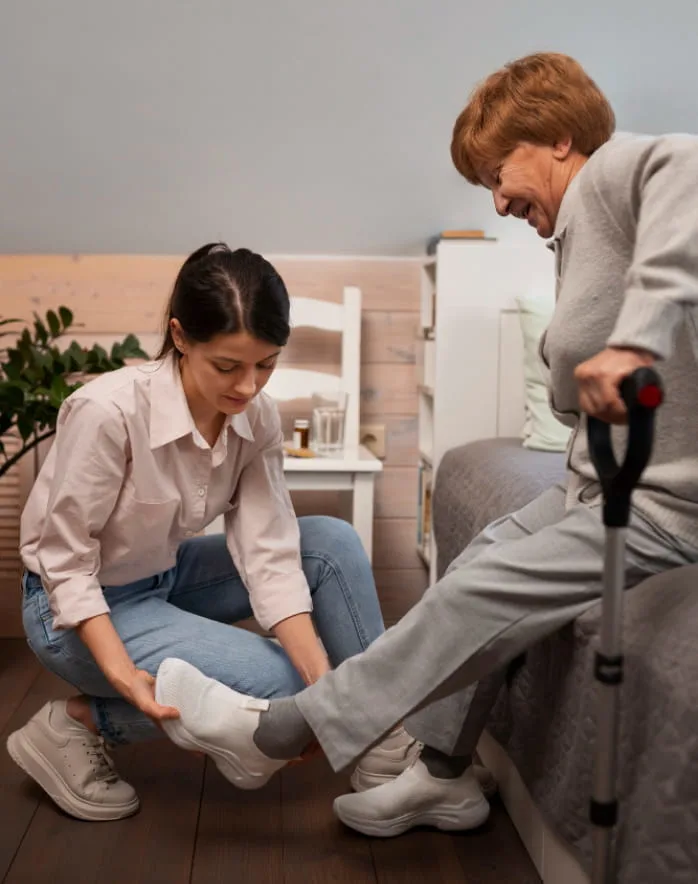
session image

Who Benefits from Occupational Support?

Support for professionals balancing career demands with recovery and wellness

This service is valuable for anyone navigating the intersection of work, mental health, and healing

Professionals Returning After Treatment or Leave

Professionals Returning After Treatment or Leave

Guidance for pacing, expectations, and reintegration

Individuals in Early Recovery

Individuals in Early Recovery

 Provides tools for thriving in high pressure environments.

People With Anxiety, Panic, or Mood Instability

People With Anxiety, Panic, or Mood Instability

Strategies for preventing overwhelm and restoring balance.

Employees With Mental Health or Medical Needs

Employees With Mental Health or Medical Needs

 Helps navigate accommodations, workload adjustments

Anyone Seeking Better Work Life Balance

Anyone Seeking Better Work Life Balance

 Support for creating routines that protect sobriety and wellbeing

Why TruPaths Highlights Occupational Support

TruPaths highlights Occupational Support because workplaces can either reinforce or challenge recovery. With the right structure, skills, and advocacy, individuals can build a professional life that supports, rather than strains, long term healing.

FAQs About Occupational Support

Not exactly. Vocational coaching focuses on employment readiness, while occupational support helps individuals thrive once they are employed.
Yes. Occupational Support helps individuals develop healthier routines, set boundaries, manage workload stress, and improve time management.
Absolutely. Occupational Support is especially helpful for people experiencing burnout, chronic stress, or job-related exhaustion.
No. Occupational Support is beneficial for anyone facing work-related challenges—whether or not they are in recovery.
Occupational Support does not typically provide direct legal or HR representation. However, it may include guidance on workplace rights, communication strategies, and referrals to appropriate legal or HR professionals when needed.
Coverage varies by provider and insurance plan. Some services may be partially covered under mental health or wellness benefits, while others may be self-pay.

Find Recovery Options Offering Occupational Support

Work should strengthen your recovery, not compromise it. Occupational Support helps individuals balance professional demands with wellbeing, resilience, and long term healing.

About TruPath's Recommendations

Recommendations are based on your location and recovery needs, including the programs you've explored, the services you've saved, and the filters you've used. We use this information to highlight similar treatment options so you never miss a trusted path forward.

Tru AI
expand minimize
close
send