Habit Loops and Reward Pathways in Addiction
We approach addiction through a behavioral health and learning lens. Many addictive behaviors are not random or purely will driven. They are learned patterns shaped by repetition, relief, and reinforcement inside the brain’s reward system.
Addiction as a Learned Behavior Cycle
The brain is built to learn from reward and relief. When an action changes internal state in a helpful way, the brain records the sequence and increases the chance it will be repeated.
This learning system is essential for survival, but it can also lock in harmful coping behaviors when they provide fast relief. Addiction often develops when a behavior repeatedly becomes the fastest way to change mood, stress level, or emotional pain. Over time, the pattern becomes automatic.
The Habit Loop Model
Most compulsive behaviors follow a predictable loop. Understanding the loop makes intervention more precise.
Common patterns include:

Cue
An internal or external trigger appears

Behavior
The person uses a substance or performs a behavior

Reward or Relief
Anxiety drops, numbness increases, pleasure rises
Reinforcement
The loop becomes easier to repeat next time
Why Habits Become Compulsions
A habit becomes a compulsion when repetition, reinforcement, and stress combine.
High Emotional Payoff
The behavior rapidly changes distress or mood.
Frequent Repetition
The loop runs often enough to strengthen neural pathways.
Stress and Trauma Load
Stress increases reliance on fast coping tools.
Reduced Regulation Capacity
Emotional and nervous system dysregulation narrow choices.
Environmental Exposure
Easy access increases repetition probability
Why Habits Become Compulsions
A habit becomes a compulsion when repetition, reinforcement, and stress combine. Contributing factors include:

High Emotional Payoff
The behavior rapidly changes distress or mood

Frequent Repetition
The loop runs often enough to strengthen neural pathways

Stress and Trauma Load
Stress increases reliance on fast coping tools

Reduced Regulation Capacity
Emotional and nervous system dysregulation narrow choices

Environmental Exposure
Easy access increases repetition probability

Dopamine and Reinforcement Learning
Dopamine is often misunderstood as a pleasure chemical. Its primary role is reinforcement and motivation signaling. It helps the brain learn what is worth repeating.
When a behavior produces strong reward or relief, dopamine signaling strengthens the neural pathway associated with that behavior.
Over time this leads to:
This is why everyday pleasures may feel dull during addiction, while the addictive behavior feels urgent and compelling.
Signs Habit Loop Focused Support May Help
Behavioral habit support may be beneficial when patterns such as these are present:
Possible indicators include:

Strong trigger based urges
Intense cravings or impulses triggered by specific situations.

Automatic coping behaviors
Habitual responses used without conscious thought.

Difficulty interrupting impulses
Challenges in stopping urges once they start.

Rapid return to use after stress
Quick relapse or return to behavior following stress.

Narrow coping options
Limited strategies to manage emotions or urges.

High cue sensitivity
Strong reactions to environmental or emotional triggers.
Trauma, Stress, and Habit Strength
When distress feels intolerable, the brain prioritizes speed over long term outcome. Fast relief behaviors become more strongly reinforced.
This is why trauma and addiction frequently overlap:
- Distress increases cue frequency
- Urgency increases behavior repetition
- Relief increases reinforcement
- Shame increases repetition cycles

How TruPaths Helps You Find Behavior Focused Recovery Support
We help individuals and families find recovery programs that include behavioral therapies and habit focused treatment models.
This may include:
Behavioral therapy programs
Dual diagnosis treatment
Skills based outpatient care
Structured residential programs
Top Behavioral Health Centers

Above and Beyond Family Recovery
- (67)
- 1-on-1 Counseling
- Cognitive Behavioral Therapy
-
 Insurance Accepted
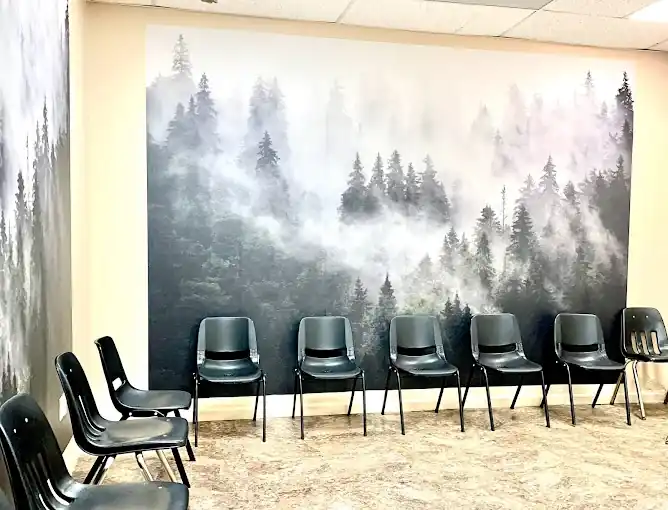
American Habitare and Counseling
- (18)
- 1-on-1 Counseling
- Cognitive Behavioral Therapy
-
Insurance Accepted
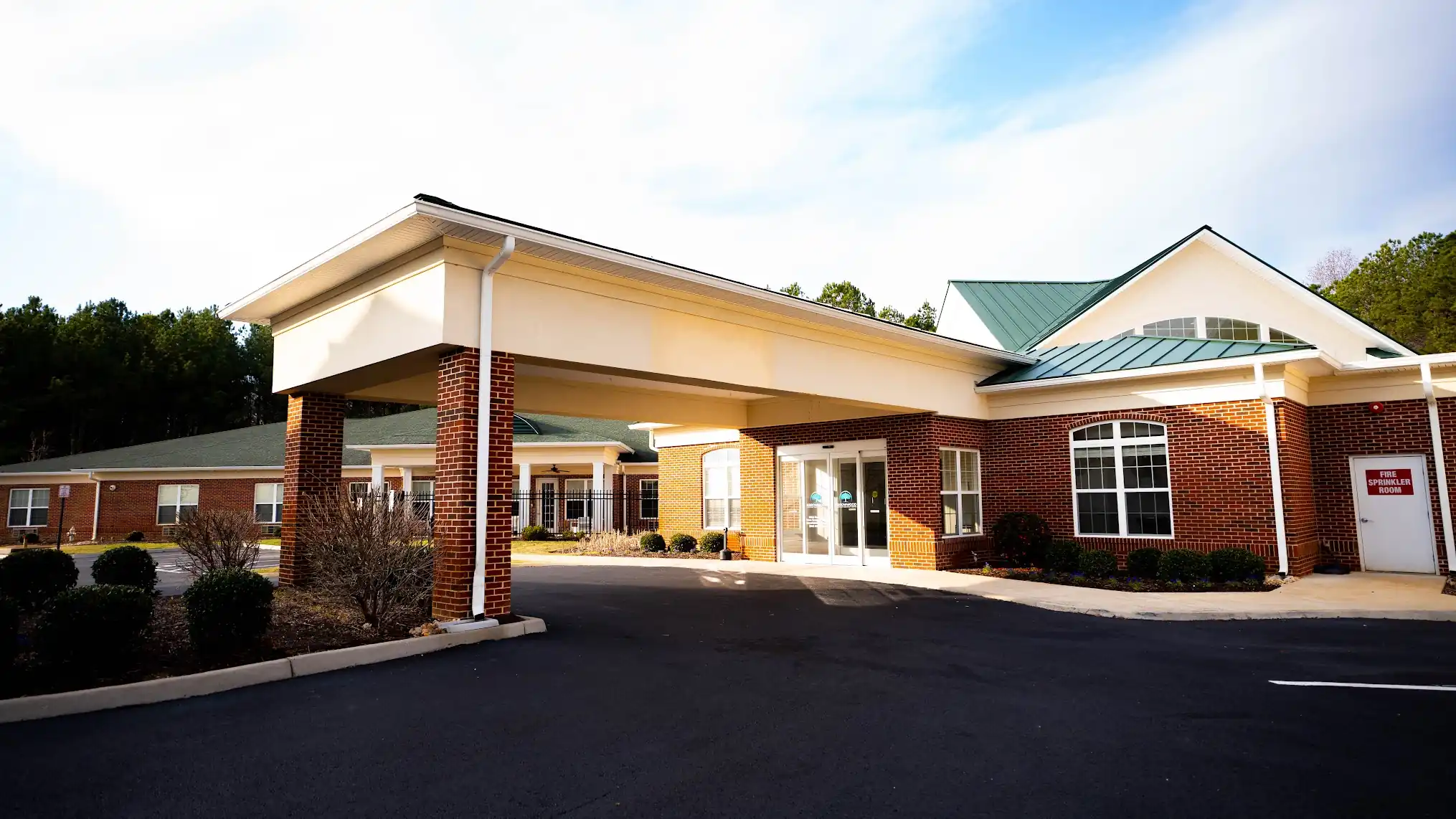
Arrowwood Addiction Treatment Center
- 1-on-1 Counseling
- Cognitive Behavioral Therapy

Casa Capri Recovery
- (70)
- 1-on-1 Counseling
- Animal Therapy
-
Insurance Accepted
About TruPath's Recommendations
Recommendations are based on your location and recovery needs, including the programs you've explored, the services you've saved, and the filters you've used. We use this information to highlight similar treatment options so you never miss a trusted path forward.