Trauma and Behavioral Health
We view trauma through a behavioral health lens. Trauma is not only about what happened. It is about how the nervous system, emotions, and coping patterns adapt in response to overwhelming stress. These adaptations are often protective at first, but over time they can create distress, instability, and increased addiction risk.
Trauma as a Disruption of Regulation
Trauma is best understood as a disruption in the body’s regulation systems. When a person experiences overwhelming threat, loss, or chronic stress without adequate safety or support, the nervous system adapts for survival.
This can shift baseline regulation patterns such as:
Stress response sensitivity
sleep and energy rhythms
Attention and concentration
Relationship safety signals
How Trauma Changes Behavioral Health Patterns
Trauma influences how a person thinks, feels, behaves, and relates. Many patterns that appear irrational from the outside make sense when viewed as survival adaptations.
Common trauma linked behavioral health effects include:

Emotional Patterns
Numbing and detachment and Emotional volatility

Cognitive Patterns
Memory and concentration difficulty

Behavioural Patterns
Compulsive coping behaviors and Difficulty with consistency

Relational Patterns
Attachment instability and Conflict sensitivity
Self Medication and Trauma Related Coping
Many substance use and compulsive behavior patterns begin as self regulation attempts. Substances and behaviors can temporarily change internal state quickly.
Numb emotional pain
Temporarily reduces the intensity of painful emotions or distress.
Increase energy or focus
Creates a short burst of alertness, motivation, or concentration.
Create emotional distance
Helps someone feel detached from overwhelming thoughts.
Provide temporary control
Offers a brief sense of control during emotional chaos or stress.
Generate relief or pleasure
Brings momentary comfort, relief, or a pleasurable sensation.

Trauma Informed Treatment Models
Trauma informed care recognizes that many behavioral health and addiction patterns are rooted in survival responses. Treatment approaches are adjusted to reduce threat and increase safety.

Safety First
Emotional and physical safety and Predictable structure

Regulation Before Exposure
Nervous system regulation and Stabilization skills

Non Shaming Frameworks
Behavior understood in context and Reduced blame language

Body and Mind Integration
Regulation skills training and Mindfulness based methods

Relationship Repair
Attachment focused therapy and Co-regulation support

Why Trauma Support Improves Addiction Outcomes
When trauma is not addressed, relapse risk often stays high because triggers remain active at a nervous system level.
Trauma informed recovery support helps by:
Behavior change becomes more achievable when the system feels safer.
Signs Trauma Focused Care May Be Helpful
Trauma support may be beneficial when patterns such as these are present:
Possible indicators include:

Persistent trauma distress
Trauma history with ongoing distress

Trigger-driven relapse
Relapse linked to emotional triggers

Dissociative episodes
Dissociation or detachment episodes

Avoidance patterns
Avoidance of reminders or situations

Relationship strain
Relationship instability tied to fear

Sleep and hyperarousal
Sleep disruption and hypervigilance
What Families Should Understand About Trauma Patterns
Families often interpret trauma driven behavior as resistance, dishonesty, or lack of effort. In many cases, it reflects nervous system protection patterns.
Helpful family shifts include:
- Understanding survival responses
- Reducing confrontation intensity
- Supporting safety and predictability
- Encouraging regulation skill building

How TruPaths Helps You Find Trauma Informed Support
We help individuals and families identify recovery and behavioral health programs that include trauma informed and regulation focused care models.
This may include:
Trauma informed treatment centers
Somatic and body based therapies
Integrated behavioral health care
Structured levels of care when needed
Top Behavioral Health Centers

Absolute Awakenings
- (240)
- 1-on-1 Counseling with Clinical Psychologist
- Cognitive Behavioral Therapy
-
 Insurance Accepted

ACC Macomb County Mental Health Services
- (8)
- 1-on-1 Counseling
- Cognitive Behavioral Therapy
-
Insurance Accepted

AdCare Outpatient Greenville
- 1-on-1 Counseling
- Cognitive Behavioral Therapy
-
Insurance Accepted
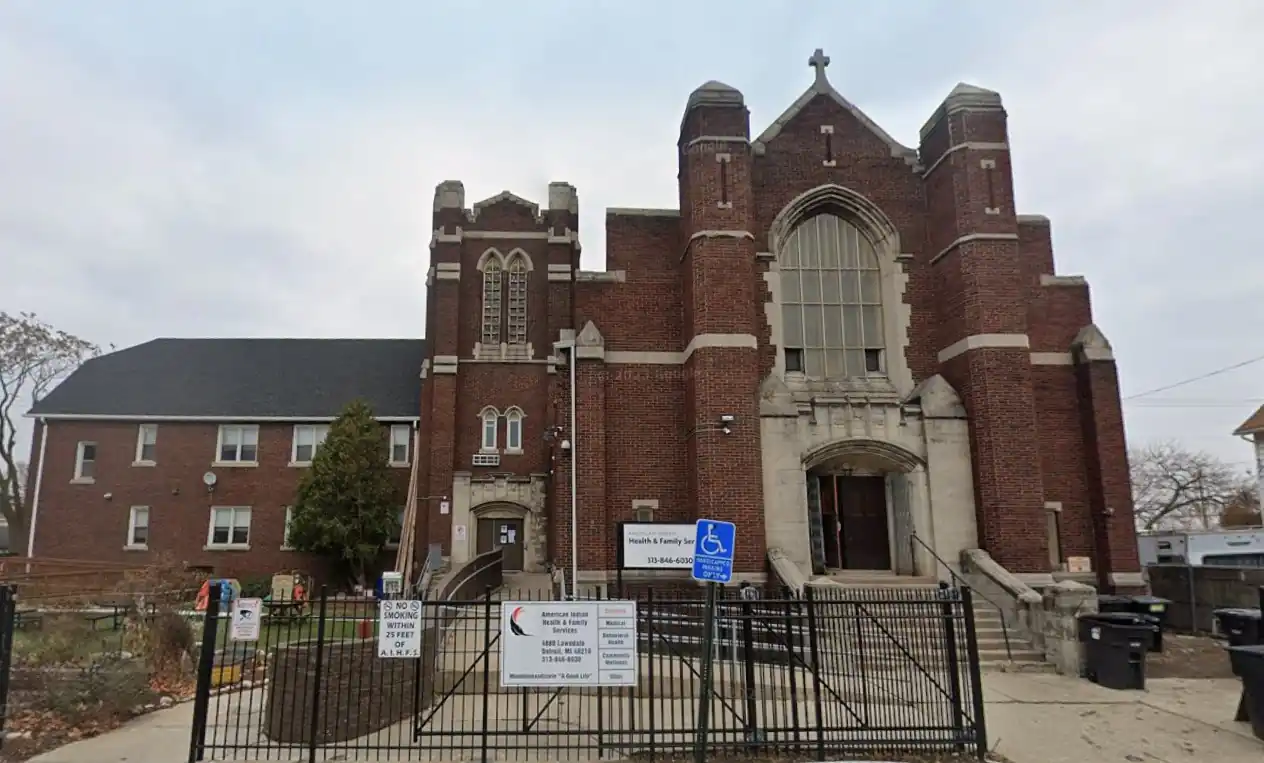
American Indian Health and Family Services
- (27)
- 1-on-1 Counseling
- Couples Counseling
-
Insurance Accepted
About TruPath's Recommendations
Recommendations are based on your location and recovery needs, including the programs you've explored, the services you've saved, and the filters you've used. We use this information to highlight similar treatment options so you never miss a trusted path forward.