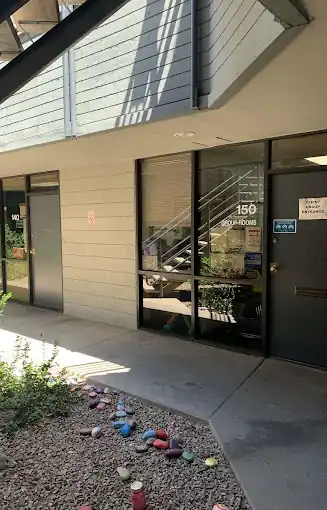
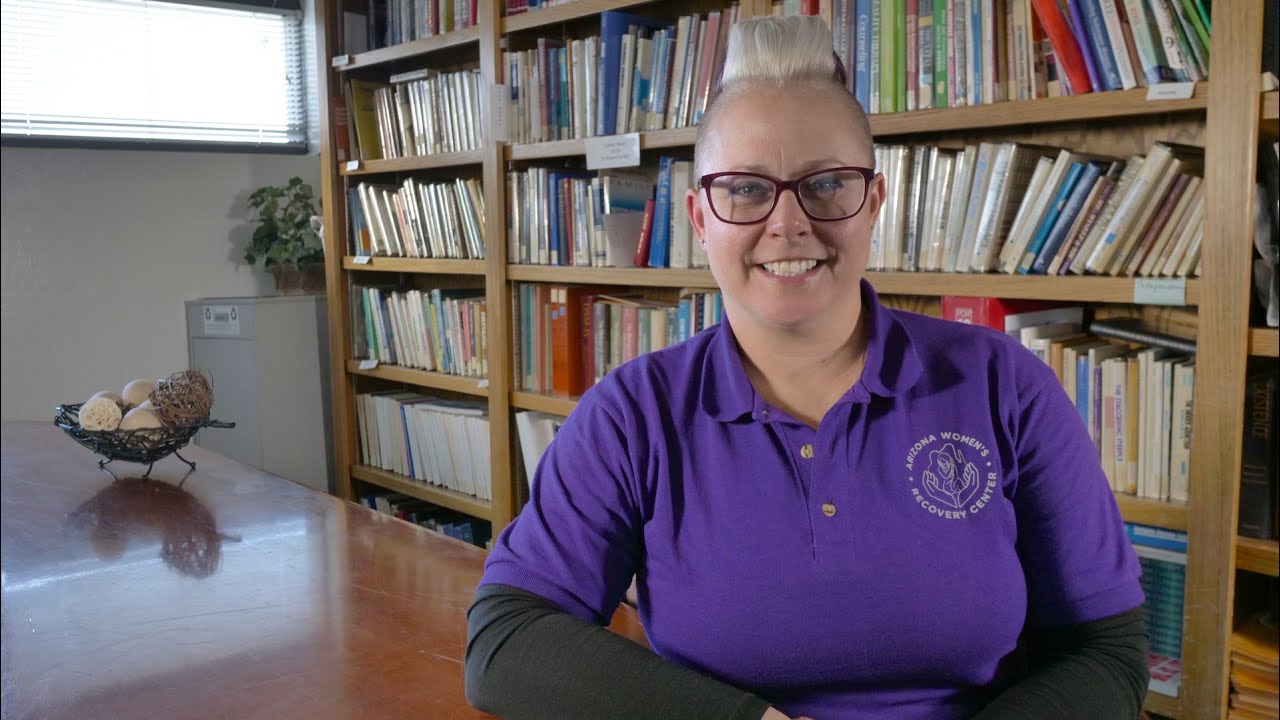
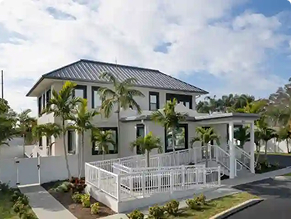
Arizona Women’s Recovery Centers (AWRC) provides comprehensive, women-centered and evidence-based treatment, designed to empower women, pregnant women and women with children who are struggling with addiction and co-occurring mental health disorders. They offer a holistic healing experience with outpatient care tailored for women and their children as they remain unified, residing in structured sober housing. A Safe Place to Build a Strong Foundation AWRC offers several different services for women, with safe and sober therapeutic communities and peer-based programs. They provide supportive housing with treatment tailored for women with children, pregnant women, women involved in the legal system, and single women who are not currently parenting. Women reside in apartment-style living, with each woman or family in their own fully-furnished unit, with access to supportive staff who are on-site 24 hours a day. Staff consist of certified counselors, career counselors, a nurse practitioner, a GED tutor, peer support specialists, and case managers. During treatment, women can receive individual and group therapy, family counseling, job training, educational services, transportation assistance, clothing, and psychiatric and medical services. Build Skills for a Brighter Future AWRC also offers comprehensive career and vocational training, and an on-site thrift store, Sustain, for job training. Women can work at Sustain to get work experience and help build their resume. AWRC supports women with long-term barriers to employment, such as mental illness, trauma, and domestic violence. Their goal is to help them find and maintain employment and advance their careers, fostering economic independence and stable lifestyles. Structured and Supportive Trauma-Informed Care In addition to a structured and supportive living environment, clients at AWRC participate in trauma-informed care in an outpatient setting. Treatment happens in 3 phases: clients on level 1 meet for 3 group meetings per week, with a strong emphasis on addiction education, grief, parenting, 12-Step recovery and relapse prevention. Phase 2 involves 2 group meetings per week, focused on maintaining boundaries and healthy relationships, behavior modification, positive coping skills and creating recovery-based beliefs and values. Phase 3 meets only 1 day per week, offering continued support and strengthening of life and recovery skills. Throughout the program, women can access 1-on-1, group, and family therapy, parenting coaching, dual-diagnosis and psychiatric care, career counseling, and more.
Arizona Women's Recovery Center
4201 N 16th Street Suite 140, Phoenix, AZ 85016Languages
English
Founded In
1960
Occupancy
16-30 beds
Levels of Care
Sober Living, Day Treatment, Intensive Outpatient Program, Outpatient, Co-Occurring Mental Health
About Arizona Women's Recovery Center