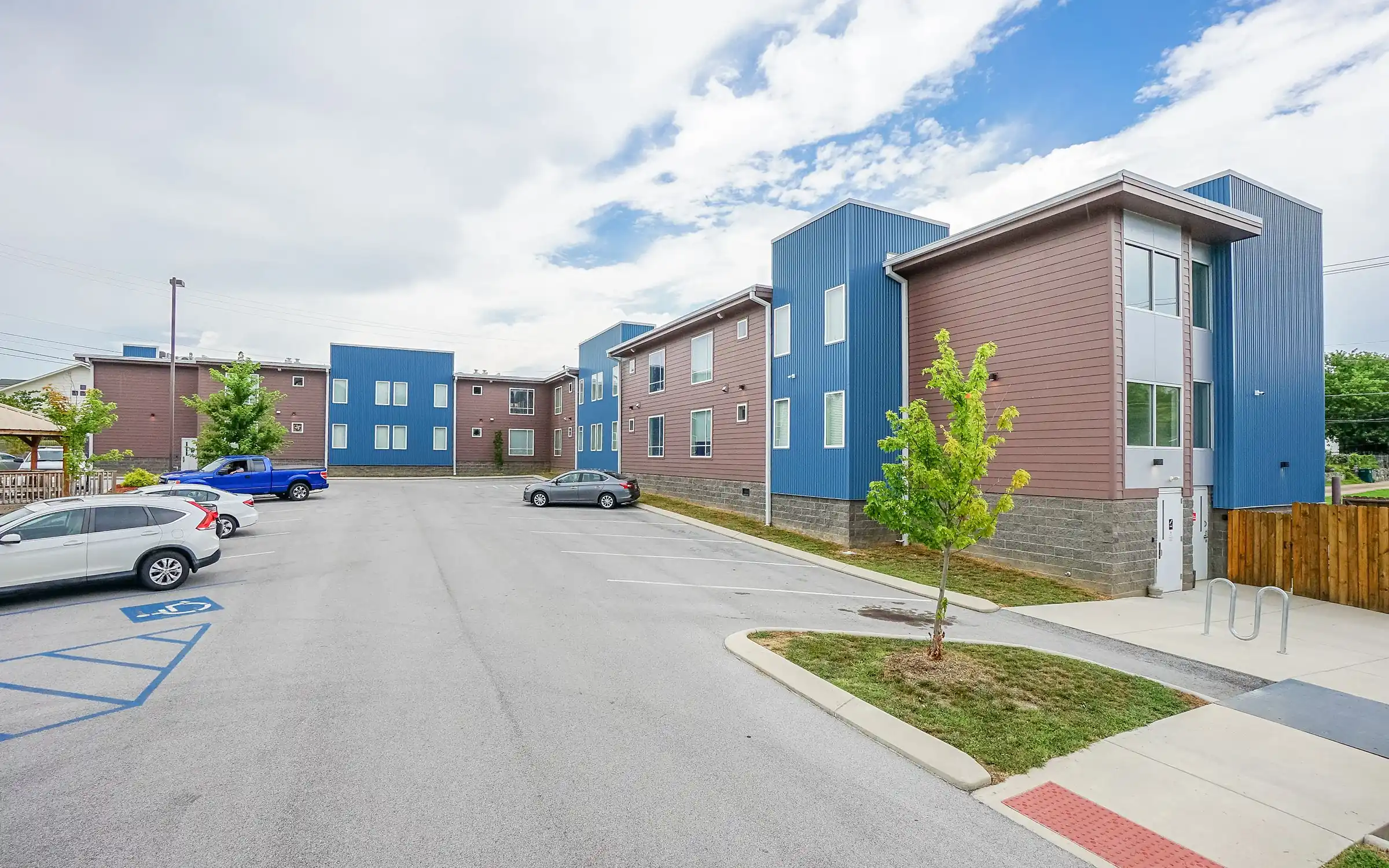
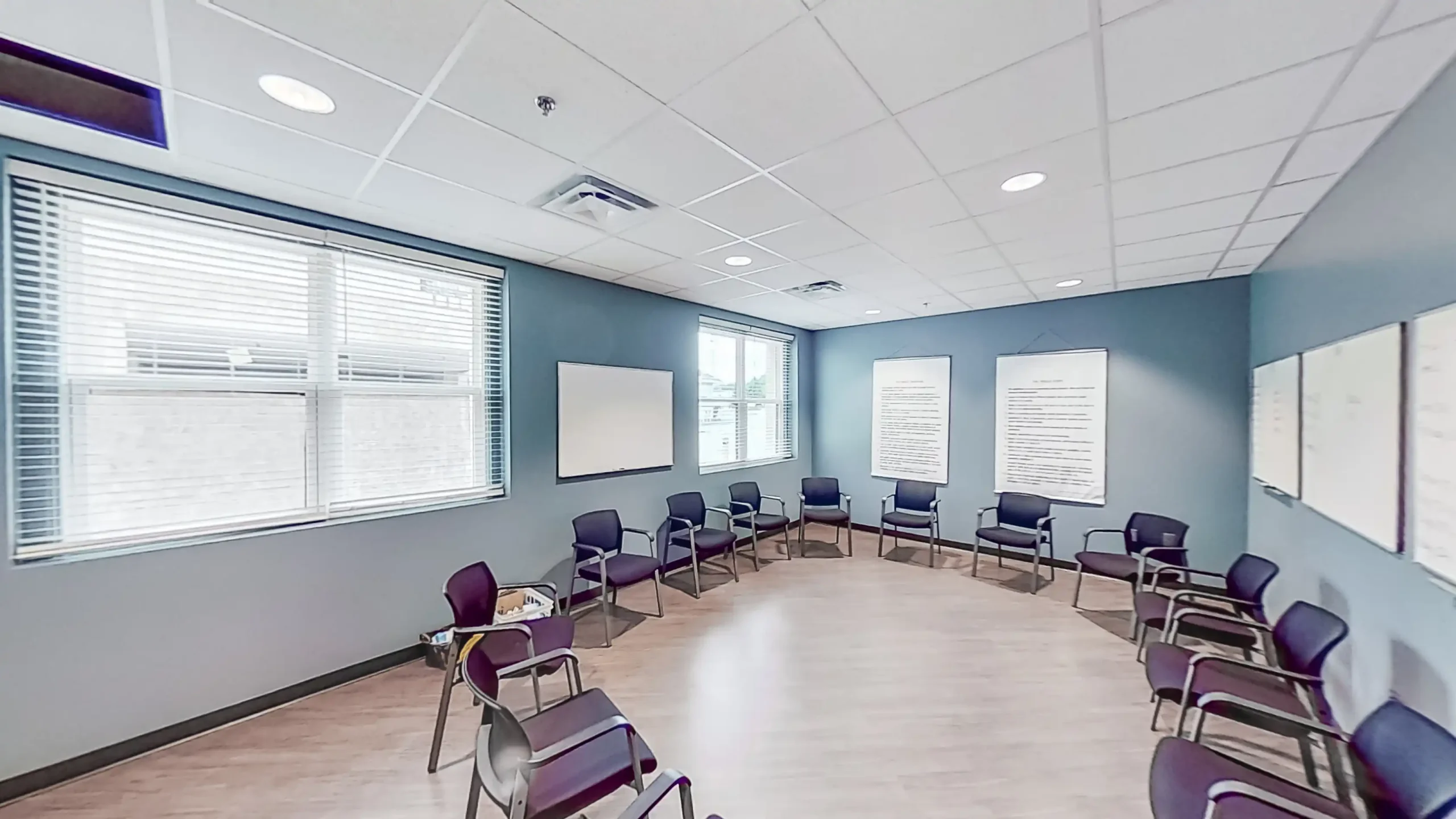
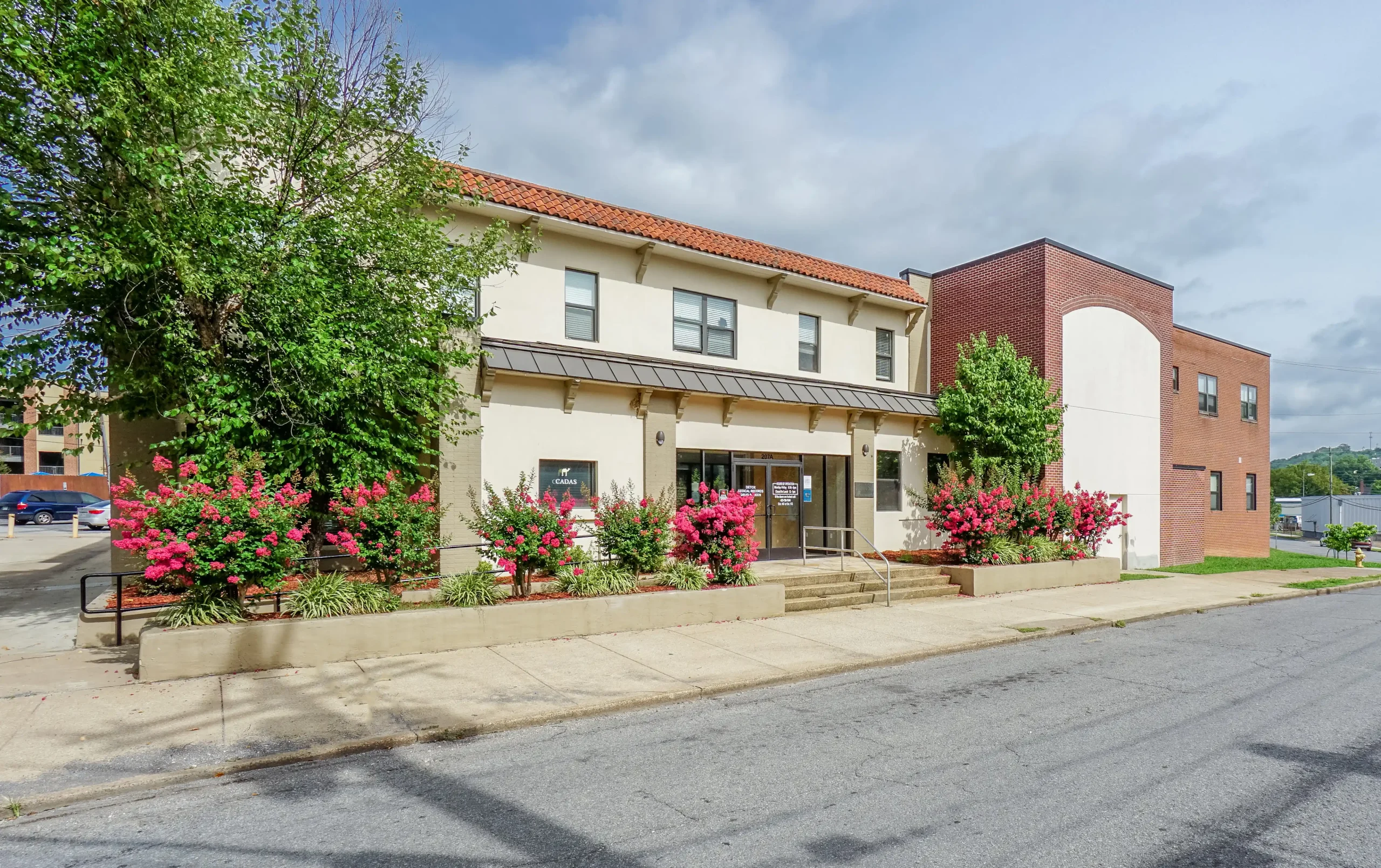
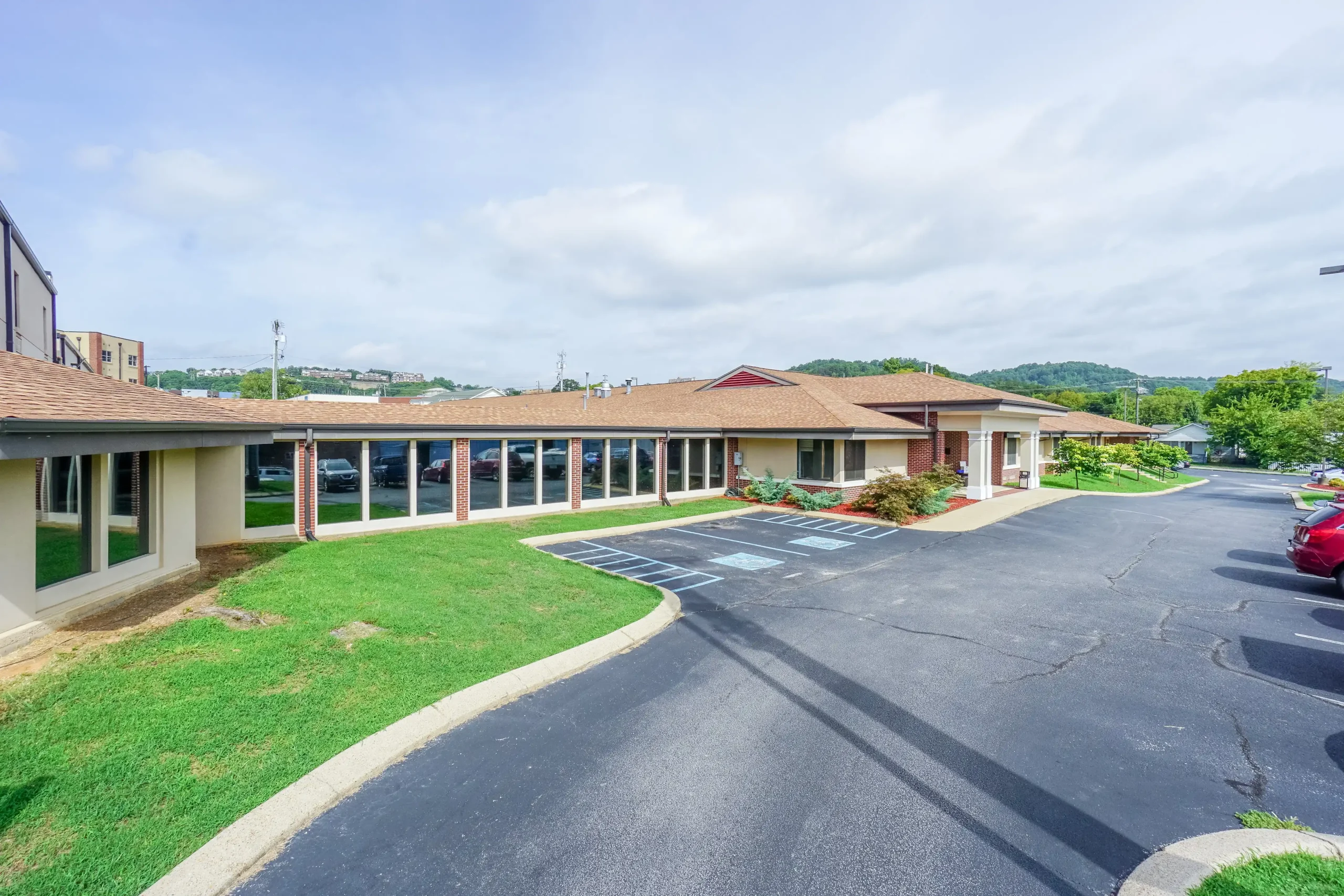
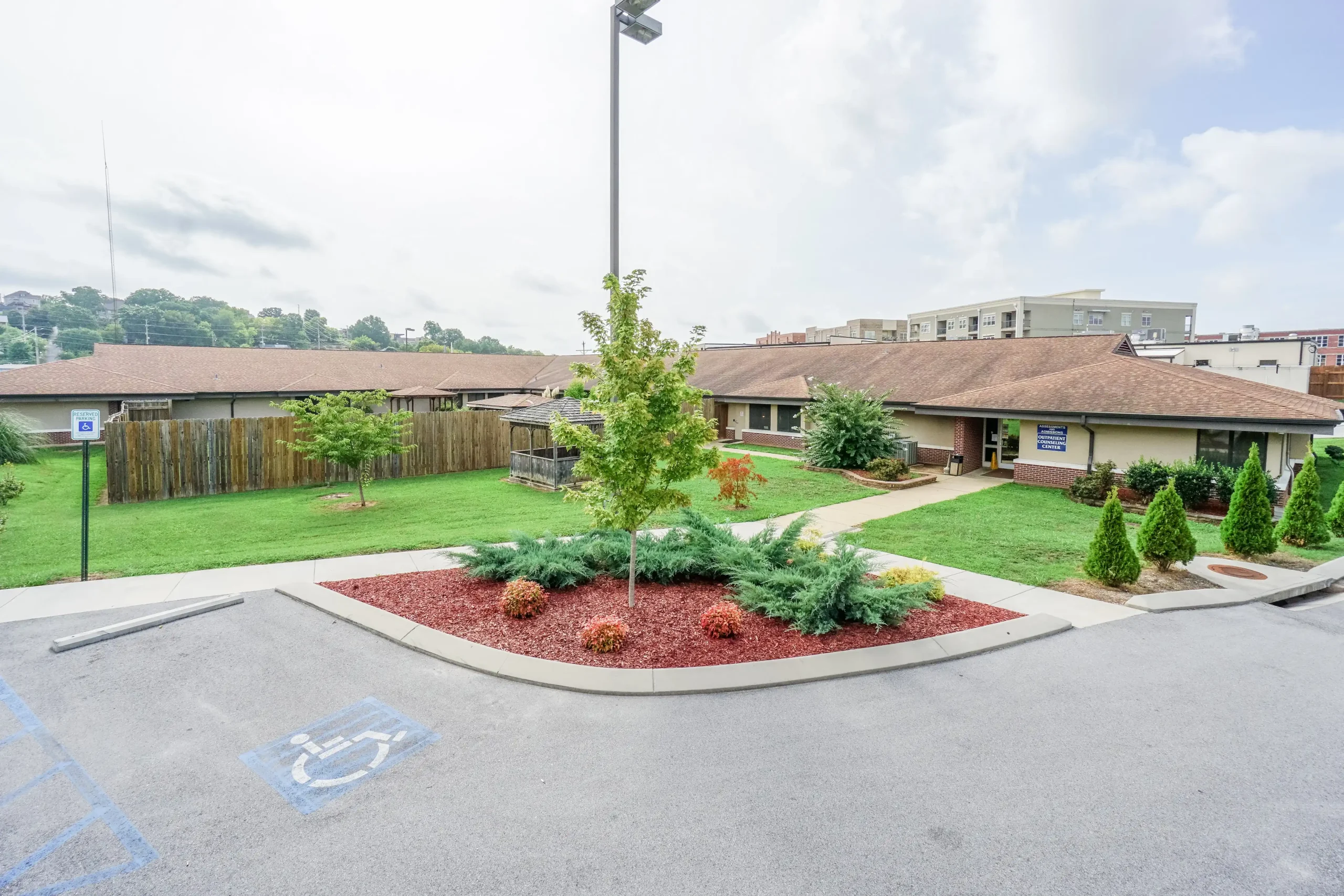
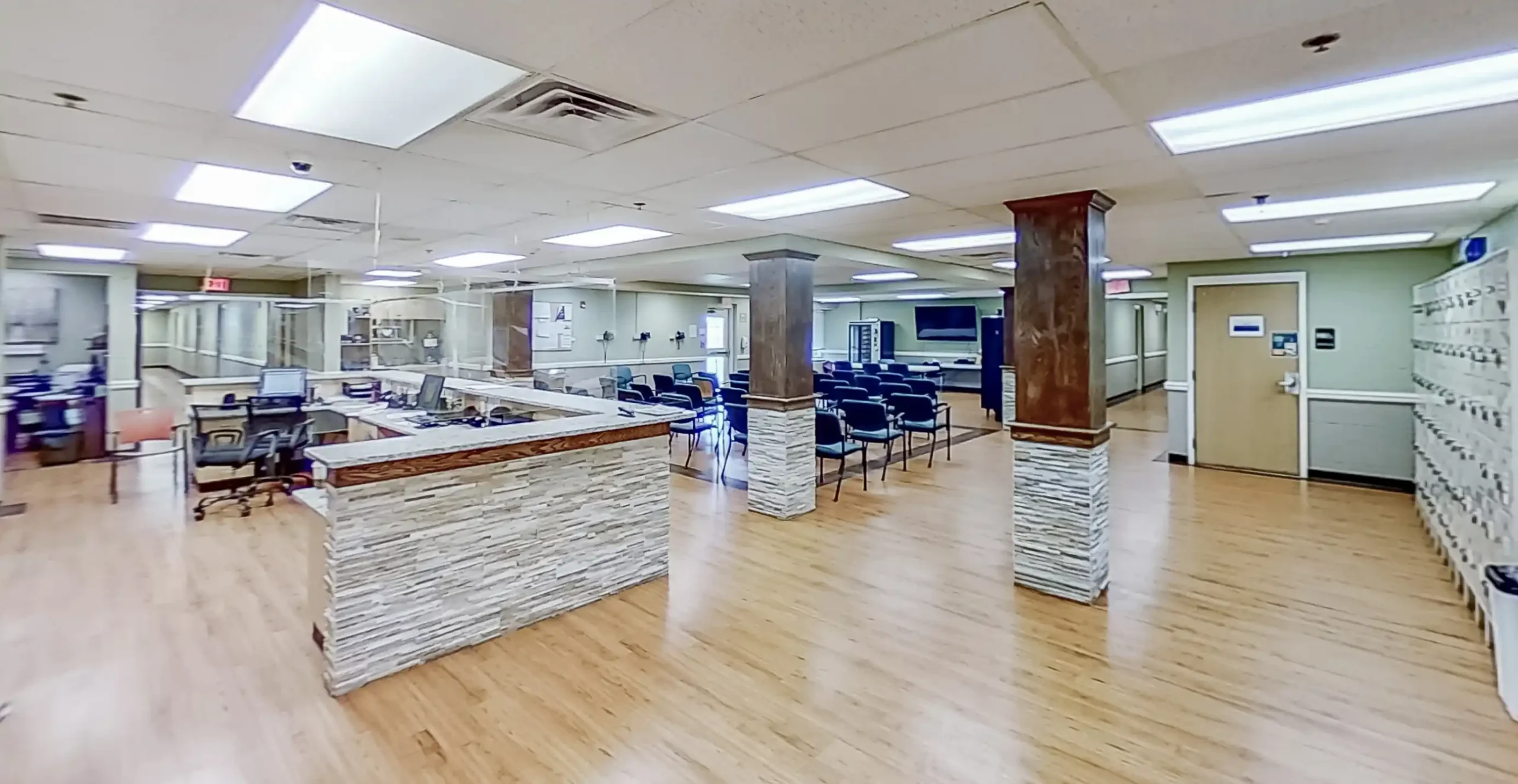
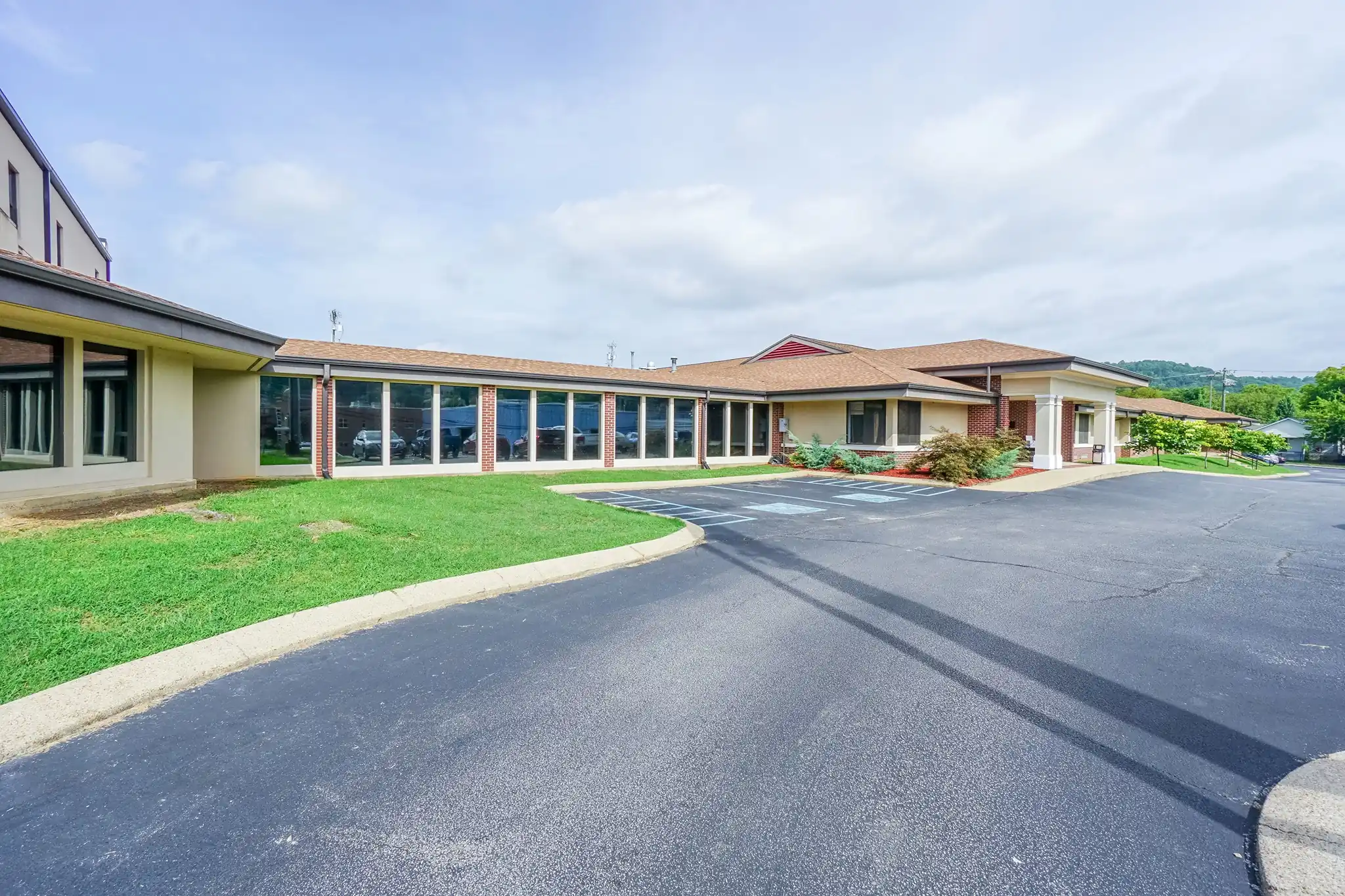
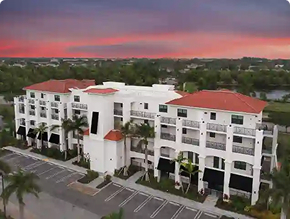
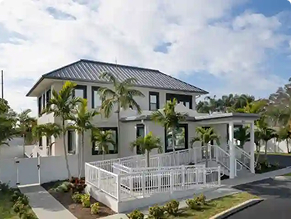
Set north of the Tennessee River, CADAS (Council for Alcohol and Drug Abuse Services) serves adults and teens 13-17 with their medical detox, residential care, intensive outpatient program (IOP), and transitional living options. Their programs use evidence-based individual and group therapies to help clients get back on their feet. To help clients adjust to life outside of treatment, CADAS transports clients to other appointments and connects them to peer support. Medication to Reduce Cravings A large part of CADAS’ offerings is the medication they provide alongside treatment to reduce cravings, especially for opioids or alcohol. They can administer Buprenorphine, Suboxone, or Vivitrol. Semi-Structured Therapy Options CADAS’s programs meet at set times and run as long as they’re useful to clients. Their residential treatment may require only 28 days, while their IOP, medication-assisted treatments, and aftercare may last for a year each. The IOP meets either Monday, Wednesday and Friday morning from 9 a.m. to noon or from Monday, Wednesday and Thursday evening from 5:30 to 8:30 p.m. Aftercare groups meet Tuesdays from 6 to 7 p.m. or Thursdays from noon to 1 p.m. The medication treatments take place at various times throughout the week. DUI Recovery Support Another service CADAS offers to help clients is a 12-hour class they teach twice a month on Saturdays, including a Spanish class offering. Clients of all ages can enroll, and there is a special offering for teens that pre-emptively teaches them about the hazards of driving drunk. The class is $125 for Tennessee residents or $200 for out-of-state residents. Transitional Living Services CADAS has 3 transitional living options to help clients get back on their feet. The Oasis Halfway House is on their main campus and includes group activities and therapy for clients from all walks of life. Their Family Way option serves women with small children and works with clients for up to 2 years to help them in their family and professional lives. Their partnership with the Chattanooga Housing Authority allows them to offer low-income apartments during the early stages of recovery.
CADAS (Council for Alcohol and Drug Abuse Services)
205 Minor St., Chattanooga, TN 37405-
- (106)
Languages
English
Founded In
1964
Levels of Care
Detox, Residential Rehab, Sober Living, Intensive Outpatient Program, Outpatient, Co-Occurring Mental Health
About CADAS (Council for Alcohol and Drug Abuse Services)