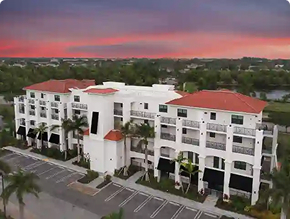
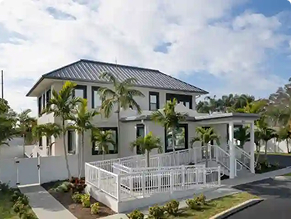
Situated near the coast of Massachusetts, Massachusetts Center for Adolescent Wellness (MCAW) treats teens ages 13-17 with primary conditions of anxiety, depression, eating disorders, obsessive-compulsive disorder (OCD), post-traumatic stress disorder (PTSD), behavioral issues, anger management, self-harm, grief and loss. Additionally, they treat co-occurring conditions like substance use (including vaping), eating disorders, grief and loss, as well as process addictions like gambling, gaming, social media, shopping, and exercise addictions. They accept medically-stable clients willing to participate in therapy with reliable transportation. The admissions team requires a recent psychological evaluation or hospital discharge summary for the adolescent, and they ask for any additional clinical and educational records about the adolescent’s mental state that can help with treatment planning. Their team is led by licensed clinical social workers. MCAW offers day treatment and intensive outpatient (IOP) programs, which they also refer to as after-school outpatient treatment. The day treatment lasts 6 hours each day for 5 to 6 days per week. Their IOP is 3 hours in the evening for 3 days per week. MCAW recommends their IOP for teens who need regular support but less structured programming, and they sometimes recommend their IOP as a step-down from day treatment. In each session, they offer 40 to 60 minutes of individual therapy. They recommend a few weeks for minor mental health concerns, and they recommend long-term therapy for more severe mental health concerns and substance use conditions. Additionally, MCAW hosts summer day treatment programs similar to camps. Their aftercare includes continuing education workshops, academic support, vocational planning, and family support. MCAW’s team applies many individual, group, and family therapy methods, including acceptance and commitment therapy (ACT), cognitive behavioral therapy (CBT), dialectical behavior therapy (DBT), art therapy, interpersonal processing, music therapy, medication-assisted treatment, meditation and mindfulness therapy, motivational interviewing, psychotherapy, relapse prevention therapy, and solution-focused therapy. MCAW’s approach is trauma-informed and evidence-based. Their staff are mindful of LGBTQ+ adolescents and provide tailored, gender-affirming care. Common topics discussed in therapy include behavioral issues, obstacles to success, anger management, insomnia, improving self-esteem and body image, building healthier relationships, addressing family conflicts, and handling academic stresses.