The conditions at this facility are deeply concerning, especially regarding its treatment of high-needs and low-functioning residents. One case involved a 14-year-old on the autism spectrum who required sensory accommodations and individualized care. Instead of receiving such support, staff frequently disregarded his needs, forcing him into activities he found distressing. His resistance was met not with understanding, but with punishment, worsening his emotional state and causing repeated meltdowns. This lack of empathy showed that the institution prioritized control over genuine care.
The institution’s restrictive rules created a prison-like atmosphere, increasing stress for all residents. Basic freedoms were routinely denied, with residents forced to participate in scheduled activities regardless of their readiness. Any resistance was viewed as behavior to “correct” instead of a need for agency in an overwhelming environment. Runaways became common, as residents, overwhelmed by the lack of autonomy and support, attempted to escape by any means necessary. This relentless mental strain, compounded by the facility’s rules, stripped residents of dignity and basic rights.
Staff members frequently conducted invasive searches without cause, rifling through personal items, reading journals, and confiscating belongings under vague “guideline” violations. These rules were never clearly outlined, showing an institutional disregard for privacy and autonomy. The staff’s treatment of belongings sent a clear message: residents were to be controlled, not understood.
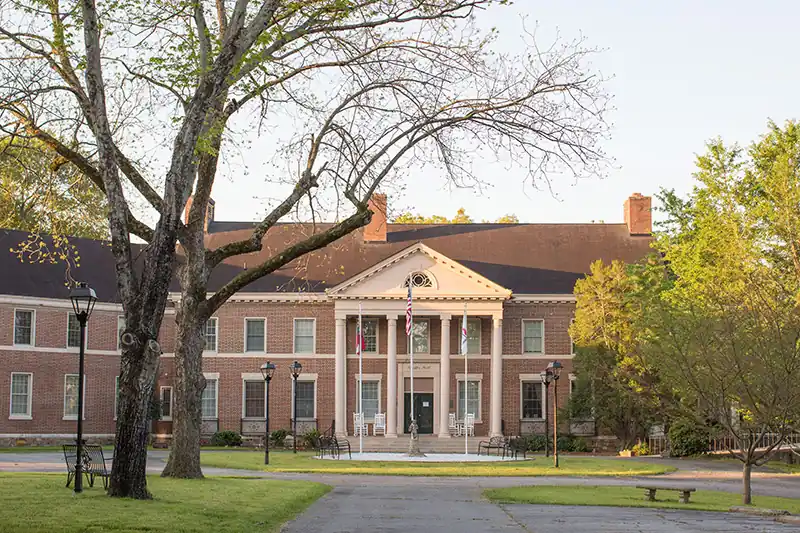
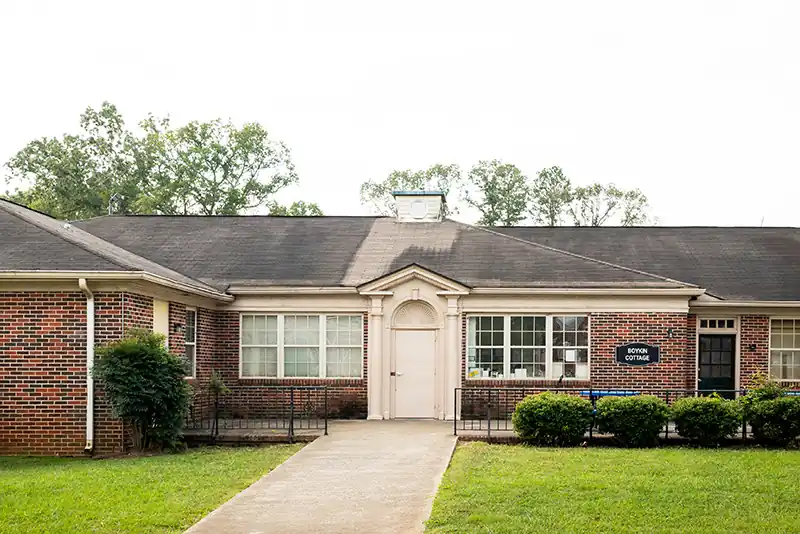
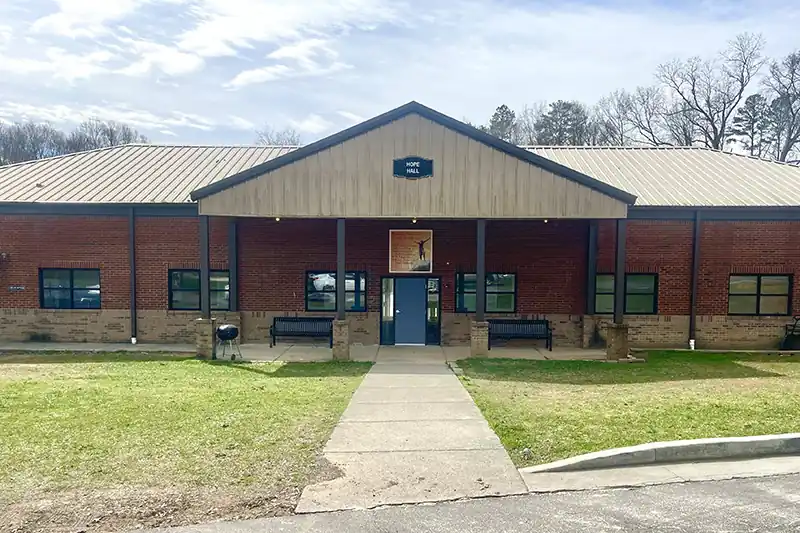
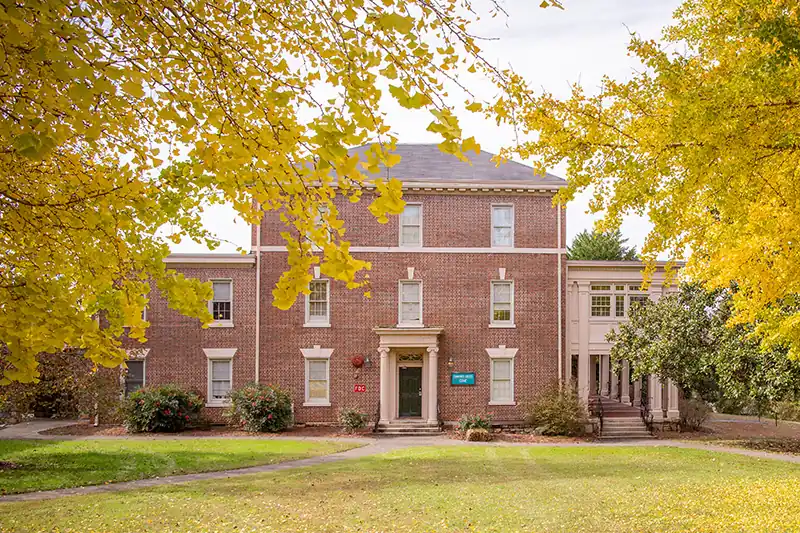
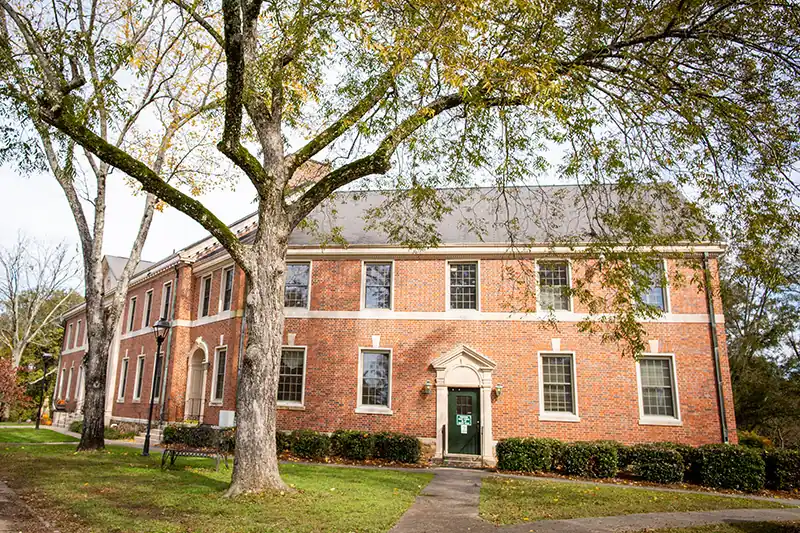
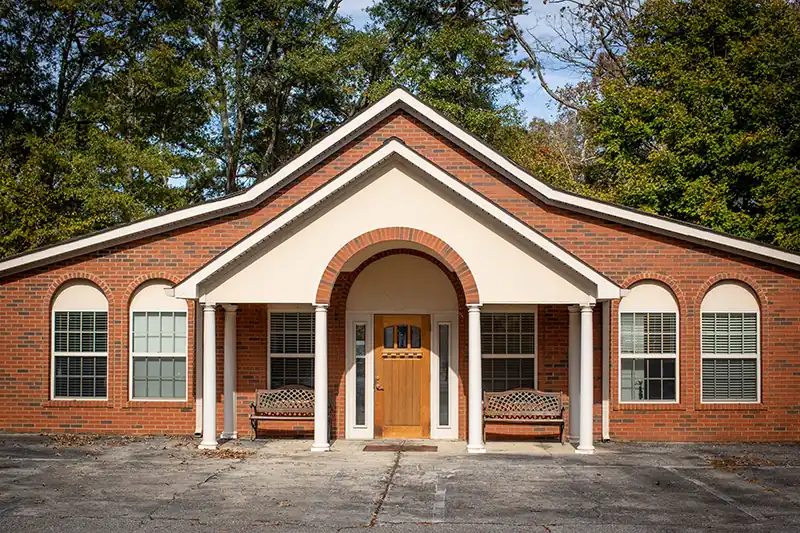
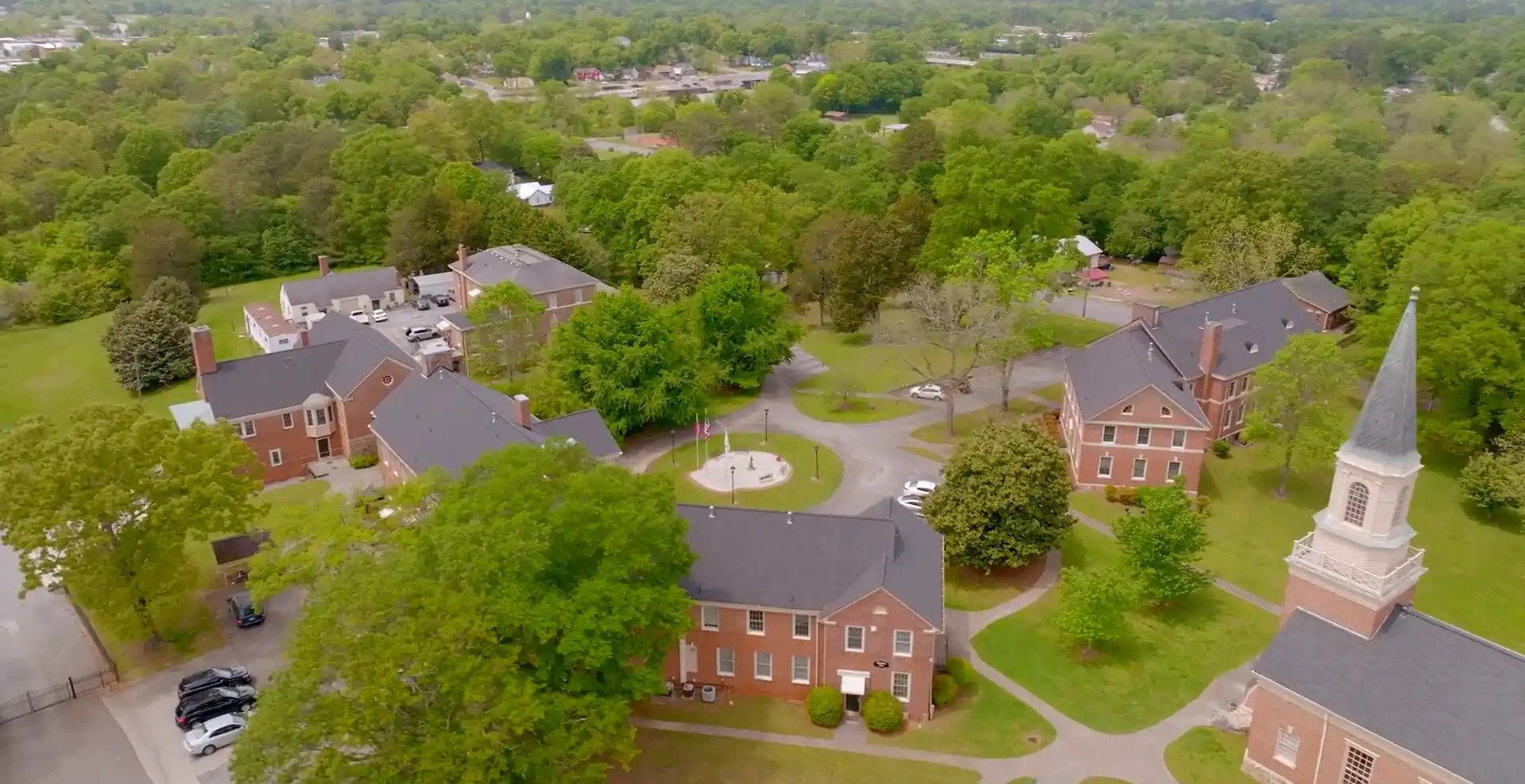
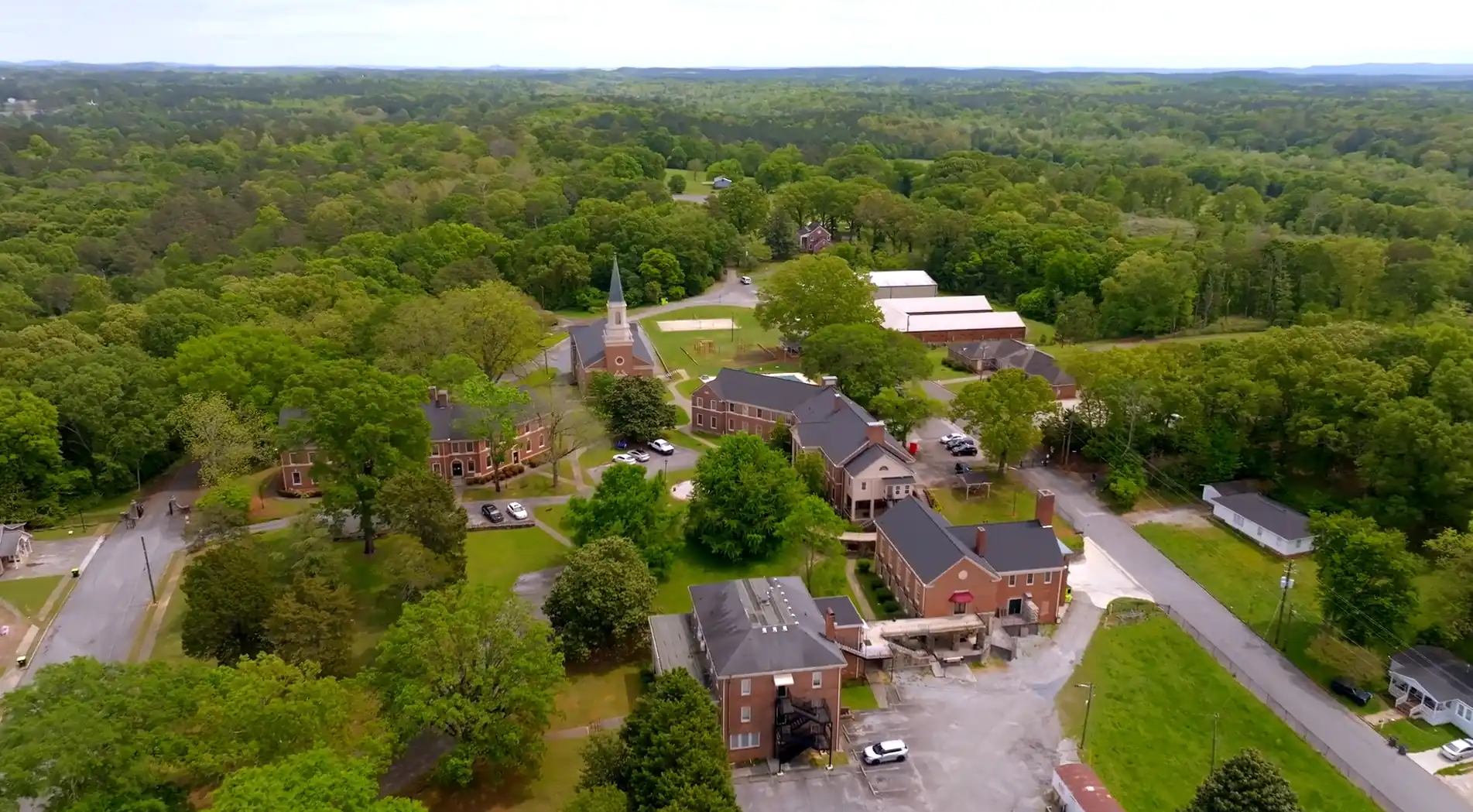
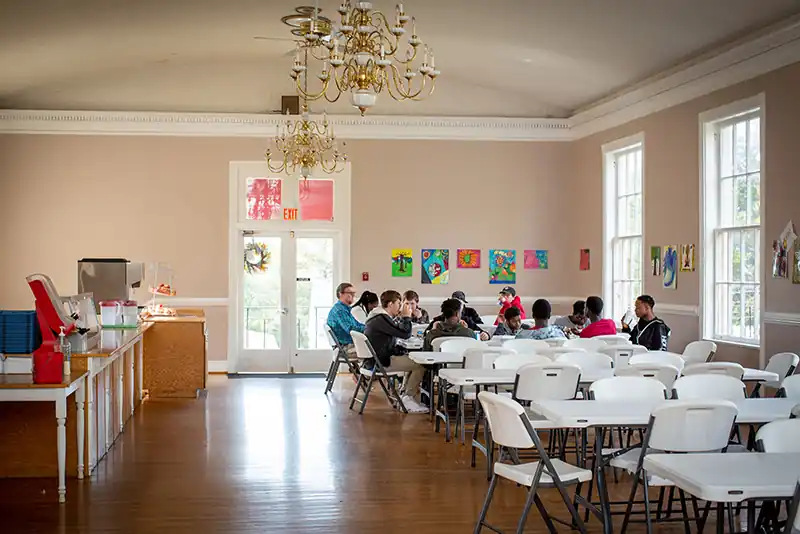
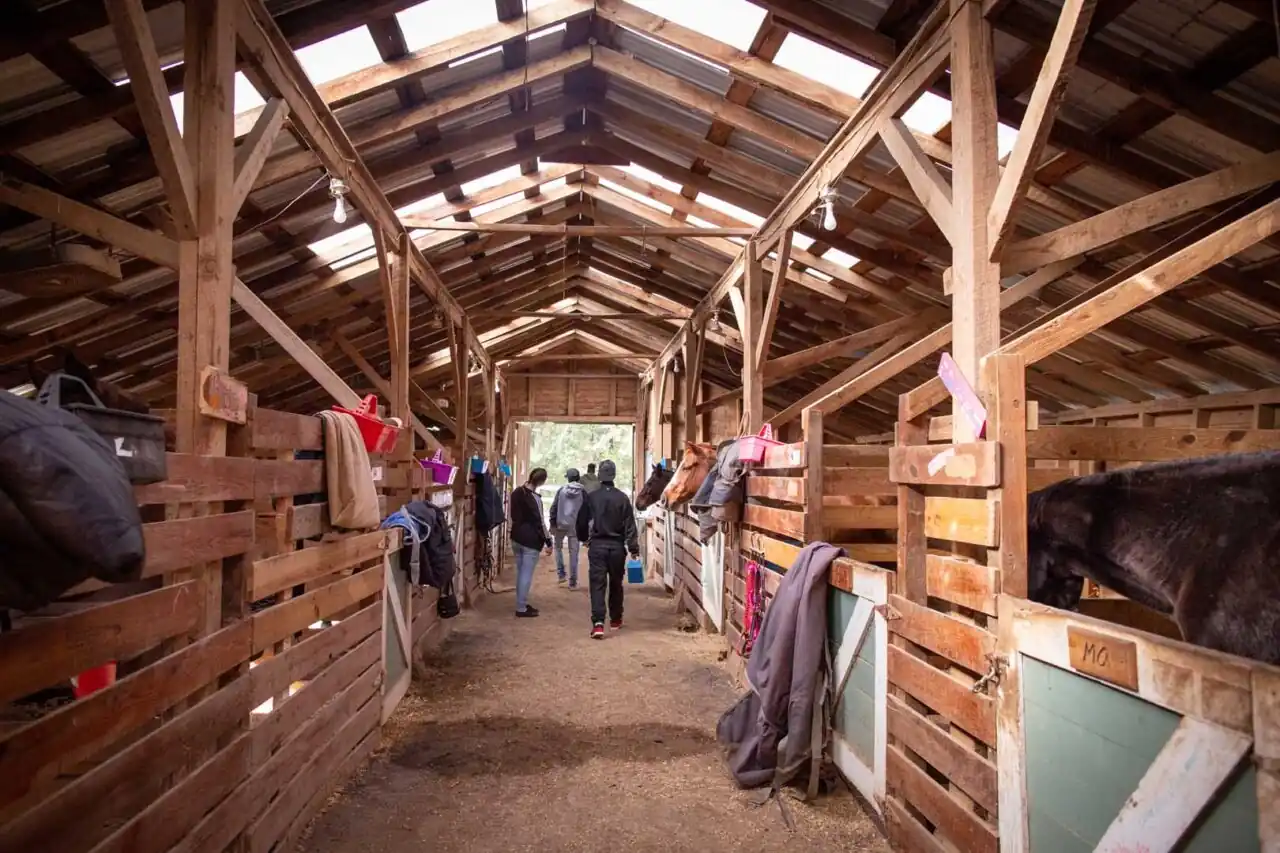
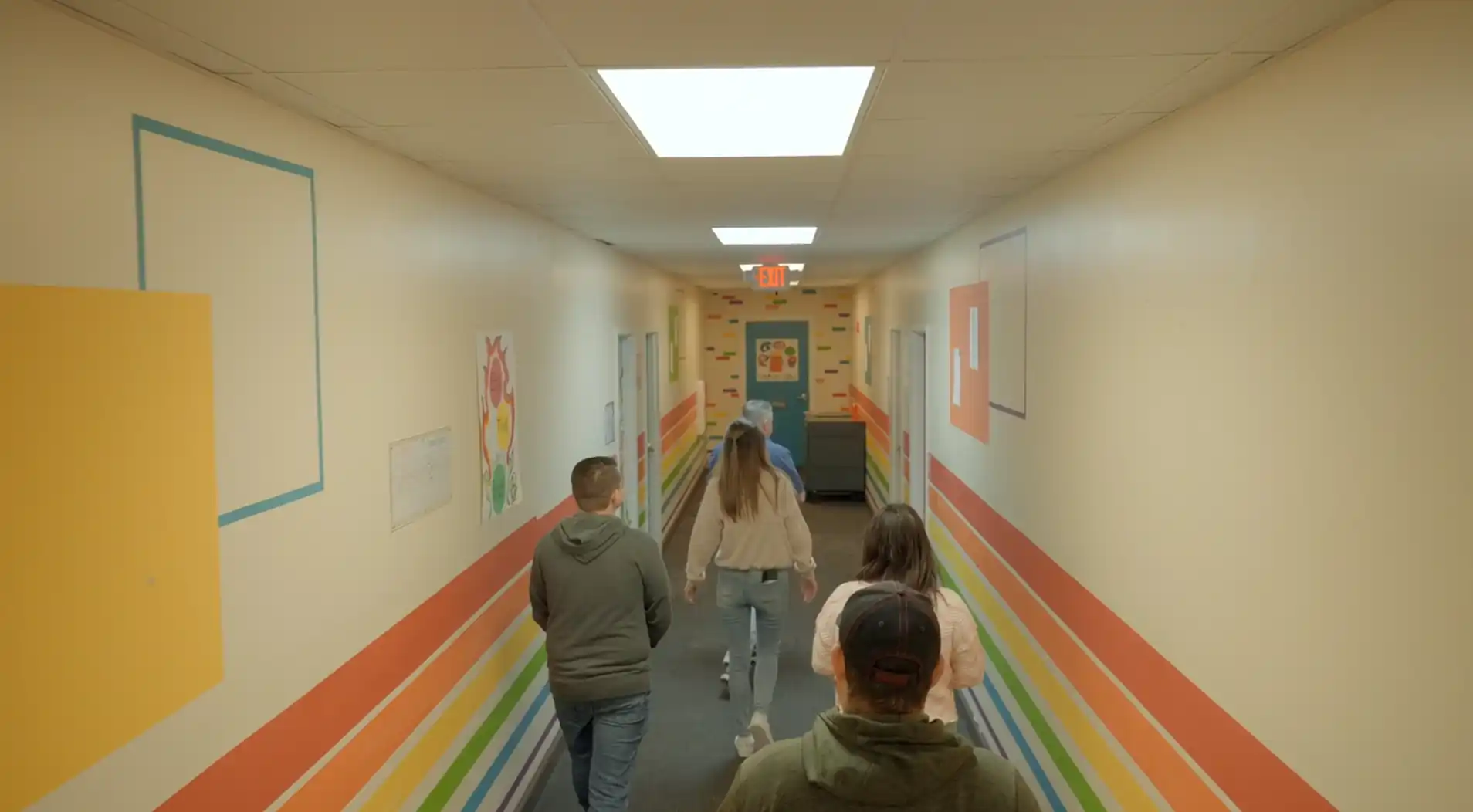
The institution’s public image was also a façade. The website portrays an environment of hope and support, complete with carefully chosen photos and videos. One video shows a teacher writing on a whiteboard, yet in reality, traditional teaching methods were absent. Residents were confined to heavily monitored computers to complete assignments with little interaction, and students who finished work early were forced to sit in silence, rather than being offered additional activities or accommodations. This lack of engagement underscored the disconnect between their public image and the actual experience.
Conflict and aggression were common, and staff’s handling of such situations was not to de-escalate but to overpower. The institution relied on a security team of large staff members trained to restrain residents in excessively forceful ways. I witnessed several incidents where physical interventions led to harm. In one disturbing case, a young man attempted to defend a counselor from an aggressive resident, only to be slammed to the ground by security, leading to him bleeding from his mouth. His good intentions were met with brutality, and rather than recognizing his attempt to help, he was treated as a threat.
This excessive use of physical force underscored the institution’s focus on control over safety. Residents were often physically restrained in ways that went beyond what was necessary for order, causing real physical harm and trauma. The approach was not about supporting these vulnerable individuals but asserting power and control over them.
Basic dietary needs were frequently dismissed, with some residents left hungry due to staff’s dismissive attitudes. Those with dietary restrictions were accused of being “snobby” or “ungrateful” and were told to “stomach it and be quiet.” These practices created an environment of neglect, with no consideration for residents’ health and well-being.
Moreover, racial bias was evident in daily interactions. Certain staff members treated African American residents favorably, while Caucasian residents were treated with open disdain. This discrimination only fueled divisions and deepened the residents’ distress.
This institution’s harmful practices, poor standards of care, and discriminatory policies should be addressed by regulatory bodies and the public to prevent further harm. It is a deeply troubling environment that damages those it claims to help.