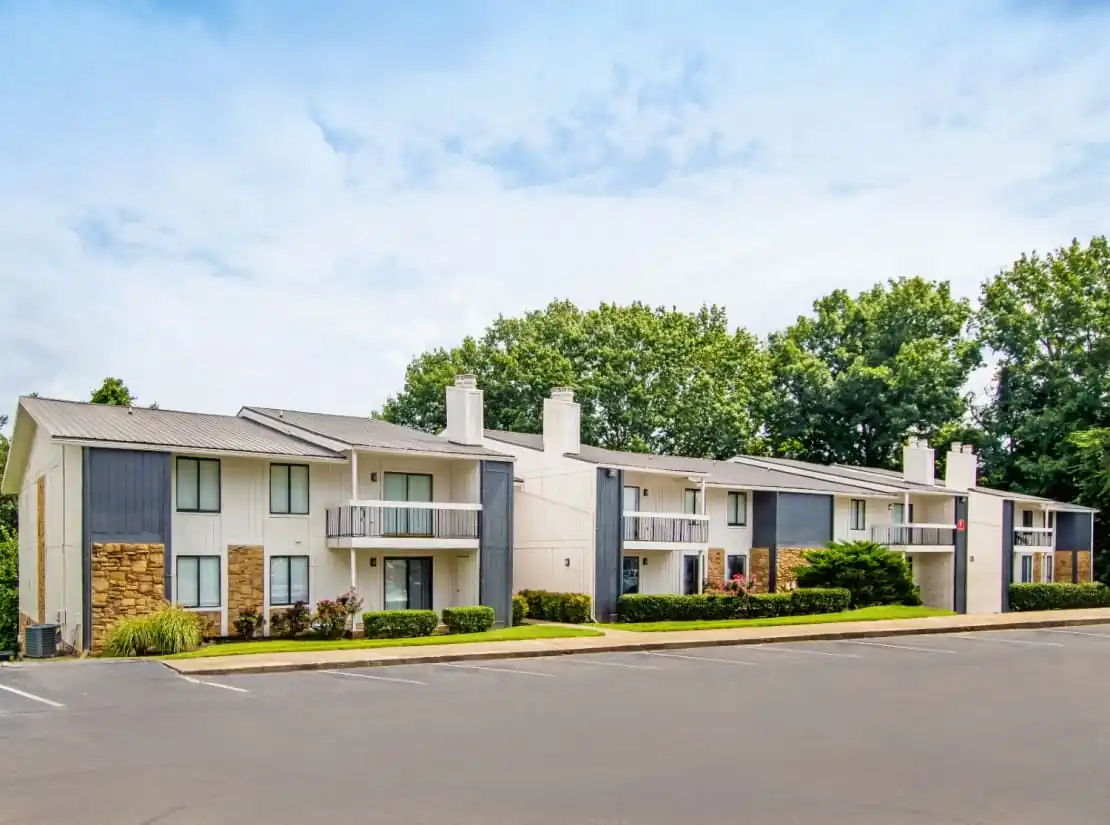
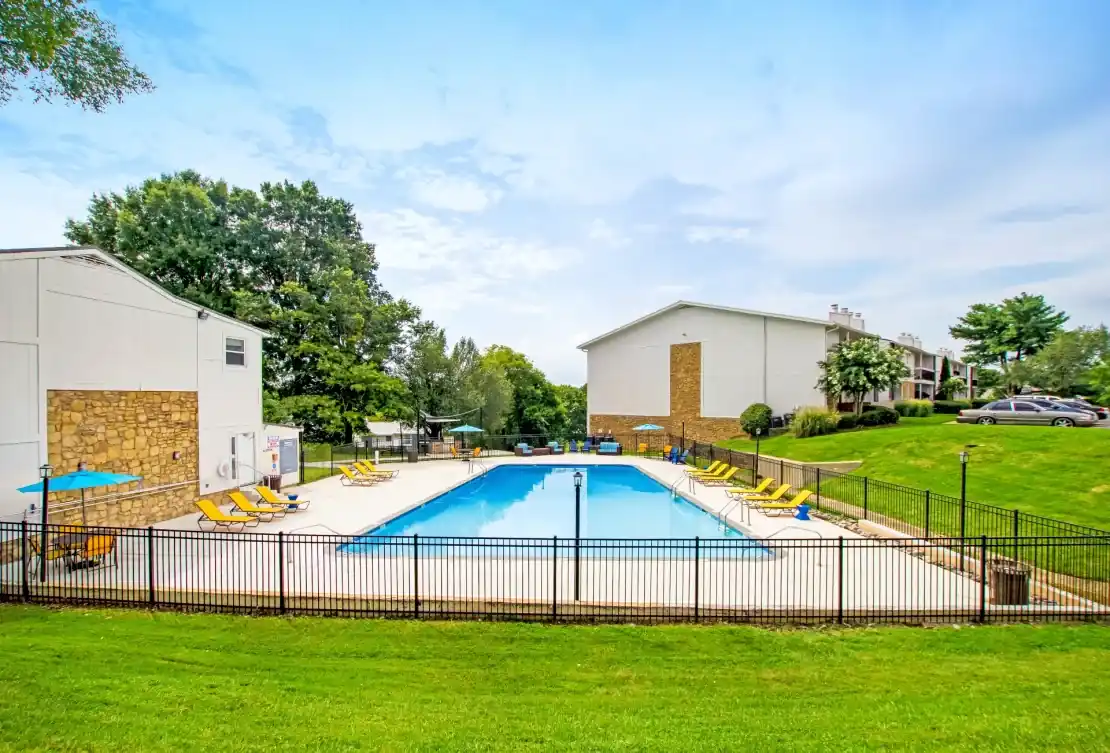
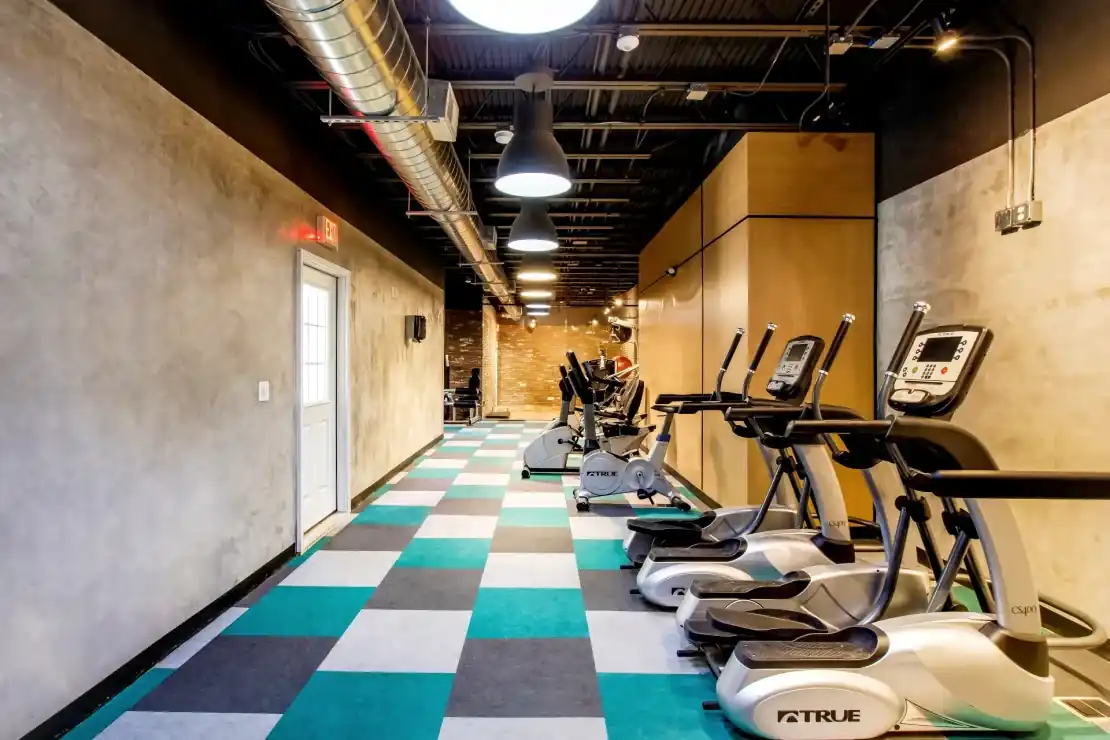
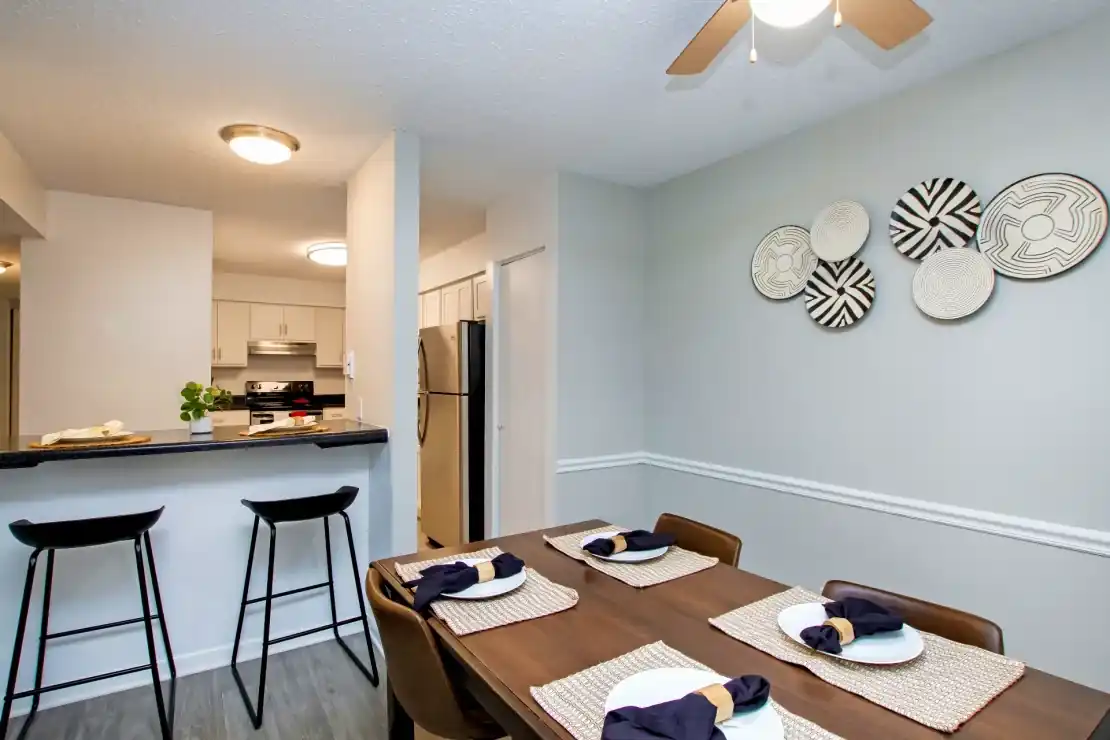
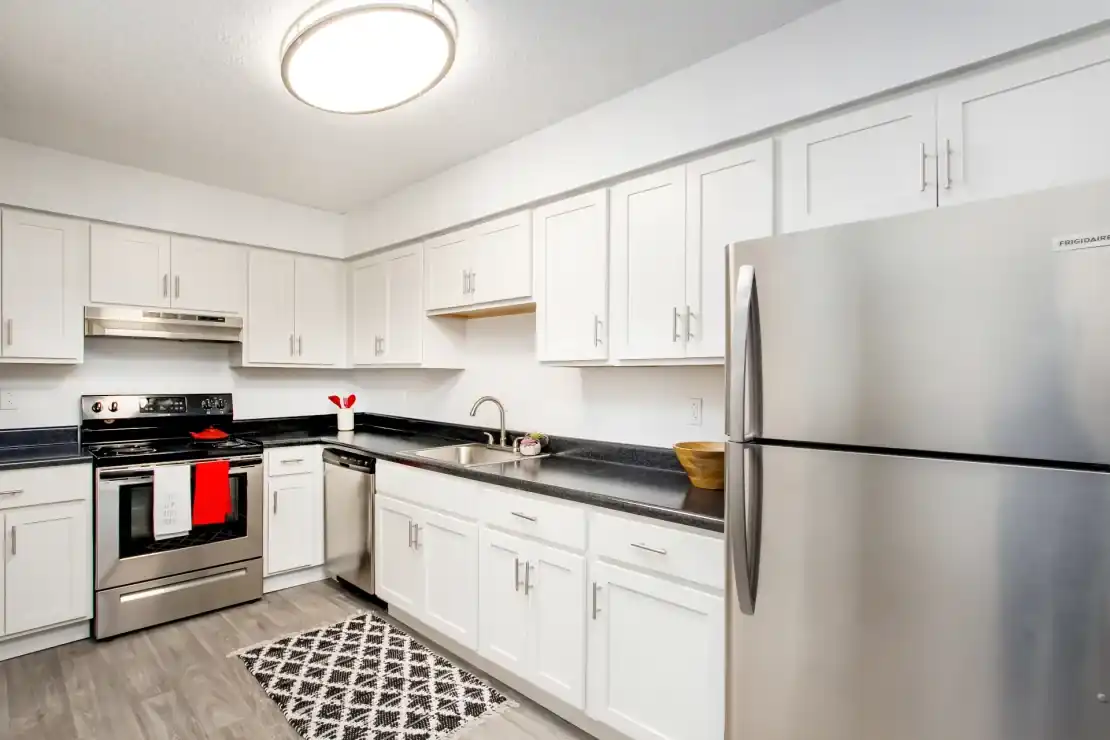
Project Transition cares for adults 18 to 65 with mental health conditions, including those with co-occurring disorders like substance use, intellectual development disorders, or physical health conditions. Their Tennessee locations offer residential or day treatment in apartments. The Nashville location operates at Haven Apartments, formerly known as Woodbridge Apartments. What sets Project Transition apart is their emphasis on therapeutic community in the mental health space. Project Transition specifically uses the term “members” instead of “clients” or “patients” for people receiving treatment, as they want participants to feel like part of a community and achieve meaningful, community-integrated lives. Members participate in an apartment complex community, promoting reintegration into the broader community. This model aims to stigma and encourages normalized social expectations. Treatment Options Project Transition uses dialectical behavior therapy (DBT) with an individualized, strength-based emphasis in their residential mental health programs. With a dedicated team of about 30 people, including certified peer and recover specialists, providing daily support, they employ evidence-based therapeutic interventions tailored to each member’s goals. The staff attend to members from 7 a.m. to 9 p.m., and members can contact them after hours if they need emergency support. During the day, Project Transition staff run skills workshops, medication management, therapies, group meetings, and more. Their individual sessions, psychiatry appointments, and group therapy run twice a week. The rest of the week includes community meetings, skills workshops, goal planning, and Alcoholics Anonymous (AA) meetings or Narcotics Anonymous (NA) meetings. An onsite driver can transport members from the apartment to off-site AA meetings, NA meetings, or medical appointments. Additionally, Project Transition offers systems of support (SOS) for children and adults with behavioral health concerns that impact their community. They work with crisis teams and family support systems to decrease the need for hospitalizations and avoid crises. Goals Project Transition defines 13 criteria for members that they use to measure success: Continuity of engagement in the community Capably able to self-manage medications Participation in productive or meaningful activity Maintenance of financial support eligibility Effective management of personal health and wellness Enjoyment of personal relationships and community of support Self-managed recovery through engagement with planned recovery supports Self-managed and sustained sobriety Effective management of personal financial matters Successful use and maintenance of transportation resources Effective management of home safety and maintenance Effective use of technology Successful Graduations Visitors Family and friends can visit during the day as long as housemates agree. Visitors can’t stay overnight. Packing List Project Transitions uses partially unfurnished apartments. Members can bring these: Twin sheet set, twin mattress cover, pillow, blanket and/or comforter Towels and washcloth Soap Shampoo Alcohol-free mouthwash Other toiletries A week’s worth of laundry Laundry detergent Alarm clock Plastic hangers Currently prescribed medications, in original packaging Cell phone Bicycle