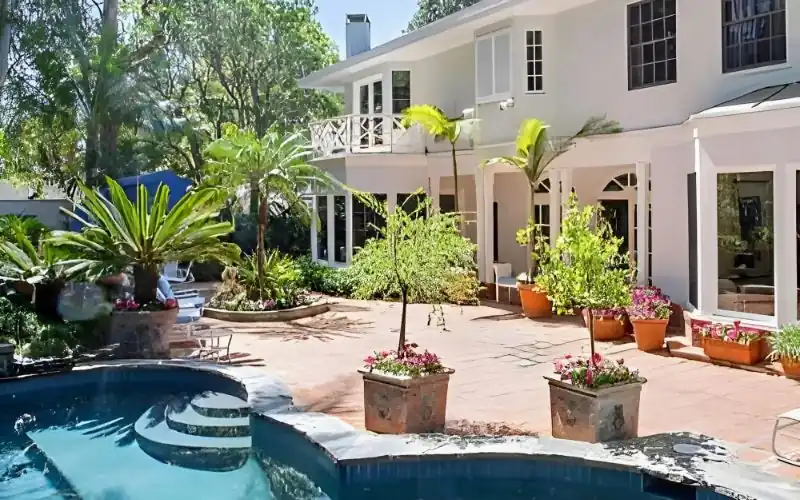
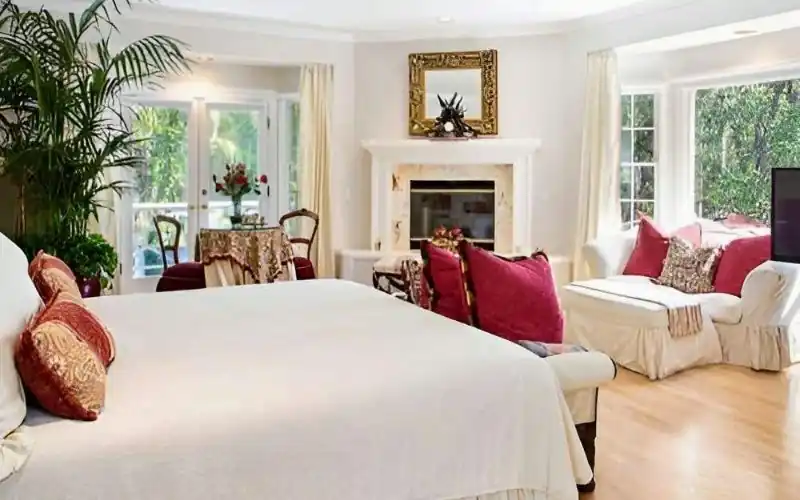
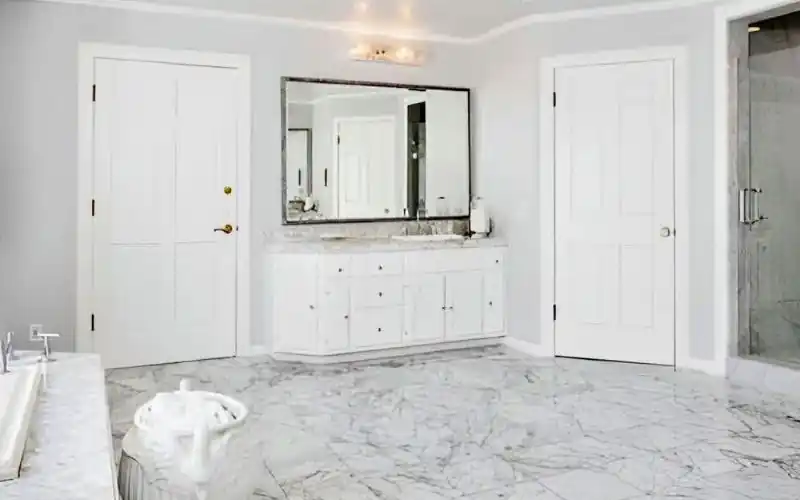
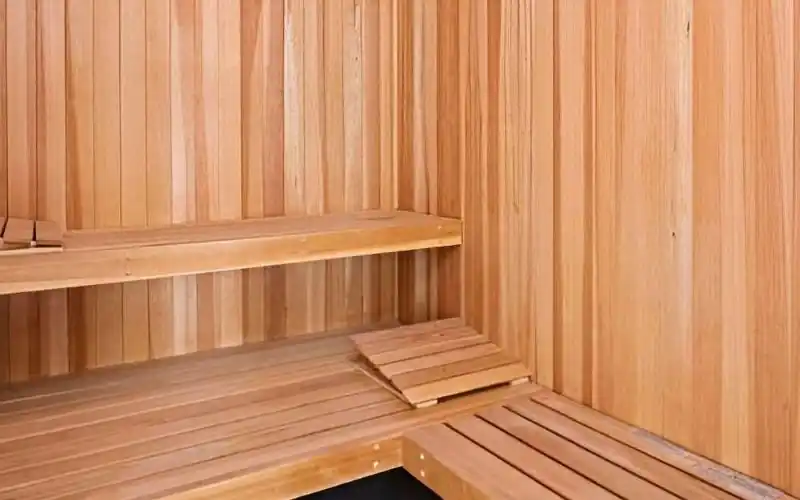
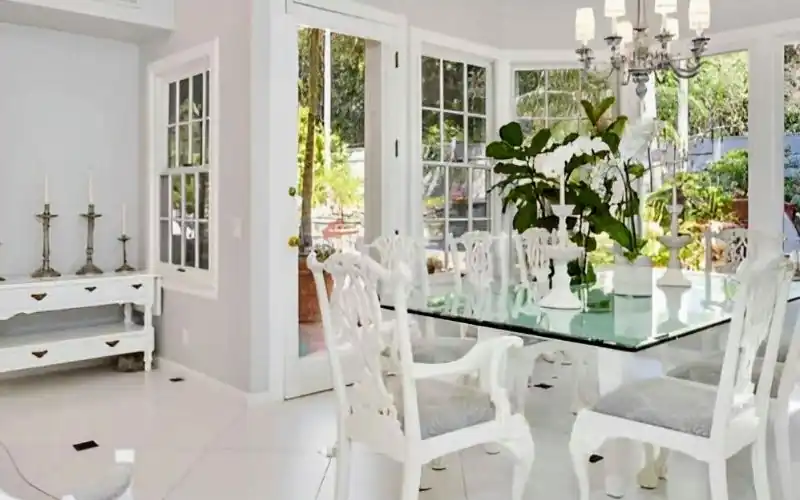
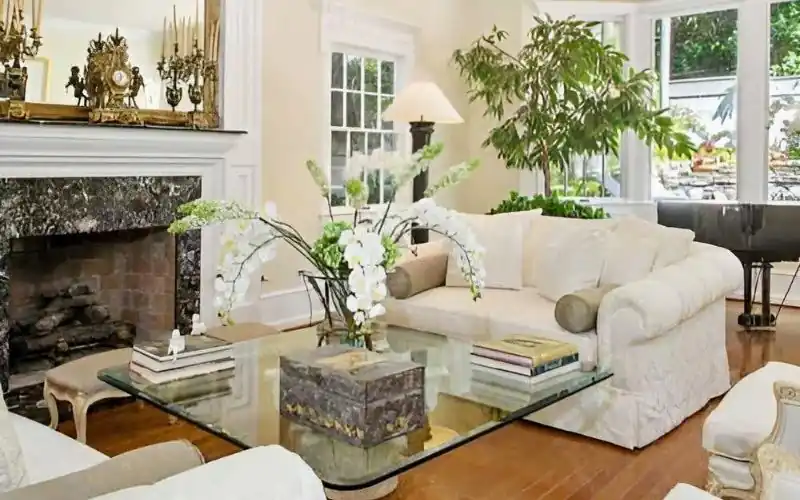
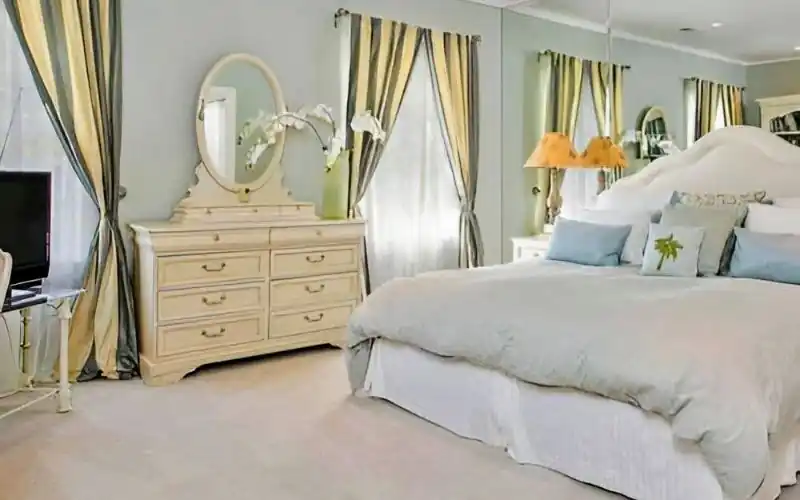
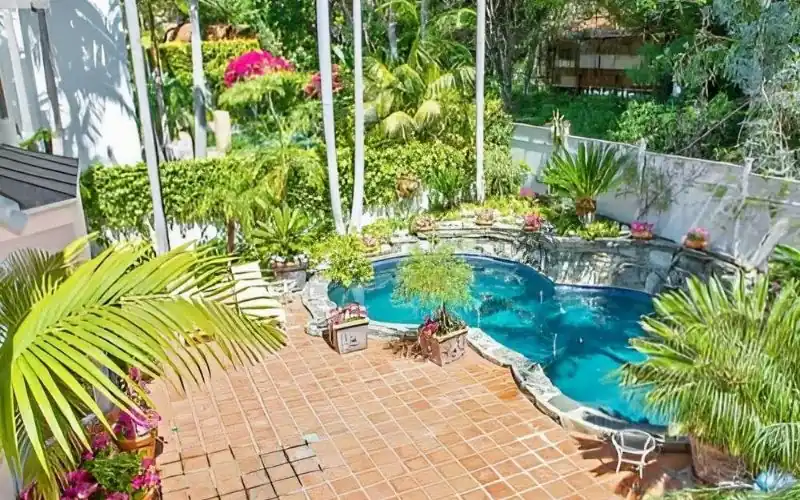
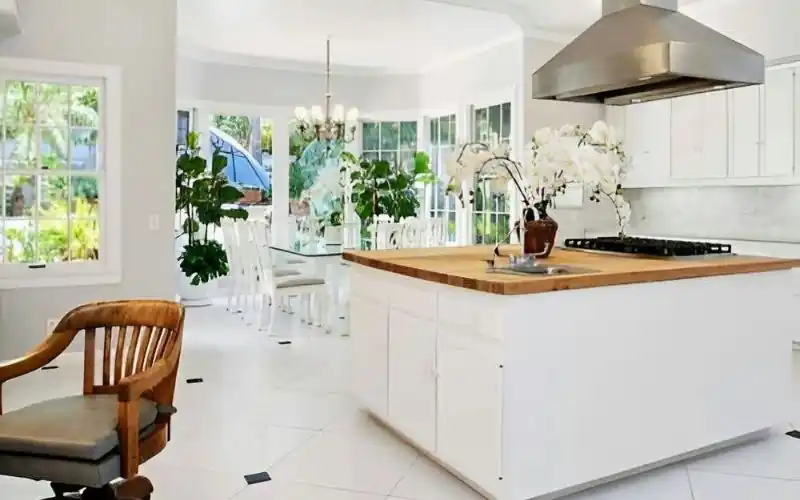
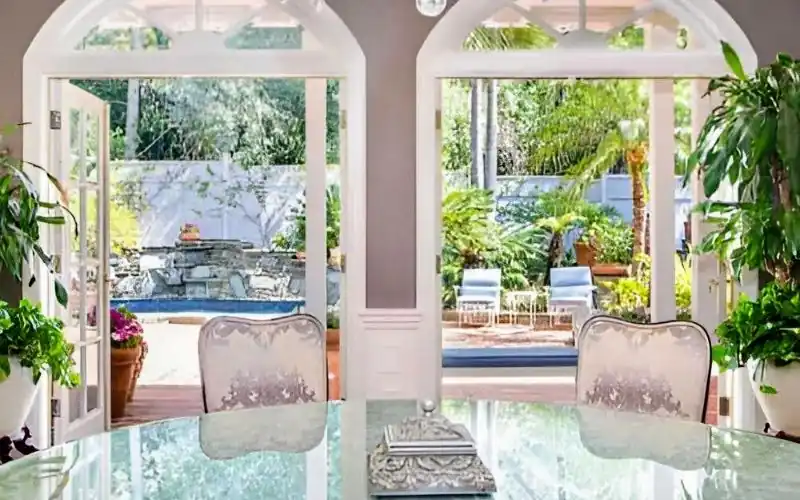
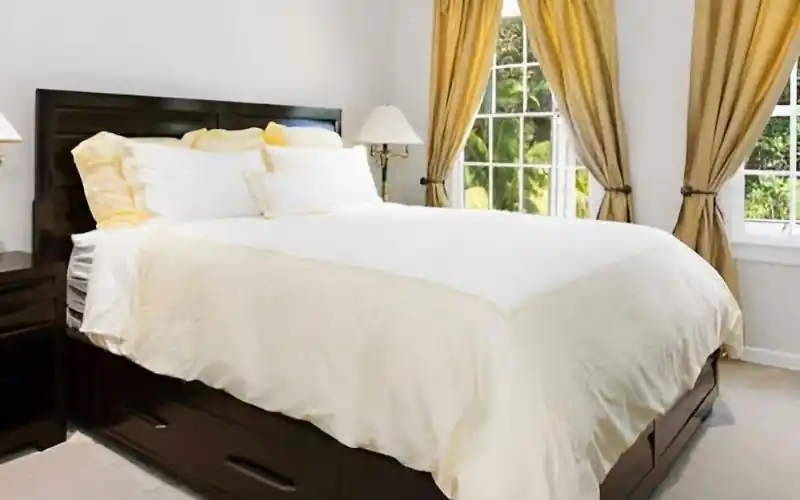
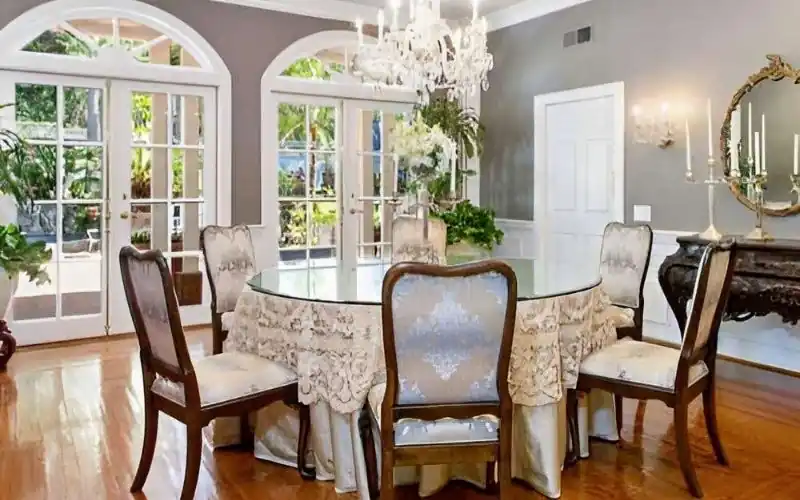
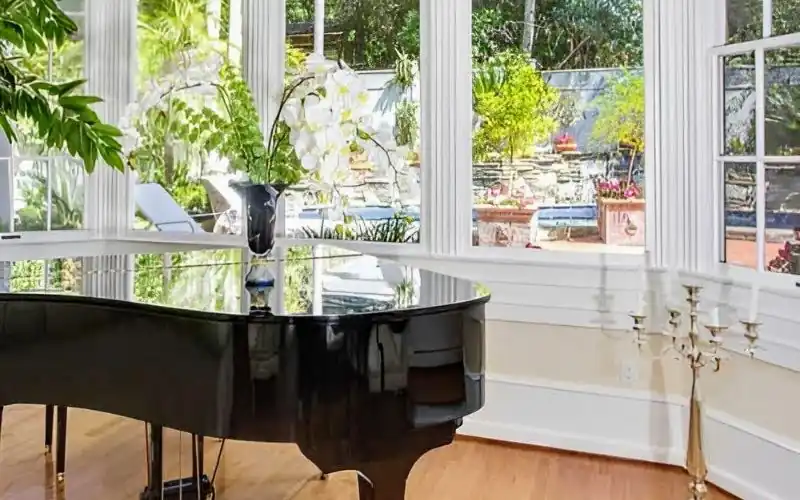
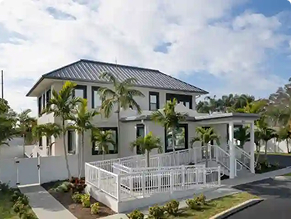
Safe Haven Recovery combines luxury amenities with medical excellence . Their team of addiction therapy specialists helps clients find the right treatment combination to turn their lives around for good. Clients receive 24/7 care, private accommodations, holistic therapies, and access to top clinicians—all in a serene Beverly Hills setting. It’s ideal for those seeking a structured approach to recovery, complete with education, therapy, and a focus on long-term well-being. Recover Using a Blend of Proven Methods Safe Haven clients follow a structured, personalized schedule that includes evidence-based therapy, holistic healing, and wellness activities. Each client participates in six hours of group therapy daily and meets twice weekly for individual sessions, plus weekly appointments with a psychiatrist and medical practitioner. Cognitive behavioral therapy (CBT) teaches clients to identify triggers and reshape unhelpful thought patterns, while eye movement desensitization and reprocessing (EMDR) reduces distress from past trauma. Rational emotive behavior therapy (REBT) helps clients challenge irrational fears through grounding and self-awareness. For those who need it, medication-assisted treatment (MAT) safely supports recovery from substance dependence under professional supervision. Relax in Private Suites & Spa-Like Comfort Safe Haven’s homelike facility in Beverly Hills is close to the hustle and bustle, yet it feels a million miles away. Every detail intentionally supports comfort, privacy, and emotional well-being. Clients relax in private suites , unwind in serene gardens, and enjoy spa-inspired amenities, a therapeutic sauna, and chef-prepared meals. Saturday outings—like movies, bowling, and beach trips—offer balance, connection, and a joyful sense of normalcy in recovery. Stay Supported Beyond Residential Care Continued care is key to long-term success, and Safe Haven Recovery’s clinical team helps clients stay supported after residential treatment. Each client leaves with a custom aftercare plan designed to maintain addiction recovery progress. This may include outpatient therapy, sober living support, alumni groups, or virtual counseling.
Safe Haven Recovery
1690 Coldwater Canyon, Beverly Hills, CA 90210-
- (94)
Languages
English
Founded In
2017
Occupancy
6-15 beds
Levels of Care
Detox, Residential Rehab
About Safe Haven Recovery