Opiates & Opioids Addiction

It didn’t start as a problem. It started as pain and now it’s time to heal with compassion.

At TruPaths, we understand that opioid addiction doesn’t begin with a needle or a street drug. For many, it starts in a doctor’s office. For others, it begins as a way to numb emotional trauma. Whether it’s prescription painkillers, heroin, fentanyl, kratom, or synthetic opioids, the result can be a devastating cycle of dependence, shame, and isolation.

This page isn’t here to scare you. It’s here to help you understand and gently guide you toward recovery programs that treat opioid addiction with dignity, expertise, and care.
Opiates & Opioids Addiction

What Are Opioid Addictions?

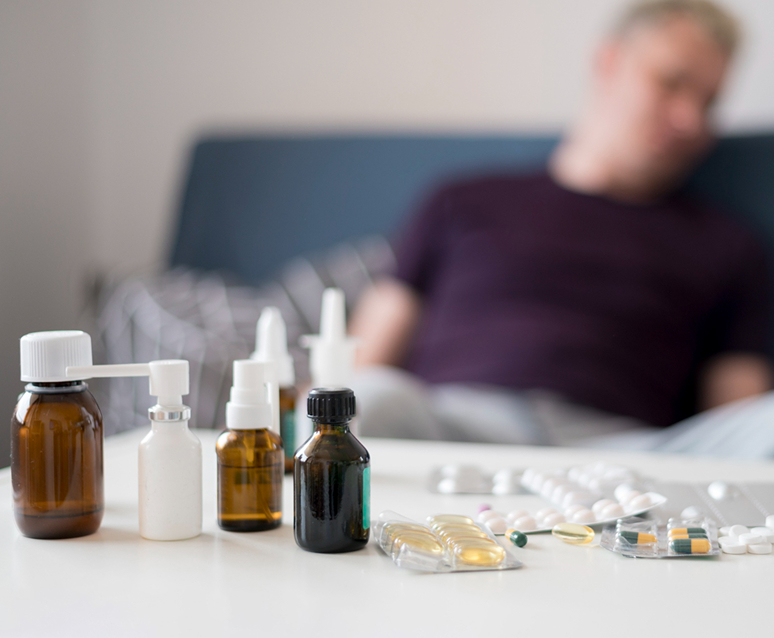
Opioid addiction is a chronic condition that alters the brain’s ability to feel pleasure, regulate pain, or function without chemical support. While each substance has unique properties, they all target the same receptors and over time, can hijack both the body and the mind. These addictions often stem from:

Pain Management That Turns Into Dependency

When relief becomes a daily need

Medications meant to help heal can gradually become substances the body depends on.

Emotional Trauma Masked by Numbing Agents

Emotional Trauma Masked by Numbing Agents

Opioids often become a way to escape unresolved grief, pain, or abuse.

Accidental Overuse That Spirals Into Survival Mode

One more pill, just to get through the day

What begins as temporary use can quickly turn into life-consuming dependency.

A Desire to Feel “Okay,” If Only for a Few Hours

Chasing normalcy that feels out of reach

The fleeting relief opioids provide makes them dangerously reinforcing.

Tolerance That Demands Higher Doses

When the same amount stops working

The body adapts quickly, leading to escalating use and greater risk of overdose.

Isolation Fueled by Shame or Stigma

Struggling alone in silence

Fear of judgment often keeps people from reaching out until the addiction feels unbreakable.

Why Compassion Matters in Opioid Recovery

Opioid addiction is not a character flaw. It’s often rooted in:

Trauma
Icon

Medical trauma or post-surgical pain

Icon

Unprocessed grief or complex PTSD

Icon

Childhood neglect or emotional injury

Icon

A body and nervous system that learned to cope through chemistry

Featured Opioids Addiction Recovery Centers

Explore Physical & Psychological Recovery Topics

Each of these substances has its own risk profile, withdrawal symptoms, and path to recovery. TruPaths offers detailed guidance on each:

Icon

Prescription Opioid Addiction

When prescribed painkillers become something more Oxycodone, Hydrocodone, Morphine & more.

Icon

Heroin Addiction

Powerful, fast-acting, and often injected heroin creates intense physical and psychological dependence.

Icon

Fentanyl & Analogues

Fentanyl is up to 100x stronger than morphine and often mixed into other drugs without users knowing.

Icon

Kratom Dependence

A plant-based pain reliever that many assume is safe but can create powerful physical addiction.

Icon

Synthetic Opioids

New lab-made opioids like U-47700 and nitazenes are showing up in street drugs and raising overdose risk.

Resources for Boundaries, Grief, and Anger

Tools and coaching to help you navigate the emotional toll of caregiving with clarity and self-respect.

Icon

Withdrawal from Life

Pulling away from friends, family, or daily responsibilities may signal growing dependency and emotional isolation.

Icon

Withdrawal Symptoms

Anxiety, irritability, or flu-like symptoms when not using can be early indicators of physical dependence.

Icon

Visible Physical Effects

Mood swings, frequent “nodding off,” slowed breathing, or appearing dazed can reflect opioid misuse.

Icon

Preoccupation With Access

Constant worry or obsessive thinking about how to refill prescriptions or obtain more opioids is common in active addiction.

Icon

Secrecy or Avoidance

Lying, hiding use, or needing to isolate to engage in use often reflects internalized shame and the grip of addiction.

Icon

Overdose or Escalation

Experiencing near-overdoses or needing higher amounts to feel the same effect shows serious progression in use.

What Kind of Support Works?

Opioid addiction requires multi-layered care. It’s not just about detox, it’s about emotional healing, nervous system stabilization, and long-term support. TruPaths connects you to programs that offer:

Icon

Medically assisted treatment

Includes Suboxone, Methadone, or Naltrexone to help manage withdrawal and cravings.

Icon

Dual diagnosis care

Integrates trauma and mental health support alongside addiction treatment.

Icon

Long-term residential or transitional housing

Provides structure, safety, and community during early recovery.

Icon

Relapse prevention and aftercare

Supports you with ongoing guidance, accountability, and connection.

Trauma

Therapies That Help with Opioid Addiction

The best recovery goes far beyond detox. We guide you toward therapies that heal the why behind the use:

Relapse Prevention & Skill-Building

Relapse Prevention & Skill-Building

Strengthen coping strategies and healthy habits

Focuses on identifying triggers, developing relapse prevention plans, and practicing new life skills to support sustainable recovery.

Group Therapy

Group Therapy

Find connection and support from peers

Provides a safe space where people with shared struggles can exchange experiences, build accountability, and reduce isolation.

Trauma Therapy

Trauma Therapy

Heal underlying traumatic experiences

Supports individuals in processing past trauma through approaches like EMDR, IFS, or somatic therapy, addressing root causes that fuel addiction.

Cognitive Behavioral Therapy (CBT) & Dialectical Behavior Therapy (DBT)

Cognitive Behavioral Therapy (CBT) & Dialectical Behavior Therapy (DBT)

Regulate emotions and manage cravings

Helps individuals identify distorted thought patterns, strengthen coping strategies, and tolerate distress without turning to substances.

Medication-Assisted Treatment (MAT) with Integrated Therapy

Medication-Assisted Treatment (MAT) with Integrated Therapy

Treat substance use disorders more effectively

Combines FDA-approved medications such as Suboxone or Methadone with counseling and behavioral therapies to reduce cravings, stabilize recovery, and prevent relapse.

Family Healing

Family Healing

Rebuild trust and strengthen relationships

Helps families repair communication, restore healthy boundaries, and create supportive home environments that foster recovery.

From the TruPaths Community

You Deserve Real Healing

You are not “an addict.” You are a person who found relief the only way you knew how and now you’re ready for a new way forward. We believe that healing doesn’t begin with shame. It begins with truth, support, and love.

“Your pain was real. Your healing can be too.”

Take the First Step Today

Whether you're in crisis, in early recovery, or just trying to understand what’s going on TruPaths is here to walk beside you. Gently. Clearly. Without judgment.

Expert

About TruPath's Recommendations

Recommendations are based on your location and recovery needs, including the programs you've explored, the services you've saved, and the filters you've used. We use this information to highlight similar treatment options so you never miss a trusted path forward.

Tru AI
expand minimize
close
send