
Sober living homes sit in a practical gap that many families recognize but do not always know how to name. Clinical treatment can help someone stabilize and start building recovery skills, yet daily life has immediate pressures that treatment does not remove. Jobs, transportation, family conflict, loneliness, money stress, and exposure to substance use can return the moment someone leaves a structured setting. A sober living home is designed to reduce that shock by offering a stable place to live while a person practices recovery in real conditions with consistent accountability.
History of Sober Living
Residents live in a setting that expects abstinence from alcohol and nonprescribed drugs, and the home is organized to support stability and accountability. Sober living houses did not appear out of nowhere. It grew from a long tradition of mutual support and social recovery approaches that emphasized shared responsibility and community-based change. Over time, these approaches developed into more formal housing options that could support recovery between treatment and full independence.
Several forces shaped that evolution. One is the recognition that recovery depends on more than clinical stabilization. Another is the practical need for safe housing after discharge from treatment, hospitalization, or incarceration. A third is the rise of peer recovery support as a recognized component of recovery-oriented systems of care. It also reflects a broader public health shift toward paying attention to social drivers of recovery. Housing stability and connection to services influence whether someone can sustain recovery over time.

Models and Types of Sober Living Homes
A better approach is to evaluate how each model operates in daily life and whether the environment matches the resident’s clinical needs and personal stability. The following categories highlight practical differences that influence long-term recovery outcomes:
- Structured Living and Daily Accountability: Homes described as structured sober living typically use curfews, chore rotations, mandatory meetings, and defined behavioral expectations to create consistency. Structure may come from written house rules, active oversight by a house manager, or a formal schedule that includes recovery meetings and life skills practice. The critical factor is enforcement. Residents who require external accountability often benefit from regular check-ins and clear consequences, whereas individuals with greater stability may thrive in settings that rely more heavily on peer responsibility.
- Manager-Run Versus Peer-Run Models: Some residences operate under direct managerial supervision with frequent monitoring, while others rely on peer governance and shared responsibility. Manager-run environments often provide closer oversight, documented rule enforcement, and organized communication with families or clinicians. Peer-run homes can foster independence and leadership development, but require residents to tolerate shared decision-making.
- Luxury Amenities and Recovery Priorities: Luxury sober living commonly refers to upscale housing, private rooms, premium furnishings, and concierge-style conveniences. While comfort and safety can support stabilization, aesthetic features do not automatically translate into better recovery outcomes.
- Outpatient-Linked Residences: Outpatient sober living arrangements expect residents to attend therapy, intensive outpatient programs, or medication appointments while residing in the home. This structure can simplify transportation logistics and strengthen coordination between housing and clinical services. Attendance tracking and communication with providers can reinforce relapse prevention planning. However, alignment matters. If employment demands, mental health symptoms, or transportation barriers make compliance unrealistic, tension may build, increasing the likelihood of rule violations or premature discharge.
- Faith-Centered Recovery Homes: Christian sober living and other faith-centered residences integrate spiritual practices into daily routines through worship, devotional activities, and community involvement. For residents who actively seek faith-based recovery, this framework can deepen meaning and strengthen accountability. Difficulties arise when expectations are unclear or when participation feels obligatory rather than voluntary. Ethical homes communicate spiritual commitments openly, respect individual autonomy, and maintain boundaries that prevent coercion while preserving a supportive faith community atmosphere.
- Couples Housing and Transitional Comparisons: Sober living for couples allows partners to recover within shared housing, which can enhance mutual support during early stabilization. At the same time, relational conflict or relapse by one partner can destabilize the household quickly. Clear policies around boundaries, privacy, and safety are essential. Consumers comparing sober living vs. halfway house options should examine referral sources, supervision levels, time limits, and legal oversight rather than relying on terminology, since definitions vary widely by jurisdiction.
Levels of support, ranging from peer-run environments to clinically integrated settings, underscore the importance of matching structure and oversight to the individual’s stability and recovery stage rather than selecting based solely on labels.
Program Components and Sober Living Home Rules
Most sober living homes share several operational elements. A substance-free environment is foundational. That typically includes expectations about abstinence, drug, and alcohol possession. Homes also tend to include a governance structure, even if informal, that clarifies who makes decisions and how conflicts are resolved.
Residents often share responsibility for the household through chores and participation in meetings. Many homes encourage or require connection to recovery supports outside the home, such as mutual help meetings. Most residents also contribute financially through rent and shared expenses. This matters because financial responsibility can reinforce independence and planning skills. High-quality homes address this tension with clear payment policies and reasonable expectations about employment and stability.
The phrase sober living facilities can sometimes lead people to expect a clinic-like setting. Most are residential homes rather than treatment facilities. That matters for expectations. Residents should not assume clinical staff are present unless the home explicitly states so. Residents should also expect to assume greater responsibility for accessing counseling and recovery supports when those services are not integrated into the home.
How Sober Living Supports Long-term Recovery and Integrates with Treatment
Many people think the hardest part of recovery is detox or inpatient treatment. For some, the hardest part is the month that follows discharge. Treatment can provide intensive support, yet daily life can reintroduce triggers immediately without the protective structure that exists in a facility.
This is why sober living after rehab is often described as a bridge. A resident can resume work and rebuild routines while still living in a setting that reinforces abstinence and accountability. The home can function as a daily checkpoint. It can also provide social reinforcement at the exact moment when isolation tends to rise. This bridge role becomes more important for residents who cannot return to a safe home environment, or who live with others who actively use substances. For them, sober living can be less of a convenience and more of a safety intervention.

High-quality recovery does not treat housing as separate from care. Instead, it builds a network around the resident. Many residents attend therapy, medication appointments, or group treatment while living in sober housing. That combination allows clinicians and peers to reinforce shared recovery goals across contexts. It also makes relapse prevention planning more practical. This is one reason sober living programs often emphasize connection to community supports rather than isolation from the community. The goal is not to hide from life. The goal is to practice living. This broader network effect is what many people mean when they talk about sober living communities. The home is not only a place to sleep. It is a launch point for rebuilding recovery supports in everyday public life.
Some residential settings provide both treatment and housing within a single integrated program. Others partner closely with outpatient providers. In consumer language, this can be searched as sober living rehab. If the setting involves clinical treatment, ask about licensing, clinical staff credentials, and the management of treatment plans. If the setting is nonclinical sober housing, ask about their referral relationships and how they support residents in accessing care.
Practical Metrics for Success and Relapse Prevention
These metrics are tools for decision-making. They help someone determine whether a setting is supporting recovery or simply providing a bed. This can be organized into 3 domains:
- Stability: This includes reliable sleep patterns, access to nutritious meals, and secure housing with infrequent disruptions. A stable environment reduces unnecessary stress and supports emotional regulation. Predictable routines such as set wake times and curfews reinforce accountability.
- Engagement: It measures how consistently a resident participates in recommended services and community supports. This includes attending outpatient therapy when clinically indicated, attending peer meetings, and communicating openly with staff. Engagement also involves reaching out before problems escalate rather than after setbacks occur. Active participation signals ownership of the recovery process. When individuals demonstrate curiosity, willingness, and follow-through, it suggests they are integrating recovery principles into daily decision-making rather than complying passively.
- Functioning: Indicators include steady employment or educational enrollment, responsible budgeting, and reliable transportation arrangements. Progress in time management, conflict resolution, and task completion also reflects improving executive skills. These practical competencies reduce vulnerability to stress-related relapse. As independence strengthens, confidence grows. Measuring functioning ensures recovery extends beyond abstinence and translates into sustainable, self-directed living that can withstand ordinary pressures and transitions.
Relapse prevention in sober living is rarely one tactic. It is more like layered risk reduction. House rules reduce immediate exposure. Peer accountability adds early detection. Outpatient care strengthens coping and planning. Community connection builds resilience after discharge from the house.
Cost, Funding, and Legal Basics
The cost of sober living is not standardized nationally, and this report does not assume a single price range since market rates vary by region, housing type, and service intensity. Instead, it is more useful to understand what you are paying for. Most costs resemble shared housing costs plus program administration. Fees can include rent, utilities, food, transportation support, staffing, drug screening, and recovery programming, depending on the model. Some homes bundle these costs. Others separate them into distinct charges.
Funding options also vary. Many residents pay out of pocket using employment income or family support. Some residents use scholarships offered by local nonprofits, faith communities, or recovery community organizations. Some may have reentry-related support if the placement is linked to a supervision plan. A key planning consideration is the difference between housing costs and treatment costs. Health insurance is typically designed to cover clinical services, not rent. In some integrated models or grant-supported programs, housing may be partially subsidized. When evaluating a home, ask directly what is included, what is optional, and what additional costs are likely.
To find sobriety houses online sounds simple. A good approach starts with narrowing down to your priorities, then verifying the home in person or through a structured interview. A practical sequence looks like this:
- Start with needs and constraints. Clarify the needed level of structure, budget ceiling, required location, employment schedule, transportation access, and whether outpatient attendance is expected.
- Screen for quality indicators. Look for a published rules document, transparent fee structure, clear relapse policy, written grievance process, and clarity about medication policies.
- Verify safety and ethics. Ask how drug screening is handled, how emergencies are managed, and how the home prevents exploitation or coercion. Ask who owns the home and who is responsible for day-to-day management.
- Confirm fit. Whenever possible, visit, meet current residents, and assess whether the culture feels supportive rather than chaotic.
This is also the step at which referral directories can be useful if they present information transparently and encourage due diligence. TruPaths can be used as a starting point to explore verified recovery care tailored to your unique needs.
How to Evaluate a Home When You Call
A phone call can reveal a lot. High-quality operators will answer clear questions without pressure tactics. They will also be willing to provide written policies. Ask questions that reveal operational reality:
- What are the expectations for meetings, chores, curfew, and work or school participation?
- What happens after a positive drug test or return to use?
- How are medication storage and safety handled?
- Whether residents can stay as long as they comply, or whether there is a time limit?
- How are conflicts handled, and who mediates?
- Whether the operator provides references or allows a visit?
Group homes for people with disabilities, including people in recovery, are protected under fair housing law, and state and local regulations must be applied in a neutral way without discrimination while still allowing legitimate health and safety regulations.
Common Challenges and Best Practices
Sober living is a human system. This means it includes predictable stress points that can be managed effectively or ineffectively. Common challenges for residents include cravings, conflict, shame after setbacks, frustration with rules, and difficulty balancing work, outpatient appointments, and recovery meetings. Residents do better when they treat the house as a practice space. They benefit from holding house meetings to bring issues to the fore early. They also benefit from building a daily schedule that protects sleep and reduces isolation.
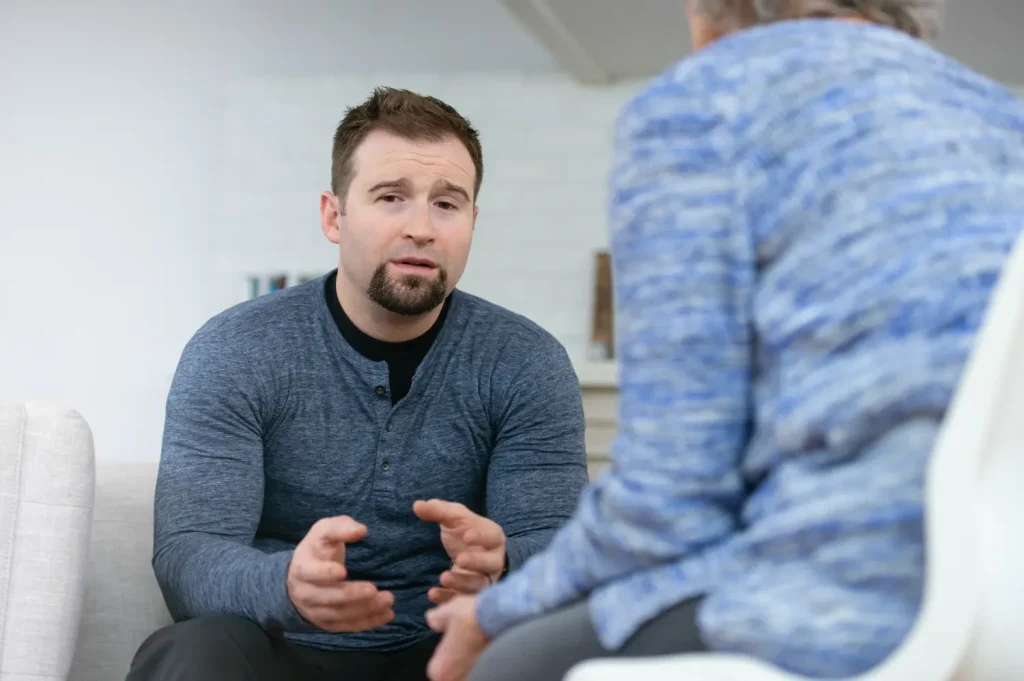
It helps to think of sober living as a recovery support strategy rather than a single program format. Some homes are peer-run with minimal staff. Others have managers, structured schedules, or strong links to outpatient treatment. The common thread is a substance-free living environment that reinforces recovery through shared expectations and routine. The benefits of sober living are most evident when the home aligns with a person’s needs, has transparent expectations, and connects residents to supports that match their recovery plan.
Sources
- Substance Abuse and Mental Health Services Administration. Housing Supports Recovery and Well-Being: Definitions and Shared Values.
- Mericle AA and colleagues. Social Model Recovery and Recovery Housing. 2023.
- National Alliance for Recovery Residences. Standards.
- Polcin DL and colleagues. Sober Living Houses for Alcohol and Drug Dependence: 18-Month Outcomes. 2010.
- Substance Abuse and Mental Health Services Administration. Best Practices for Recovery Housing. 2023.
- Vilsaint CL and colleagues. Recovery housing for substance use disorder: a systematic review. 2025.
- U.S. Department of Housing and Urban Development and U.S. Department of Justice. Joint Statement on State and Local Land Use Laws and Practices and the Application of the Fair Housing Act. 2016.