An approach that recognizes the impact of cultural identity, systemic oppression, and collective trauma on the inner system helping individuals and communities heal with dignity and connection.
A Simple overview of how sessions work, how often they occur, and the practices that support racial and intergenerational trauma recovery.
Racial and cultural trauma, intergenerational wounds, migration/displacement, identity struggles, systemic oppression, collective grief
Individual, Family, Group, or Community-Based · In person or Virtual
Weekly or biweekly · Session length: 60–90 minutes
Flexible · From short-term workshops to long-term community healing programs
Narrative Therapy, Somatic IFS, trauma-informed care, mindfulness, community-based interventions
Increasing recognition for addressing systemic and intergenerational trauma
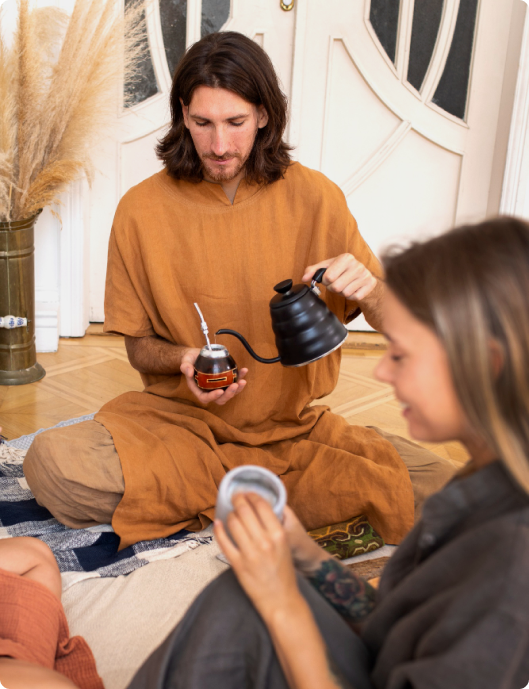
While traditional IFS focuses on the individual’s inner system, Cultural & Collective IFS expands this model to include cultural identity and systemic influences.
How shared stories shape our understanding of addiction and healing
The emotional wounds passed down through families and their impact on recovery
How communities experience and respond to large-scale emotional pain
How heritage, beliefs, and a sense of belonging influence personal resilience
Using cultural healing and the IFS model to strengthen recovery
Acknowledges oppression, racism, or historical trauma as real influences on the inner system
Helps families address pain passed through generations
Supports individuals in integrating their cultural identity with Self-leadership
Offers collective spaces for storytelling, witnessing, and shared resilience
Sessions may vary depending on individual or group focus, but often include:
Identifying parts shaped by cultural expectations or systemic oppression.
Exploring collective and family narratives within therapy.
Group healing circles or culturally rooted practices.
Empowering individuals to live authentically within cultural contexts.
This form of IFS supports individuals carrying the impacts of generational pain, cultural pressure, or community-level trauma. By gently exploring the parts shaped by these experiences, people can find clarity, belonging, and empowerment. It helps individuals release inherited emotional burdens and reconnect with a grounded sense of Self, identity, and purpose.
Individuals experiencing racial or cultural trauma
Families impacted by migration, displacement, or intergenerational pain
Communities healing from systemic oppression or violence
People struggling with identity conflicts or cultural disconnection
Groups seeking collective healing spaces
Supporting recovery through culturally grounded, collective care
TruPaths highlights this model because recovery does not happen in isolation. Cultural and systemic forces shape inner parts, and collective healing is as vital as individual healing. This approach honors diversity, dignity, and community resilience.
Your healing is part of a bigger story. Cultural & Collective IFS helps individuals and communities heal intergenerational wounds, reclaim identity, and build resilience together.
Recommendations are based on your location and recovery needs, including the programs you've explored, the services you've saved, and the filters you've used. We use this information to highlight similar treatment options so you never miss a trusted path forward.