
Opioid addiction continues to be a major public health crisis in the United States. In 2021 alone, nearly 107,000 Americans died from drug overdoses, and about 75% of those deaths involved opioids. Despite these grim statistics, recovery from opioids is achievable. With the right support and comprehensive opioid addiction treatment, individuals can overcome opioid dependence and rebuild their lives.
If you or a loved one is struggling, it’s important to learn how to recover from opioid addiction and what effective treatment entails. In this article, we’ll walk through the essential steps to sobriety – from detox and treatment options to aftercare and relapse prevention – providing a roadmap for long-term recovery and highlighting key resources available.

Understanding Opioid Addiction
Opioid addiction (clinically known as opioid use disorder, or OUD) is a complex, chronic condition. Opioids include prescription painkillers (like oxycodone and hydrocodone) as well as illegal drugs like heroin and potent synthetics such as fentanyl. These substances bind to opioid receptors in the brain, producing pain relief and intense euphoria, but repeated use changes the brain’s chemistry. Over time, the brain becomes dependent on opioids to function “normally.” This leads to tolerance (needing more of the drug to get the same effect) and withdrawal symptoms if use is reduced or stopped. As a result, individuals often find themselves caught in a cycle of compulsive use despite harmful consequences.
Crucially, experts now recognize that addiction is a medical brain disorder, not a moral failing. In fact, the National Institute on Drug Abuse (NIDA) emphasizes that addiction is a chronic yet treatable condition of the brain. This means that, like other chronic illnesses (such as diabetes or hypertension), opioid addiction can be managed successfully with proper care. Opioid addiction treatment typically involves addressing both the physical and psychological aspects of the disease. It’s not easy – withdrawal can be intense, and cravings can be powerful – but recovery is possible with evidence-based interventions, support, and persistence.
Understanding why opioid addiction is so difficult to overcome on one’s own is an important first step. Opioids hijack the brain’s reward system, reinforcing drug-taking behavior. Someone with OUD may genuinely want to quit, yet find it nearly impossible due to debilitating withdrawal symptoms (like severe flu-like illness, pain, vomiting, anxiety, and cravings) and overwhelming psychological compulsion. The fear of withdrawal itself keeps many people using. That’s why professional treatment is crucial – it provides medical assistance to get through withdrawal and therapies to learn new coping skills. Fortunately, with proper opioid addiction treatment, individuals can break free from opioid dependence and regain control of their lives. The rest of this guide will explain how.
Treatment Options for Opioid Addiction
There are several opioid treatment options available to help individuals recover. The most effective approach usually combines medication with behavioral therapy and support – often referred to as Medication-Assisted Treatment (MAT) or Medication for Opioid Use Disorder (MOUD). Decades of research have shown that MAT greatly improves outcomes for people with opioid addiction. For those wondering how medication helps opioid recovery, the answer lies in its ability to stabilize brain chemistry. Medications like methadone, buprenorphine (Suboxone®), or naltrexone can reduce withdrawal symptoms and cravings, which allows the person to function better and engage more fully in therapy and daily life. According to the Substance Abuse and Mental Health Services Administration (SAMHSA), combining FDA-approved medications with counseling provides a “whole-patient” approach that effectively treats opioid use disorder and helps sustain recovery. In short, medication addresses the biological aspect of addiction while therapy addresses the behavioral and emotional aspects.
Counseling and behavioral therapies are the other vital components of treatment. Individual counseling can help uncover underlying issues (such as trauma, mental health conditions, or stress) that contribute to drug use. Cognitive-behavioral therapy (CBT), for example, teaches people to recognize triggers and negative thought patterns, then develop healthier coping strategies instead of using opioids. Group therapy and peer support groups (like NA – Narcotics Anonymous) provide a sense of community and understanding from others who have walked the same path. Family therapy can repair trust and improve communication at home, which strengthens the support system around the person in recovery.
In addition to MAT and counseling, opioid treatment options may include a variety of supportive services. Many rehab programs offer education on addiction and relapse prevention, life skills training, vocational assistance, and case management to address practical needs (like housing or legal issues). Holistic therapies (such as mindfulness meditation, yoga, exercise, or art therapy) are often incorporated to help heal the mind-body connection and manage stress. The goal is to treat the whole person, not just the drug use. Every individual is different, so treatment plans should be tailored to one’s specific situation – taking into account the severity of addiction, any co-occurring mental health disorders, and personal preferences.
One challenge we face in the U.S. is that these evidence-based treatments are underutilized. For instance, medications like buprenorphine and methadone can cut the risk of fatal overdose in half for people with OUD, yet not everyone who needs these medications is receiving them. (One national study found that only about 1 in 5 individuals with opioid use disorder received medication treatment in 2021, highlighting a significant gap in care.) Increasing access to quality treatment is key to improving recovery rates. If you or someone you know is seeking help, be sure to explore programs that offer FDA-approved medications as well as counseling – this combination is considered the gold standard for opioid addiction treatment.
Detox: The First Step in Recovery
For anyone starting the journey to recovery, detoxification (detox) is typically the first critical step. Detox is the process of clearing opioids from the body while managing the acute withdrawal symptoms that occur. Opioid withdrawal itself, while not usually life-threatening, can be extremely uncomfortable and challenging. In fact, fear of withdrawal is a major reason many people keep using opioids; they dread how sick they will feel if they stop. Because of this, a medically supervised detox is often necessary to break the initial physical dependence. Under the care of doctors or addiction specialists, individuals can be given medications to ease symptoms (for example, buprenorphine to relieve cravings and body aches, or comfort meds for nausea and anxiety). Medical staff also monitor vital signs and provide support to ensure safe withdrawal.
It’s highly recommended to undergo detox at a professional facility rather than trying to quit “cold turkey” alone. The withdrawal period for short-acting opioids (like heroin or oxycodone) usually lasts about 5-7 days, while long-acting opioids (like methadone) may result in a longer withdrawal up to 10 days or more. During this time, having medical supervision can prevent complications and greatly reduce discomfort. Many of the top detox centers in the country provide 24/7 care, meaning nurses and clinicians are available around the clock to help patients get through the worst of withdrawal. This support can include IV fluids for dehydration, nutritional support, and emotional reassurance in addition to medication.
It’s important to note that detox alone is not a complete treatment for opioid addiction. Rather, it is a first step – essentially stabilizing the person and clearing their mind so they can participate in ongoing rehab and recovery activities. Think of detox as “getting off the roller coaster” of constant opioid use and withdrawal. Once a person is past the acute withdrawal phase, they are in a much better position to focus on the deeper work of recovery. Many detox programs will immediately link individuals to further treatment (such as transferring into a residential rehab or intensive outpatient program) as soon as they are medically stable. Skipping this follow-up is dangerous because the person will be very vulnerable to relapse – opioid cravings can remain strong for some time after detox, and without additional support and coping strategies, there’s a high risk of returning to use. In summary, detox is a crucial first step in breaking physical dependence, but true recovery involves continuing with therapy, medication management, and support beyond the detox phase.
Key Steps in Addiction Recovery
While everyone’s path is unique, most people go through similar steps in addiction recovery on the road to sobriety. Recovery is best viewed as a process of change that unfolds over time. For most individuals, the journey can be broken down into a series of fundamental phases or milestones – essentially the steps to addiction recovery. Below is an overview of the major steps involved in recovering from opioid addiction:
- Acknowledgment of the Problem: The first step is recognizing and admitting that you have an addiction and need help. This step often comes after a period of denial. It might be prompted by “hitting rock bottom,” a health scare, legal issues, or loved ones intervening. Acknowledging the problem is crucial because it opens the door to seeking treatment. No change can occur until a person fully confronts the reality of their addiction.
- Detox and Withdrawal Management: The next step is stopping opioid use and getting through the withdrawal phase safely. This usually involves a medical detox program, as discussed earlier, to manage withdrawal symptoms under professional supervision. The goal in this stage is to get the drugs out of your system and achieve initial physical stability.
- Formal Treatment Program (Rehab): Once detox is complete, the individual should transition into a structured treatment program. This could be inpatient rehab (residential treatment) where one lives at a facility for a period of time, or outpatient treatment where one attends therapy and doctor appointments while living at home. In this phase, the person participates in counseling (individual and group therapy), educational workshops, and other therapies to understand their addiction and develop healthier coping skills. Medication-assisted treatment may be initiated or continued here as well. This is the core phase where a lot of psychological healing and skill-building takes place.
- Developing a Support System: Recovery is not a solo journey – having a support network is essential. A key step is to build a sober support system that may include attending peer support groups (like Narcotics Anonymous or SMART Recovery), reconnecting with supportive family and friends, and possibly engaging a sponsor or recovery coach. Surrounding yourself with people who encourage sobriety can provide accountability and understanding. Many individuals also benefit from family therapy during this stage, so that loved ones learn how to support recovery and heal any relationship strains caused by addiction.
- Lifestyle Changes and Healthy Habits: Achieving sobriety involves more than just not using drugs; it means creating a healthier overall lifestyle. In recovery, people often need to make significant life changes. This step can include finding stable housing, pursuing employment or education, and developing routine healthy habits. Regular exercise, nutritious eating, and adequate sleep all help the brain and body recover from opioid use. Learning stress-management techniques (like mindfulness meditation, deep breathing, or journaling) is also important, since stress is a common trigger for relapse. Replacing the time and energy once spent on drugs with positive activities and hobbies is part of rebuilding a fulfilling life.
- Aftercare Planning: Before “graduating” from a rehab program, a person should work with counselors to create a solid aftercare plan. This plan outlines how they will continue supporting their recovery once formal treatment ends. It typically involves ongoing therapy (e.g., weekly counseling or outpatient group sessions), continued use of any prescribed medications (such as buprenorphine or naltrexone maintenance), regular attendance at support meetings, and possibly transitional housing like a sober living home if needed. Aftercare planning is a proactive step to ensure the individual doesn’t just leave treatment and feel lost; instead, they have a roadmap and resources to lean on moving forward.
- Long-Term Maintenance & Relapse Prevention: Recovery is a lifelong journey. The final “step” is really an ongoing commitment to maintain sobriety and handle life’s challenges in healthy ways. This means continuously practicing the skills learned in treatment, staying connected with support networks, and remaining vigilant about relapse prevention (which we will discuss more below). Many people continue with some form of support indefinitely – whether that’s therapy, medication, peer meetings, or all of the above. Over time, managing addiction becomes easier, but it requires persistence. The goal is to reach a point where living a drug-free life feels rewarding and stable, and if slips or relapses happen, to treat them as learning experiences and get back on track quickly.
These steps to sobriety don’t always happen in a neat, linear order – some overlap or may repeat. For example, someone might go through detox and rehab, do well for a while, then experience a relapse and have to re-enter treatment. That’s okay; it’s all part of many people’s recovery stories. What’s important is to keep moving forward and not lose hope, even if there are setbacks. Each step builds a stronger foundation for the next, ultimately leading to lasting recovery.
Rehab Programs and Choosing a Treatment Center
After detox, many individuals will spend time in a rehab program as the next phase of recovery. There are numerous opioid rehab centers across the country, and finding the right one can feel overwhelming. The options generally fall into a few categories: inpatient (residential) rehab, partial hospitalization programs (PHP), intensive outpatient programs (IOP), and standard outpatient treatment. Inpatient rehab provides the highest level of structure and support – patients live at the facility full-time, typically for 28 days or longer, and follow a daily schedule of therapy, groups, and activities. This immersive environment can be very effective, especially for those with severe addictions or unstable home situations, because it removes access to drugs and allows one to focus entirely on recovery. Outpatient programs, on the other hand, let individuals live at home and attend treatment sessions for a certain number of hours per week. Outpatient care might be suitable for those with milder addictions or strong external support, and it’s often a step-down after completing an inpatient stay.
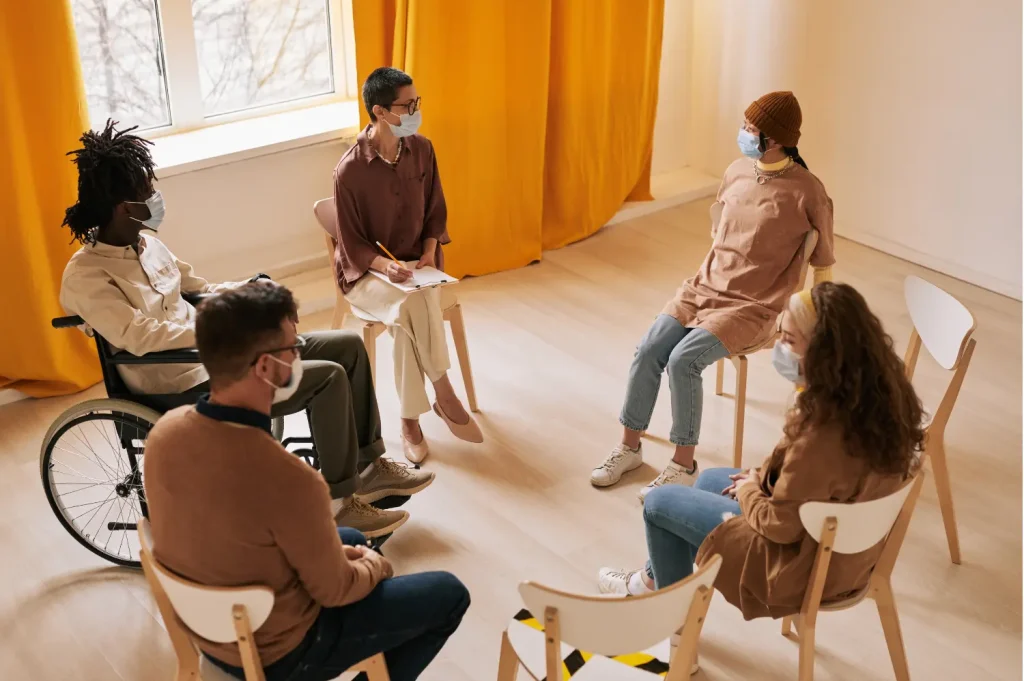
When evaluating rehabs, it’s important to look for certain quality indicators. Many of the best rehab centers in the country share common traits: they are accredited by national organizations (ensuring they meet high standards of care), employ licensed and experienced addiction professionals (doctors, therapists, nurses), provide evidence-based treatments (like MAT, CBT, etc.), and offer individualized care plans (tailoring treatment to each person’s needs rather than a one-size-fits-all approach). You’ll also want to consider practical factors such as location, cost, insurance acceptance, and program length. Some people prefer a rehab close to home for family involvement, while others benefit from getting away from their triggering environment entirely. There are also specialized rehabs for certain populations – for example, programs specifically for women, teens, veterans, or those with co-occurring mental health disorders.
Another option to be aware of is an opiate treatment center, which usually refers to a specialized outpatient clinic (often called an Opioid Treatment Program or OTP). These clinics are certified to dispense medications like methadone or buprenorphine on a daily or weekly basis to individuals with opioid use disorder. An OTP (opiate treatment center) can be a good choice for someone who cannot attend a residential rehab due to work or family responsibilities, or as long-term medication maintenance after completing a rehab program. At these centers, patients often see a counselor regularly in addition to receiving their medication doses. OTPs have been around for decades (especially methadone clinics) and are proven to help many people achieve stability, though they require a strong commitment to attend frequently and follow program rules.
For those with the means or specific preferences, luxury rehab centers are also an option. Luxury rehabs are high-end facilities that offer treatment in a more resort-like setting with upscale amenities. Patients at a luxury rehab might enjoy private rooms, gourmet meals prepared by chefs, spa services (massage, acupuncture), fitness facilities, and extracurricular therapies like equine therapy or adventure outings. The atmosphere is designed to be very comfortable and discreet. Importantly, these facilities still provide the same core treatments – counseling, group therapy, and often medication – just in a plush environment. Nearly all luxury rehab centers offer evidence-based addiction treatments (such as psychotherapy and medication) alongside those high-end amenities. The cost of luxury rehab is significantly higher than standard programs, but some people value the enhanced privacy, alternative therapies, and personalized attention. Whether luxurious or basic, the critical factor is that the rehab provides solid treatment practices.
When choosing a rehab or treatment center, consider your specific needs and what setting will enable you to focus on recovery. Questions to ask might include: What is the staff-to-patient ratio? Do they provide medical detox on-site? Is there 24-hour medical care? What therapies do they specialize in (trauma therapy, dual-diagnosis treatment, etc.)? What does a typical daily schedule look like? And what kind of aftercare planning do they offer upon discharge? Remember that no single rehab is “best” for everyone – the best program is one that aligns with the individual’s situation and will keep them engaged in the healing process. The good news is that there are many reputable opioid rehab centers and programs out there, from non-profit community clinics to renowned residential facilities. Taking the time to research and ask for recommendations (from a doctor, therapist, or support group) can help you find a treatment center where you feel safe, supported, and motivated to recover.
Finding a Rehab Center and Online Resources
In today’s digital age, it has become much easier to find rehab center online and explore treatment options from the comfort of home. A great starting point is the SAMHSA Treatment Locator, a comprehensive online tool provided by the Substance Abuse and Mental Health Services Administration. This website allows you to search for addiction treatment facilities across the United States by simply entering your zip code or city. You can filter results by the type of care needed (detox, inpatient, outpatient, etc.), specific services offered (such as medication-assisted treatment or dual diagnosis care), accepted payment/insurance, and more. SAMHSA’s locator makes it straightforward to find opioid rehab centers or mental health clinics tailored to your needs. Each listing includes contact information and details about the program, so you can start making calls or visiting websites to inquire further.
Additionally, SAMHSA operates a free, confidential National Helpline (1-800-662-HELP), available 24/7, which you can call to get treatment referrals and information from a trained specialist. They can assist you in locating appropriate services in your area and answer questions about the process of getting into treatment. Many states and local communities also have their own helplines or resource websites for finding addiction treatment nearby.
When researching rehab centers online, be sure to consider the source of the information. Many treatment facilities have their own websites with virtual tours, testimonials, and outlines of their programs. While these can be informative, keep in mind they are also marketing tools. It can be useful to cross-reference what you find with independent reviews or third-party resources. Websites like addiction treatment directories or nonprofit organizations (e.g., the National Institute on Drug Abuse, SAMHSA, or state health department sites) can provide objective facts about treatment and even list questions to ask providers.
If you have health insurance, your insurer’s website or customer service line can also help identify which rehab providers are in-network, which can significantly reduce costs. For those without insurance or with limited means, searching for “state-funded rehabs” or “sliding scale clinics” plus your state’s name might yield options that offer low-cost or free treatment. Remember, the goal is to get into treatment – if one program has a long wait list, don’t hesitate to find another. There is help available, and using online tools can help you cast a wide net to find the right opportunity.
Finally, don’t underestimate the power of a simple phone call or email. If you find a rehab that looks promising, reach out to them. Most centers have admissions counselors who can walk you through their intake process, discuss financing or insurance, and even advise on interventions if you’re helping a loved one. Taking that first step to contact a treatment provider can feel intimidating, but it’s a huge leap toward recovery. Many people say that once they made that call, they felt relief and a sense of hope. So leverage the resources at your fingertips – whether it’s the SAMHSA locator to find rehab center online, a helpline, or trusted professionals – and get connected to the help you need.
Aftercare and Ongoing Support
Completing a formal treatment program (such as a rehab stay) is a monumental achievement, but it’s by no means the end of the recovery journey. Maintaining sobriety requires ongoing effort and support long after you leave the structured treatment setting. This is where aftercare comes in. Aftercare refers to any form of continued care or support you engage in following the initial intensive phase of treatment. Effective aftercare can significantly reduce the risk of relapse and help individuals transition back into everyday life as a sober person.
One common form of aftercare is outpatient counseling or therapy on a weekly or biweekly basis. Continuing to see a therapist or counselor helps you work through new challenges, reinforce coping strategies, and stay accountable. Many treatment programs will set up an aftercare therapy schedule for graduates or recommend local counselors who specialize in addiction recovery. Similarly, attending peer support meetings regularly is highly encouraged. Groups like Narcotics Anonymous (NA), Alcoholics Anonymous (AA, if one’s addiction included alcohol), SMART Recovery, or other community recovery groups provide invaluable fellowship. Sharing experiences, struggles, and successes with peers who understand can make you feel less alone and more motivated to stay on track. In early recovery, some people go to meetings every day; as time goes on, they might scale back to a few times a week or as needed.
Another key resource for ongoing sobriety is sober living housing. Sober living homes (also called halfway houses or recovery residences) are alcohol- and drug-free living environments for people who have recently completed rehab or do not have a stable, supportive home to return to. Living in a sober house can be an excellent bridge between the intensive treatment setting and fully independent life. These homes usually have rules (like curfews, mandatory drug testing, attending house meetings, and either working or actively seeking employment) which provide structure and accountability. Residents often form close bonds and support each other’s sobriety. Research has found that residents of sober living homes show significantly better outcomes – such as higher employment rates and lower rates of relapse and legal issues – compared to those who go directly back to unstructured settings. Not everyone needs or chooses sober living, but it’s a great option for those who feel their home environment is unsafe for recovery or who simply want more time to strengthen their sobriety before total independence.
Beyond therapy, support groups, and housing, aftercare can include practical support like vocational rehabilitation (help with job training and placement) or educational pursuits. Engaging in meaningful activities – whether it’s work, school, volunteering, or creative projects – gives a sense of purpose that fuels recovery. Building a balanced life is the ultimate goal: one that includes healthy relationships, hobbies, self-care routines, and a sense of community.
It’s also wise to identify and utilize recovery-friendly resources in your area. Many communities have recovery centers or nonprofits that offer free workshops, social events (sober dances, hiking groups, etc.), and recovery coaching. Some people benefit from faith-based support, such as church recovery ministries or programs like Celebrate Recovery, if spirituality is an important part of their life. The key is to create a supportive network and routine that reinforces your commitment to stay off opioids.
Remember that aftercare is not a punishment or a sign of weakness – it’s a proven strategy that helps protect the progress you’ve made. Just as someone with heart disease might take maintenance medication and have regular check-ups to prevent recurrence, someone in recovery benefits from ongoing care to prevent relapse. Over time, the new healthy habits you practice will become second nature, and living sober will feel more and more normal. Many individuals in long-term recovery say that what once was hard eventually becomes the new lifestyle, and they continue with certain support simply because it enriches their lives.
Relapse Prevention for Long-Term Recovery
Relapse prevention is a cornerstone of sustaining recovery from opioid addiction. Opioid relapse prevention starts with understanding that addiction is a chronic condition prone to periods of remission and relapse. A relapse means returning to drug use after a period of sobriety, and it can be a one-time slip or a full return to old patterns. It’s important to approach relapse not as a personal failure, but as a signal that one’s recovery plan needs adjustment. In fact, experiencing one or more relapses is common early in recovery – NIDA estimates that roughly 40% to 60% of people recovering from substance use disorders will relapse at some point. This rate is comparable to relapse rates in other chronic illnesses (like asthma or hypertension). However, it’s critical to know that the risk of relapse decreases over time. The longer one stays drug-free and continues practicing recovery skills, the lower the likelihood of relapse becomes. Many individuals find that after about five years of continuous sobriety, their relapse risk drops dramatically (down to around 15% or less, similar to the general population)..
So how can someone in recovery guard against relapse? There are several effective strategies and they often begin in treatment with creating a relapse prevention plan. One key is to identify personal triggers – the people, places, things, or emotions that increase the urge to use opioids. Triggers can be external (like seeing an old using friend or walking by a neighborhood where you used to buy drugs) or internal (feeling stress, loneliness, anger, or even celebratory). By pinpointing these triggers, you can develop avoidance tactics or coping responses before encountering them. For example, if socializing with a certain group tends to lead to drug use, you may need to distance yourself from those acquaintances and find new sober friends. If stress is a major trigger, you’ll want to have stress-reduction practices in place (exercise, meditation, talking to a sponsor, etc.) to manage those feelings in a healthy way.
Another crucial element of opioid relapse prevention is learning to recognize the warning signs of relapse in yourself. Relapse often follows a predictable pattern: it begins with emotional and mental relapse (where the person might start feeling negative emotions, withdrawing from support, or glamorizing past drug use) before the physical act of using occurs. Common signs of addiction relapse to watch for include:
- Isolation or Withdrawing from Support: The person stops attending meetings or skips therapy sessions; they pull away from sober friends or family and spend more time alone.
- Changes in Routine or Behavior: They might neglect healthy routines – for instance, irregular sleep, poor eating, or not exercising. They may start visiting old hangouts or contacting friends from their using days.
- Sudden Mood Swings or Attitude Changes: Increased irritability, defensiveness, or complacency (“I’ve got this, I don’t need to work at recovery anymore”). Sometimes people in relapse mode start rationalizing or minimizing the risks (“Maybe I can just use once” or “I wasn’t that bad off”).
- Cravings and Obsessive Thoughts: Experiencing intense opioid cravings or frequently thinking about using. Romanticizing past highs or downplaying consequences in one’s mind is a danger sign.
- Secretive Behavior or Lying: Being dishonest about whereabouts or activities, or hiding things from loved ones, can indicate old habits creeping back.
If you notice these or other red flags, it’s critical to take action immediately – reach out to someone (a sponsor, counselor, or trusted friend), ramp up your recovery activities (attend extra meetings, remove stressors if possible), and be open about your struggles. Sometimes a brief return to a higher level of care (like a few days in a detox or a “tune-up” in outpatient therapy) can halt a relapse in its early stages.
For family members and friends, learning about these warning signs can help you intervene early if you observe them in your loved one. Encourage the person to talk about what they’re feeling and remind them of how far they’ve come. Nonjudgmental support is key – avoid anger or lectures; instead, express concern and willingness to help them get back on track.
It’s also wise to have a relapse response plan: basically, a predetermined plan of what to do if a relapse happens. This might include a list of emergency contacts to call, a relapse trigger action plan (e.g., “If I slip, I will immediately tell my therapist and ask for help rather than hiding it”), and possibly arrangements with a loved one to help facilitate getting back into treatment if needed. Some people in recovery even carry a written relapse prevention plan or keep one on their phone to review whenever tempted.
Lastly, maintaining the basics is one of the best safeguards against relapse. That means continuing to prioritize self-care (adequate sleep, nutrition, exercise), sticking with recovery routines (like meetings or spiritual practices), and setting achievable goals that keep you focused on the future. Boredom and idle time can be enemies of sobriety, so keeping a structured schedule can help. Celebrating milestones – whether it’s 30 days clean, 6 months, or 5 years – is important too, as it reinforces your motivation and reminds you of the progress made.
Relapse prevention is a continuous process. Even years into recovery, one must remain vigilant, because addiction can be cunning – stress or major life events can rekindle cravings unexpectedly. The encouraging news is that with each passing day of sobriety, you become stronger and more resilient. Many long-time recoverees say they still follow their recovery program because it not only prevents relapse but also enriches their lives, making them happier and healthier than they were before. Should a relapse occur, remember that it does not erase all your progress up to that point. You can resume your recovery journey with new insight into what went wrong and continue forward. The goal is long-term recovery, and that is achieved by preventing relapse as much as possible and learning from any setbacks that do happen.

Recovering from opioid addiction is undeniably challenging, but it is absolutely possible – and it’s happening for countless Americans every day. The journey to recovery involves multiple stages: acknowledging the problem, getting through detox, undergoing treatment (with medication and therapy), building a support network, and committing to long-term lifestyle changes. Each stage is important and brings you closer to a life free from the grip of opioids. Remember that you don’t have to do it alone. There are professionals, support groups, and resources ready to help at every turn. Whether it’s finding the right rehab program, connecting with a peer mentor, or leaning on family and friends, support is available.
If you’re reading this because you or someone you care about is struggling, let this be your encouragement: recovery from opioids is real, and there is hope even if things feel hopeless right now. People do get better. With perseverance and the right help, you can break the cycle of addiction and heal. It may take time – and it will definitely take courage – but a healthy, sober life is worth it. Every step forward, no matter how small, is progress. Celebrate those victories and don’t give up. The road to recovery is a marathon, not a sprint, but the finish line is attainable. You’ve learned about the strategies and resources that can guide you; now, the next step is yours to take. Reach out for help, believe in the possibility of change, and take it one day at a time. Opioid addiction recovery is a journey, but it’s one you don’t have to travel alone – and the destination, a life of freedom and stability, is one you truly deserve.
Sources
- National Institutes of Health – NIH News Release (Aug 2023): “Only 1 in 5 U.S. adults with opioid use disorder received medications to treat it in 2021.” nih.gov [1]
- National Institute on Drug Abuse – NIDA IC Fact Sheet 2024: Noting that addiction is a chronic, treatable brain disorder. nida.nih.gov [2]
- Substance Abuse and Mental Health Services Administration – Substance Use Disorder Treatment Options: Emphasizing combination of medication and therapy in treating opioid use disorder. samhsa.gov [3]
- Cleveland Clinic – “Opiate and Opioid Withdrawal” Health Library: Explains withdrawal and the importance of treatment for withdrawal symptoms as a first step to recovery. clevelandclinic.org [5]
- AddictionCenter – “How Much Does Luxury Rehab Cost?”: Describes features of luxury rehab centers and their evidence-based treatments with upscale amenities. addictioncenter.com [6]
- American Addiction Centers – “What is SAMHSA? … Treatment Locator”: Details the SAMHSA treatment locator tool for finding rehab centers online. americanaddictioncenters.org [7]
- AddictionHelp.com – “Addiction Recovery Statistics – Treatment Success & Failure Rates”: Reports on recovery outcomes, including improved results for sober living homes and relapse rate statistics. addictionhelp.com [8] [9]