
Overcoming addiction is a challenging journey that requires not just ending substance use, but fundamentally transforming one’s life. For many individuals, recovery after substance abuse is not a single event but a gradual process of healing and growth. Recovery is a process of change through which individuals improve their health and wellness, live a self-directed life, and strive to reach their full potential. This means that lasting sobriety comes from continual progress rather than an overnight fix.
Acknowledgement and Seeking Help
Every recovery journey begins with a courageous first step: admitting there is a problem and deciding to make a change. Denial and fear often keep people trapped in addictive cycles. It can be painful to face the truth of how substance use is affecting one’s life. Yet, acknowledging the need for help is profoundly liberating. It transforms the problem from an impossible secret into a solvable challenge. This stage may involve a personal moment of clarity or “hitting bottom,” or it might come from concerned loved ones staging an intervention. However it happens, recognizing the impact of addiction is essential to move forward.
After acceptance, the next step is to reach out for support. No one should have to recover alone. Seeking help can mean confiding in family or friends, consulting a doctor or therapist, or contacting an addiction hotline. It often involves researching treatment resources or speaking with professionals about addiction treatment options that fit one’s needs. Some people may start with their primary physician for guidance, while others may approach a rehabilitation facility or support group directly. The key is breaking the isolation and enlisting allies for the journey ahead. Remember, help is available in many forms. At TruPaths, individuals can find guidance and tools to connect with trusted addiction and mental health services, ensuring they receive the right support from the very start.

Detoxification – Clearing the Body
Once someone decides to get help, the initial focus is usually on detoxification. Detox is the process of allowing the body to rid itself of alcohol or drugs while managing the acute symptoms of withdrawal. It addresses the physical dependence that has developed. This phase can be intense, as the substance exits the system, people often experience withdrawal symptoms that range from uncomfortable to life-threatening, depending on the substance and severity of addiction.
Common withdrawal effects include nausea, sweating, shaking, anxiety, insomnia, and in severe cases, seizures or delirium. Because of these risks, top detox centers and medical professionals emphasize that detox should be done under supervision for safety and comfort. The goal of detoxification is to stop substance use as quickly and safely as possible, and depending on the individual’s condition, it may be done in an outpatient clinic or require admission to a hospital or residential program.
It’s important to understand that detox, while crucial, is only the first step in the addiction healing process. Flushing the drugs or alcohol out of one’s system restores physical stability, but it does not, by itself, change the behaviors or psychological factors that led to addiction. Detox alone does little to maintain long-term sobriety. It simply prepares the person for the therapeutic work to follow. Think of detox as clearing the ground before building a new house. It removes the immediate physical roadblocks, allowing recovery to begin truly. After detox, the individual is in a better state to engage with treatment mentally and emotionally.
Treatment and Rehabilitation
Detox addresses the body, but rehab addresses the mind and the lifestyle that fuels addiction. In this stage, individuals participate in structured addiction treatment options designed to uncover the roots of addiction and develop healthier ways of living. There are various types of addiction treatment programs available, and treatment is most effective when tailored to an individual’s unique needs. Some people do best in a residential inpatient rehab, an immersive program where they live at a treatment facility for a period of weeks or months. Others may opt for outpatient programs, where they attend therapy sessions and classes during the day but return home at night. Treatment often begins with an assessment by professionals who will recommend an appropriate level of care based on factors like the substance used, duration of addiction, physical and mental health status, and home environment.
Quality rehabilitation programs typically offer a combination of one-on-one counseling, group therapy, family therapy, educational workshops, and skills training. The core curriculum in rehab teaches people about the nature of addiction and equips them with tools to prevent relapse. Comprehensive treatment programs commonly include therapy sessions (individual and group), education on coping strategies, and varied settings or levels of care (outpatient, inpatient, etc.), depending on what each patient requires. Therapy modalities such as Cognitive Behavioral Therapy (CBT), Dialectical Behavior Therapy (DBT), or trauma-informed therapy are often used to help individuals identify triggers, manage cravings, and change negative thought patterns. Many rehabs also incorporate psychiatric care for co-occurring mental health disorders, since treating these simultaneously greatly improves the chances of recovery.
In addition to behavioral therapies, some addiction treatment options include medications. MAT is evidence-based for certain addictions; for instance, methadone or buprenorphine can be prescribed for opioid use disorder to reduce cravings, or naltrexone can be used for opioid or alcohol dependence. These medications don’t “cure” addiction, but they can stabilize brain chemistry and help prevent relapse when combined with counseling. Throughout rehab, the individual learns new coping mechanisms to deal with stress and emotions without resorting to substance use. They also begin repairing life areas harmed by addiction. By the end of the rehabilitation stage, a person has started to acquire the knowledge, skills, and support systems needed to live drug-free.
Emotional Healing and Mental Health
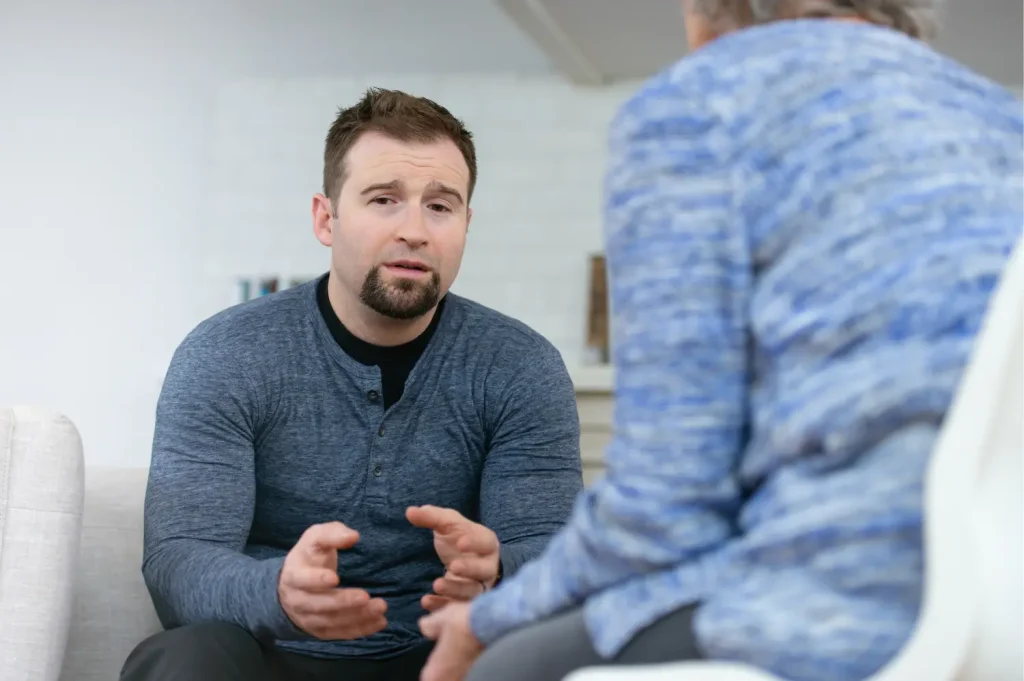
A critical but sometimes overlooked aspect of recovery is healing the emotional wounds that fuel and result from addiction. Substance abuse often goes hand in hand with mental health challenges. Many individuals turn to alcohol or drugs as a way to numb trauma, stress, depression, or other painful feelings. Conversely, prolonged addiction can create new emotional issues, and it can strain one’s ability to handle emotions healthily. Emotional healing in recovery is just as important as physical detox.
Professional treatment programs will usually screen for co-occurring disorders. If someone has conditions like depression, PTSD, or bipolar disorder alongside addiction, those must be treated in an integrated manner. A high percentage of people with substance use disorders also experience mental health issues, and vice versa. It’s crucial to address both sets of problems together. Doing so can dramatically increase the chances of overcoming addiction while also improving overall well-being. Emotional healing also involves a great deal of personal growth. Individuals often confront issues like resentments, guilt over past actions, or loss and grief that they may have been avoiding. Learning to forgive oneself and make amends to others is a powerful step in emotional healing. This concept is even built into several of the AA steps to recovery, where making amends and taking a personal inventory are emphasized.
Building Healthy Routines and Lifestyle
Recovery is also about creating something positive in its place. A sustainable sober life is built on new, healthy habits that replace the old patterns of substance use. Early on, much of each day might have revolved around obtaining, using, or recovering from drugs or alcohol. In sobriety, that time and energy must be channeled into constructive activities and self-care. Developing daily habits for addiction recovery provides structure and a sense of normalcy. It can also significantly reduce the risk of relapse, since boredom and chaos are enemies of sobriety. By filling the day with purposeful routines, individuals in recovery can avoid idle time that might lead to cravings or negative thinking.
How to stay sober, day in and day out, often comes down to consistently practicing these small healthy habits that collectively keep you grounded. Here are some examples of daily practices that support steps to addiction recovery:
- Start with structure: Maintain a consistent sleep schedule and morning routine. Getting up at a set time, taking a shower, and having breakfast each day creates a sense of order and predictability.
- Prioritize nutrition and hydration: Eat balanced meals at regular times and drink plenty of water. Proper nutrition stabilizes your energy and mood, which is vital in early recovery.
- Exercise regularly: Aim to get moving in some way each day with a brisk walk, a gym session, yoga, or even casual sports. Exercise reduces stress and can become a healthy outlet for frustration or cravings.
- Attend recovery meetings or check-ins: Schedule time for recovery activities like therapy appointments or support group meetings. These commitments keep you connected and accountable.
- Practice relaxation and mindfulness: Incorporate some form of stress reduction each day, whether it’s meditation, deep-breathing exercises, prayer, or simply spending quiet time in a hobby. Learning to calm your mind helps prevent emotional buildup.
- Set daily goals: Make a to-do list or plan for the day that includes productive tasks and enjoyable activities. Achieving small goals each day builds confidence and routine.
- Avoid idle isolation: Too much unstructured free time can be risky. Stay engaged with positive people or activities. If you find yourself bored, reach out to a sober friend, read recovery literature, or pick up a constructive task.
Equally important to personal habits is one’s living environment. A supportive, substance-free environment reinforces all the hard work put into recovery. Ideally, a home should be a place without the temptation of drugs or alcohol, which might mean clearing out any substances, paraphernalia, or reminders of using. For those whose home environment is unstable or filled with triggers, a change may be necessary to safeguard sobriety. Research has shown that lack of a stable, alcohol- and drug-free living environment can be a serious obstacle to sustained abstinence, potentially derailing recovery even for highly motivated individuals.
Aftercare and Long-Term Support
Reaching initial sobriety and even completing a treatment program are significant achievements, but the journey does not end there. It enters a new phase of maintenance and growth. Long-term recovery is often compared to managing a chronic condition. Vigilance and support must continue even after the acute phase is over. Support for addiction recovery is crucial in this stage to prevent relapse and to help individuals continue improving their lives. Aftercare planning usually begins before someone leaves a formal treatment setting. Counselors work with the individual to map out what the next months and years of recovery will look like. This plan might include ongoing therapy sessions, regular check-ins with a recovery coach, attendance at an outpatient program, or participation in alumni support groups provided by the rehab. Continuing long-term sobriety support is so important. Sticking with recovery plans and support networks over the years truly pays off. Each year of successful sobriety increases confidence and capability in living drug-free.

Aftercare may involve practical addiction recovery strategies like developing a relapse emergency plan. This could be a written plan that identifies personal triggers and lists specific coping skills to use and people to contact if cravings hit. Some individuals also choose to engage in sober living arrangements during this phase if they haven’t already, or to stay longer in a sober living home until they feel more confident living independently. Maintaining employment or volunteering, pursuing education, and setting new life goals are additional layers of long-term recovery; these give a sense of purpose that reinforces staying sober.
The path from active addiction to stable, lasting recovery from addiction is not easy, but it is absolutely attainable. Each step is a vital milestone toward freedom and wholeness. It’s often said that recovery is a marathon, not a sprint. There will be hurdles along the way, and progress might sometimes feel slow or difficult. Yet, thousands of people successfully travel this road every year, proving that no matter how entrenched an addiction has been, there is hope for change. Addiction recovery is a continual process of growth. With commitment, support, and a holistic approach to change, what starts as a daunting challenge becomes a rewarding voyage of self-discovery and renewal. Healing is possible, and a brighter future awaits on the path of recovery.
Sources
- Substance Abuse and Mental Health Services Administration (SAMHSA) – Working Definition of Recovery namimc.org
- Mayo Clinic – Drug addiction: Treatment and Withdrawal mayoclinic.org
- Polcin et al., Journal of Psychoactive Drugs – Study on Sober Living Houses (2010) pmc.ncbi.nlm.nih.gov
- SAMHSA National Survey on Drug Use and Health – as reported by Mainspring Recovery (2024)