This page is designed to help you understand how physical decline and self care neglect often present, how they differ from short term disruption, and when additional support may be helpful. It is not intended to diagnose or label, but to offer clarity and context for patterns that often prompt people to seek guidance.
At one end are temporary lapses during periods of stress or illness. At the other are sustained patterns where basic health needs and daily care feel overwhelming, unimportant, or impossible to maintain.
What matters most is not a single missed meal or appointment, but the duration of neglect and its impact on health, functioning, and quality of life.
Neglect of self care can affect multiple areas of physical wellbeing.
Poor nutrition or irregular eating patterns
Neglect of hygiene or grooming
Missed medical or dental appointment
Reduced physical activity or mobility
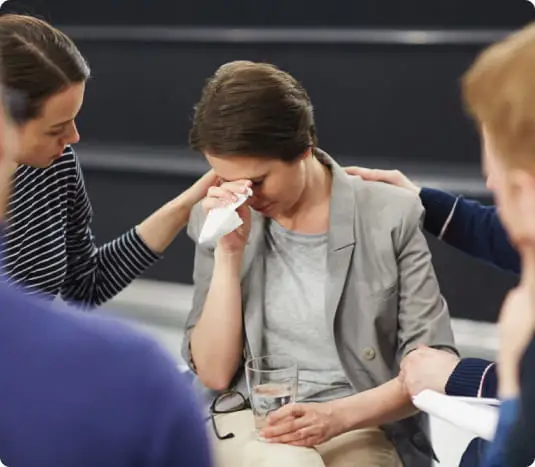
Self care is closely tied to emotional regulation, motivation, and mental health.
Emotional and cognitive factors play an important role in how consistently people maintain self-care habits. Stress, low motivation, negative thinking patterns, or difficulty concentrating can make routine activities such as eating well or staying active.
Self-care neglect can affect many areas of daily life, including physical health, emotional balance, and overall functioning. When basic needs such as nutrition, hygiene, rest, and routine are not maintained, energy levels and mood may decline, making everyday tasks more difficult.
Physical decline and self care neglect frequently overlap with other challenges.
It may be time to consider additional support when physical decline or self care neglect:
Long-lasting
Persists for weeks or months.
Health Changes
Leads to noticeable health changes
Functional Impact
Interferes with daily functioning or independence
Rising Concern
Creates concern among loved ones or professionals
Behaviour Changes
Occurs alongside emotional or behavioral changes
Many people delay seeking help due to misconceptions.
Self care is a matter of discipline
Others have it worse, so this is not serious
Neglect is temporary and will resolve on its own
Seeking help is an overreaction
Support for physical decline and self care neglect focuses on stabilization, accessibility, and compassion.
Across TruPaths, indicators related to physical decline and self care appear throughout educational and treatment resources.
When outpatient support may be appropriate
When medical or clinical oversight may help
How physical health intersects with mental health and recovery needs
Uncertainty is common when performance begins to slip. You do not need to identify a single cause to seek support
Learning about different levels of care related to substance use
Exploring therapy or outpatient support options
Speaking with a guide to discuss what you are noticing
Continuing to explore related educational resources
If this page resonated, you may also find the following resources helpful:
Physical decline and self care neglect are not signs of laziness or lack of self respect. They often reflect emotional exhaustion, overwhelm, or distress.
With compassionate support, people can rebuild routines, restore health, and reconnect with their bodies. Support exists to help care feel possible again, not to judge or pressure during vulnerable periods.
Recommendations are based on your location and recovery needs, including the programs you've explored, the services you've saved, and the filters you've used. We use this information to highlight similar treatment options so you never miss a trusted path forward.