Group Narrative Therapy

A collaborative story based therapy approach where individuals share experiences, normalize struggles, and build collective healing in a supportive group environment. This format helps participants reclaim resilience and connection through shared storytelling.

Quick Overview

A snapshot of who this therapy is for and how it works

Best for

Trauma recovery, grief, addiction recovery, identity challenges, community healing

Session format

Group sessions with 6 to 12 participants. In person or virtual

Typical cadence

Weekly. Session length: 60 to 90 minutes

Duration

Often 8 to 16 sessions, with ongoing peer groups available

Often combined with

Individual narrative therapy, Cognitive Behavioral Therapy, Acceptance and Commitment Therapy, peer support, holistic or community based models

Evidence base

Widely supported in trauma recovery and community health for reducing stigma and building resilience

overview-figure

What Is Group Narrative Therapy?

Group Narrative Therapy applies Narrative Therapy principles to a supportive community setting. Participants share stories, reflect together, and co create narratives that promote healing and connection.

Through guided storytelling and group dialogue, participants:

Reframing Painful Experiences

Normalize their experiences by realizing they are not alone

Intergenerational Strengths

Externalize struggles such as trauma, addiction, grief, or identity challenges

Shared Family Values

Build shared narratives of healing, empowerment, and community support

From Blame to Collaboration

The group setting amplifies learning, validation, and connection for recovery

How Group Narrative Therapy Helps in Recovery

Healing through shared stories, connection, and meaning

Reduces Blame & Tension

Reduces Blame & Tension

Participants recognize strengths in themselves and others, reinforcing healing.

Fosters connection

Fosters connection

Provides a supportive community where individuals feel understood and valued.

Supports trauma recovery

Supports trauma recovery

Helps integrate painful stories into a larger, more empowering narrative.

Creates accountability

Creates accountability

Group structure encourages progress, consistency, and encouragement from peers.

What to Expect in Sessions

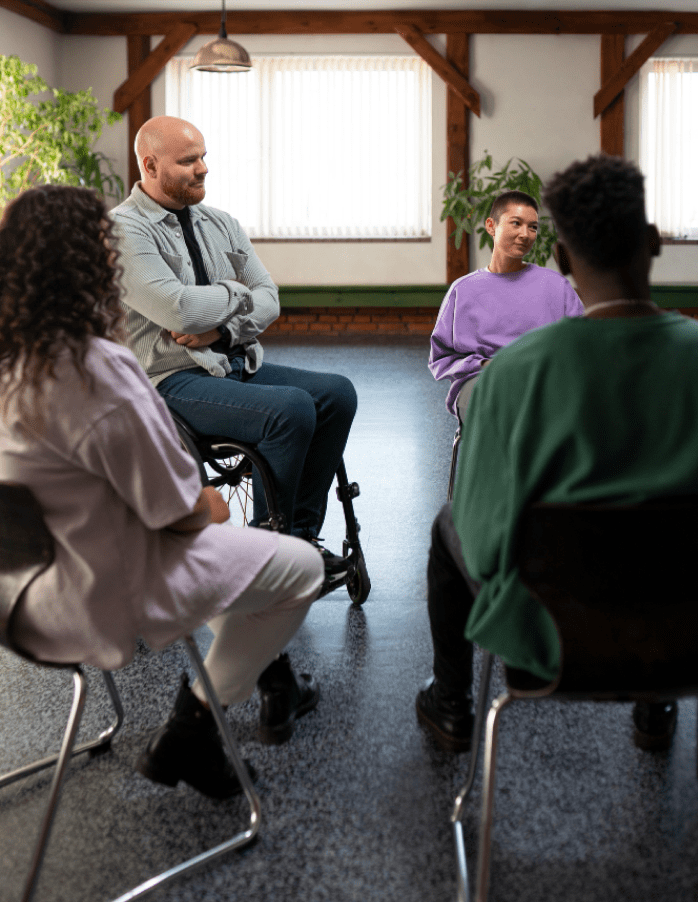
Group sessions are guided by a trained therapist who facilitates structured storytelling and connection. Sessions may include:

Externalizing Practices

Separating the problem from personal identity.

Shared Storytelling

Participants explore meaningful life events, highlighting moments of resilience and connection.

Group Dialogue and Reflection

Members reflect on one another’s stories with respect and compassion.

Re Authoring Practices

Co creating new narratives that honor strength, survival, and possibility.

Creative or Community Based Rituals

Activities such as collective journaling, written affirmations, art, or shared letters that document group growth.

session image

Who Benefits from Group Narrative Therapy?

Support for individuals seeking connection, validation, and community based healing

This therapy is supportive for people who feel isolated, misunderstood, or burdened by their stories.

Individuals in Addiction Recovery Seeking Peer Support

Individuals in Addiction Recovery Seeking Peer Support

 Encourages connection with others navigating similar challenges.

Communities Healing From Collective Trauma or Oppression

Communities Healing From Collective Trauma or Oppression

Creates group strength through shared cultural or community narratives.

Anyone Feeling Isolated in Their Struggles

Anyone Feeling Isolated in Their Struggles

 Provides validation, belonging, and new perspectives that support recovery.

Survivors of Trauma or Abuse

Survivors of Trauma or Abuse

Validates emotions and supports healing through shared understanding.

People Experiencing Grief or Loss

People Experiencing Grief or Loss

Supports meaning making in a compassionate environment.

Why TruPaths Highlights Group Narrative Therapy

TruPaths highlights this therapy because healing often happens most powerfully in community. Group Narrative Therapy reduces isolation, builds resilience, and strengthens identity by connecting people through shared stories and mutual support.

FAQs About Group Narrative Therapy

No. Participants choose how much they share. Listening is also a meaningful part of the process.
Yes, it is grounded in well-established narrative therapy practices. Research shows it can improve meaning-making, connection, and emotional resilience.
This is a structured therapeutic process guided by a trained facilitator. It focuses on reshaping personal stories, not just sharing experiences.
Yes, the group setting fosters connection through shared understanding. Many participants feel less alone and more seen through collective storytelling.
Yes, meaningful stories can surface strong emotions in a safe environment. Facilitators help guide and support participants through the process.
Coverage varies depending on your insurance provider and plan. It’s best to confirm benefits directly with your insurer.

Find Recovery Options Offering Group Narrative Therapy

You are not alone. Group Narrative Therapy provides a supportive community where stories of pain become stories of resilience and growth.

About TruPath's Recommendations

Recommendations are based on your location and recovery needs, including the programs you've explored, the services you've saved, and the filters you've used. We use this information to highlight similar treatment options so you never miss a trusted path forward.

Tru AI
expand minimize
close
send