Polyvagal Informed Therapy
A nervous system based therapy that helps people heal trauma, anxiety, and chronic stress by restoring safety, connection, and regulation.

A nervous system based therapy that helps people heal trauma, anxiety, and chronic stress by restoring safety, connection, and regulation.
A snapshot of who this therapy is for and how it works
Trauma, PTSD, anxiety, depression, dissociation, chronic stress, social withdrawal, relationship struggles
weekly. Session length 50 to 75 minutes
Individual, couples, family, or group. In person or virtual
Short to long term depending on needs and complexity
Somatic Experiencing, Internal Family Systems, EMDR, mindfulness, yoga therapy
Rooted in Dr. Stephen Porges' Polyvagal Theory and widely used in trauma and attachment therapies
Polyvagal Informed Therapy is based on Polyvagal Theory, which explains how the automatic nervous system shapes our sense of safety, connection, and survival responses.
A state of calm, safety, connection, and emotional regulation.
A state of anxiety, urgency, hypervigilance, or agitation.
A state of numbness, disconnection, collapse, or emotional overwhelm
Different approaches that support nervous system regulation and safety

Creating safety and connection within the family system
Explore More
Strengthening relational safety and emotional attunement
Explore More
Supporting trauma healing through nervous system regulation
Explore More
Practical tool to calm and strengthen the nervous system
Explore MorePolyvagal-informed therapy helps individuals understand and regulate their nervous system responses to stress and trauma. By building a sense of safety and improving emotional regulation, it supports recovery through greater resilience, connection, and the ability to respond rather than react.
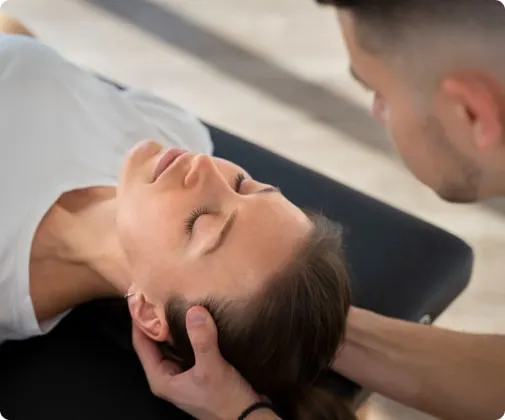
Builds a regulated foundation for trauma healing.
Support safe reconnection with the body.
Strengthens co regulation and emotional bonding.
Enhances the flexibility and strength of the nervous system.
This therapy is especially supportive for people whose symptoms are tied to chronic stress, trauma, or disconnection.

Gentle support for healing overwhelm, reactivity, and shutdown.

Regulation tools that reduce panic, hyperarousal, and intrusive symptoms.

Helps reconnect with sensation and presence at a safe pace.

Guides partners and families to understand each other's nervous system states.
Polyvagal Informed Therapy is gentle, respectful, and guided by the client’s nervous system capacity. Sessions may include:
Identifying patterns of activation, shutdown, and safety.
Practices that support regulation and presence.
Humming, chanting, gentle stretching, eye gaze practices, or vagal toning.
Using safe relational cues to restore connection and calm.
Using nervous system awareness to support daily life, relationships, and trauma healing.

TruPaths highlights Polyvagal Informed Therapy because healing begins with safety. When individuals understand and regulate their nervous system, they are better able to process trauma, manage emotions, and build strong relationships.

 Insurance Accepted
 Insurance Accepted
 Insurance Accepted
 Insurance Accepted
Safety and connection are possible. Polyvagal Informed Therapy helps individuals regulate their nervous system, reduce trauma symptoms, and rebuild trust within themselves and with others.
Recommendations are based on your location and recovery needs, including the programs you've explored, the services you've saved, and the filters you've used. We use this information to highlight similar treatment options so you never miss a trusted path forward.