Group Schema Therapy

A supportive therapy format where participants explore schemas, share experiences, and practice healthier coping strategies together.

Quick Overview

A snapshot of who this therapy is for and how it works

Best for

Personality disorders (especially borderline personality disorder), trauma survivors, chronic depression or anxiety, relationship struggles, addiction recovery

Session format

Group therapy with six to twelve participants. In person or virtual

Typical cadence

Weekly. Session length is ninety to one hundred twenty minutes

Duration

Typically six to twelve months. Often paired with individual therapy

Often combined with

Individual Schema Therapy, Dialectical Behavior Therapy, Cognitive Behavioral Therapy, trauma therapies, mindfulness

Evidence base

Strong research support for borderline personality disorder and chronic mental health conditions
overview-figure

What Is Group Schema Therapy?

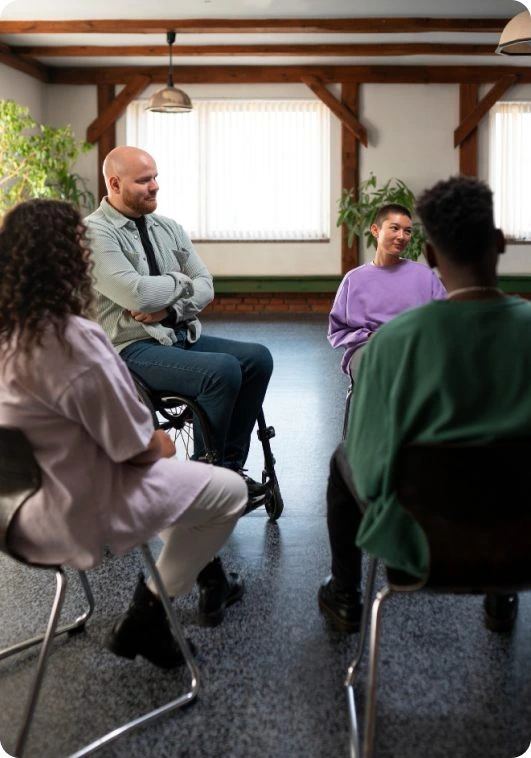
Group Schema Therapy adapts the principles of Schema Therapy to a supportive group environment. Participants work on schemas and emotional modes while benefiting from the encouragement, reflection, and accountability of peers.

In a group setting, individuals:

Shared Understanding

 Recognize they are not alone in their maladaptive schemas

Safe Expression

 Share experiences in a safe and guided environment

Coping Practice

 Receive compassionate feedback from therapists and peers

Feedback

Recognize they are not alone in their maladaptive schemas

How Group Schema Therapy Helps in Recovery

Healing together through shared insight, support, and connection

Reducing Shame

Reducing Shame

Normalizes emotional struggles and reduces shame

Group Motivation

Group Motivation

Encourages motivation and accountability within the group

Building Trust

Building Trust

Improves interpersonal functioning and trust

Shared Resilience

Shared Resilience

Supports long term resilience through shared healing

What to Expect in Sessions

A supportive space for shared learning, growth, and healing:

Schema Education

Psychoeducation about schemas, modes, and emotional patterns

Experiential Exercises

Experiential work such as role plays, chair work, and imagery rescripting

Skills Practice

Guided skills practice with peers to strengthen healthier coping

Supportive Feedback

Structured group feedback that is compassionate and supportive

Between-Session Practice

Homework to apply new strategies outside of the group

session image

Who Benefits from Group Schema Therapy?

Support for individuals wanting community driven emotional transformation

Group Schema Therapy is ideal for those who benefit from relational support, shared healing, and skill practice in a group setting.

Individuals With Borderline Personality Disorder

Individuals With Borderline Personality Disorder

Learn to regulate emotions, manage relationship patterns, and build Healthy Adult skills

People With Chronic Depression, Anxiety, or PTSD

People With Chronic Depression, Anxiety, or PTSD

Gain tools for challenging deep rooted schemas that contribute to long term symptoms

Individuals in Addiction Recovery

Individuals in Addiction Recovery

Identify schema driven triggers and self sabotaging patterns that fuel relapse

Survivors of Childhood Trauma or Neglect

Survivors of Childhood Trauma or Neglect

 Find community support while healing inner child wounds

Anyone Feeling Isolated by Their Emotional Patterns

Anyone Feeling Isolated by Their Emotional Patterns

 Experience connection, validation, and shared resilience

Why TruPaths Highlights Group Schema Therapy

TruPaths highlights this approach because community is a powerful catalyst for healing. Group Schema Therapy combines the depth of schema work with the transformative power of shared experience, making it especially effective for individuals who struggle with emotional dysregulation, trauma, or relational difficulties.

FAQs About Group Schema Therapy

Yes. Consistent participation from both partners is essential for meaningful change.
No. Group Schema Therapy helps people with a wide range of issues, including anxiety, depression, trauma, and relationship difficulties. It’s suitable for many emotional patterns, not just one diagnosis.
Sharing is encouraged but never forced. You can participate at your own pace and choose what feels safe to disclose. Respect and confidentiality are emphasized in the group.
Groups are typically small, often ranging from 6 to 10 participants. This size allows for meaningful interaction while maintaining a supportive and manageable environment.
It can feel intense at first, especially for those new to group therapy. Skilled therapists help create safety, structure, and emotional balance throughout the process.
Coverage depends on your insurance plan and provider. Many plans cover group therapy as a mental health service, but it’s best to confirm directly with your insurer.

Find Recovery Options Offering Group Schema Therapy

Healing grows in connection. Group Schema Therapy helps individuals explore schemas, strengthen coping skills, and build resilience in a supportive community.

About TruPath's Recommendations

Recommendations are based on your location and recovery needs, including the programs you've explored, the services you've saved, and the filters you've used. We use this information to highlight similar treatment options so you never miss a trusted path forward.

Tru AI
expand minimize
close
send