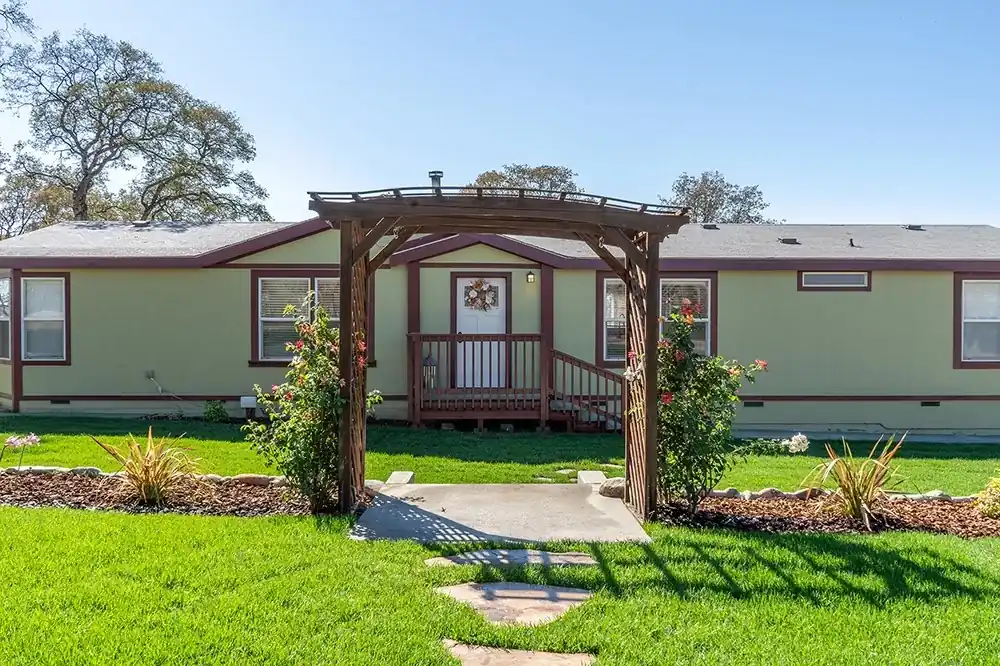
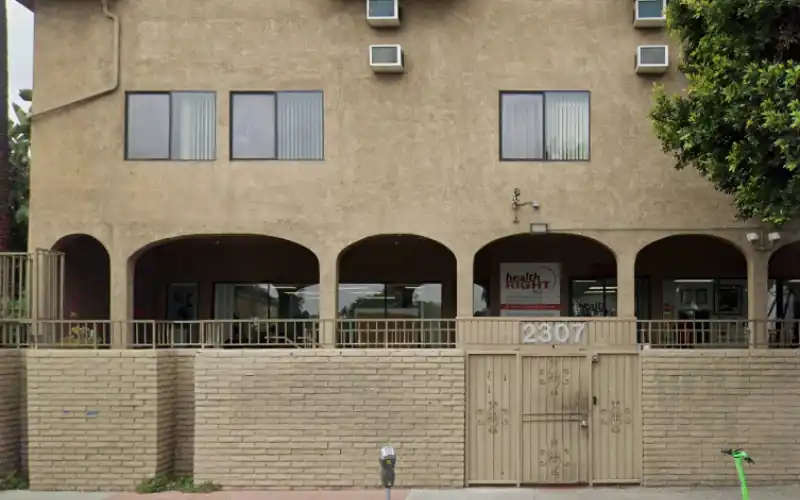
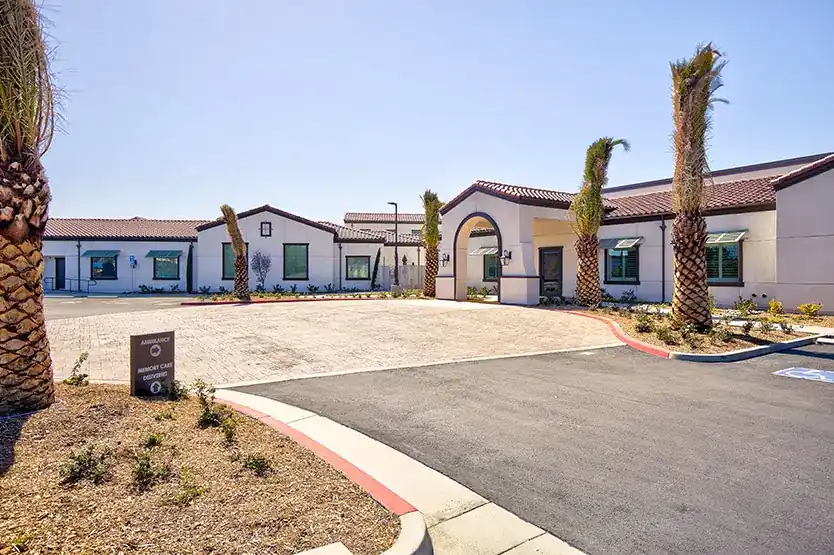
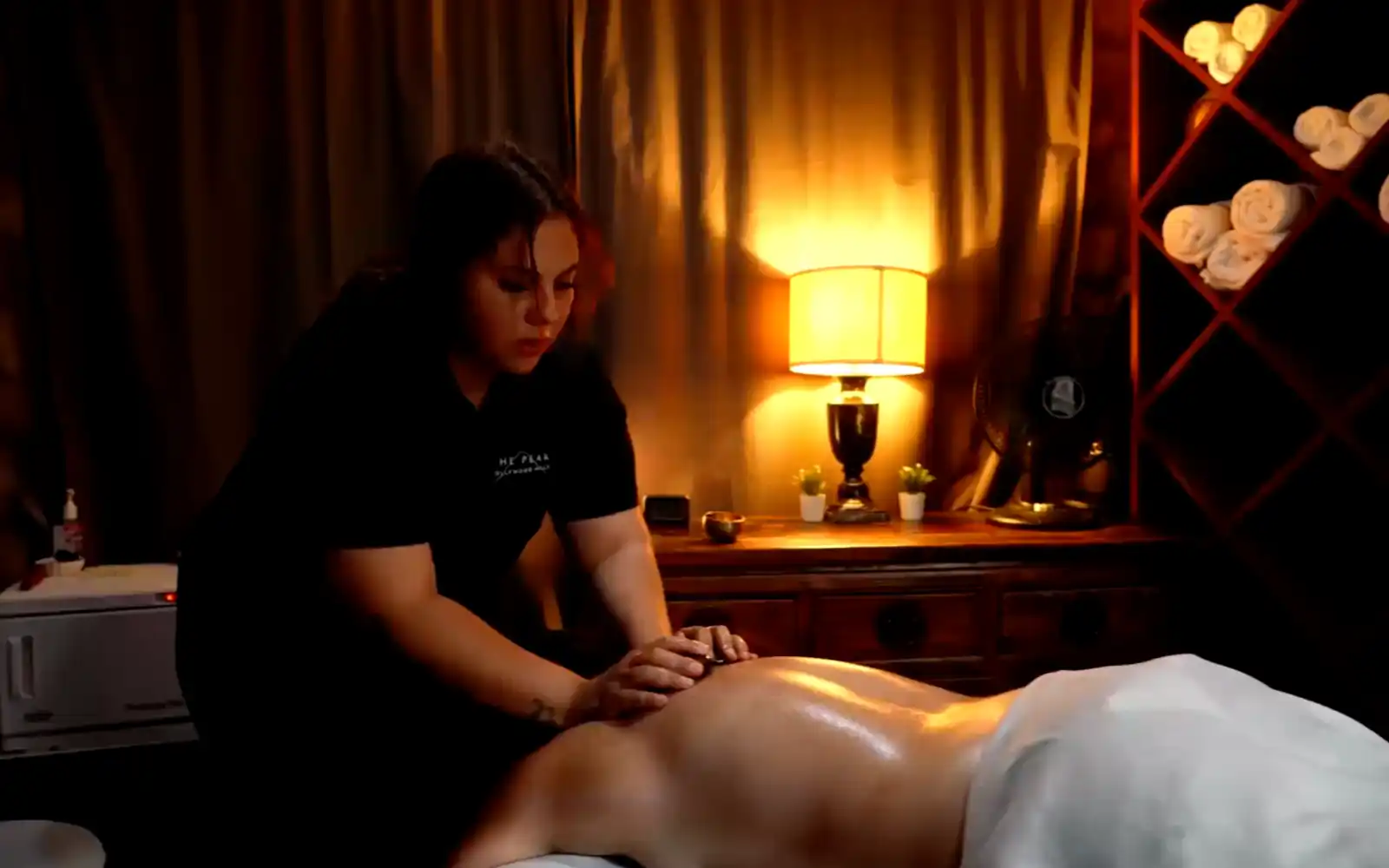
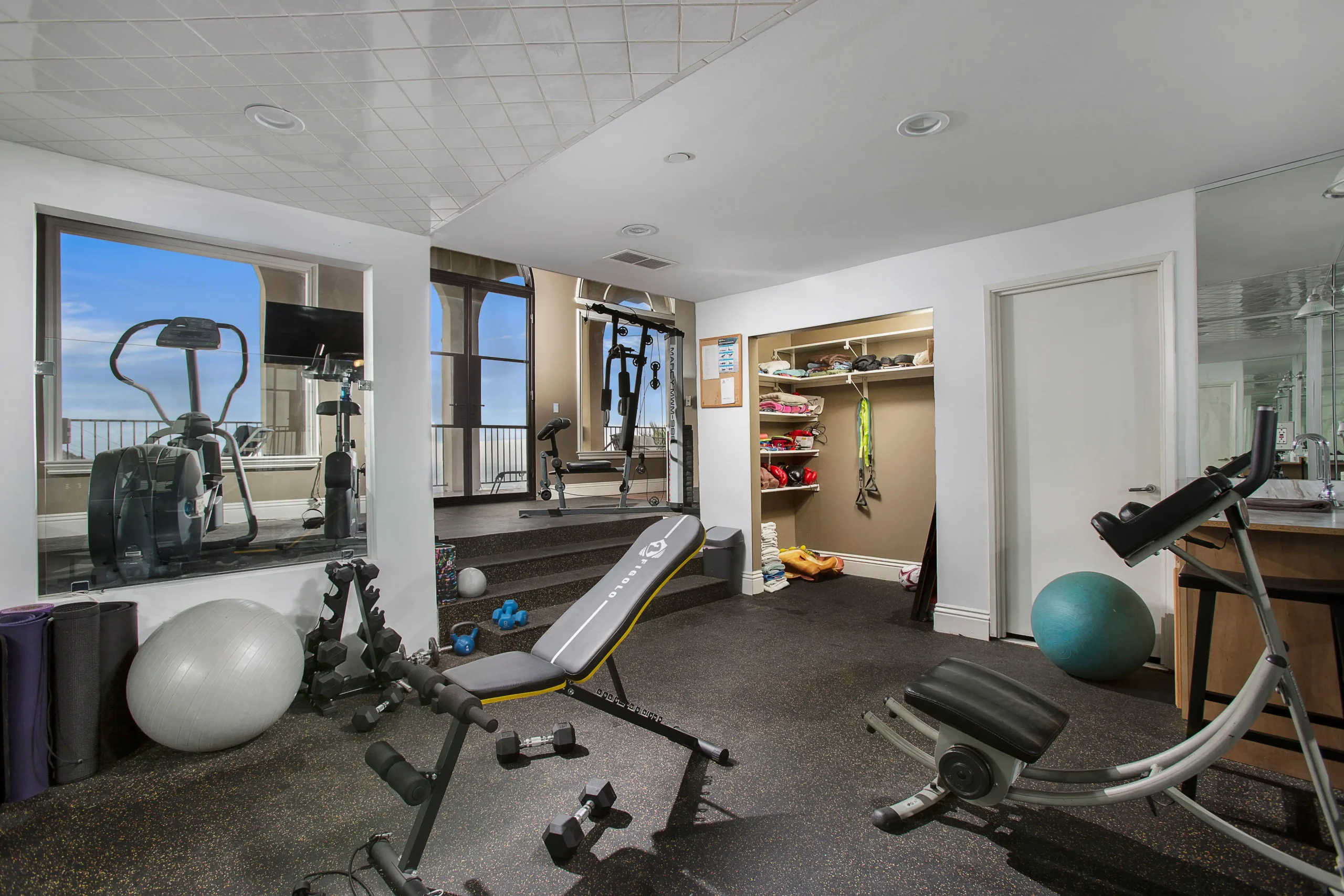
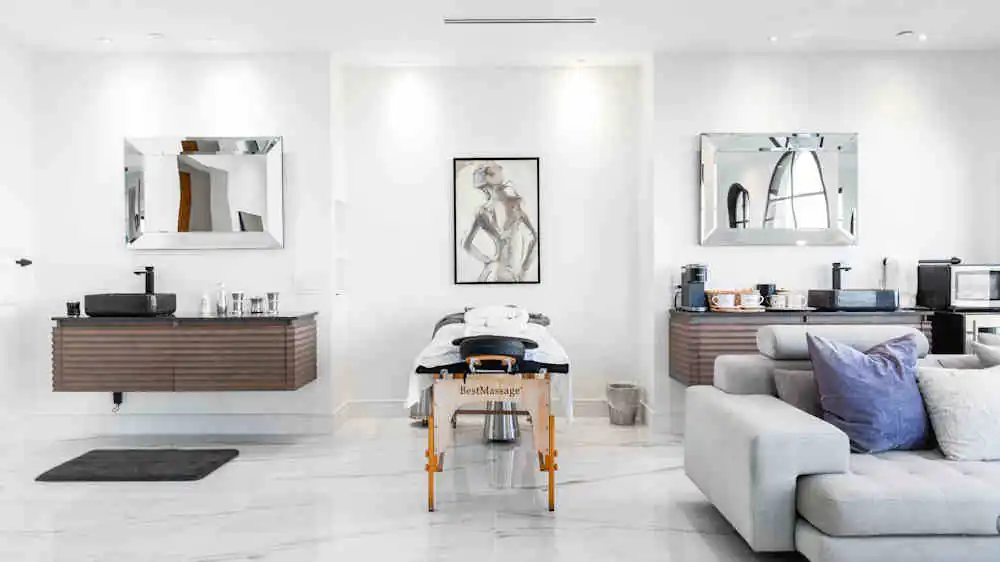
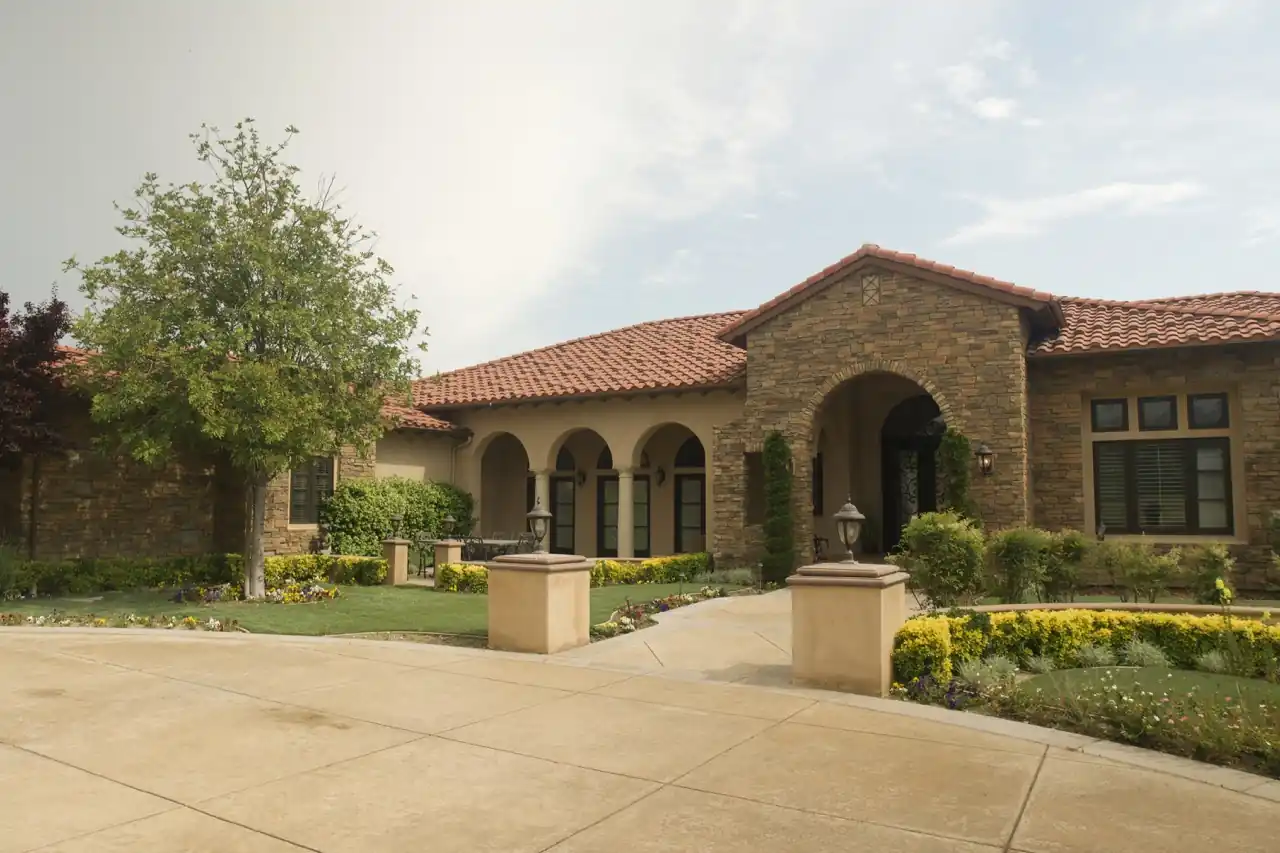
Peak Path Health offers a luxury rehabilitation experience designed for affluent individuals with high-pressure lifestyles who are confronting issues related to substance use and co-occurring mental health. Each customized program integrates advanced neuropsychological diagnostics with a rich tapestry of wellness-focused therapies, guiding each individual toward sustainable health and a life of purpose. They specialize in addressing the unique challenges faced by executives, helping them regain balance to maintain performance, leadership, and reputation. Optimize Healing with Personalized Treatment Peak Path Health understands each individual’s journey is unique, necessitating a highly personalized and adaptive treatment plan that addresses not just the addiction, but also any underlying mental health issues, trauma, or co-occurring disorders . Clients receive 7 hours of 1:1 attention per week and 6 hours of group sessions daily. Therapy forms the core of treatment, combining evidence-based methods such as cognitive behavioral therapy (CBT), dialectical behavior therapy (DBT), eye movement desensitization and reprocessing (EMDR), and medication management with holistic modalities like yoga, meditation, art, and equine therapy. Find Restoration in a Resort-like Atmosphere Peak Path Health welcomes only 6 clients at a time, creating a highly private and confidential setting. Staff are trained to support executives, celebrities, and high-net-worth individuals , and the facility has private entrances and limited public exposure. Each client stays in their own suite featuring premium bedding, ensuite bathroom, and often terraces, panoramic windows, or hillside views. Professional chefs prepare all meals to personal preferences or health requirements. Recovery is enhanced by massage, acupuncture, sauna and cold plunge, nutrition and fitness coaching, music nights, and a lush outdoor space for physical activity and experiential therapies. Receive Ongoing Support to Maintain Recovery Aftercare at Peak Path Health includes relapse prevention planning, sober coaching, an alumni network, and coordination with outpatient or virtual therapy to ensure ongoing support beyond their initial program.

































 Programs & Specialization
 Conditions Treated
 Therapies & Modalities
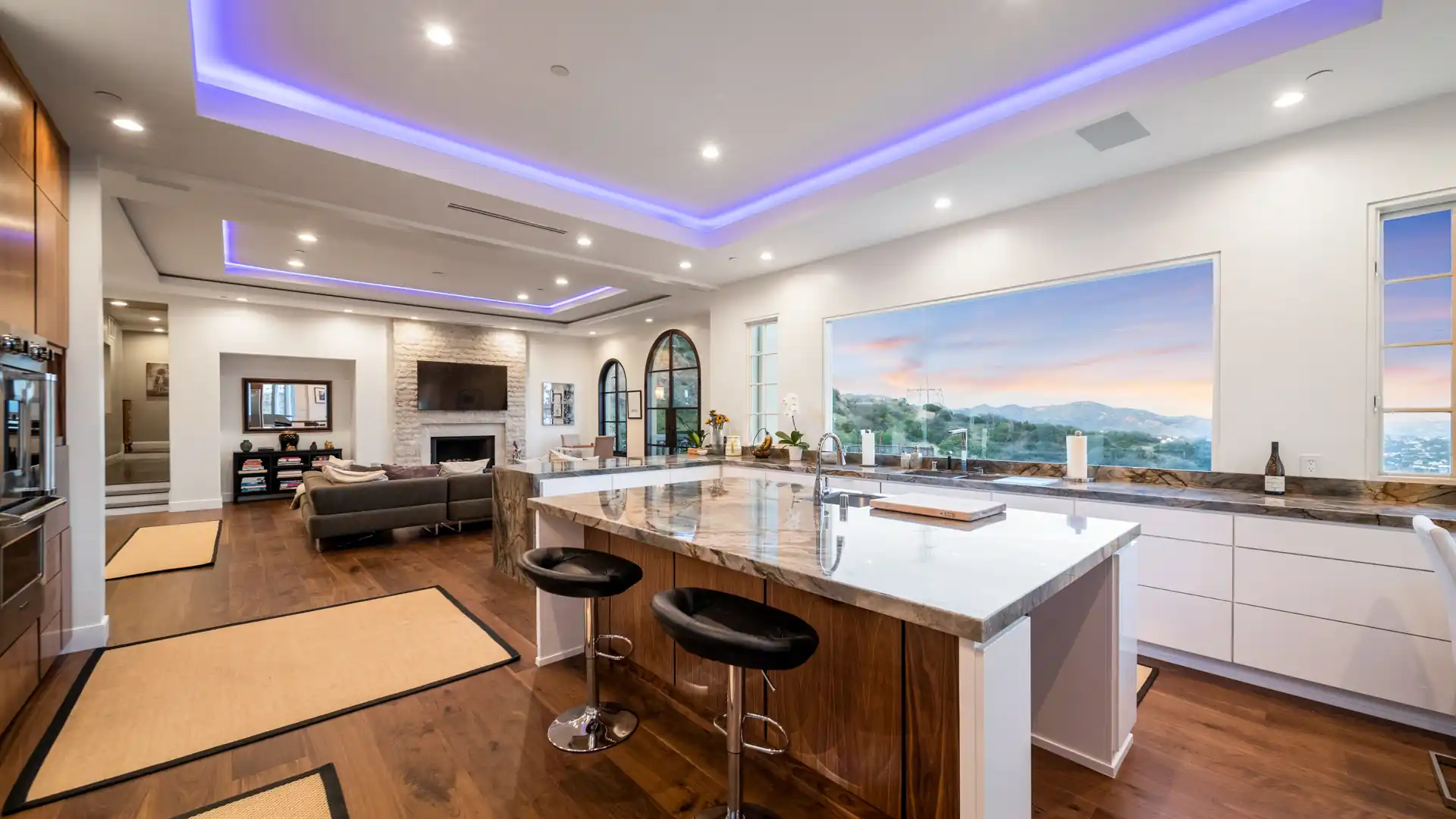
 Amenities & Environment