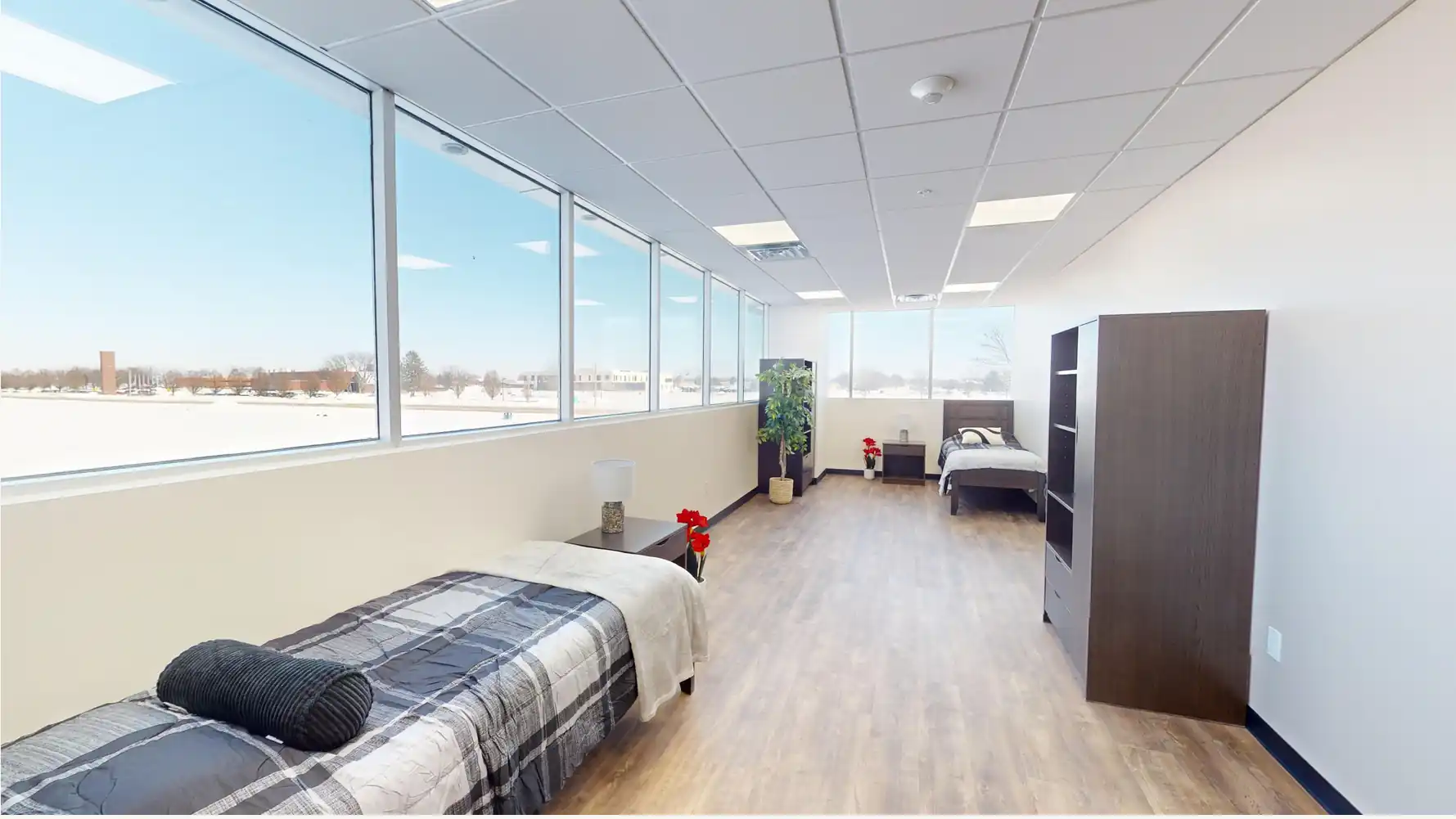
Detox Programs (Medical Stabilization)
If you’re dealing with withdrawal or physical dependence, detox is often the first step. Detoxification is the phase before entering a rehabilitation center or addiction recovery program. Detox programs provide medical supervision to safely manage withdrawal symptoms from drugs or alcohol. Medical professionals monitor your safety while your body adjusts, managing discomfort and preventing complications that can arise during withdrawal.

Alcohol Detox
Safe, medically supervised withdrawal for alcohol dependence, including anxiety, tremors, and seizure risk

Opioid Detox
Medication-assisted detox for heroin, fentanyl, and prescription opioids with monitored tapering.

Benzodiazepine Detox
Gradual detox from Xanax, Valium, and similar medications to prevent severe withdrawal complications.

Stimulant Detox
Supportive detox for cocaine, meth, and Adderall, addressing fatigue, depression, and cravings.
Featured Detox Centers
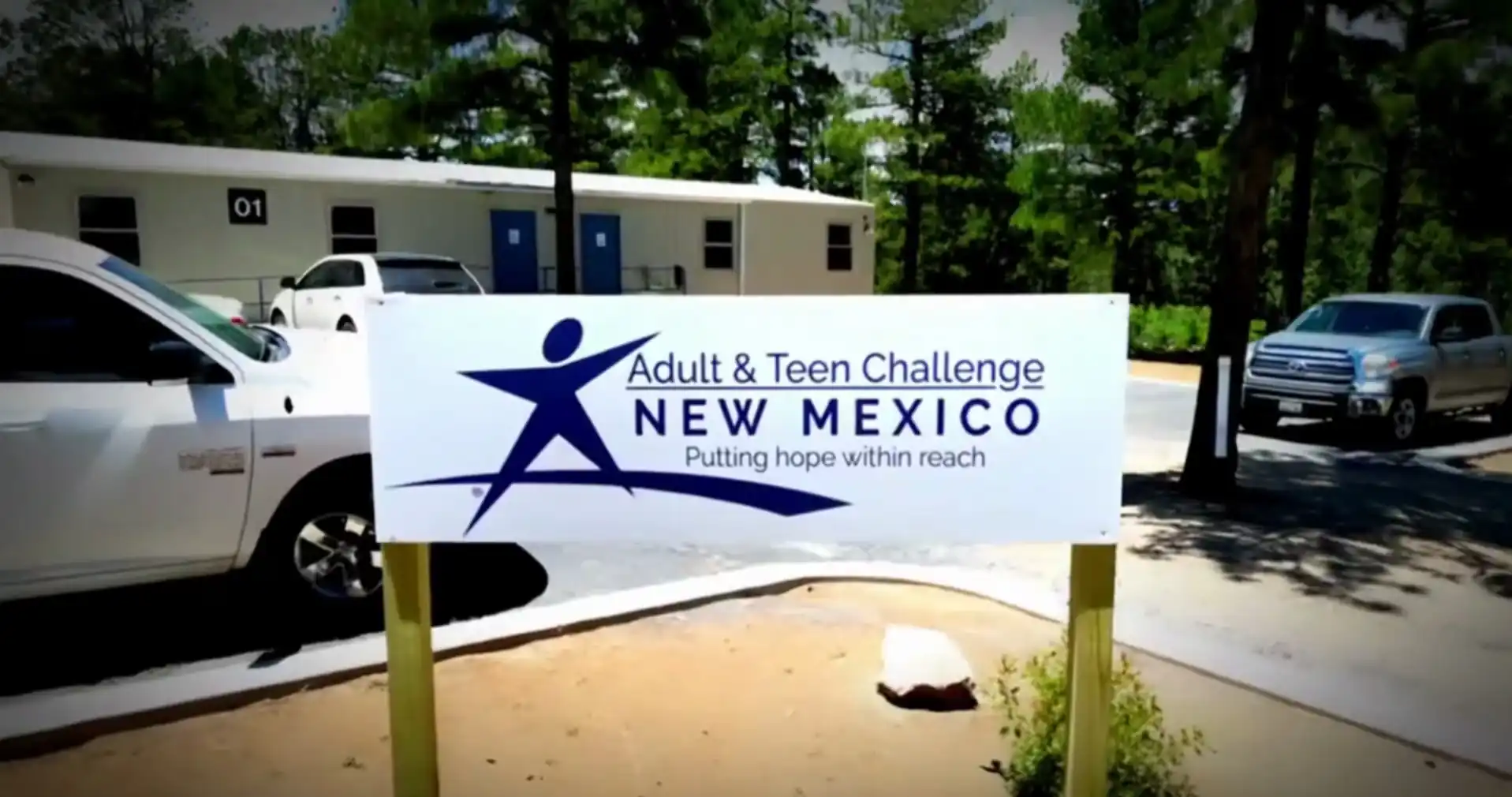
Adult and Teen Challenge Albuquerque Men’s Home
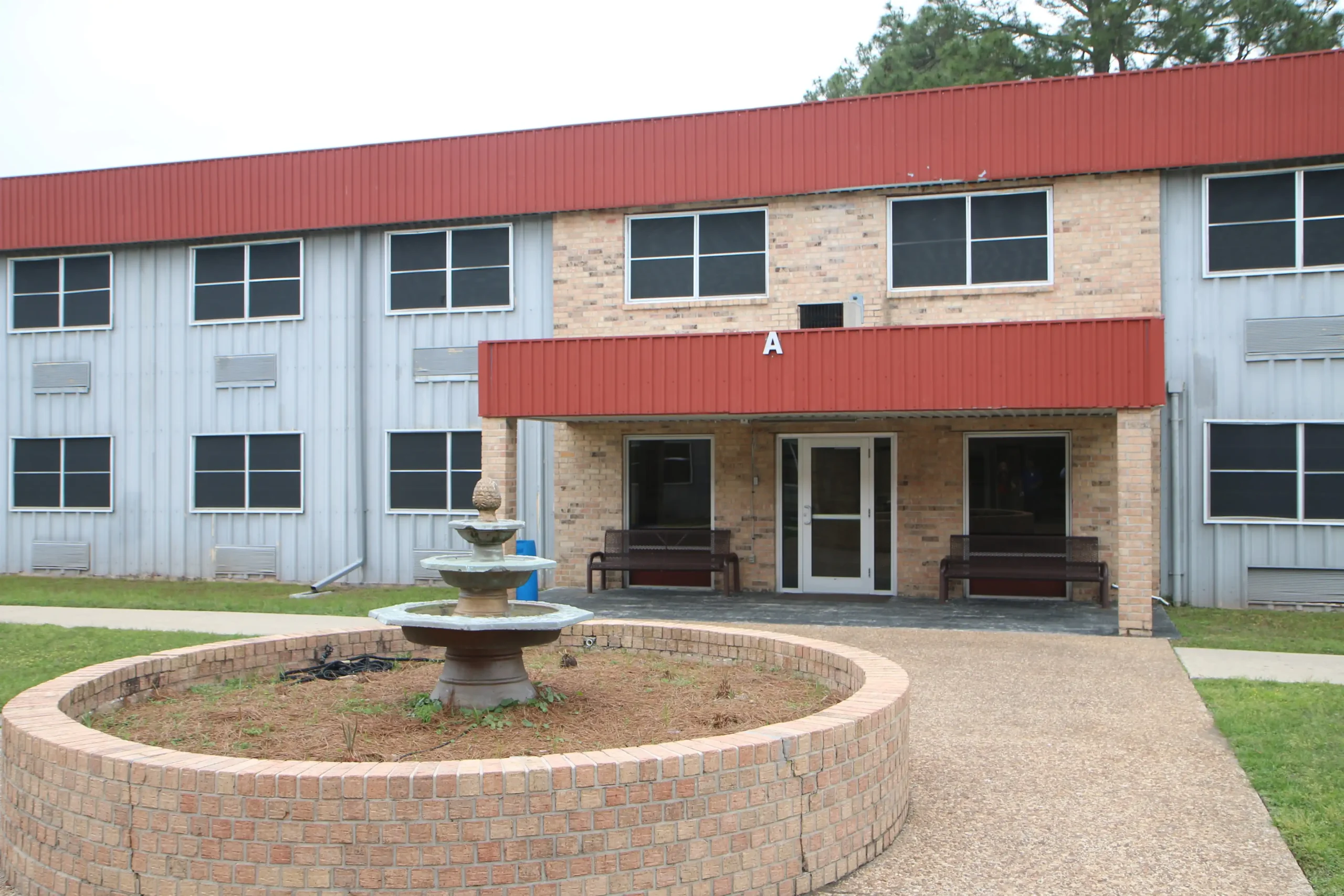
Adult and Teen Challenge Pensacola Men’s Home
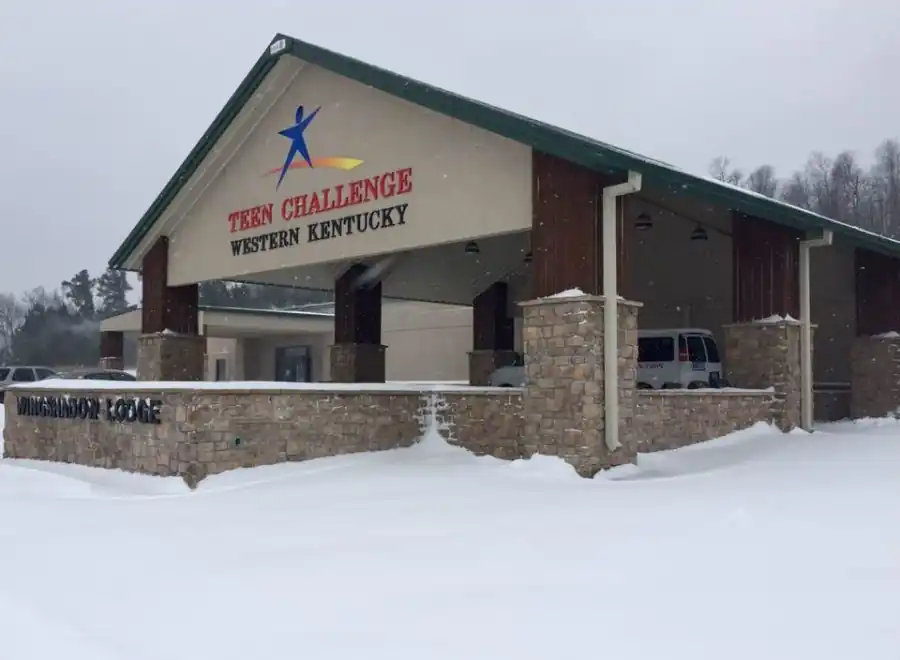
Adult and Teen Challenge Kentucky Men’s Rehab

Inpatient Rehab & Residential Treatment Centers
If things feel out of control or overwhelming, a structured rehab program can help you reset and stabilize. Inpatient rehab provides 24/7 care in a licensed rehabilitation center. These programs are ideal for individuals needing intensive support for substance abuse or mental health treatment, and typically last from thirty to ninety days or more.

Inpatient Rehab
Safe, medically supervised withdrawal for alcohol dependence, including anxiety, tremors, and seizure risk.

Outpatient Programs (IOP/PHP)
Medication-assisted detox for heroin, fentanyl, and prescription opioids with monitored tapering.

Dual Diagnosis Treatment
Integrated care for addiction and co-occurring mental health conditions like anxiety or depression.

Holistic Recovery Programs
Whole-person care including therapy, wellness, and lifestyle support for long-term recovery.
Featured Residential Rehabs
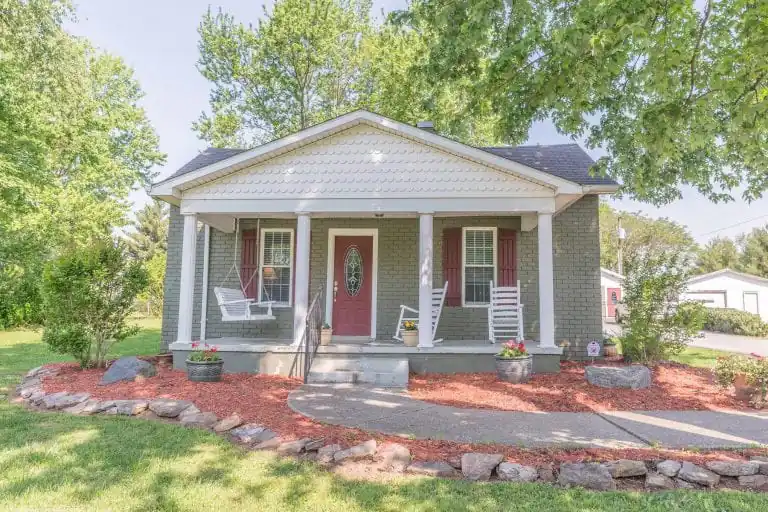
JourneyPure Bowling Green
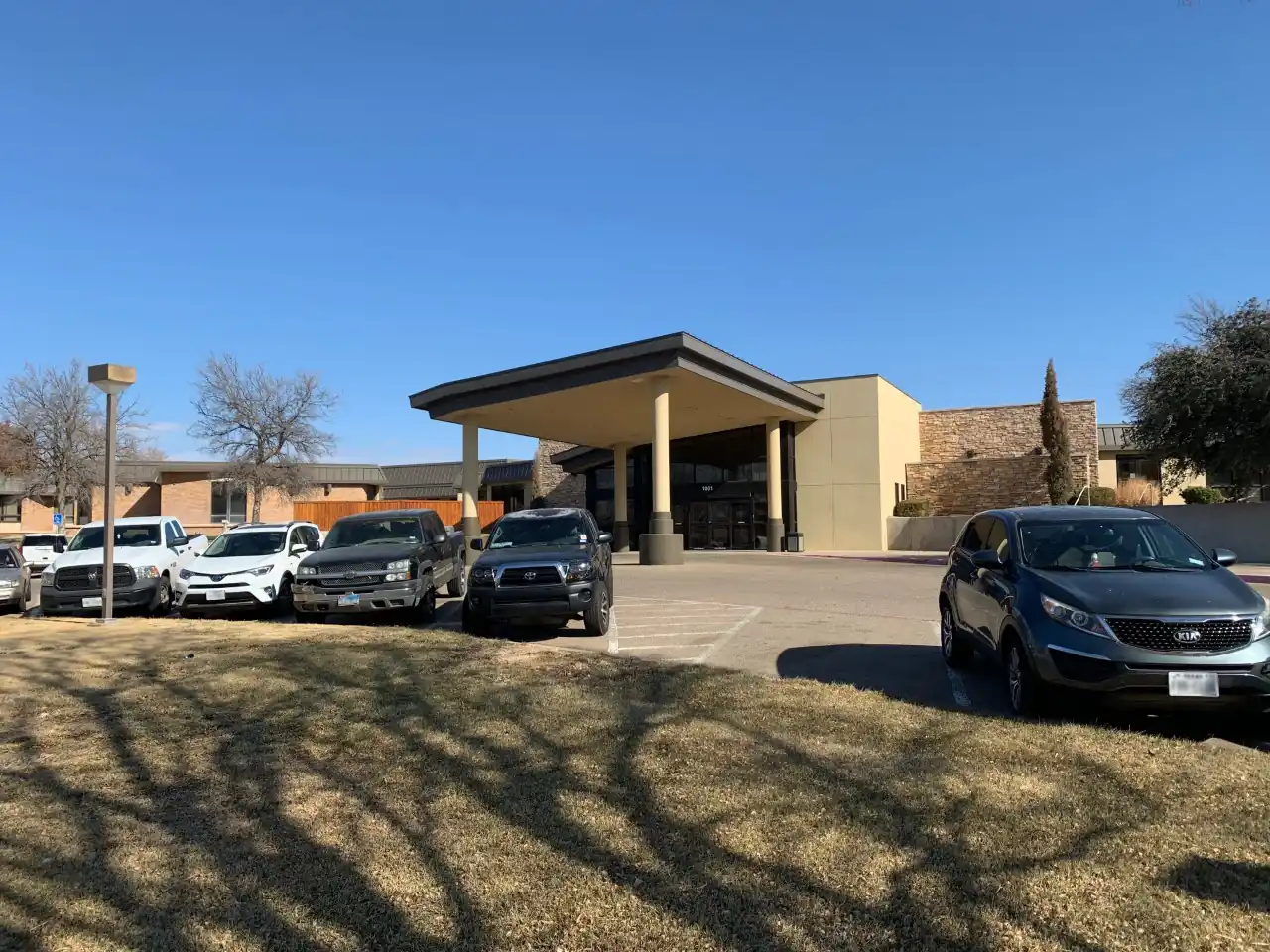
Cenikor Foundation – Amarillo
Action Drug Rehabs

Sober Living Homes & Recovery Housing
If you’re leaving rehab and need structure, sober living helps you stay on track. Sober living homes provide an organized, substance-free environment after rehab. These programs help individuals transition back into daily life while maintaining accountability.
Structured Sober Housing
Drug-free sober living homes with rules that support accountability and routine.

Ongoing Recovery Support
Access to counseling, relapse prevention, and addiction recovery support services.

Peer Recovery Community
Live with others in recovery and build a strong, sober support network.

Relapse Prevention Focus
Daily structure, coping strategies, and accountability to maintain long-term sobriety.
Featured Sober Livings
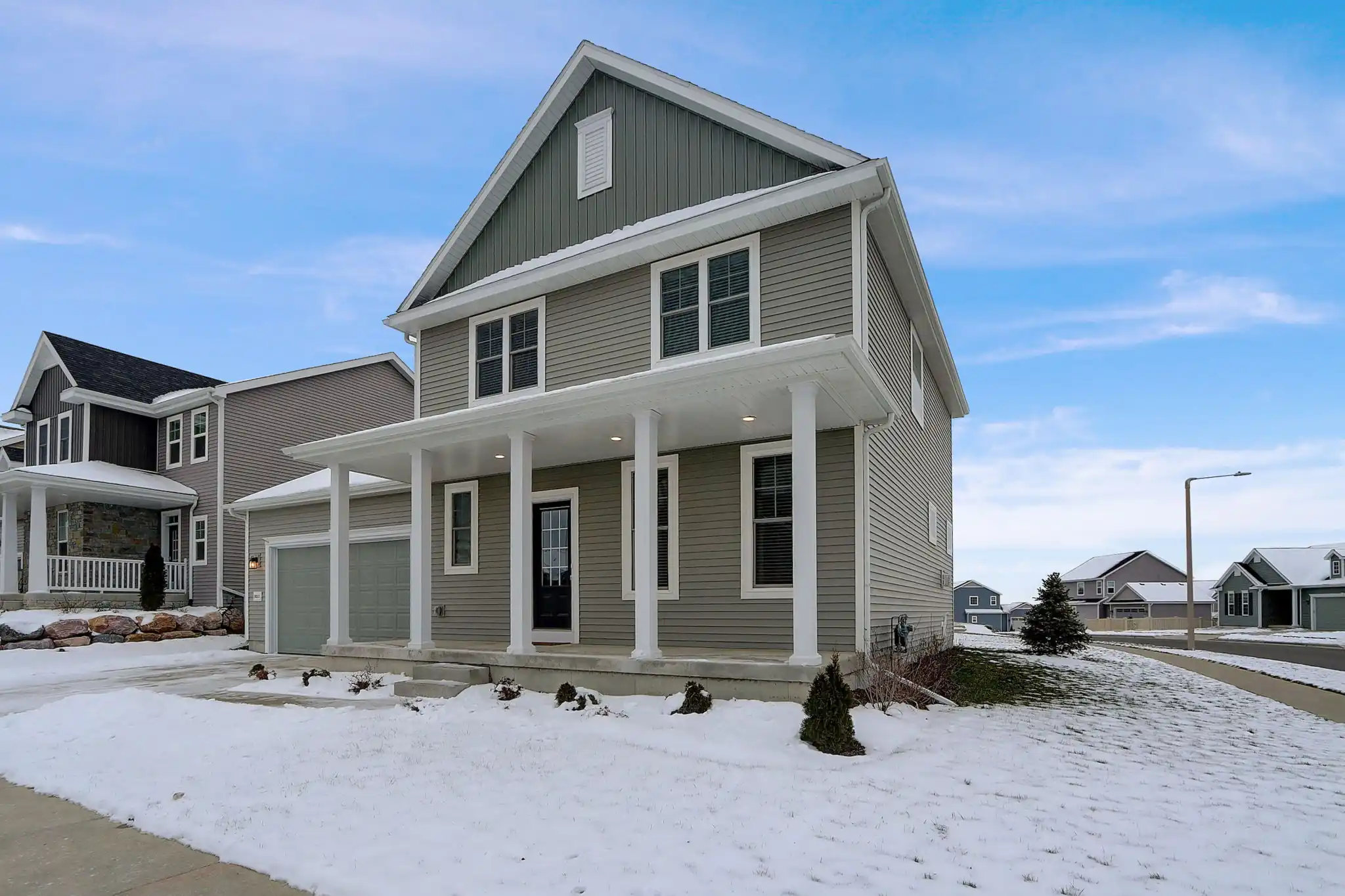
Madison Recovery Center Sober Home
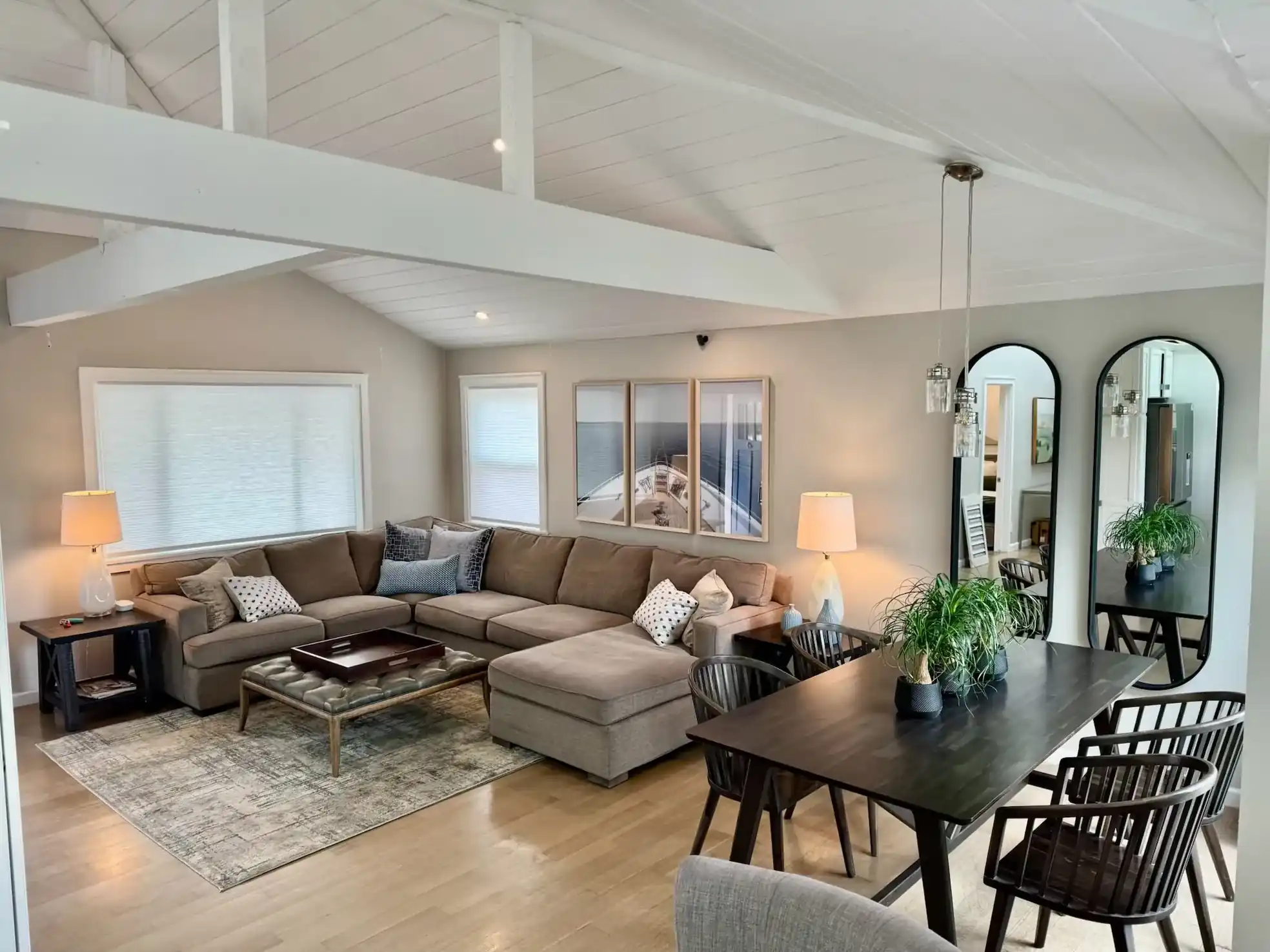
2nd Step Sober Living
A Drunk Whisperer

Sober Apartments & Independent Living
If you’re ready for more independence but still want support, sober apartments offer a balanced next step with built-in recovery support and accountability. Ideal after rehab or outpatient care, they offer a stable, substance-free environment while allowing you to rebuild daily routines, work, or school. These programs combine privacy with optional peer support, making them a strong next step for those transitioning from sober living homes or addiction recovery programs into full independence.

Private Living Spaces
Independent or semi-private sober apartments with kitchens and personal space.

Flexible Structure
Light accountability with curfews, check-ins, and optional drug screening.

Peer-Based Support
Live in a recovery-focused environment with access to mentorship or house meetings.

Transition to Independence
Ideal step after rehab or outpatient programs before fully independent living.
Featured Sober Apartments
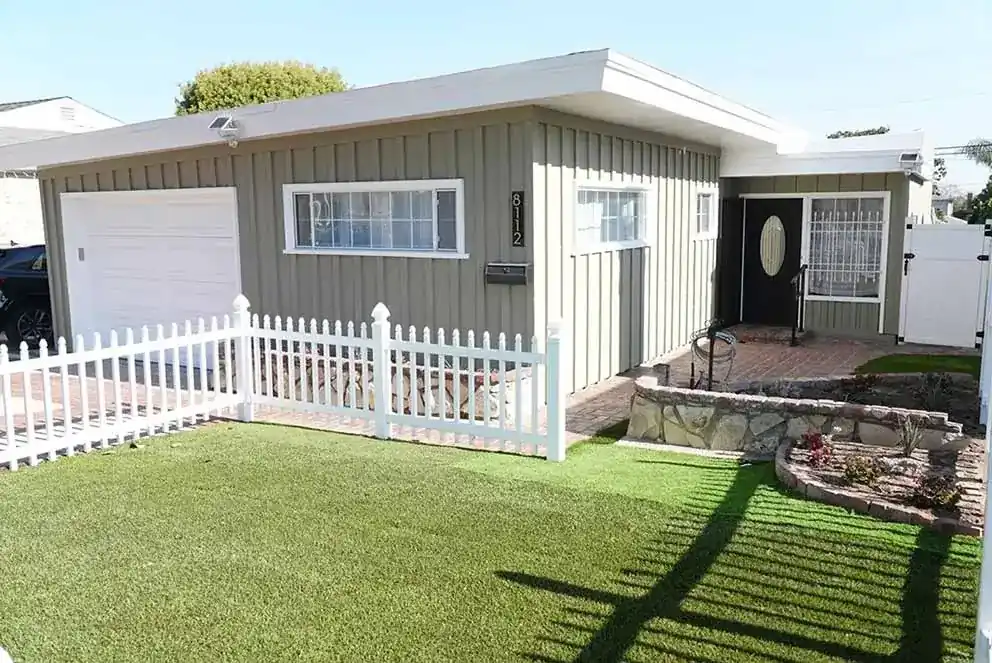
Bridges Recovery Sober Living Apartment – Holy Cross
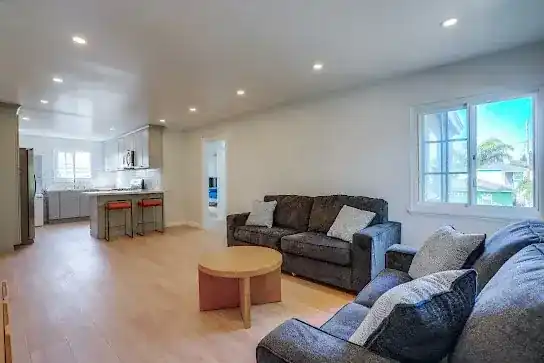
Bridges Recovery Sober Living Apartment – Reading Avenue

Creekside Recovery Residences

Outpatient Treatment Programs (PHP & IOP)
If you need support but can’t step away from daily life, outpatient programs offer the flexibility to receive structured care while continuing daily responsibilities. These include intensive outpatient programs (IOP) and partial hospitalization programs (PHP). Intensive Outpatient Programs and Partial Hospitalization Programs offer structured treatment while you maintain work, school, or family commitments. You attend sessions several hours a day, several days a week,giving you clinical support without full residential care.

Partial Hospitalization (PHP)
Daytime treatment with clinical support for people who need more structure than standard outpatient care.

Intensive Outpatient (IOP)
Flexible recovery outpatient care with therapy, accountability, and support several days a week.

Outpatient Rehab
Scheduled treatment that lets you live at home while staying connected to recovery services.

Step-Down Support
Ideal after detox or inpatient rehab when you still need structure, therapy, and relapse prevention.
Featured PHP & IOP Centers
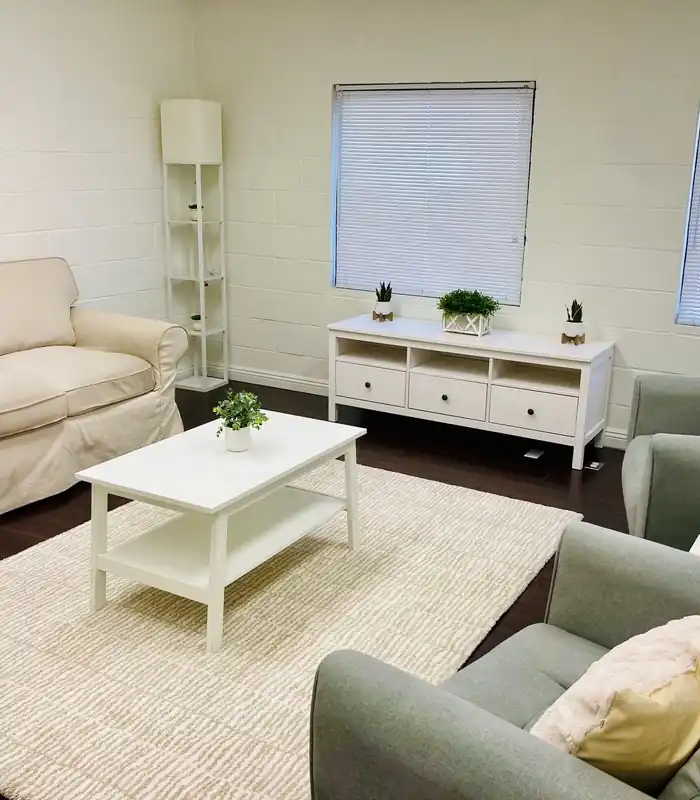
Insight Treatment Center – El Segundo
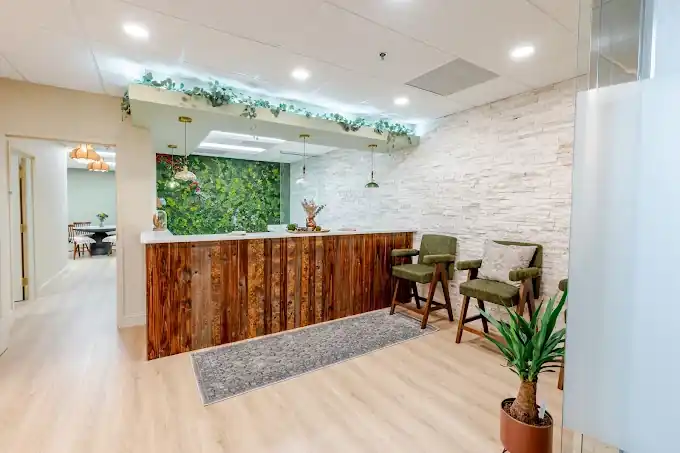
Alpas Wellness Virginia Drug & Alcohol Rehab
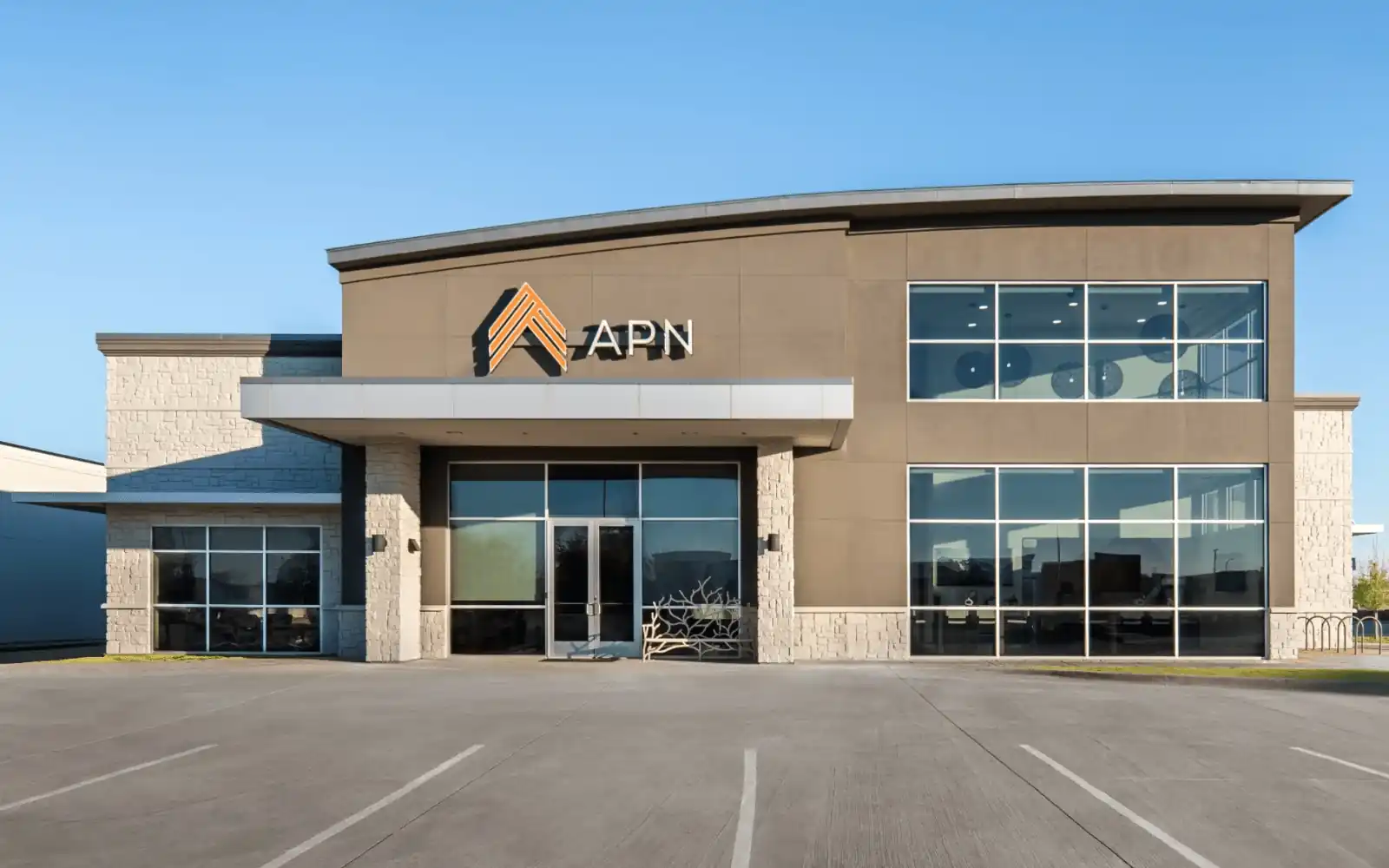
APN DFW Detox & Treatment Center

Recovery Coaching & Ongoing Support
If you need ongoing support in real life not just treatment recovery coaching helps you stay accountable. Recovery coaching provides ongoing addiction recovery support outside of traditional treatment. With accountability, relapse prevention planning, and life skills guidance, recovery coaches help you stay consistent and navigate daily life after rehab or outpatient care. A recovery coach is someone who has been where you are and knows the path forward.

Personal Accountability
Regular check-ins to keep you on track with your recovery goals.

Relapse Prevention Planning
Identify triggers and build strategies to avoid setbacks.

Life Skills & Goal Setting
Support with work, relationships, finances, and daily structure.

Sober Community Connection
Access to recovery groups, mentors, and ongoing support systems.
Featured Recovery Coaching
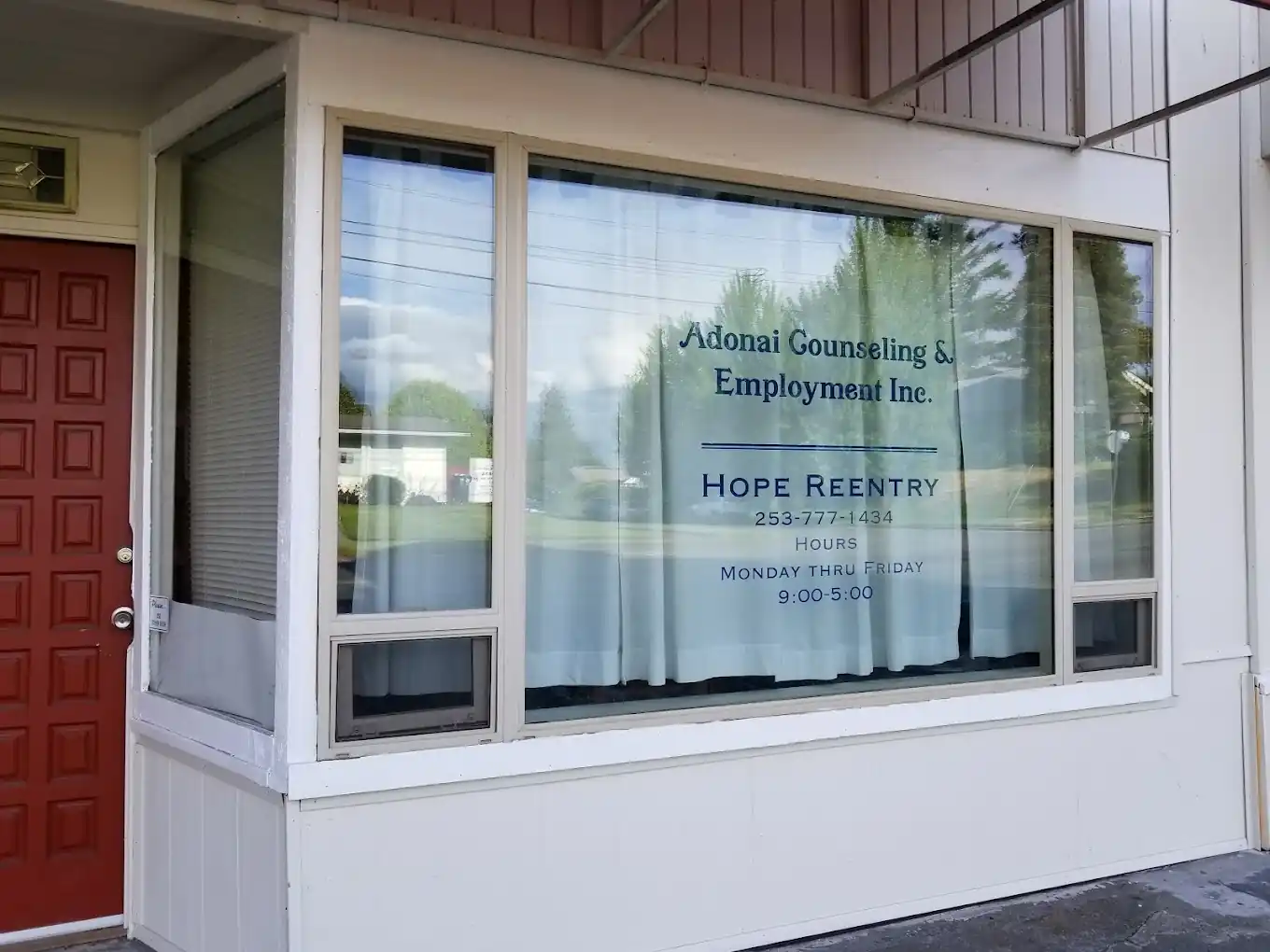
Adonai Counseling and Employment

Amae Health – Los Angeles
AR Intervention

Therapy & Mental Health Support
Therapy is where you understand yourself and heal. From individual therapy to group therapy for addiction recovery, these programs help address trauma, build coping skills, and support long-term stability. Many programs also offer dual diagnosis treatment for co-occurring mental health conditions. Therapy supports long-term recovery through individual counseling, group therapy, and evidence-based treatment approaches for addiction and mental health conditions.

Individual Therapy
One-on-one support to address addiction, trauma, and mental health challenges.

Group Therapy
Shared recovery experiences that build connection and accountability.

DBT & Evidence-Based Therapy
Structured approaches for emotional regulation and addiction recovery.

Trauma-Informed Care
Safe, supportive therapy designed for deep healing and long-term recovery.
Featured Therapy
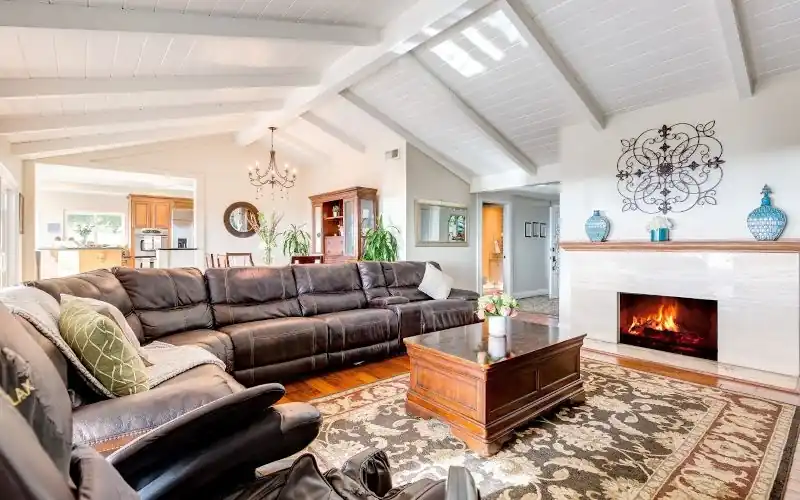
Adelante Recovery Centers
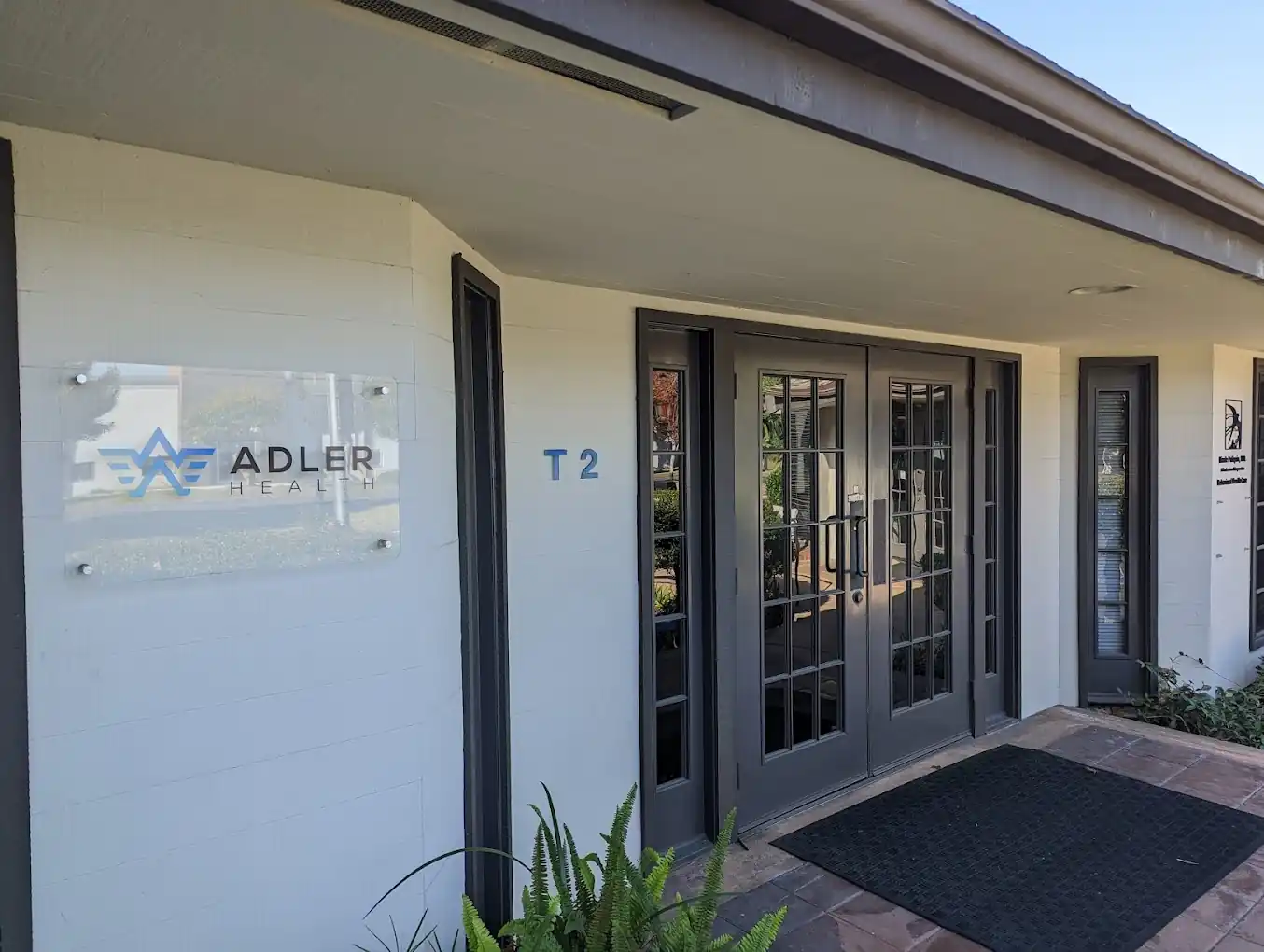
Adler Health
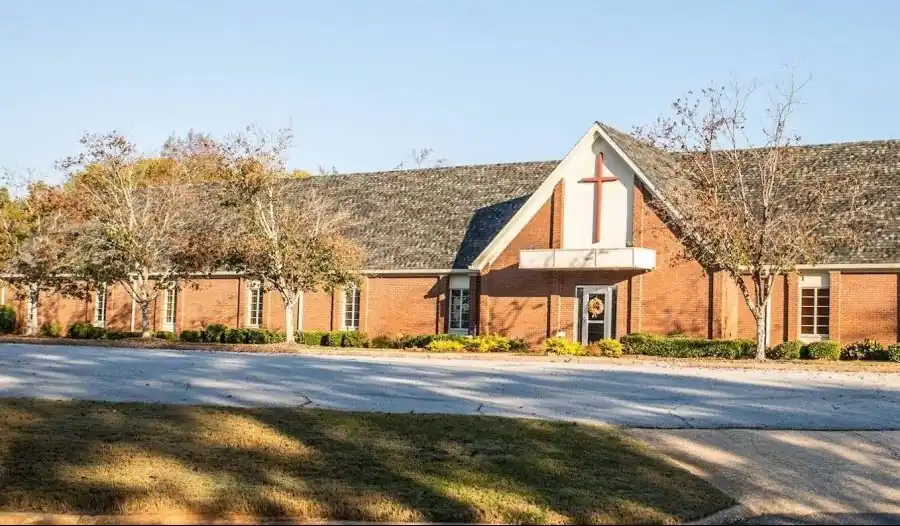
Adult and Teen Challenge Columbus Women’s Home

Holistic Wellness & Recovery Services
If you’re working toward feeling like yourself again, wellness services support your mind and body in recovery. Recovery is more than stopping substance use. Wellness services like fitness, nutrition, mindfulness, and community activities support holistic addiction recovery, rebuild your physical health and give you sustainable ways to manage stress and find joy without relying on old patterns.

Mindfulness & Meditation
Reduce stress, cravings, and emotional triggers.

Yoga & Breathwork
Support physical recovery and emotional stability.

Nutrition & Healing
Restore the body after substance use with proper nutrition.

Fitness & Movement
Improve mood, reduce cravings, and rebuild overall health.
Featured Wellness Centers
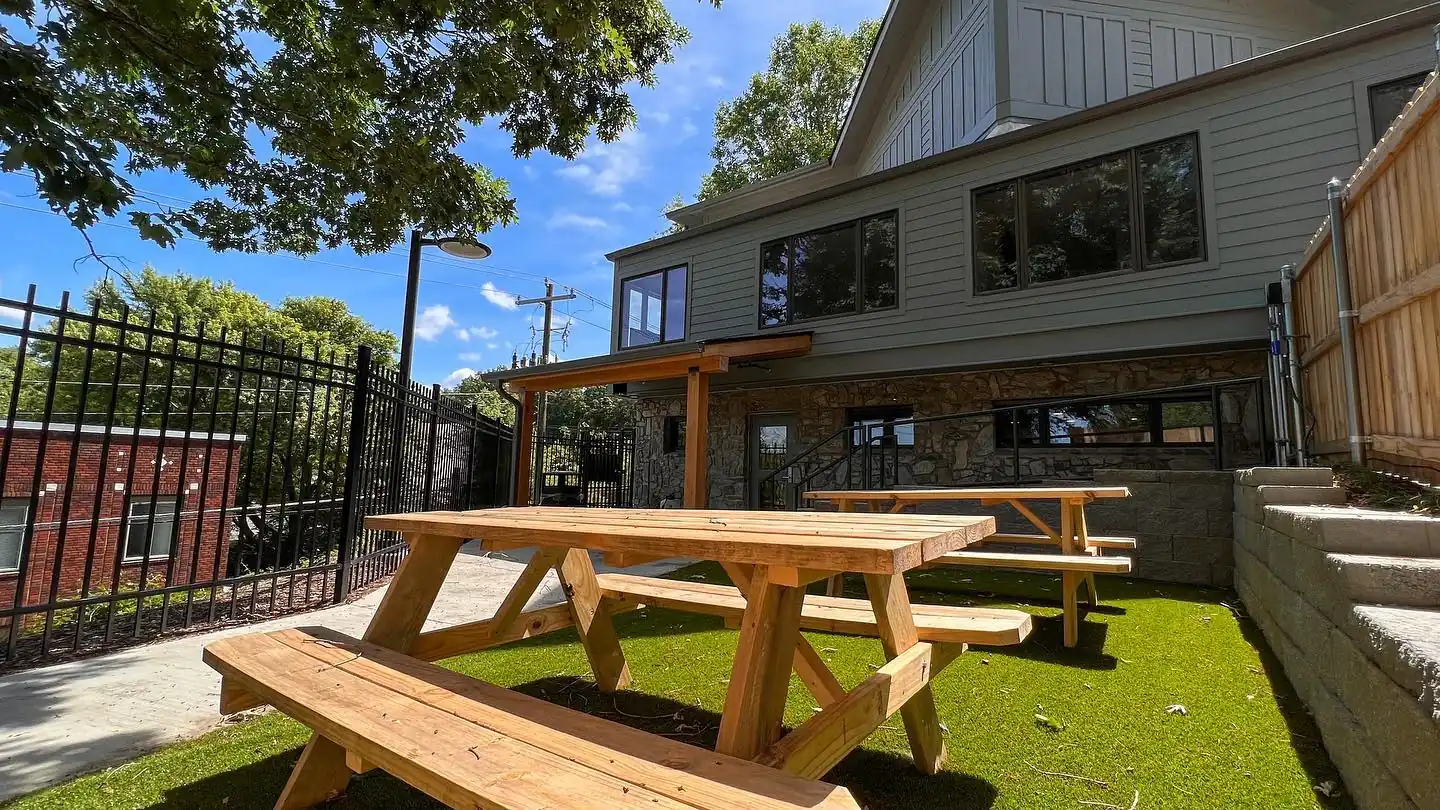
Asheville Detox Center
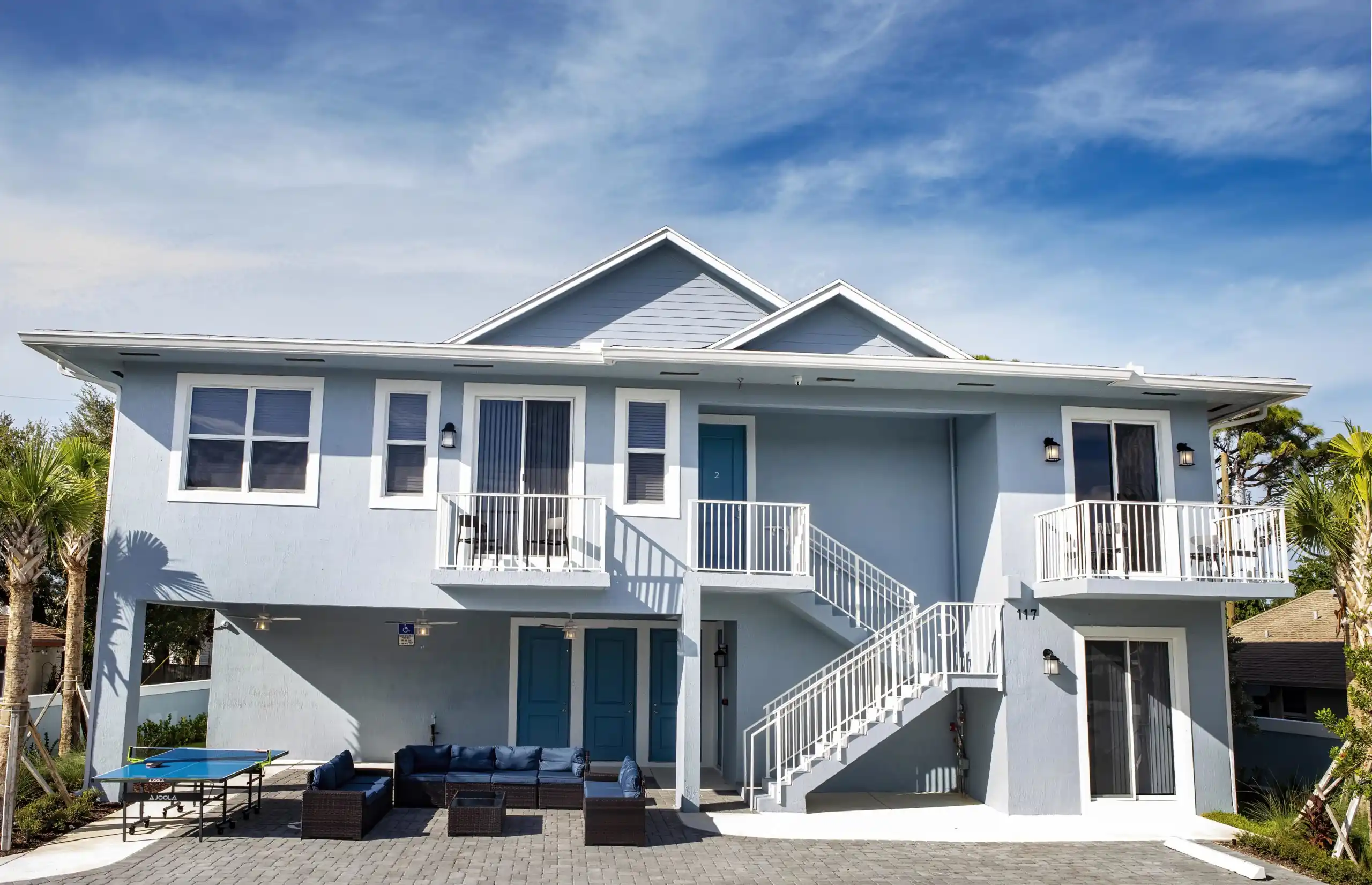
Comprehensive Wellness