Overdose and Medical Emergencies

Understanding When Substance Use Becomes an Immediate Health Risk

This page is designed to help you understand common overdose and medical emergency warning signs, how risk can escalate quickly, and when immediate medical care is essential. It is not intended to diagnose or label, but to provide clarity, reduce hesitation, and encourage prompt, life protecting action.

Understanding Medical Risk on a Spectrum

Medical risk exists on a continuum.

At one end are mild, transient symptoms that resolve with rest or adjustment. At the other are acute emergencies where the body’s systems are overwhelmed and urgent care is required to prevent serious harm or death.

What matters most is not the substance or situation alone, but the speed of change, severity of symptoms, and loss of safety.

Common Signs of Overdose or Medical Emergency

Overdose and medical emergencies can affect breathing, heart function, consciousness, and temperature regulation.

warning signs may include:

Loss of consciousness or inability to wake

Loss of consciousness or inability to wake

Severe confusion, agitation, or seizures

Severe confusion, agitation, or seizures

Vomiting, especially with reduced awareness

Vomiting, especially with reduced awareness

Very high or very low body temperature
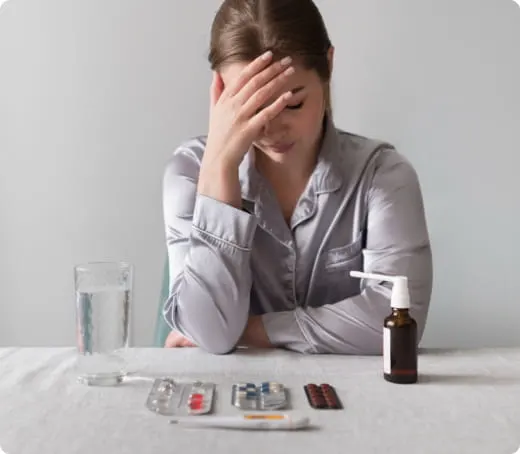
Very high or very low body temperature

Factors That Increase Overdose and Medical Risk

Certain conditions significantly increase risk, even at doses previously tolerated.

Certain behaviors, conditions, and environmental factors can increase the likelihood of an overdose or serious medical complications. These may include using substances in high doses, combining multiple substances, or using after a period of abstinence when tolerance is reduced.

Risk Factors may include:

  • Reduced tolerance after a period of abstinence
  • Mixing substances, including alcohol and medications
  • Using alone without someone who can help
  • Underlying medical conditions or dehydration
  • Sleep deprivation or extreme stress
Insurance Background

Medical Emergencies Beyond Overdose

Substance use can contribute to other acute medical crises.

While overdose is a serious concern, other medical emergencies can also arise during substance use or recovery. Severe dehydration, infections, heart complications, breathing difficulties, or sudden changes in mental or physical functioning may require immediate medical attention.

This may include:

Heart rhythm disturbances or chest pain
Heat stroke or severe dehydration
Infections or allergic reactions
Severe withdrawal reactions

When to Act Without Delay

Seek emergency medical help immediately if someone:

Insurance Background

Unresponsive or Unconscious

Is unresponsive or difficult to wake

Breathing Problems

Has slowed or stopped breathing

Seizures or Severe Confusion

Is having seizures or severe confusion

Skin Color Changes

Shows blue or gray skin coloring

Collapse or Airway Risk

Has collapsed or cannot protect their airway

Common Misunderstandings About Overdose and Emergencies

Hesitation often comes from fear or misinformation

Common beliefs include:

The person will wake up on their own

The person will wake up on their own

Calling for help will cause legal trouble

Calling for help will cause legal trouble

Medical care means permanent consequences

Medical care means permanent consequences

Overdose only happens to certain people

Overdose only happens to certain people

What Types of Support Are Often Helpful After an Emergency

Recovery and stabilization often continue after the immediate crisis.

Depending on context, helpful support may include:

  • Medical monitoring or short term hospitalization
  • Evaluation of substance use patterns and tolerance
  • Integrated mental health and substance support
  • Harm reduction education and safety planning
Insurance Background

How TruPaths Helps You Navigate Emergency Risk

Across TruPaths, medical risk indicators are integrated throughout educational and treatment resources.

These indicators help clarify:

Immediate Medical Care

When immediate medical care is necessary

Role of Emergency Care

How emergency care fits into recovery pathways

Risk Reduction Support

What supports may reduce future risk

If You Are Unsure What to Do Next

Uncertainty is common after a scare or close call. You do not need to have answers to take protective steps.

Helpful next steps may include:

Medical Guidance

Medical Guidance

Speaking with a medical professional about risk and recovery

Support Options

Support Options

Exploring substance use or mental health support options

Harm Reduction

Harm Reduction

Learning about harm reduction and safety planning

Next Step Guidance

Next Step Guidance

Connecting with a guide to discuss next steps

Explore Related Topics

If this page resonated, you may also find the following resources helpful:

Suicide Risk and Crisis Warning Signs

Suicide Risk and Crisis Warning Signs

Severe Withdrawal and Acute Risk

Severe Withdrawal and Acute Risk

Psychosis and Loss of Reality Testing

Psychosis and Loss of Reality Testing

Understanding Levels of Care

Understanding Levels of Care

Top Addiction and Mental Health

A Final Perspective

Overdose and medical emergencies are not moral failures. They are medical crises that require prompt, compassionate response.

Help saves lives. Seeking emergency care protects health and creates opportunities for recovery, support, and renewed stability.

About TruPath's Recommendations

Recommendations are based on your location and recovery needs, including the programs you've explored, the services you've saved, and the filters you've used. We use this information to highlight similar treatment options so you never miss a trusted path forward.

Tru AI
expand minimize
close
send