I’m writing the review I wish I could have read when I was researching residential programs and deciding if I could do it, and where I should go. I was at CooperRiis in Asheville (not The Farm) earlier this year. My experience is as a cisgender, queer, white, fat, disabled woman who is both a lifelong mental health patient and a therapist. No residential program is easy or fun, but within that context, I had a shockingly good experience at CRA and I’m so glad I went.
Staff:
The staff are absolutely wonderful. Every person in every role is so kind, compassionate, and committed to supporting each resident. The clinicians (therapists, nurses, psychiatrist) are skilled and engaged, as are the residential staff, recovery coaches, care coordinators, and Wellness Director.
Structure:
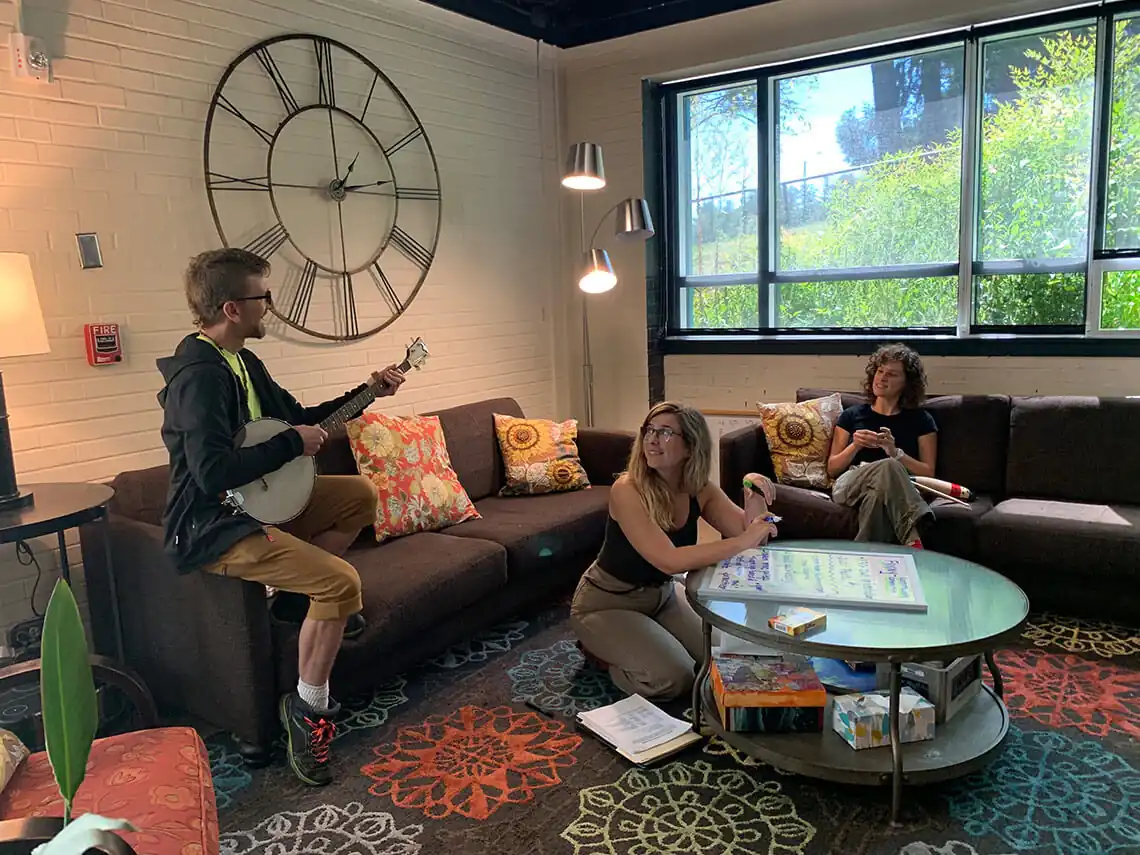
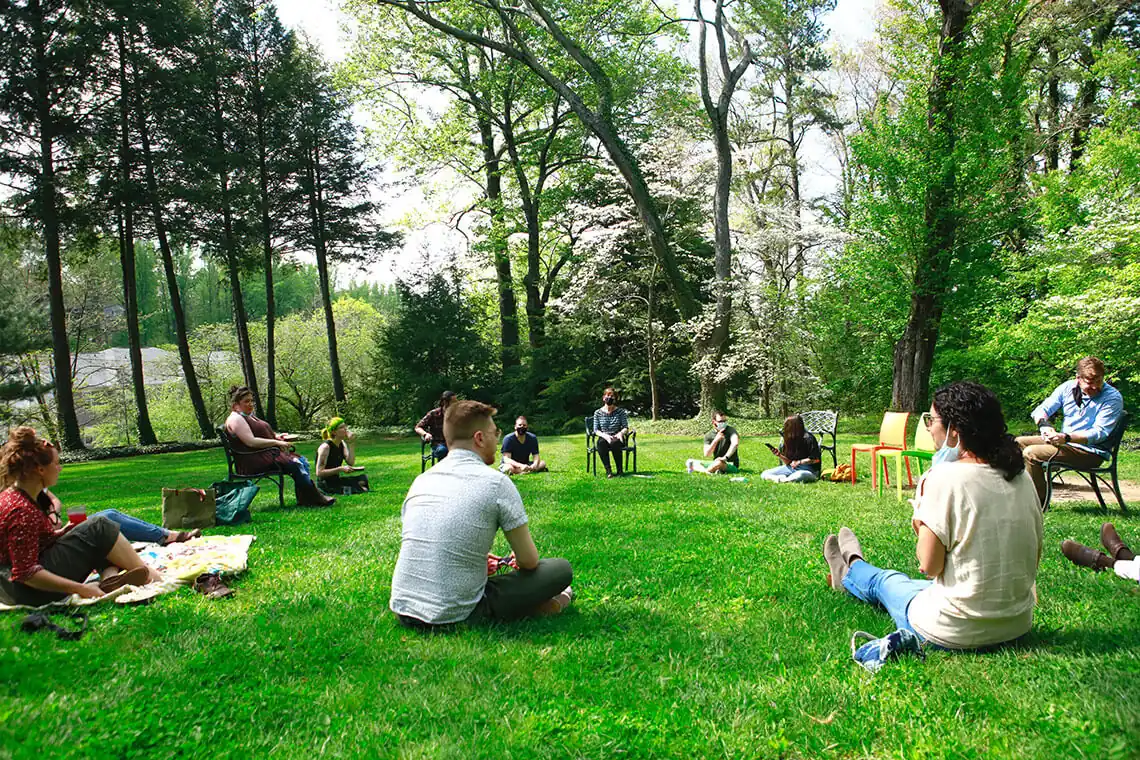
I found the structure of the weekdays extremely helpful; time is split between individual sessions, a variety of groups, optional wellness activities like group walks and art, and down time. The weekends are tougher, with no individual sessions or groups on Saturday and only two groups on Sunday. After such an intense week of treatment, having a break is kind of nice, but also feels a bit like whiplash and gives you a lot of time with your thoughts. That being said, the residential staff are so kind and engaged. They provide several activities throughout the weekend (and weekday evenings) to build a sense of community and offset that whiplash feeling. They are always eager to talk with you one-on-one if you need to, and these checks-ins were validating and helpful.
Autonomy:
While any residential program requires rules that aren’t a good fit for everyone, the staff at CRA are as accommodating as they can safely be of individual needs. Having the ability to keep my phone, go outside when I wanted to, eat when I wanted to, and attend the groups I wanted to helped me feel I had some control over my own experience there.
Identity:
I expressed my needs and concerns to every member of my care team in my first few days there, and these were respected and accommodated. The experience was not perfect and there were a few upsetting things that occurred while I was there. I met with leadership twice to express my concerns, and they were receptive, kind, responsive—even appreciative. I experienced zero fatphobia there, my trauma and neurodivergence were honored, and I felt much safer there as a queer person and woman than I expected to. When incidents did occur, staff took them seriously. There’s lots of queer and trans staff members. I wore a mask in common spaces throughout my stay and this was respected with no weird pushback or judgment. I was the only person who wore one, but they are strict about staff staying home when sick, and the other residents were kind about my request that they let me know if they felt sick.
Food and Space:
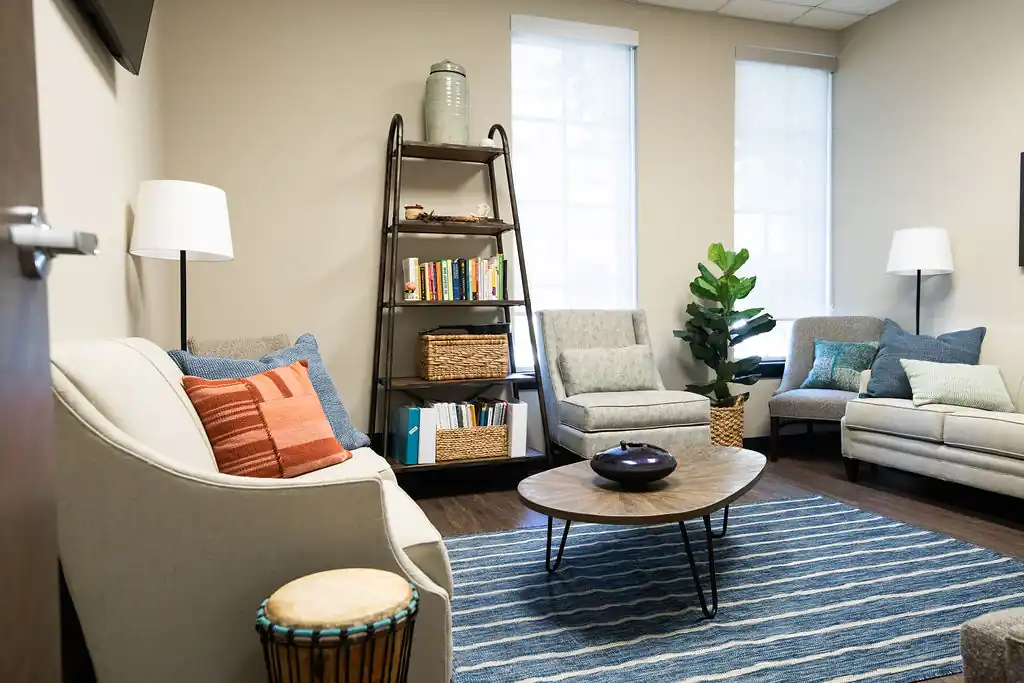
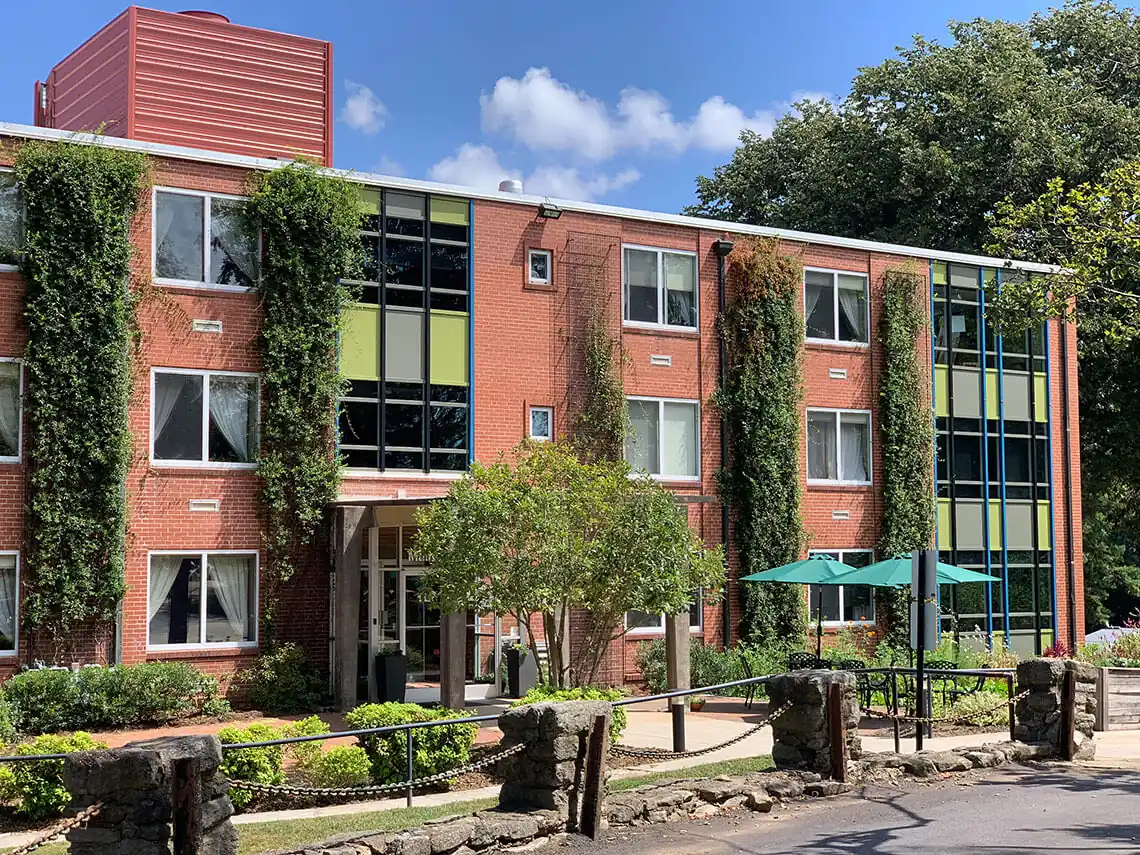
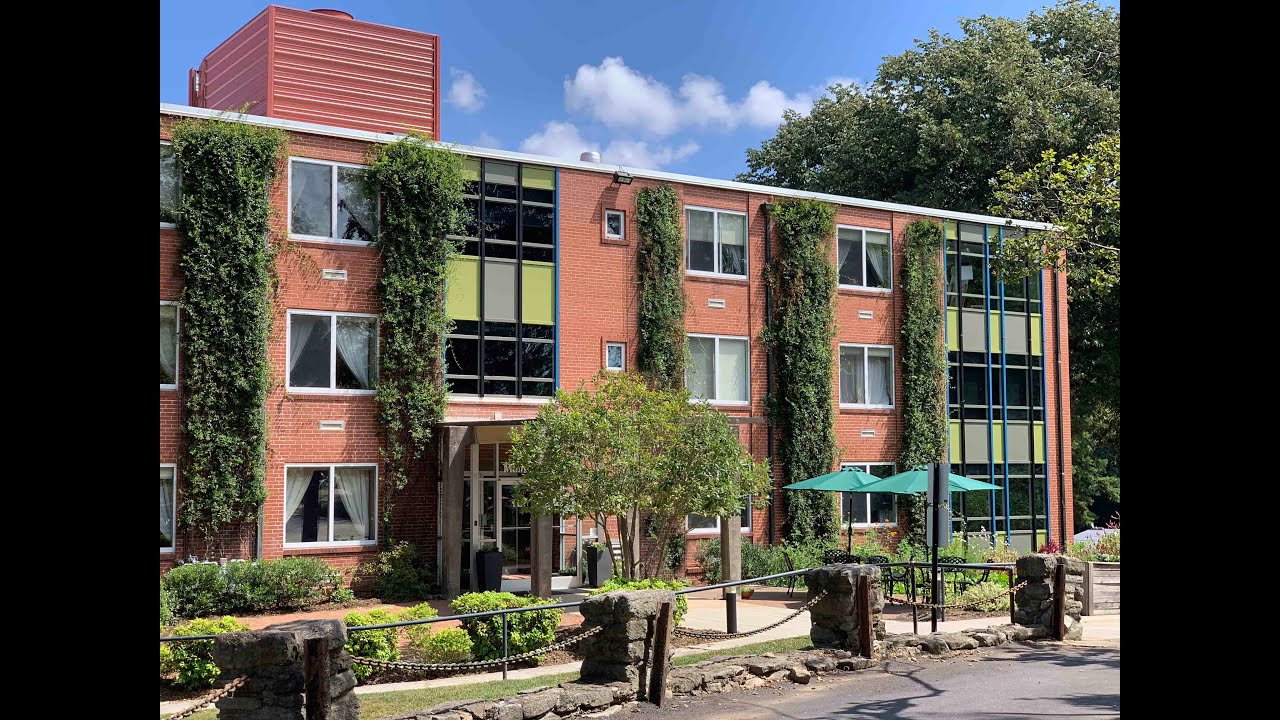
The food was SO good. There’s a big salad bar at every lunch and dinner, and multiple options for entrees and sides at every meal. Seriously, I was shocked by how good it was; there were only three meals in 30 days that I didn’t enjoy. I am a pescatarian and there were always good choices for me. As a bonus, the kitchen staff are so kind, know all the residents’ names, check in about needs and preferences when they meet you, and are happy to answer questions about the food any time. I also appreciated the 30+ varieties of tea available along with coffee and a daily flavored water. The entire space is clean and well cared for, with lots of comfy places to sit and read, journal, etc.
In summary, if you need this level of care, I recommend CRA. Even as a therapist who has been in outpatient care for decades, I left with some coping skills and insights I didn’t have before. It was hard work and you definitely get out of it what you put into it. If I need residential care again the future, I will go back to CRA, and I’d recommend it to my loved ones.











 Levels of Care
 Programs & Specialization
 Conditions Treated
 Therapies & Modalities
 Accrediations & Licensing
 Amenities & Environment