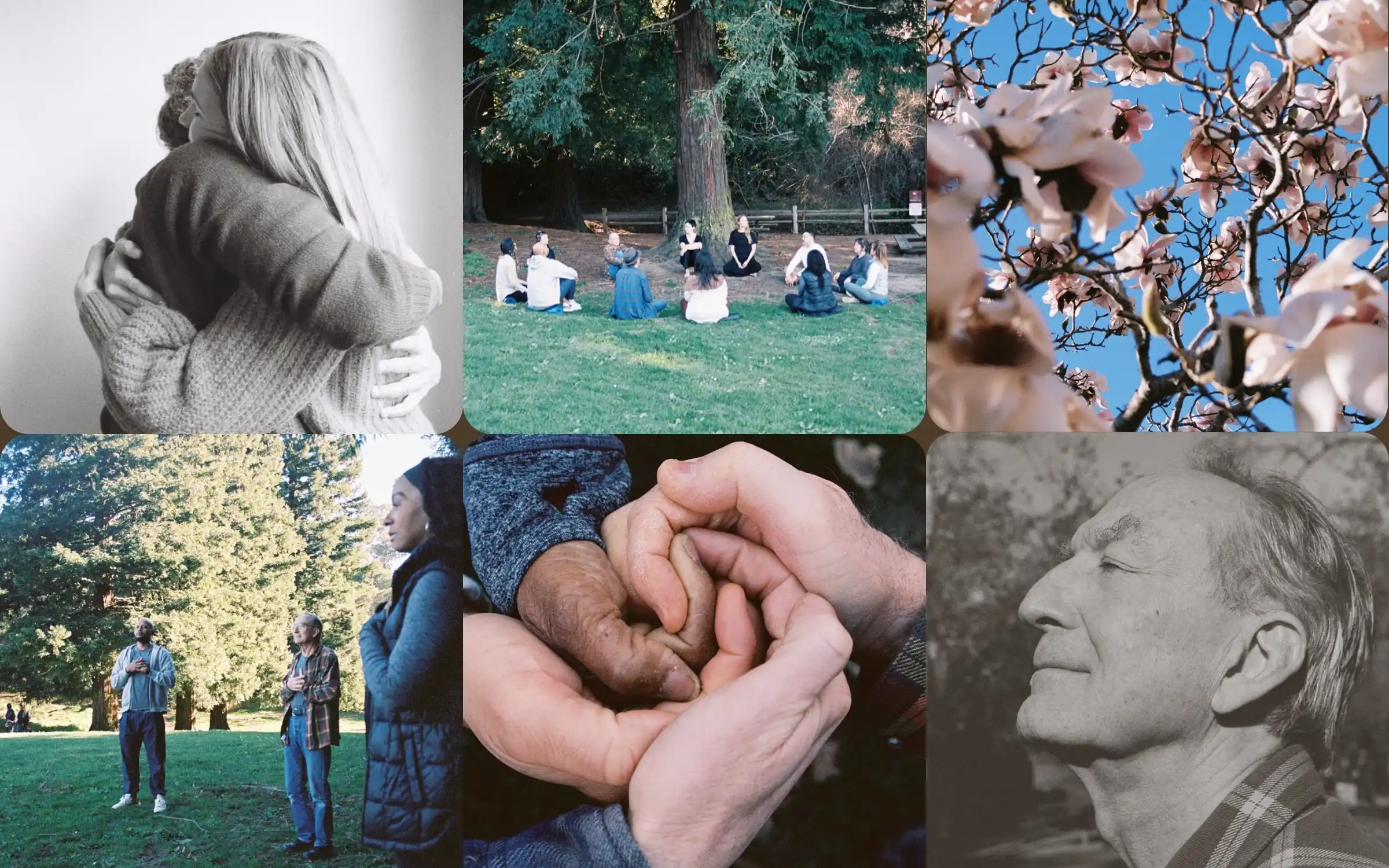
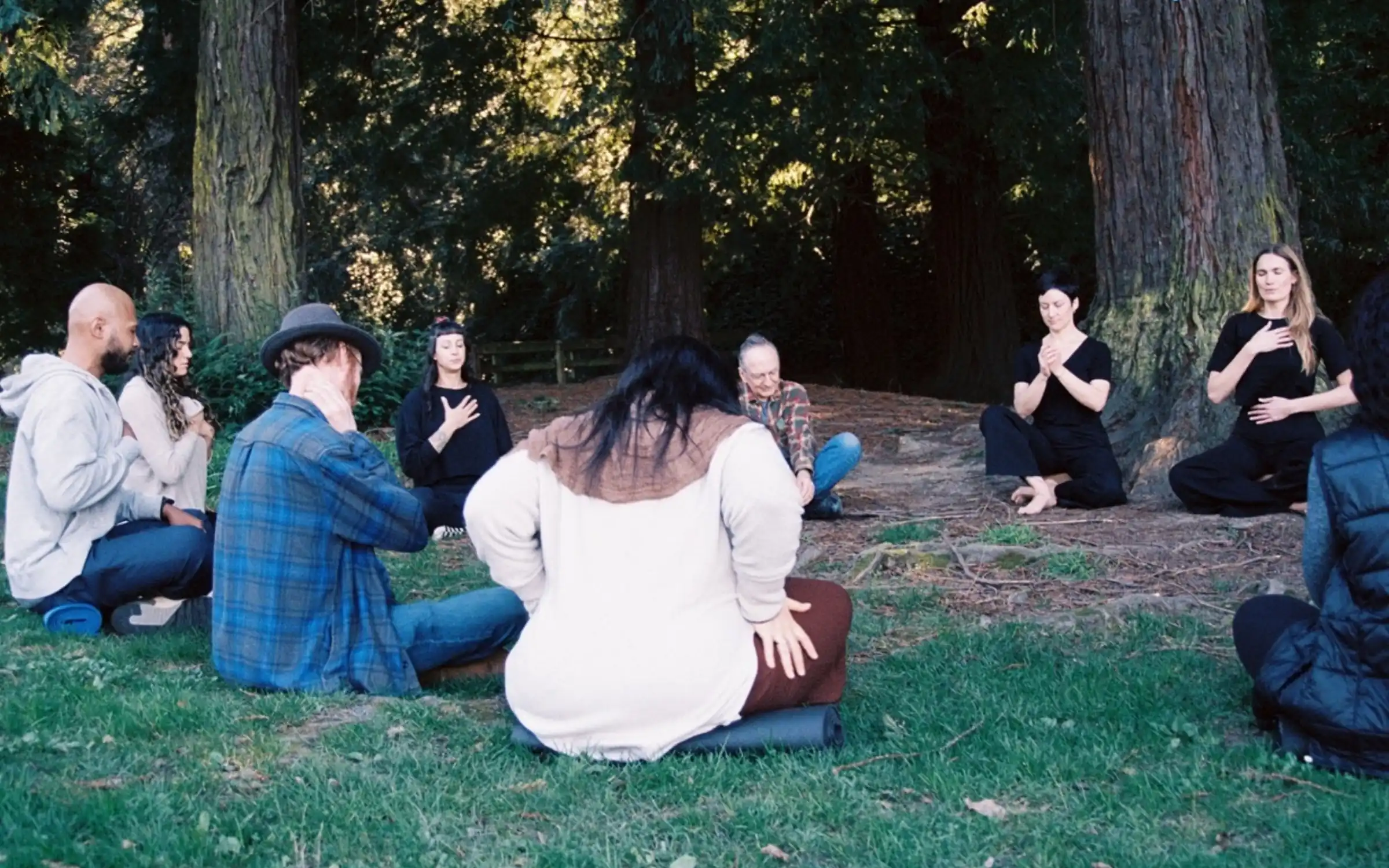
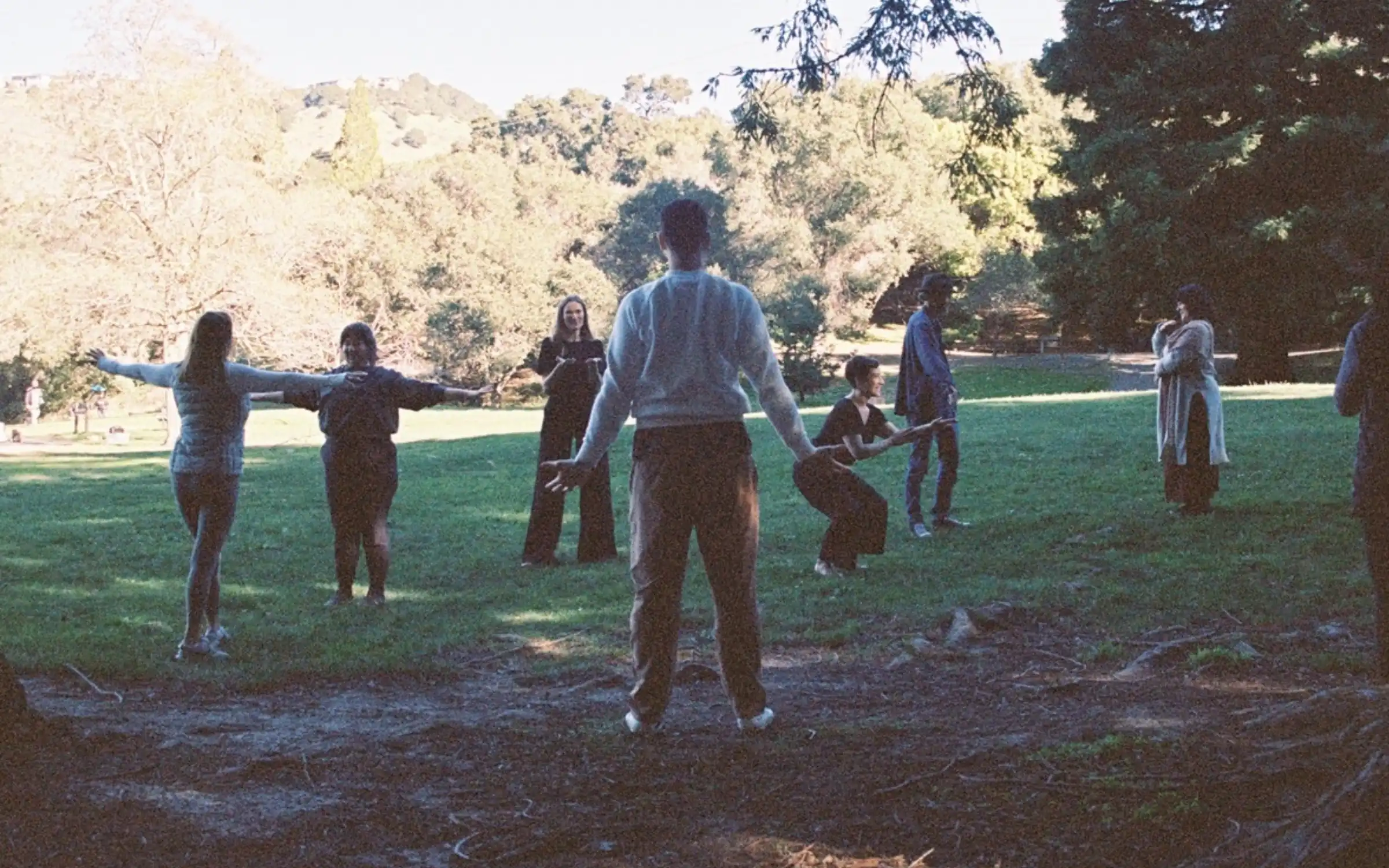
Resilient Recovery offers somatic, body-based support for people navigating stress, compulsive behaviors, anxiety, depression, and substance use concerns. Their approach helps patients reconnect with bodily cues, strengthen natural self-soothing skills, and respond more effectively to emotional states or cravings. Patients can access services locally in the Bay Area or virtually from anywhere. Build Skills Through Somatic and Trauma-Informed Care Resilient blends somatic nervous system work with evidence-informed practices to promote regulation, agency, and grounded recovery. Through group circles and one-on-one sessions, patients learn how to calm the nervous system, navigate urges, and build healthier patterns. Care is offered in trauma-informed, non-hierarchical spaces where patients are seen, valued, and supported without needing a spiritual practice, movement background, or specific recovery identity. Access Flexible Programs That Support Daily Life The center offers monthly online somatic recovery circles on the last Thursday of each month from 12 to 1 p.m. (PT), helping patients understand bodily responses and manage work-related stress with greater ease. In-person somatic recovery circles take place every third Friday from 7 to 8:15 p.m. (PT) in Oakland for small groups, with advance reservations available. Resilient Recovery also provides professional clinical trainings for treatment centers, offered both in-person in the Bay Area and online. Providers are invited to connect with the team to develop a individualized training program for their teams. Additional digital learning options will be released soon. Explore Inclusive Pathways to Healing Resilient Recovery welcomes people working through many forms of addiction and attachment including substance use, relationship patterns, or difficulties with technology or social media. Their model emphasizes embodied intelligence and personal agency, recognizing that recovery is not one path but many. Patients enter a supportive community that encourages curiosity, self-compassion, and long-term nervous system resilience.

 Levels of Care
 Programs & Specialization
 Conditions Treated
 Therapies & Modalities