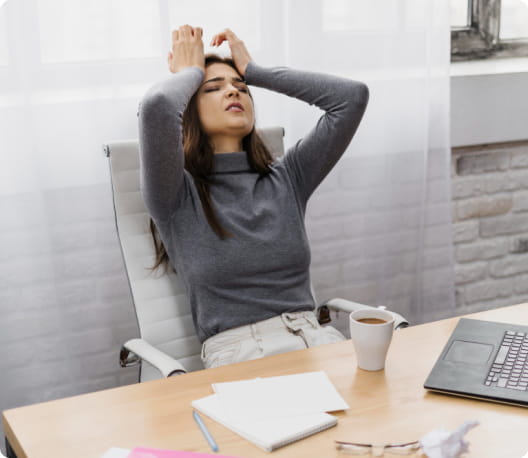
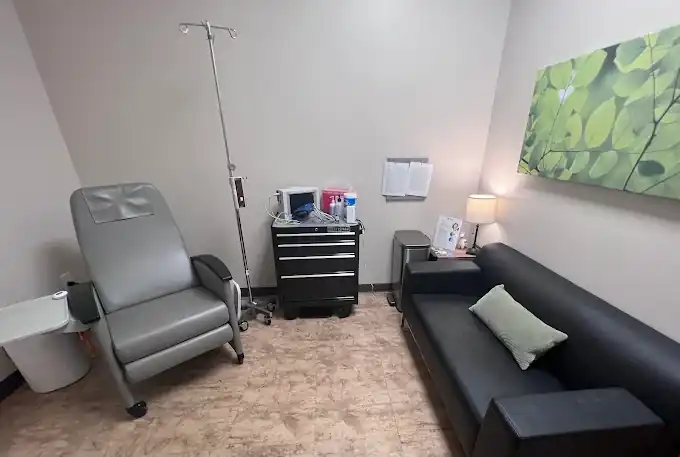
This page is designed to help you understand how chronic stress and substance use can affect physical and psychological health, how these effects often develop gradually, and when additional support may be helpful. It is not intended to diagnose or label, but to offer clarity and context for patterns that often prompt people to seek guidance.
At one end are short term effects that resolve when stress decreases or use changes. At the other are cumulative impacts that affect multiple body systems and persist even when stressors fluctuate.
What matters most is not exposure alone, but duration, intensity, and the body’s ability to recover.
Prolonged stress keeps the nervous system in a state of activation.
Persistent muscle tension or pain
Digestive issues or appetite changes
Increased heart rate or blood pressure
Weakened immune response or frequent illness

Chronic stress and substance use together can significantly affect mental health.
When physical decline and self-care neglect occur together, they can significantly affect a person’s mental and emotional wellbeing. Individuals may experience increased stress, anxiety, sadness, or feelings of isolation as daily tasks become more difficult to manage.
Health effects related to self-care neglect can appear in everyday activities and routines. A person may find it harder to maintain personal hygiene, prepare regular meals, stay physically active, or attend medical appointments.
Health effects from chronic stress and substance use often overlap with other challenges.
It may be time to consider additional support when health effects:
Persistent Symptoms
Persist despite rest or lifestyle changes
Gradual Worsening
Worsen over time rather than improve
Daily life Impact
Interfere with daily functioning or quality of life
Substance Use Increase
Are accompanied by increased substance use
Safety Concerns
Create concern for physical or mental safety
Many people delay seeking help due to misconceptions.
Stress related symptoms are just part of life
The body will adapt indefinitely
Substances are helping manage health issues
Medical tests being normal means nothing is wrong
Support for health effects of chronic stress and substance use focuses on regulation, restoration, and safety
Across TruPaths, indicators related to stress and substance related health effects appear throughout educational and treatment resources.
When outpatient support may be appropriate
When medical or clinical oversight may help
How physical health intersects with mental health and recovery needs
Uncertainty is common when performance begins to slip. You do not need to identify a single cause to seek support
Learning about different levels of care related to substance use
Exploring therapy or outpatient support options
Speaking with a guide to discuss what you are noticing
Continuing to explore related educational resources
If this page resonated, you may also find the following resources helpful:
The health effects of chronic stress and substance use are not signs of weakness or poor coping. They are signals that the body and nervous system have been under sustained pressure.
With appropriate support, these effects can often be reduced or reversed. Support exists to help restore balance, resilience, and health, not to blame or minimize lived experience.
Recommendations are based on your location and recovery needs, including the programs you've explored, the services you've saved, and the filters you've used. We use this information to highlight similar treatment options so you never miss a trusted path forward.