I completed PHP /IOP services through Clear Behavioral Health, and I am grateful for what I gained from the experience. However, I think it is important to share a realistic perspective. Do not go into PHP/IOP expecting your issues to be resolved. That is not what this kind of program is designed to do. Instead, it teaches coping skills and tools to help you face life with more stability and awareness, including what brought you here in the first place.
I also want to acknowledge how difficult it can feel to begin a program like this when you are already depleted. Many of us come into PHP/IOP with low energy, low motivation, emotional exhaustion, and a heavy mental load. If that is where you are when you start, you are not alone, and it makes sense. It means you are human, and you are reaching for support at a time you truly need it.
If coping strategies, emotional regulation, communication tools, self awareness, self care, and self compassion were taught as part of a regular curriculum throughout our lives, many of us would be in a much better place when it comes to mental health long before we ever reach a crisis point.
One of the biggest lessons I took from this experience is that healing has to become a habit. These programs can provide structure, guidance, and support, but they only work if you are willing to put in the work. The skills you learn require practice, repetition, and follow through. It is not passive. You do not just attend sessions and automatically get better. You have to actively participate in your own healing. I also encourage people to remain open to learning about the many techniques offered. We are all here for different reasons, yet many of us experience similar symptoms. There is value in learning about all of the tools available and then choosing what resonates most with you.
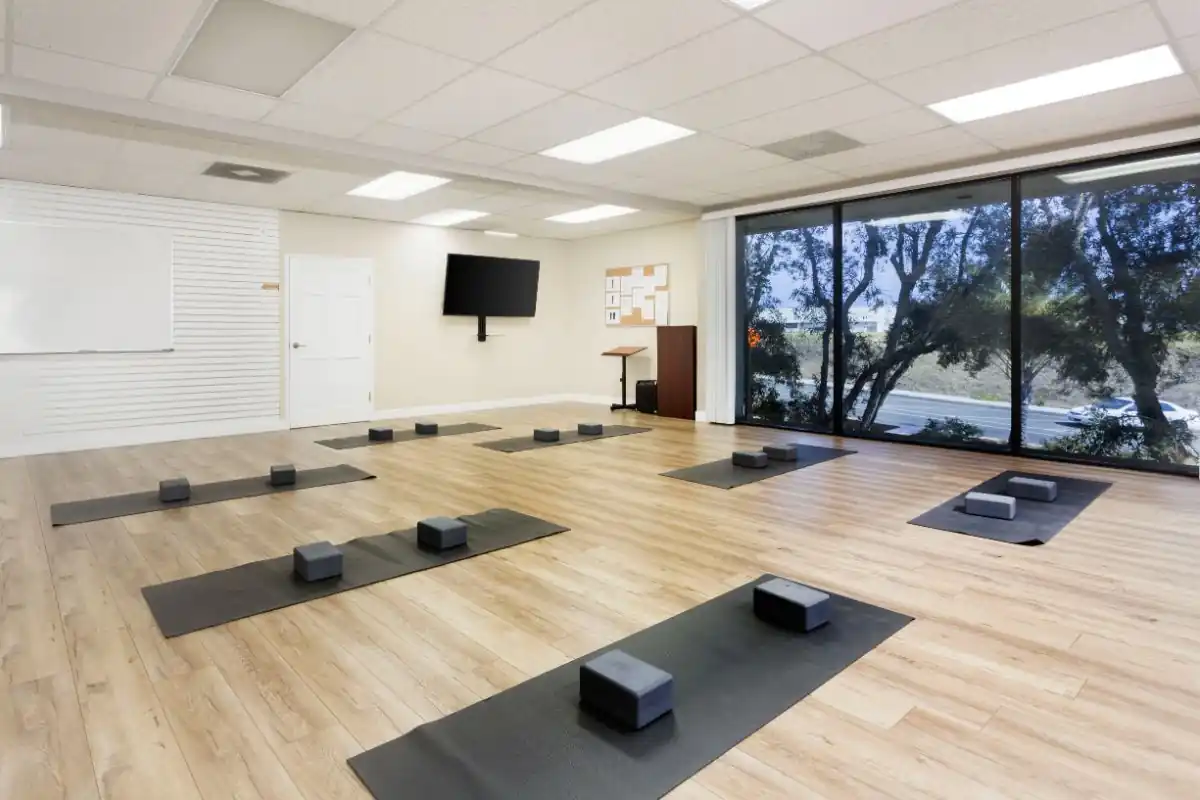
It is worth giving everything in this program a try. Take the groups seriously, even the ones that feel outside of your comfort zone, because those may provide the greatest benefit for that exact reason. Participate in the art classes and the physical classes. Those sessions can feel surprisingly grounding, and they are part of building a full set of tools for real life.
It is also worth acknowledging that group settings can feel uncomfortable and awkward at first. That is normal. With time, those same group spaces can become a source of support from a community of people who are walking the same path with you during the program. For many, like myself and the peers I met while in the program, that sense of connection can continue beyond the program as well.
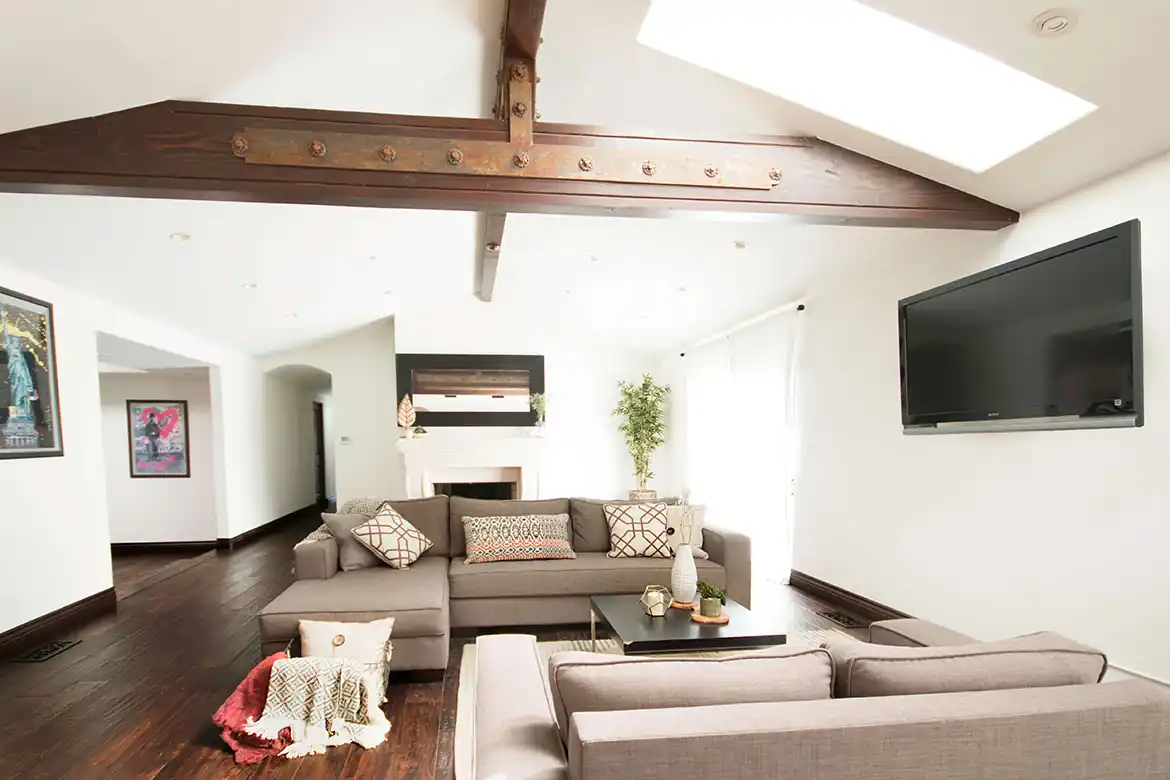
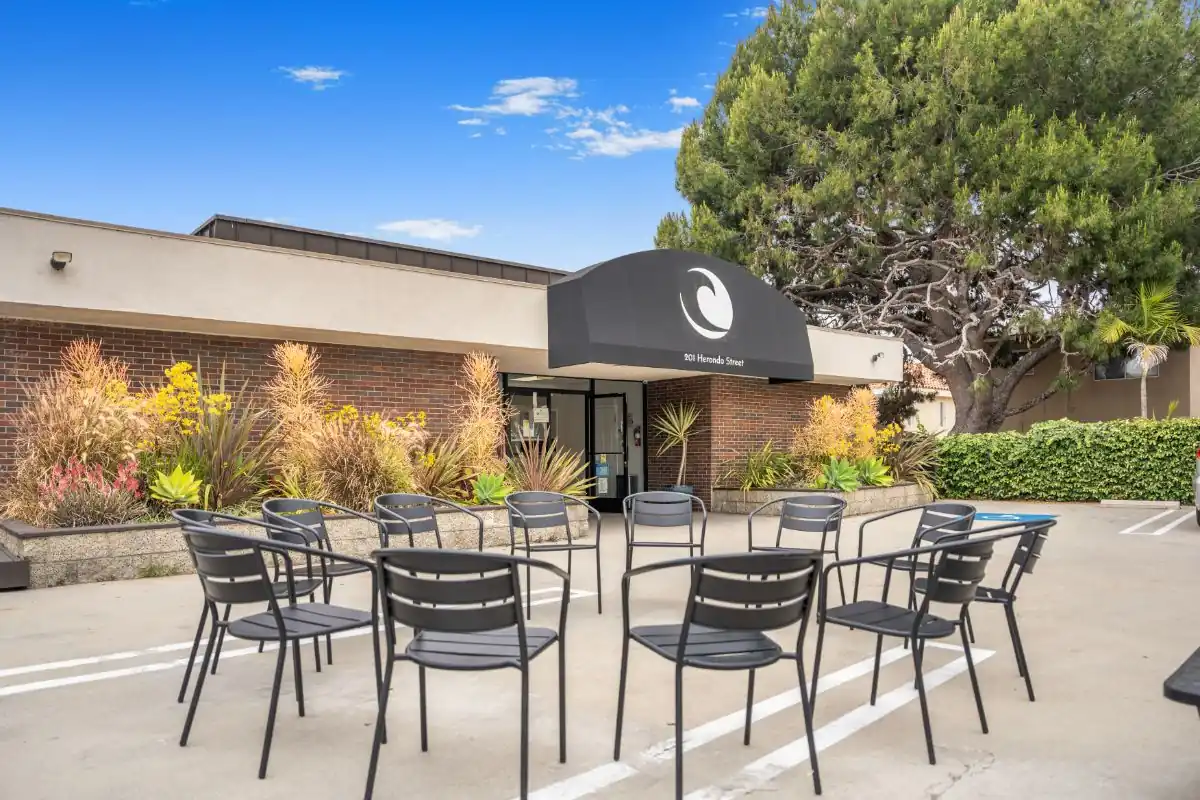
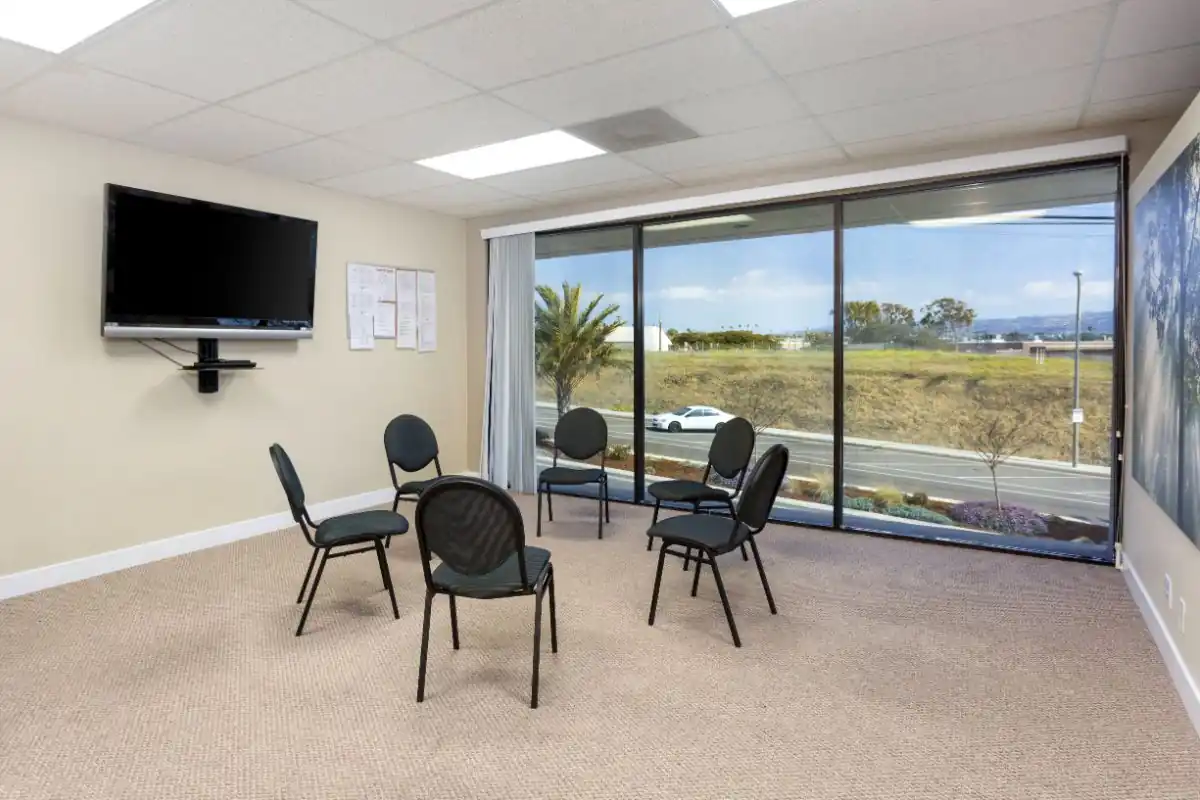
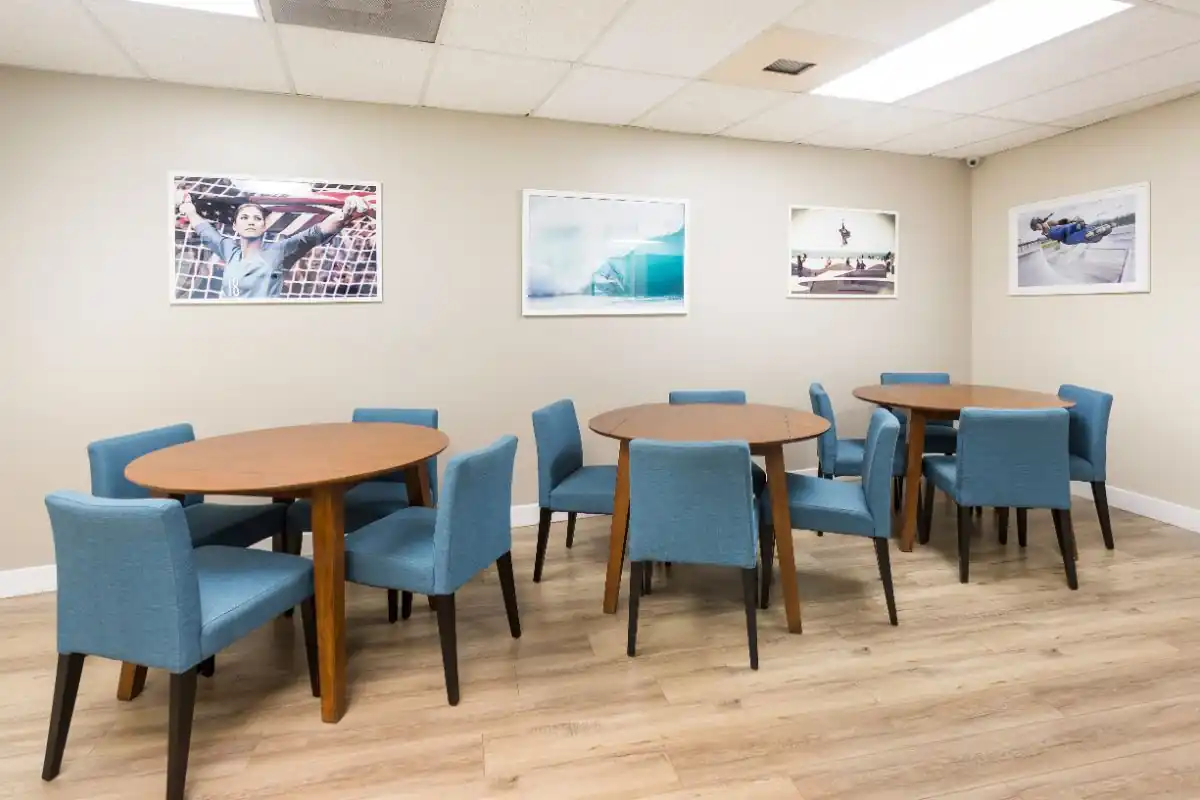
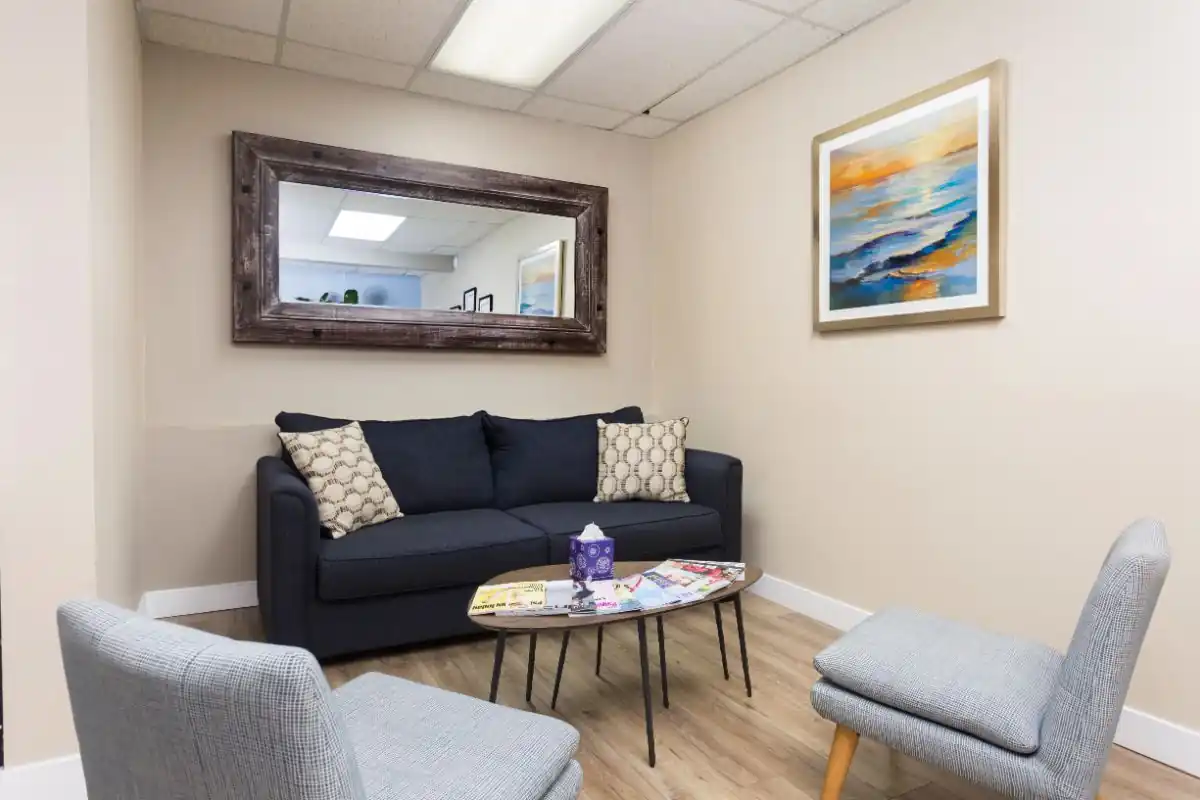
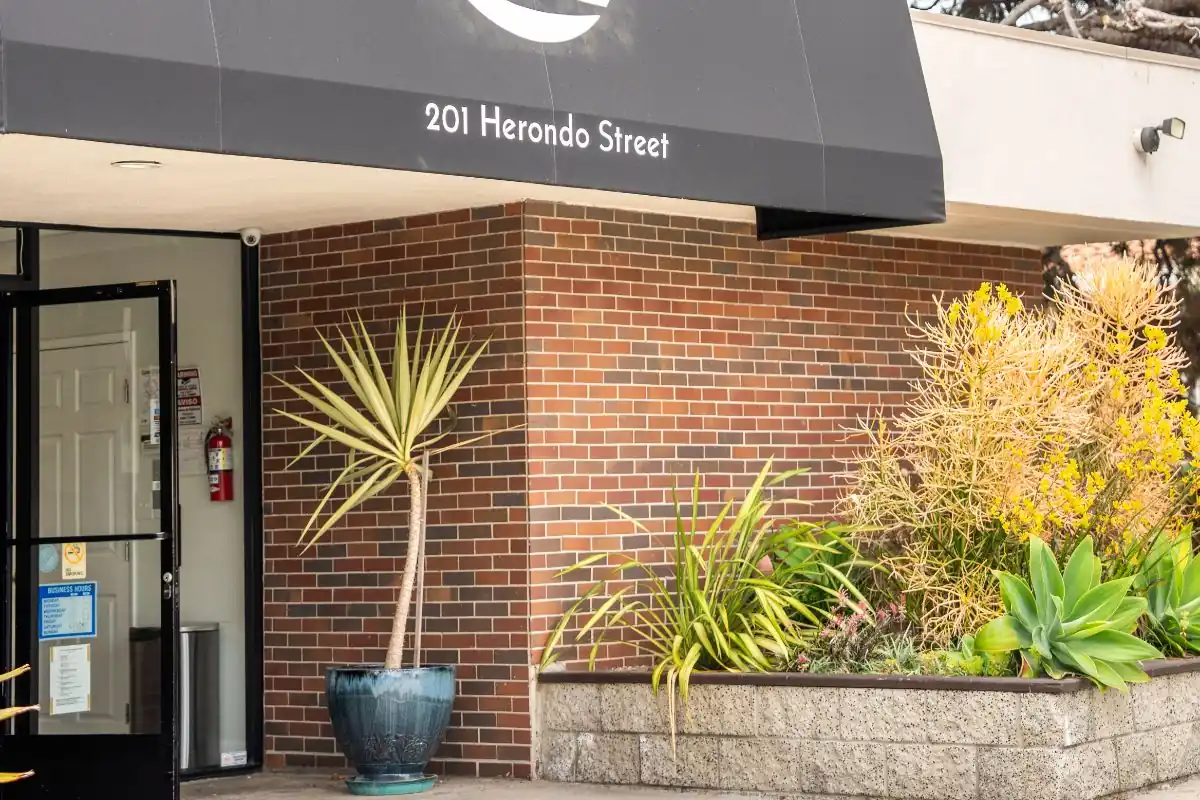
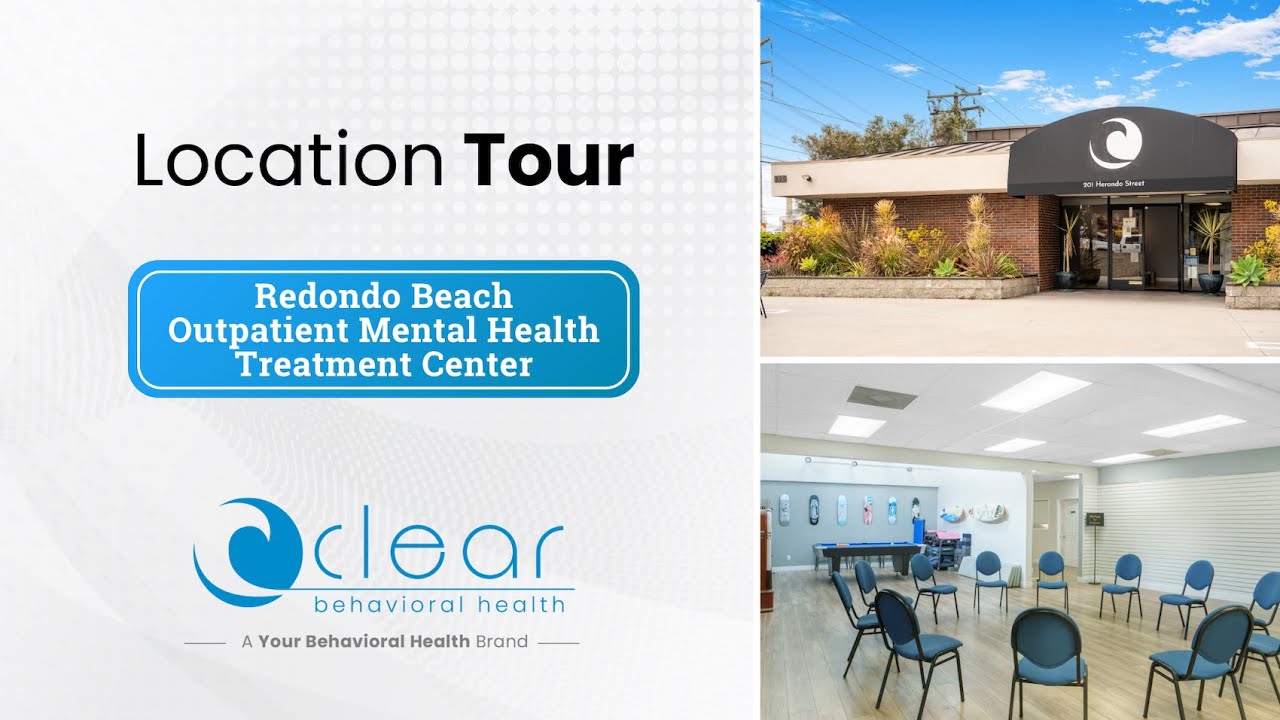
What added to a positive experience at Clear Behavioral Health was the staff and the environment they helped create. There was professionalism and a consistent effort to support patients through the process in a meaningful way.
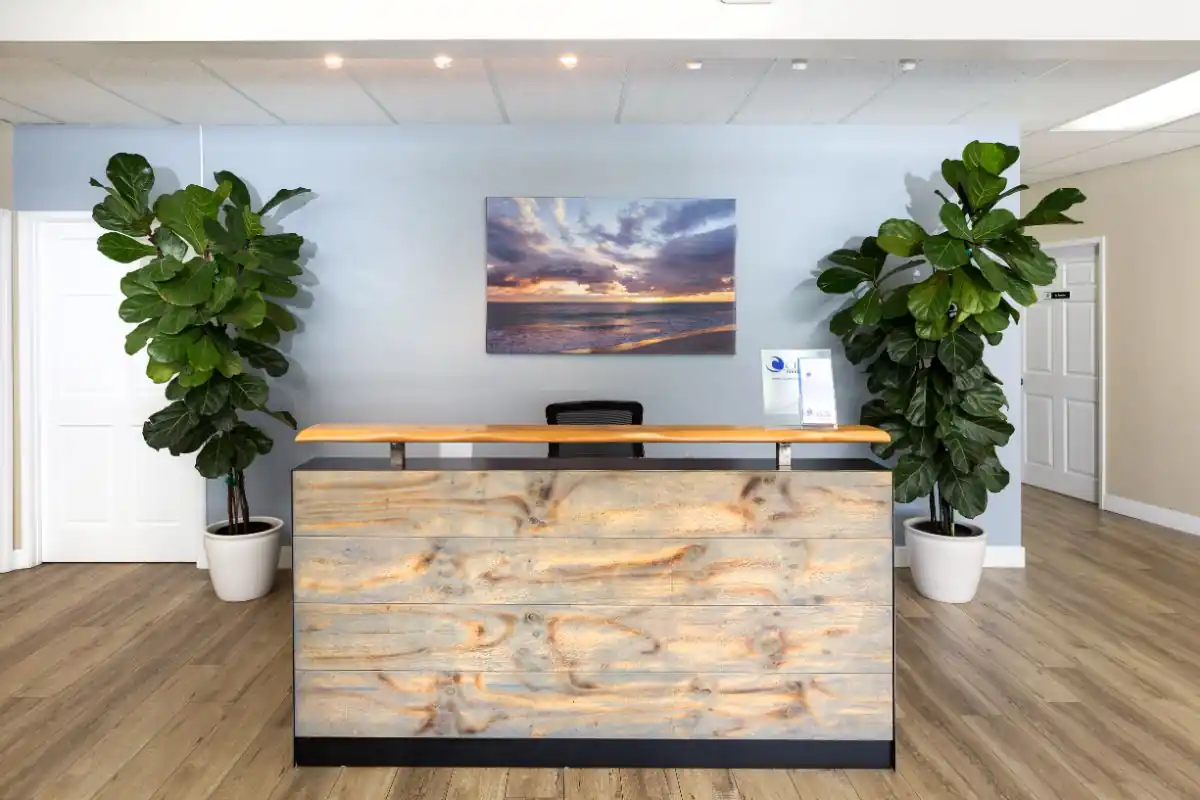
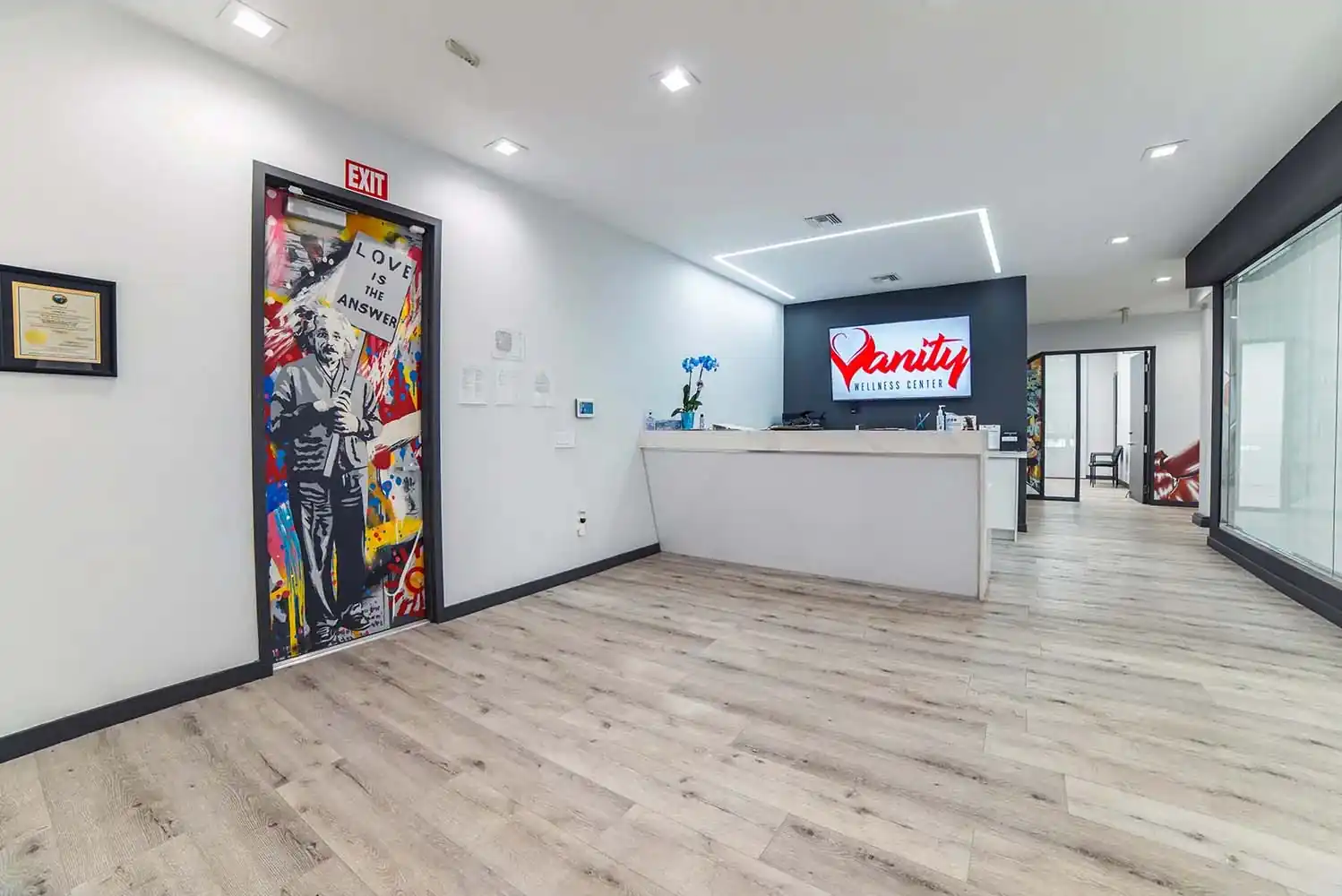
Special shout out to Caroline at the front desk. Her daily greetings, and greeting people by name, make a bigger difference than most people realize. Her presence is truly felt, and her absence is definitely noticed when she is not there.
I also want to recognize the counselors, especially Kyle and Lilly, for all they do to support the program. There is dedicated time to meet with them for administrative needs, and they handle that process in a way that allows patients to focus on treatment and the therapy sessions. They also do an excellent job leading the group sessions they facilitate.
And finally, a shout out to the therapists, especially John, not only for professionalism and consistency, but for the way they remain objective. There are also those in a group setting who are not hesitant to let uncomfortable silence linger. That approach matters. It creates space for real reflection, honesty, and growth.
Overall, I am grateful for what I learned through Clear Behavioral Health. This program gave me tools I will continue using, and it reinforced something I will carry with me. Healing is not an event. Healing HAS TO become a habit.













 Levels of Care
 Programs & Specialization
 Conditions Treated
 Therapies & Modalities
 Accrediations & Licensing
 Amenities & Environment