Professional Review (2017–2018 Former Patient Experience)
I spent approximately eight months between the inpatient hospital and residential program at this facility from 2017–2018. While I want to acknowledge there were some positives, particularly the one-on-one therapy sessions that provided genuine value, my overall experience was deeply negative and remains with me to this day.
Positives
Individual Therapy: The one-on-one sessions with my therapist were the only part of my stay that I found meaningful. This individualized support was helpful and remains the one aspect I look back on positively.
A Few Staff Members: Roughly 5% of the staff demonstrated true compassion, understanding, and inspiration. Special thanks to Abe, a security guard, whose talks with me made a lasting impact.
Concerns
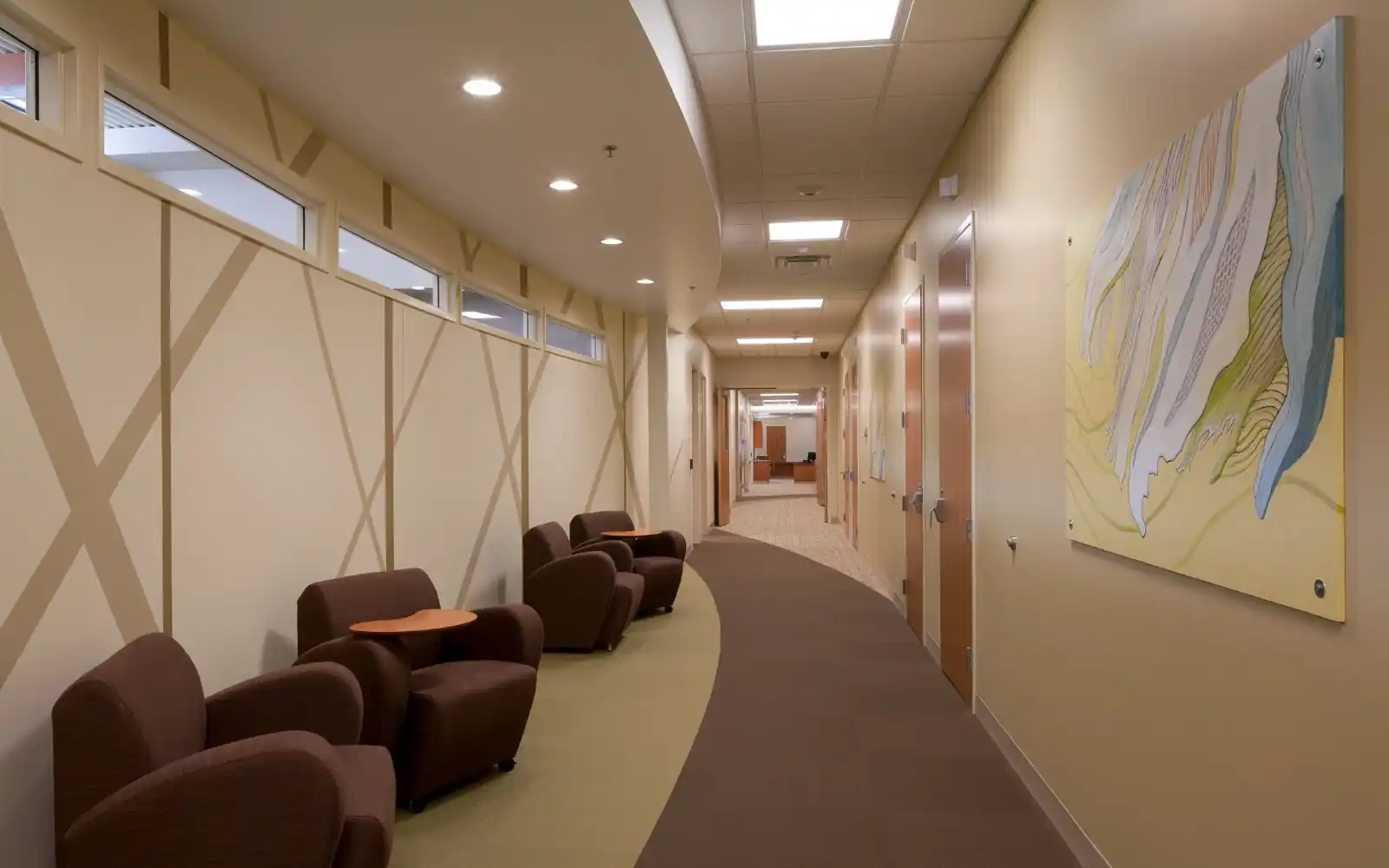
Food & Daily Living: Meals were consistently poor in quality, adding to an already stressful environment.
Security Practices: Staff often acted more like correctional officers than caregivers, with a quickness to escalate situations instead of de-escalating them. My personal experience included being restrained in ways that felt unnecessary and excessive.
Education: The on-site schooling offered little substance. While I did receive full credit, the curriculum was repetitive and often consisted of listening to music or reviewing material we had already covered in prior schooling.
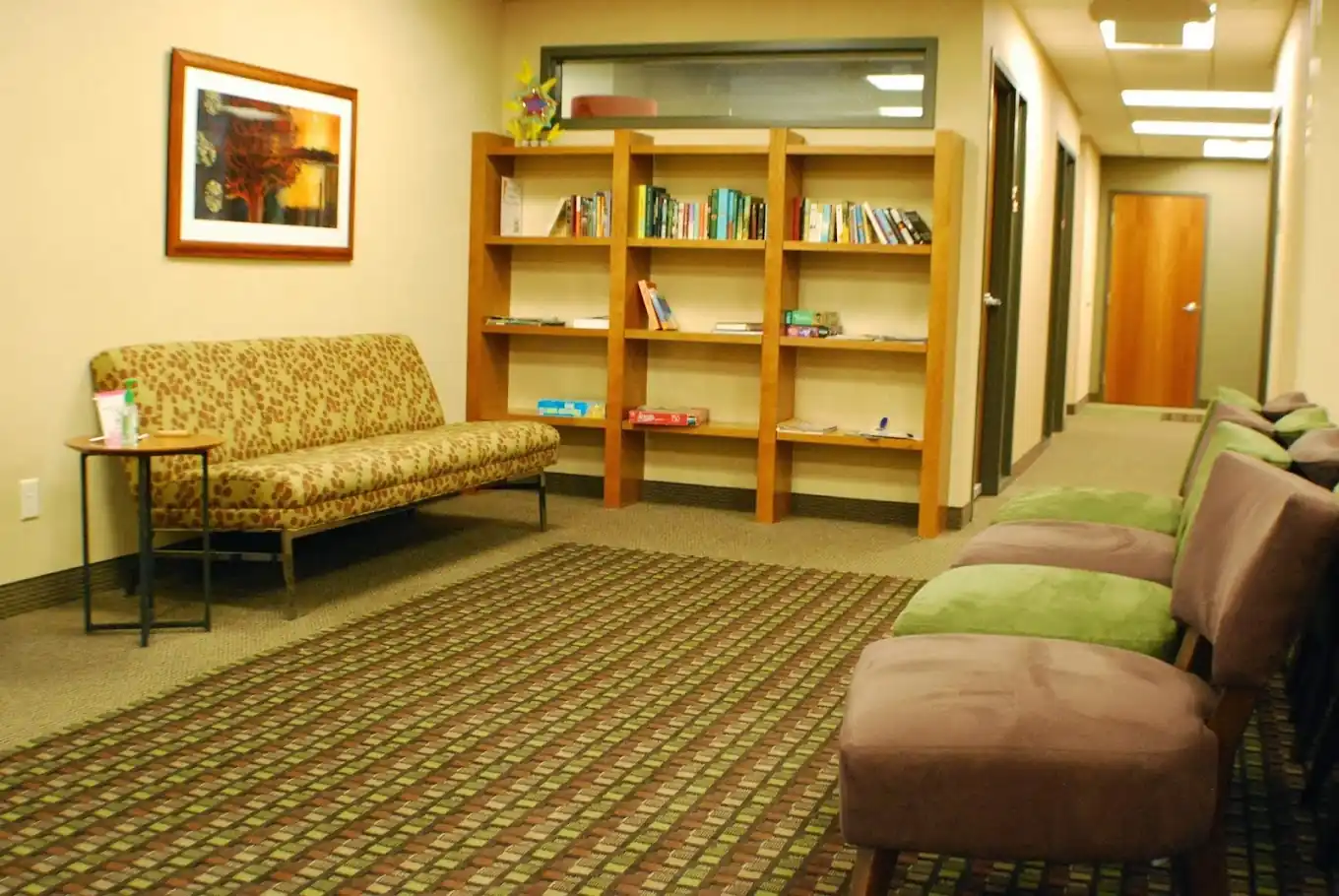
Program Structure: Children of mixed ages and diagnoses were placed together in what often felt more like a chaotic environment than a therapeutic one. At times, it resembled a “free-roam zoo” rather than a safe, structured space for healing.
Restrictions & Rights: During residential care, my basic rights, such as the ability to go outside for fresh air, were revoked for weeks at a time. When I attempted to leave to get air, the response involved force, police involvement, and transfer to another hospital’s ICU — an extreme escalation that felt more punitive than therapeutic.
Overall Impression
The program appeared to operate with a “power-trip” mentality, where certain staff behaved more like disciplinarians than mental health professionals. For families investing significant money and insurance resources, this environment is not conducive to true healing. In my view, children would be better served through dedicated one-on-one therapy with an independent professional rather than placement in this facility.
Final Note
While I acknowledge the few individuals who genuinely tried to make a difference, they were the exception, not the rule. To those staff members — thank you. However, my ultimate advice to families would be to seek alternative care options that provide compassion, dignity, and respect to young people who have already endured so much.










 Levels of Care
 Programs & Specialization
 Conditions Treated
 Therapies & Modalities
 Accrediations & Licensing