I have carried deeply conflicted feelings about that place since the day I left at twelve years old. Tomorrow marks three years since I was admitted, yet much of that time exists only in fragments. My memory is blurred, not by distance, but by the overwhelming amount of medication I was placed on. I was sedated into silence, existing in a constant haze that stole my ability to feel present in my own life.
What I do remember is misery in its purest form. I remember gaining sixty pounds in a matter of months at an age when I was still a child, still learning who I was. I remember standing in front of my jeans for school and realizing they no longer fit, crying not from vanity but from shame and confusion. My body no longer felt like my own.
I remember being mocked by staff for smelling bad, despite never having been taught basic hygiene. Instead of guidance, there was ridicule. Instead of care, there was judgment. I remember the food: cold, raw, and nearly inedible. Meals were something to dread. Most nights, I went to bed hungry, my stomach aching as much as my heart did.
I remember waking up dizzy and disoriented every day, struggling to keep my eyes open under the weight of fifteen different medications prescribed to me at twelve years old. I remember crying daily, overwhelmed by how badly I missed my grandmother, clinging to that grief as my only sense of comfort. I remember being forced into physical activities my body was too weak to complete, and the humiliation of failing while adults watched.
I remember the mold. I remember the filth. I remember the razor blade glued beneath the carpet instead of being removed, left there like a quiet, dangerous promise, close enough to see but just out of reach. I remember the screaming, the restraints, and the terror shared among me and my peers. I remember my first three nights sleeping on the dayroom floor without a mattress because there simply wasn’t space for me. I remember how disposable we felt.
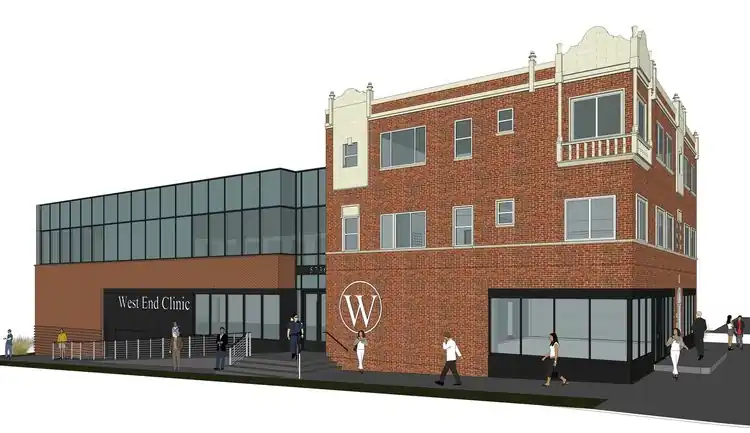
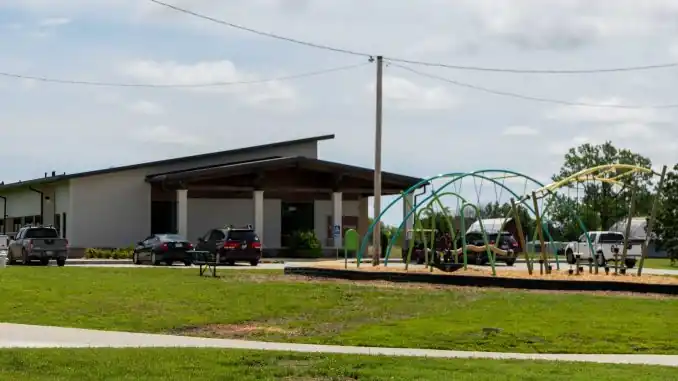
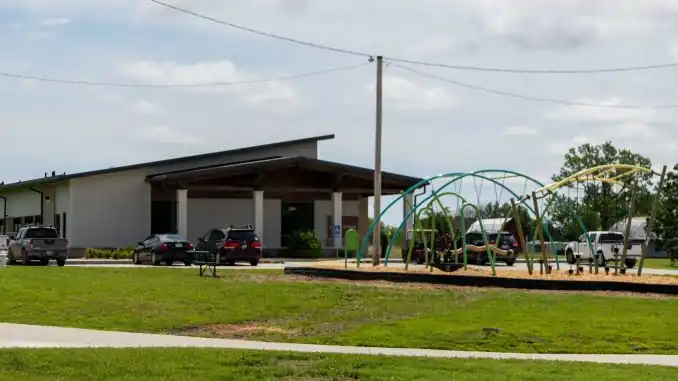
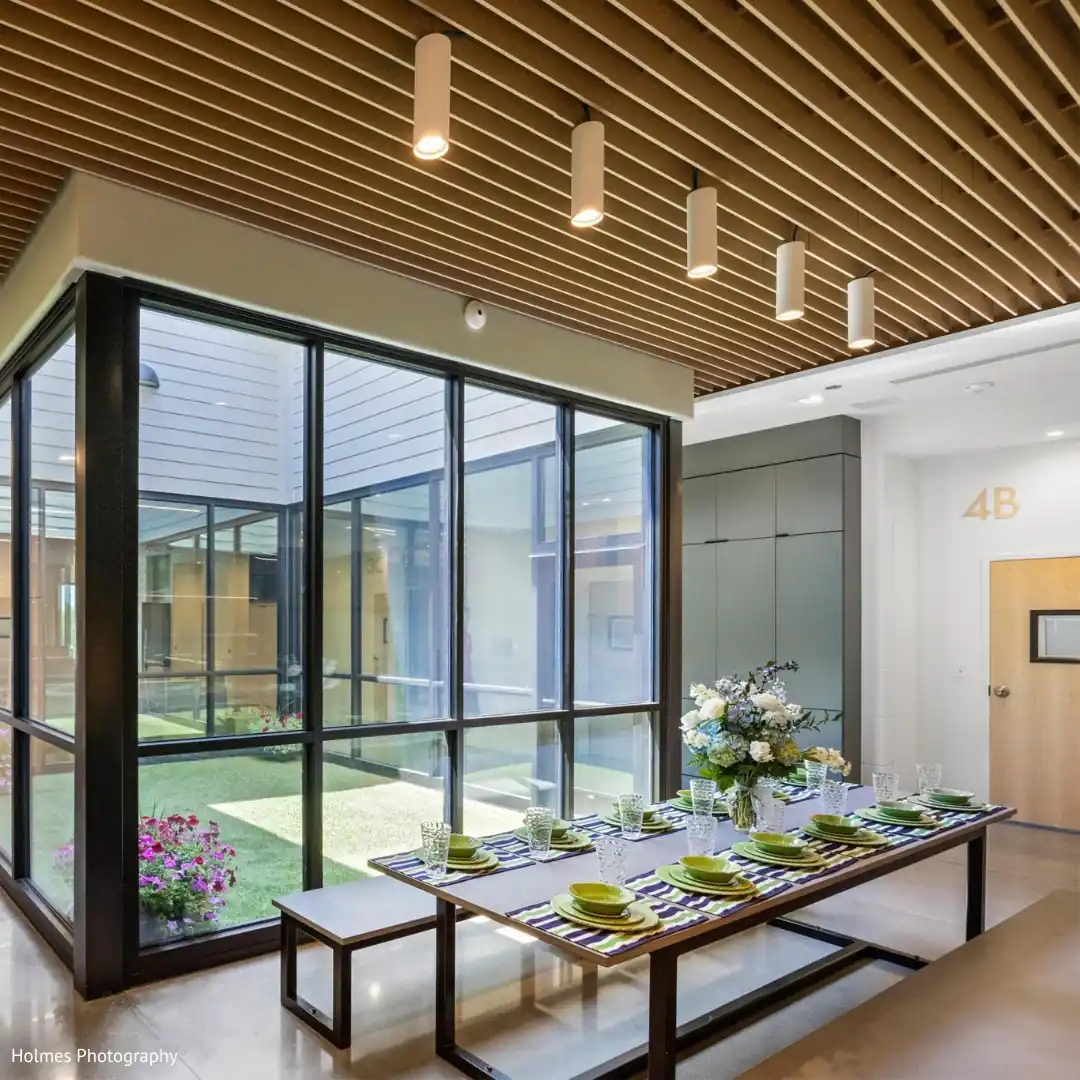
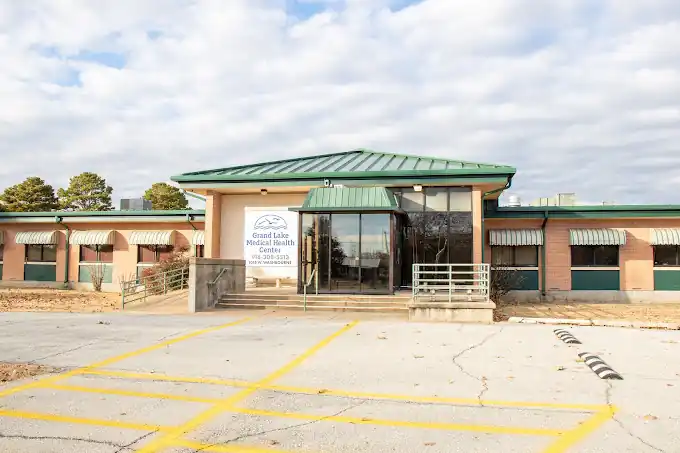
I remember seeing photos posted online of a newly built, polished cottage, proudly displayed for the world, while the reality of where we lived was hidden. The contrast felt cruel. I remember a supervised outing to a bowling alley, where I was given a small bag of potato chips and savored every bite as if it were something rare. Hunger had taught me gratitude in the most painful way.
I remember being “maxed out,” a punishment that meant sitting at a desk or facing a wall for up to twelve hours during times meant for rest or enjoyment. I remember my case manager, Miss Linda. She was kind, exhausted, and carried a knowing look in her eyes, as if she understood the system was failing us but no longer had the strength to fight it. I remember very little about my therapist beyond the dimness of her office and the sense of emotional distance between us.
Most of all, I remember not seeing a future for myself. I remember leaving with a hatred so deep it felt carved into me, a bitterness that still resurfaces three years later. That place did not just hold me for a period of time. It altered me. The agony did not end when I walked out the door. In many ways, it followed me, settling into my memory, my body, and my understanding of what it means to survive.












 Levels of Care
 Programs & Specialization
 Conditions Treated
 Therapies & Modalities
 Accrediations & Licensing
 Amenities & Environment