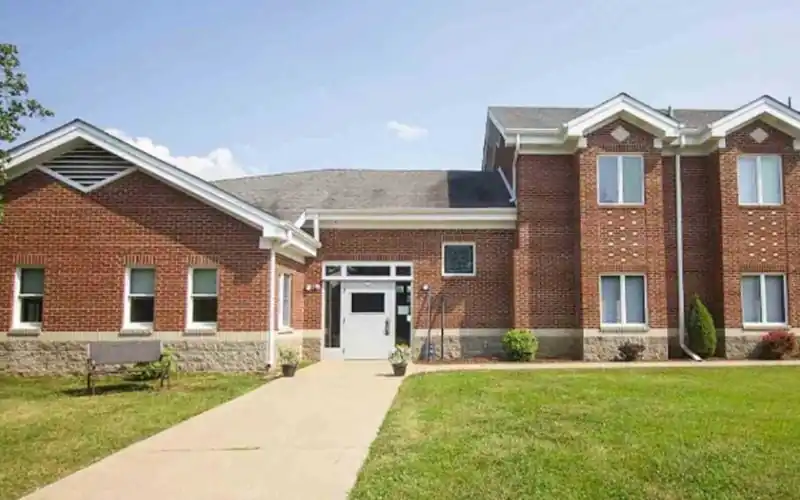
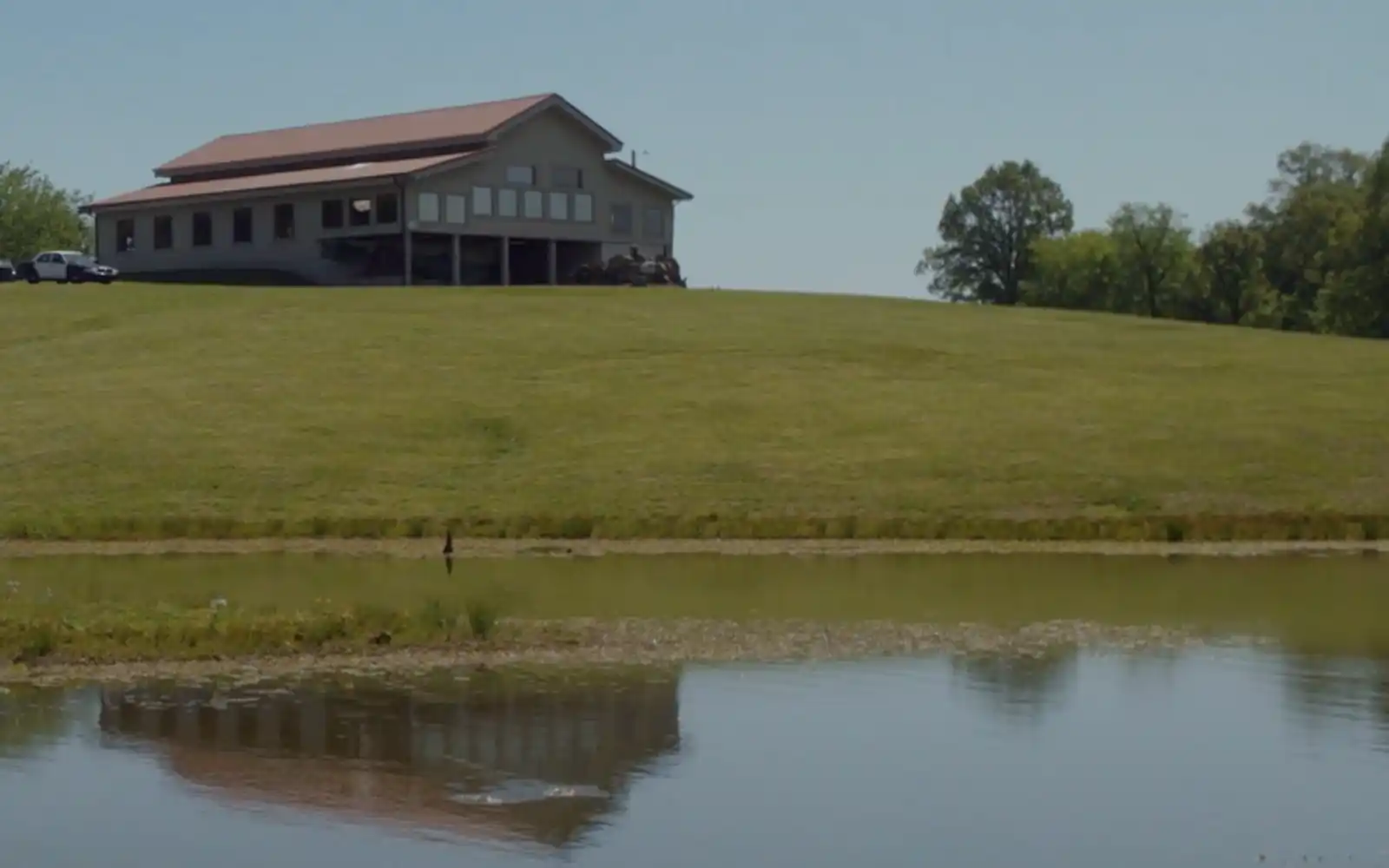
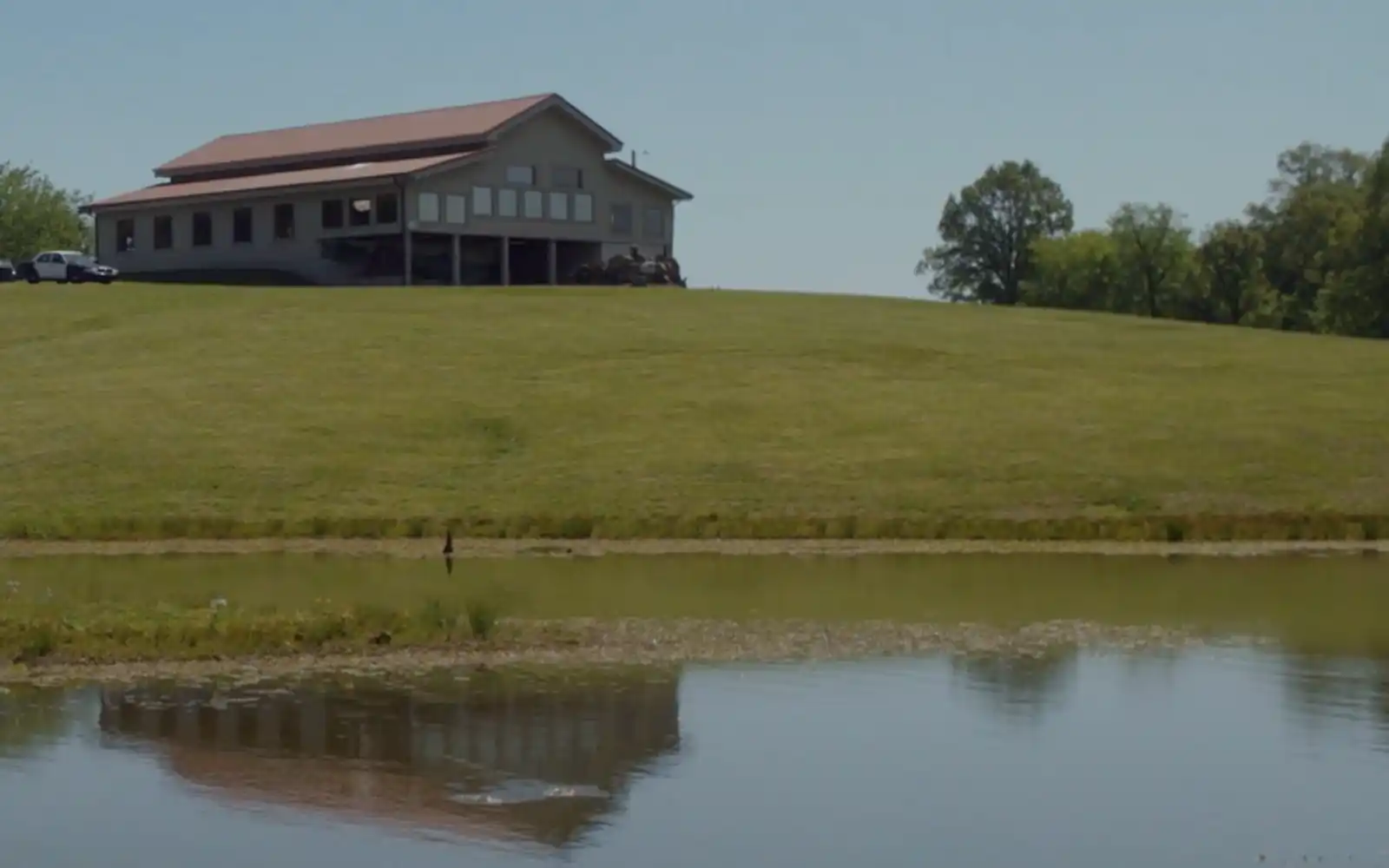
Lifeline Recovery Center is a faith-based, residential treatment facility in Paducah, Kentucky, offering separate campuses for men and women. Their mission is to provide Christ-centered solutions to addiction, aiming to help individuals become spiritually alive, mentally sound, and physically well. The center emphasizes accountability, faith, and obedience to Jesus Christ as core values. Clients will cover part of their treatment with work income during treatment and can pay the rest with insurance or self-pay. Program Successes Since its inception in 2004, Lifeline has served over 2,000 people, with a reported 60% success rate of sobriety after one year and a 100% job placement rate during the program. Their program is actively expanding. They recently moved their men’s campus to a 45-acre facility to serve more clients, and they plan to move their women’s campus to a nearby 45-acre facility. Structured, 3-Phase Healing Lifeline uses an abstinence-based approach with the 12-step Celebrate Recovery curriculum, Bible study, counseling, volunteer service, job skills training, and employment opportunities. Group classes cover practical topics like exercise, peer support, Christian living, parenting, anger management, and financial peace. The program spans 9 to 12 months and is divided into 3 phases. Phase I focuses on counseling, Bible study, and peer support. In Phase II, clients work full-time and begin reintegrating into society. Phase III involves transitional housing with continued support. Clients receive a completion letter after they complete all 3 phases. Lifeline does not use medication-assisted treatment (MAT). Tech in a Minimally-Distracting Manner Lifeline allows clients to write letters to family right away. After 2 weeks, they can make weekly phone calls from a landline. Once they begin working, clients get limited access to a cell phone, helping them manage responsibilities while staying focused on recovery. Mission-Driven Staff Lifeline employs over 40 staff members, many of whom are program graduates, and is supported by more than 75 volunteers. Amenities Lifeline allows smoking in designated areas and provides transportation to work and court appointments. Their volunteers in the community sign up to help transport clients to their obligations.




 Levels of Care
 Programs & Specialization
 Therapies & Modalities
 Accrediations & Licensing
 Amenities & Environment