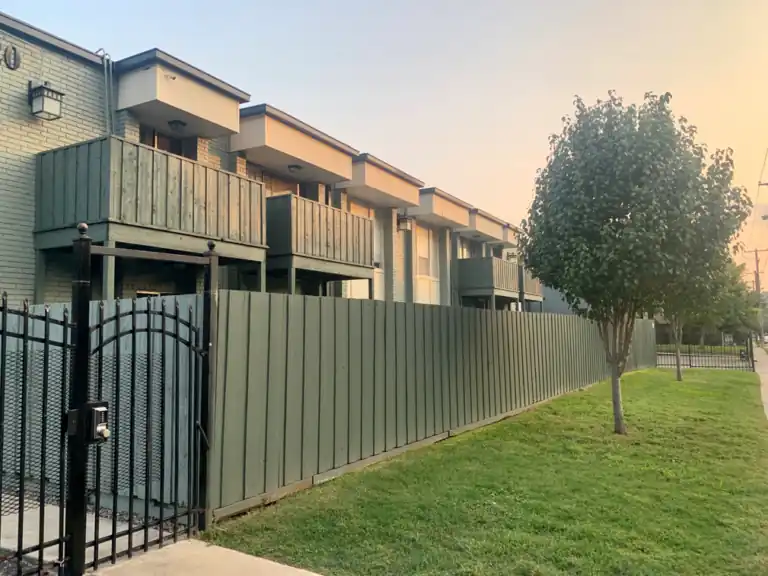
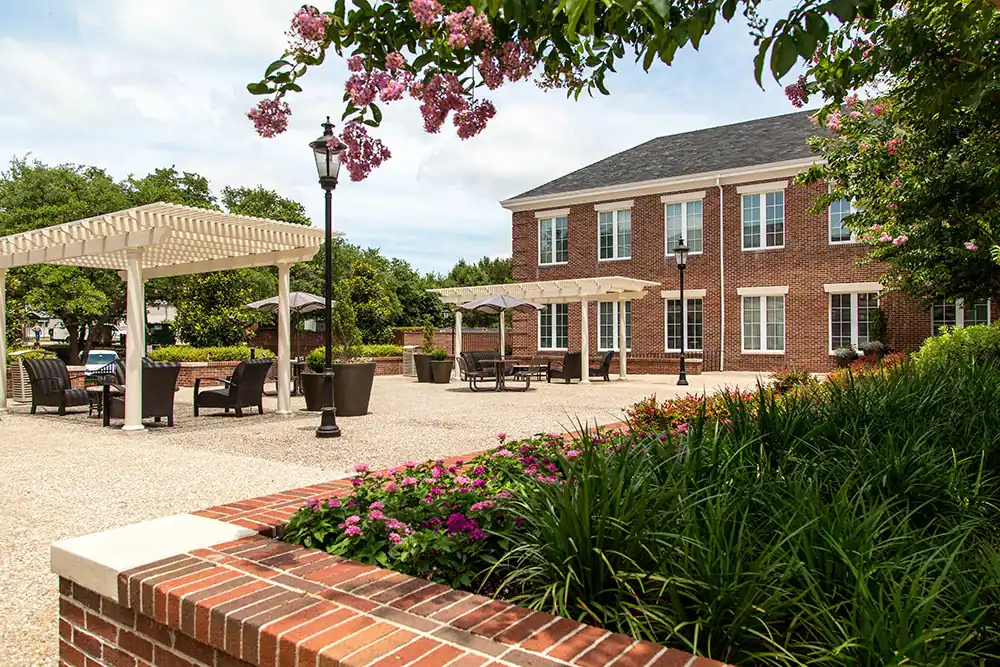
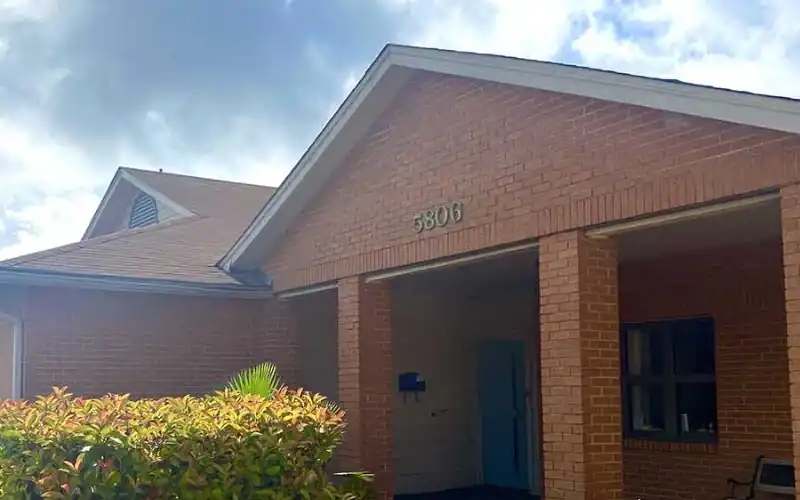
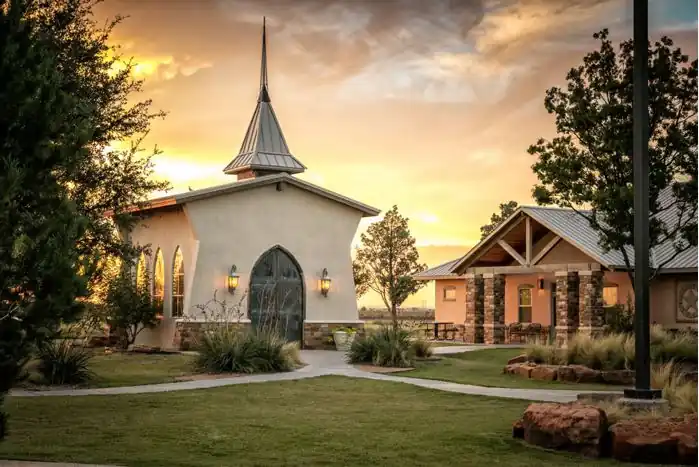
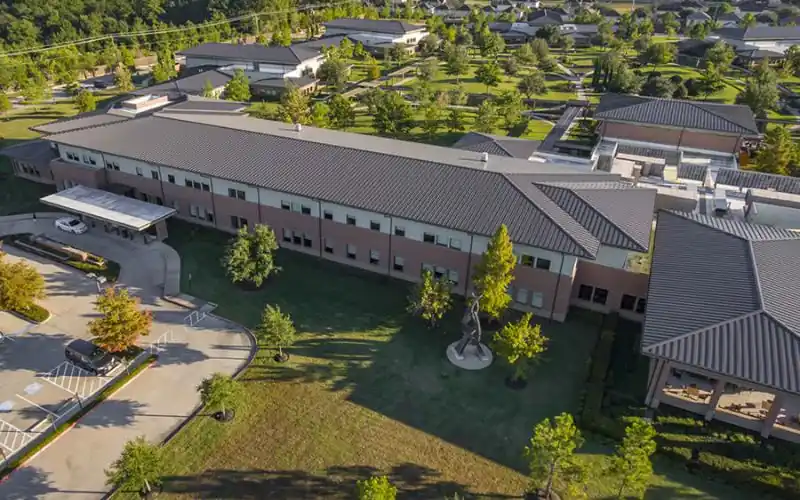
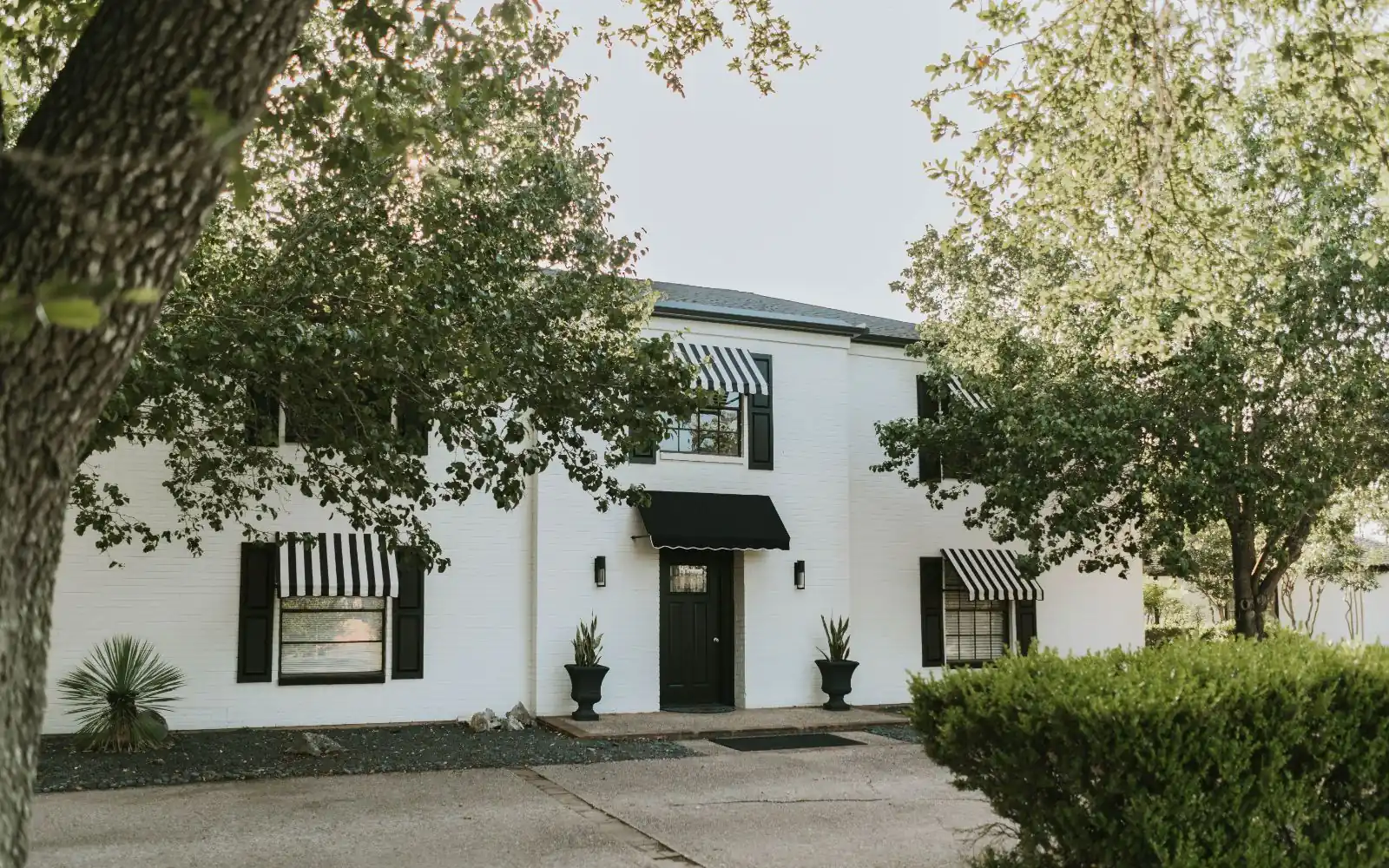
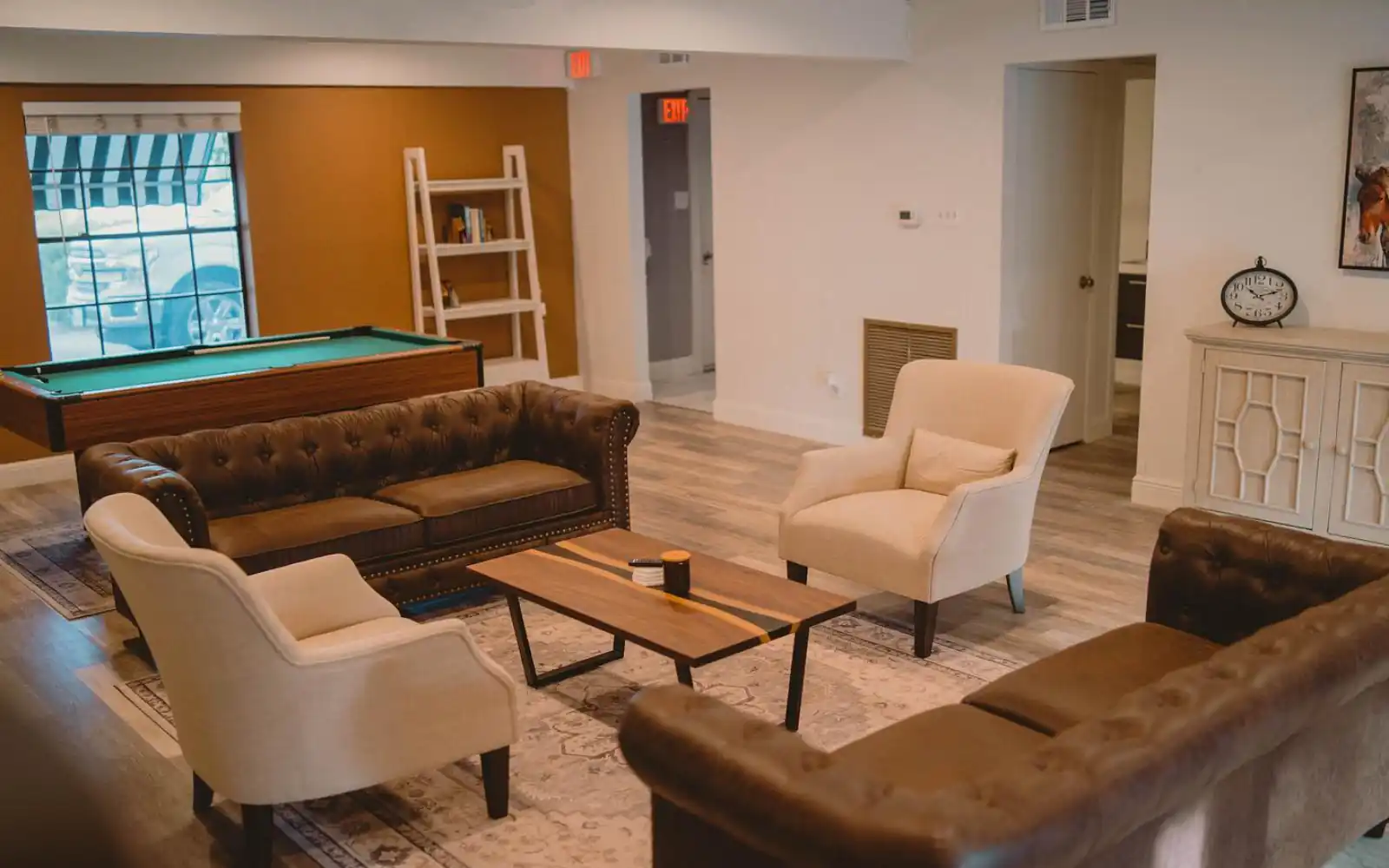
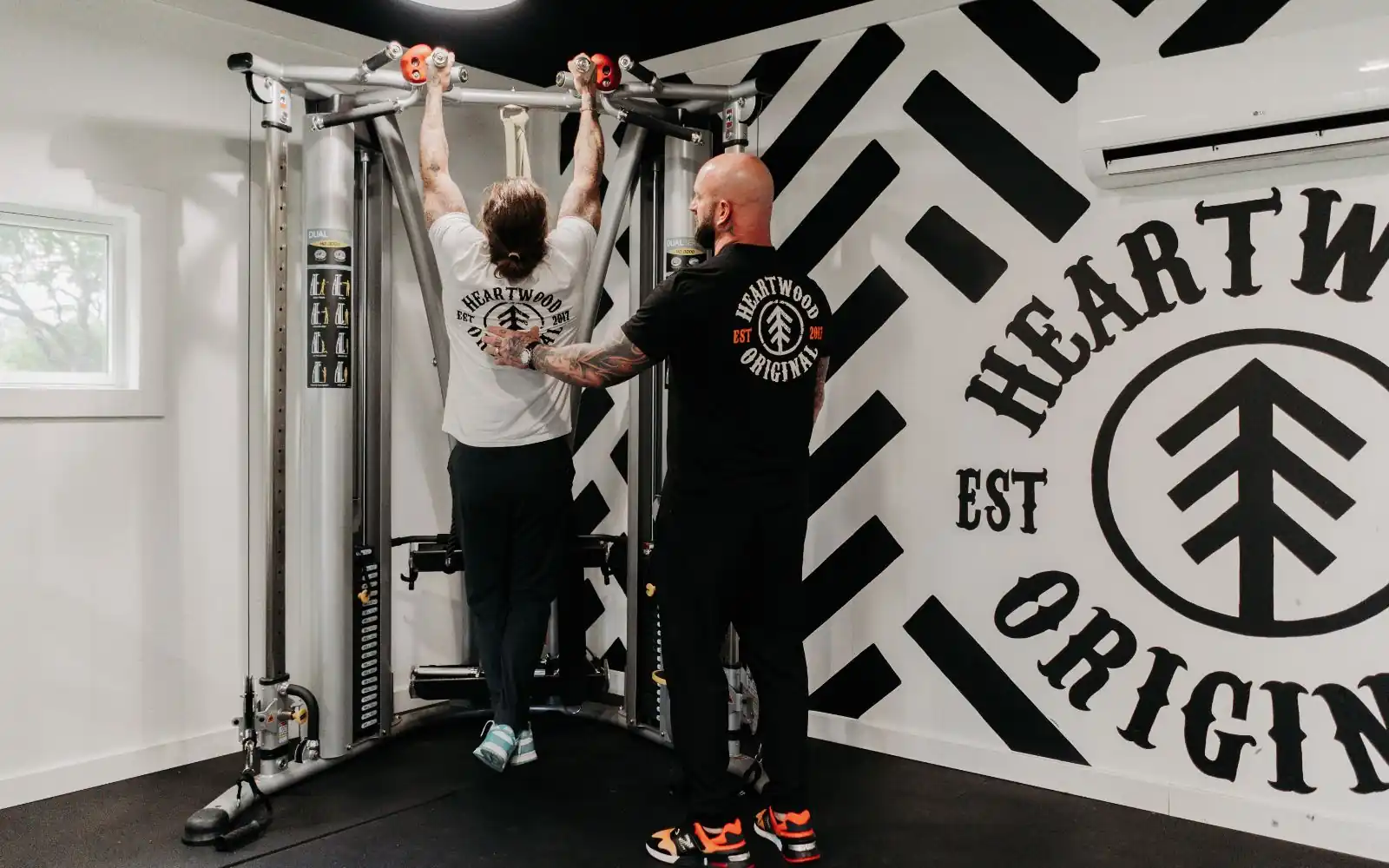
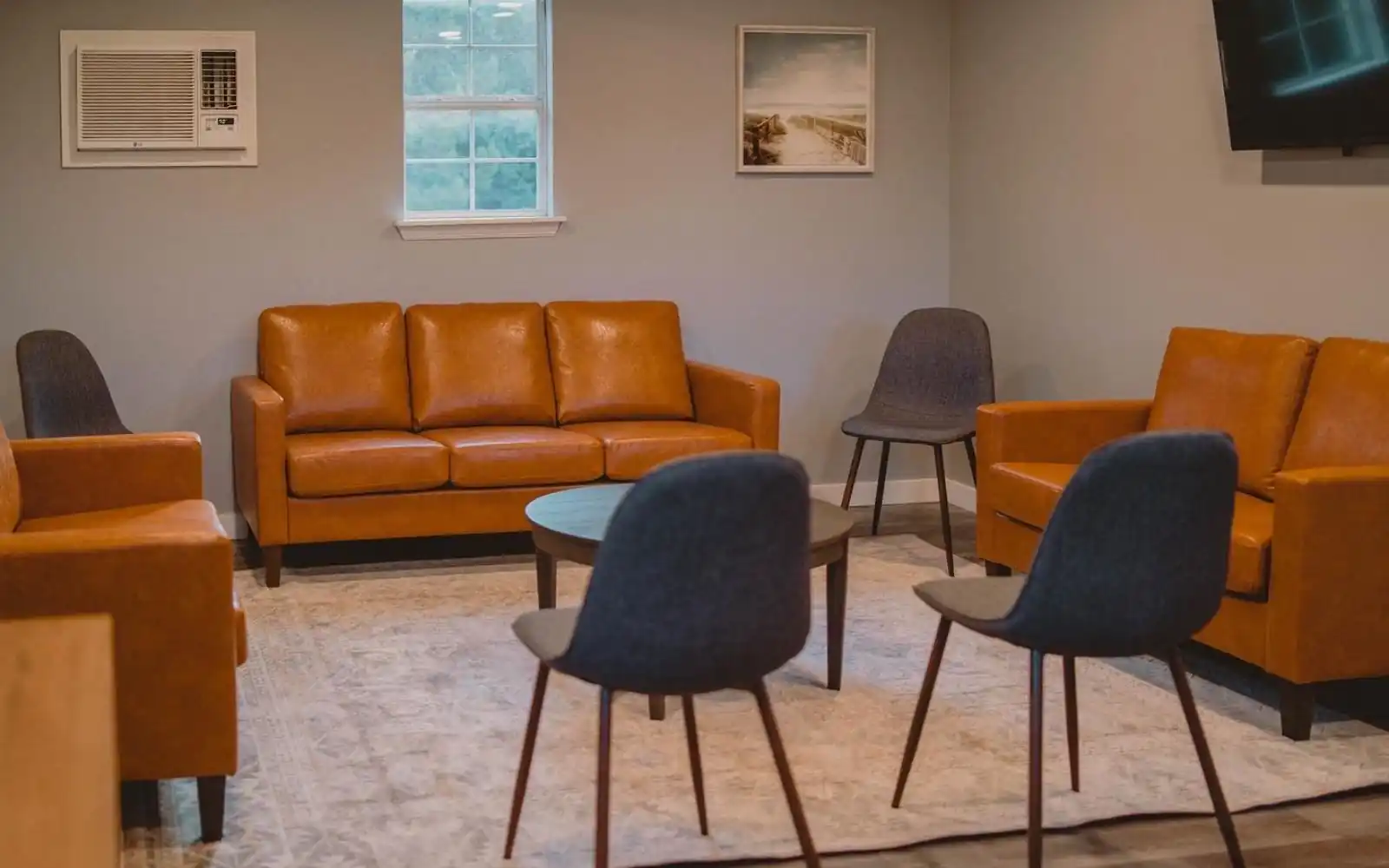
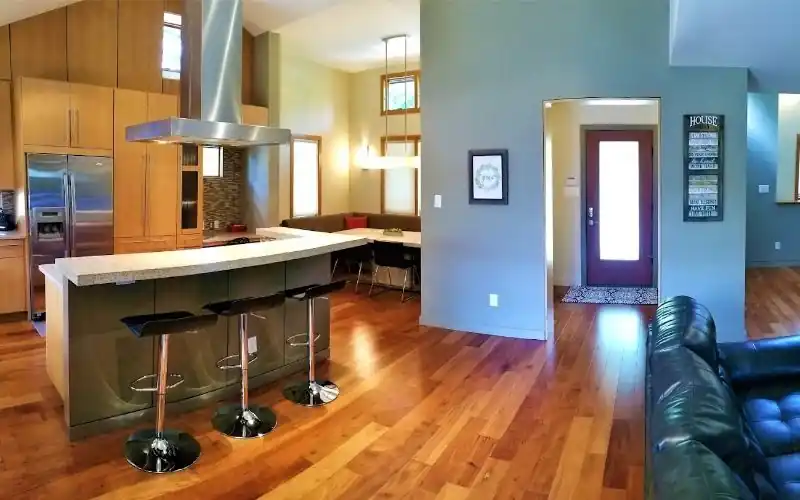
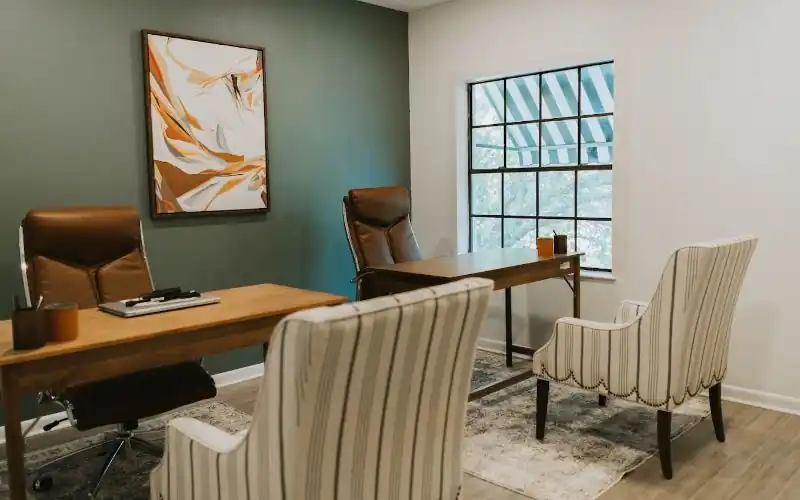
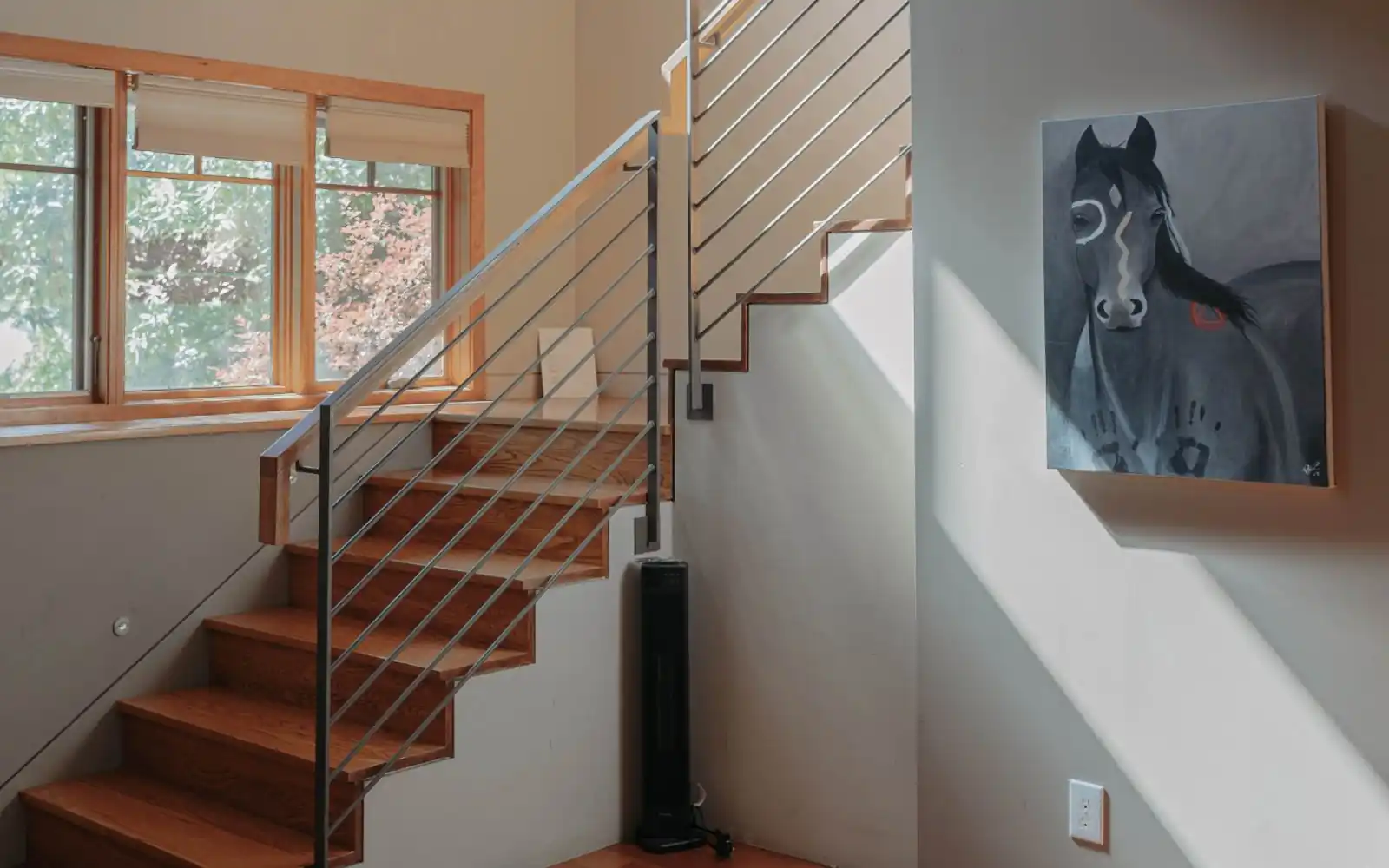
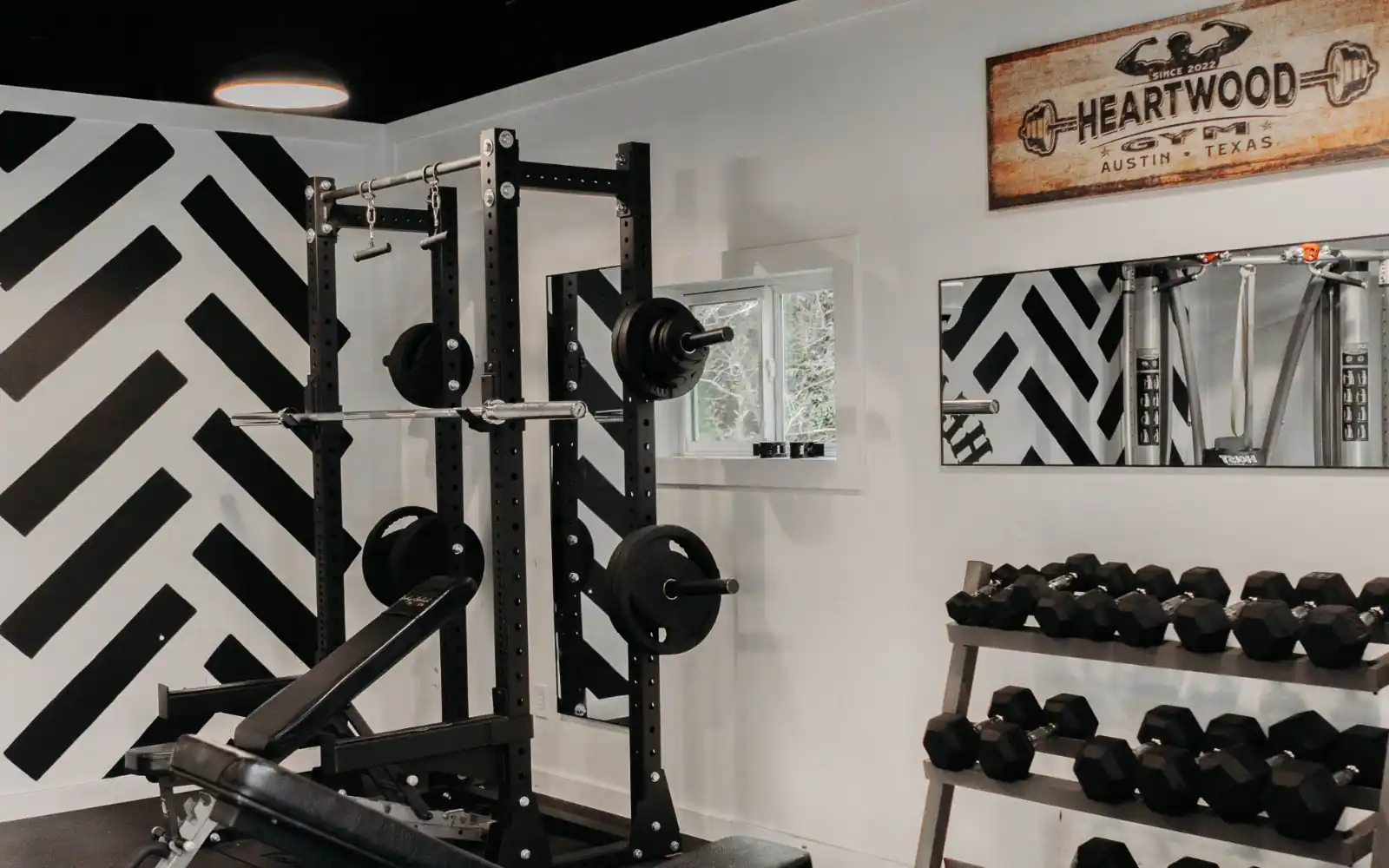
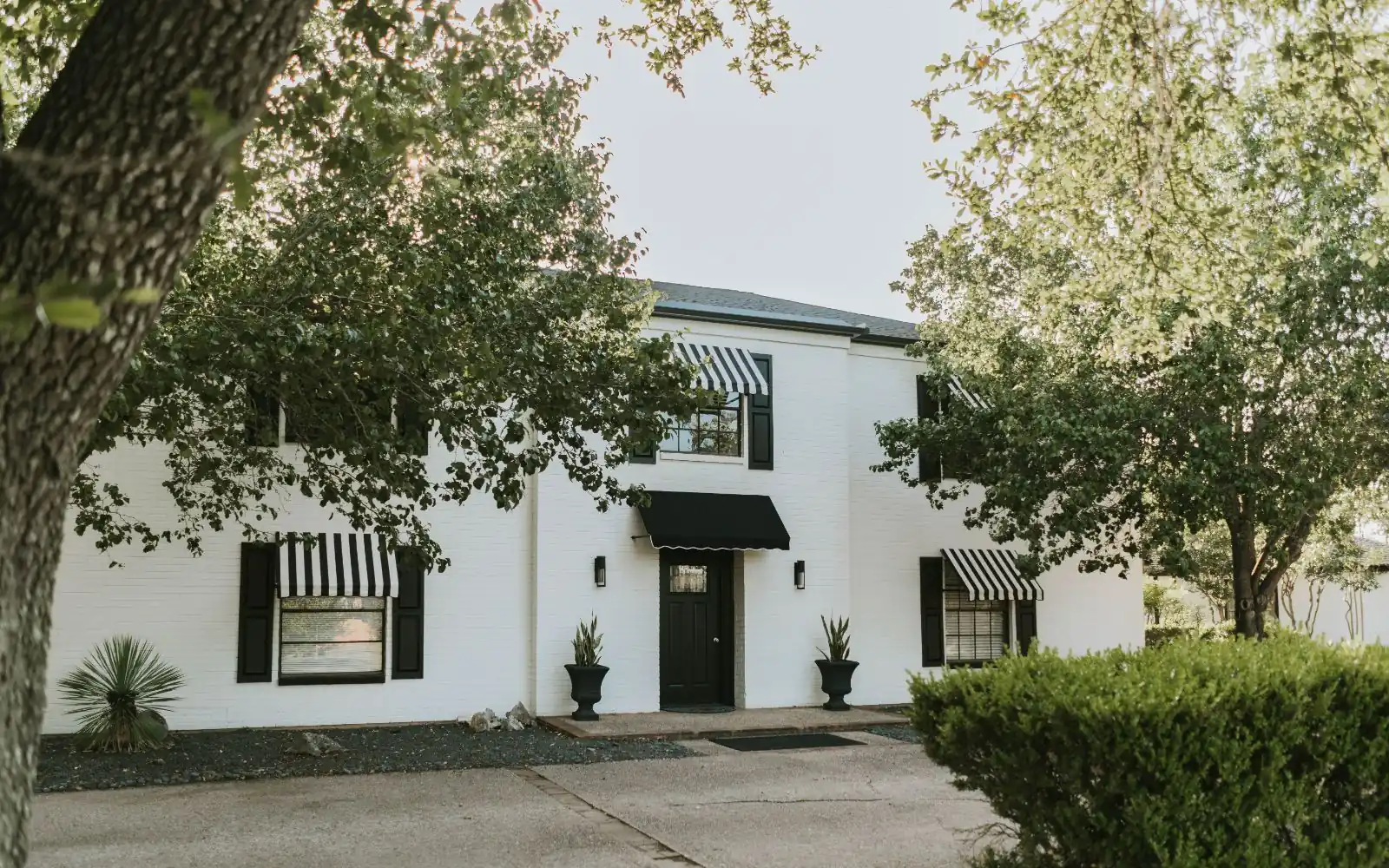
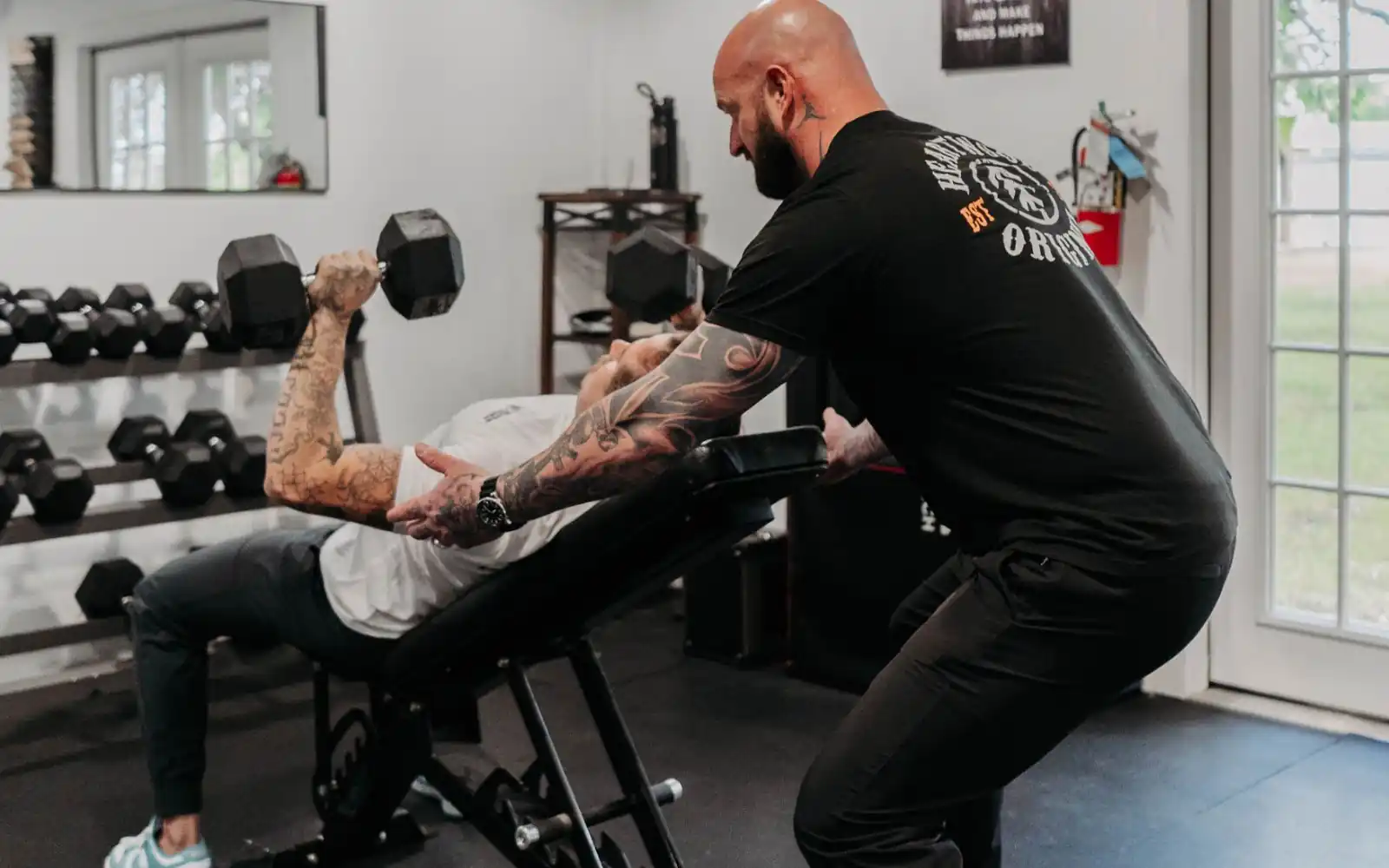
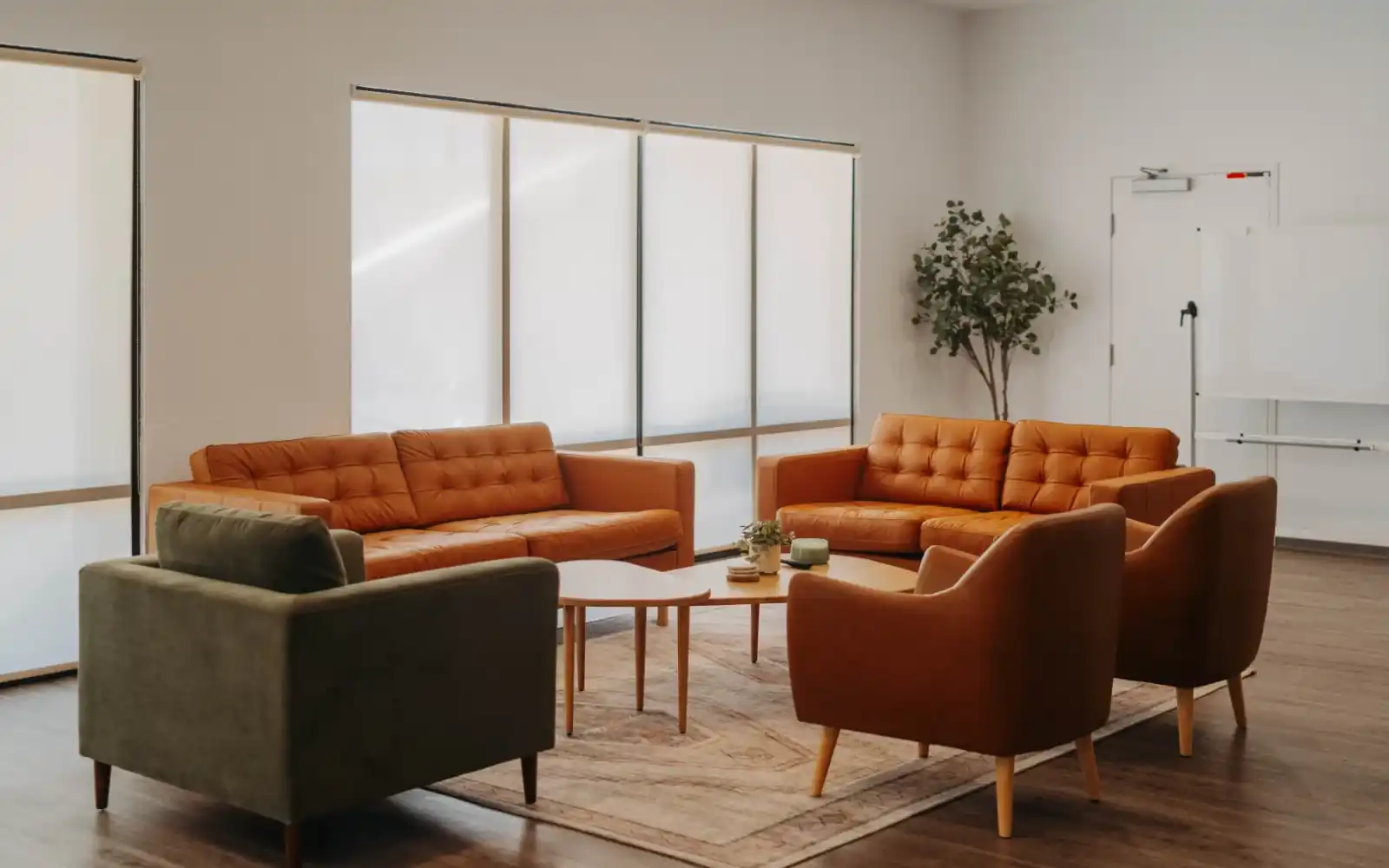
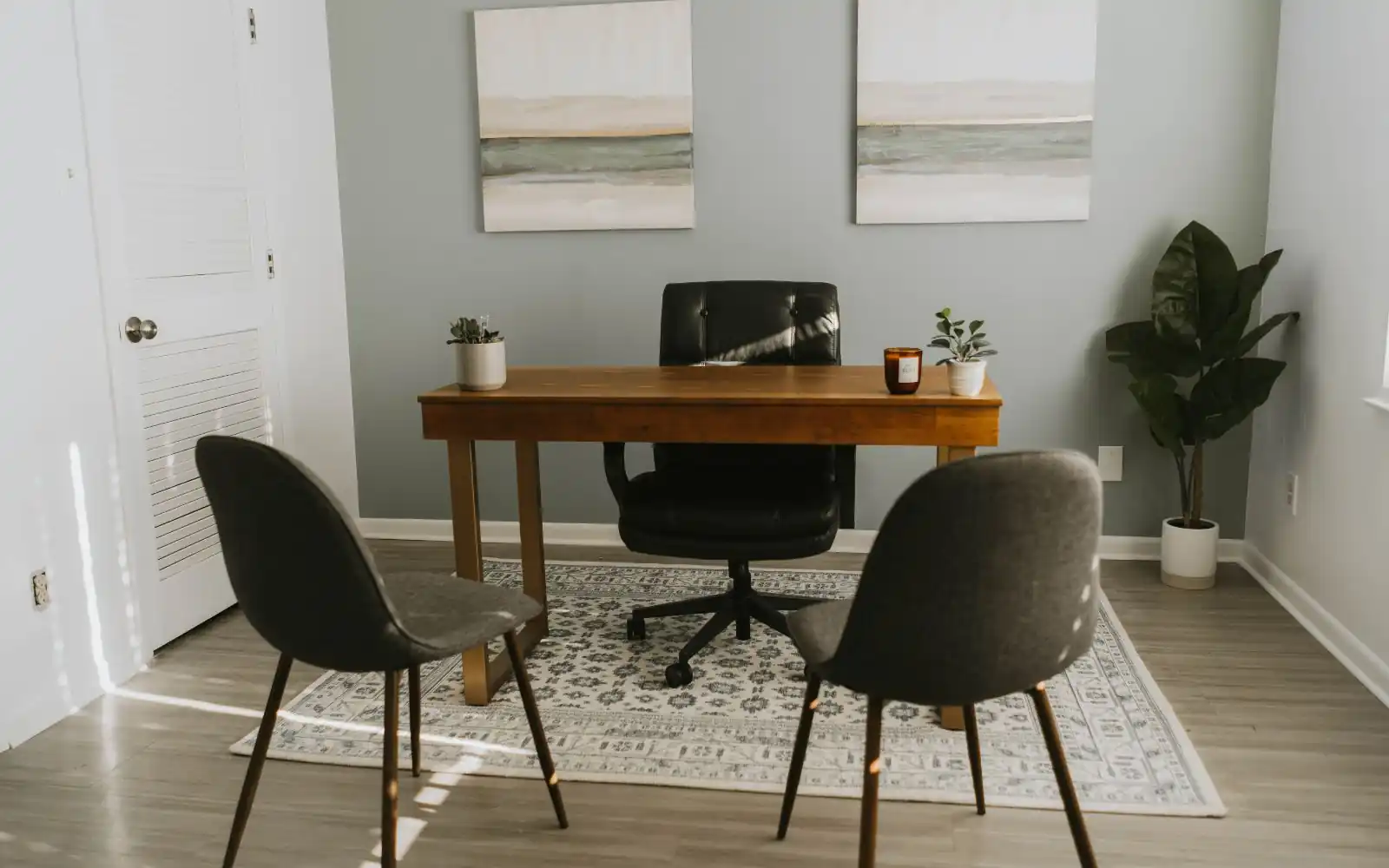
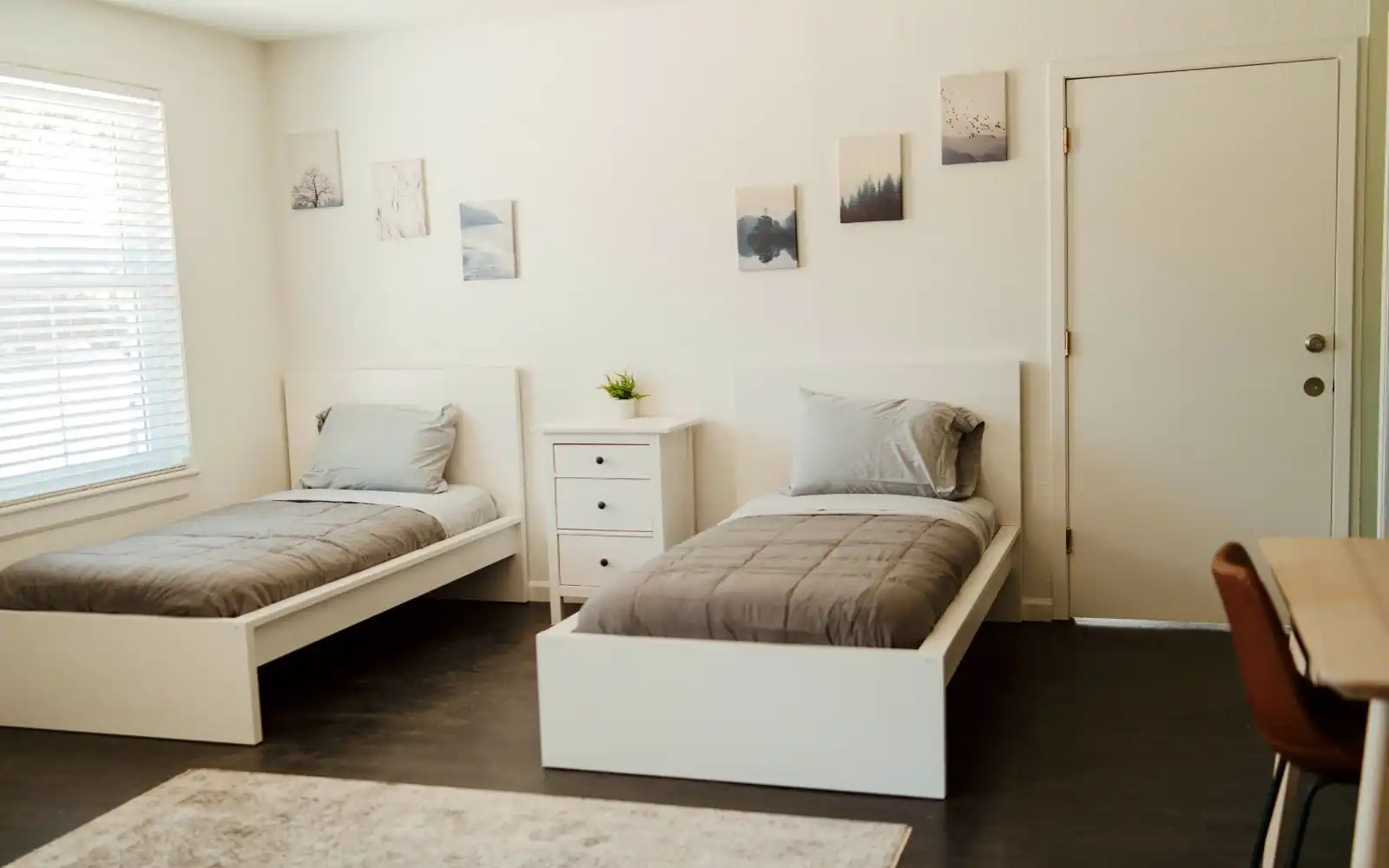
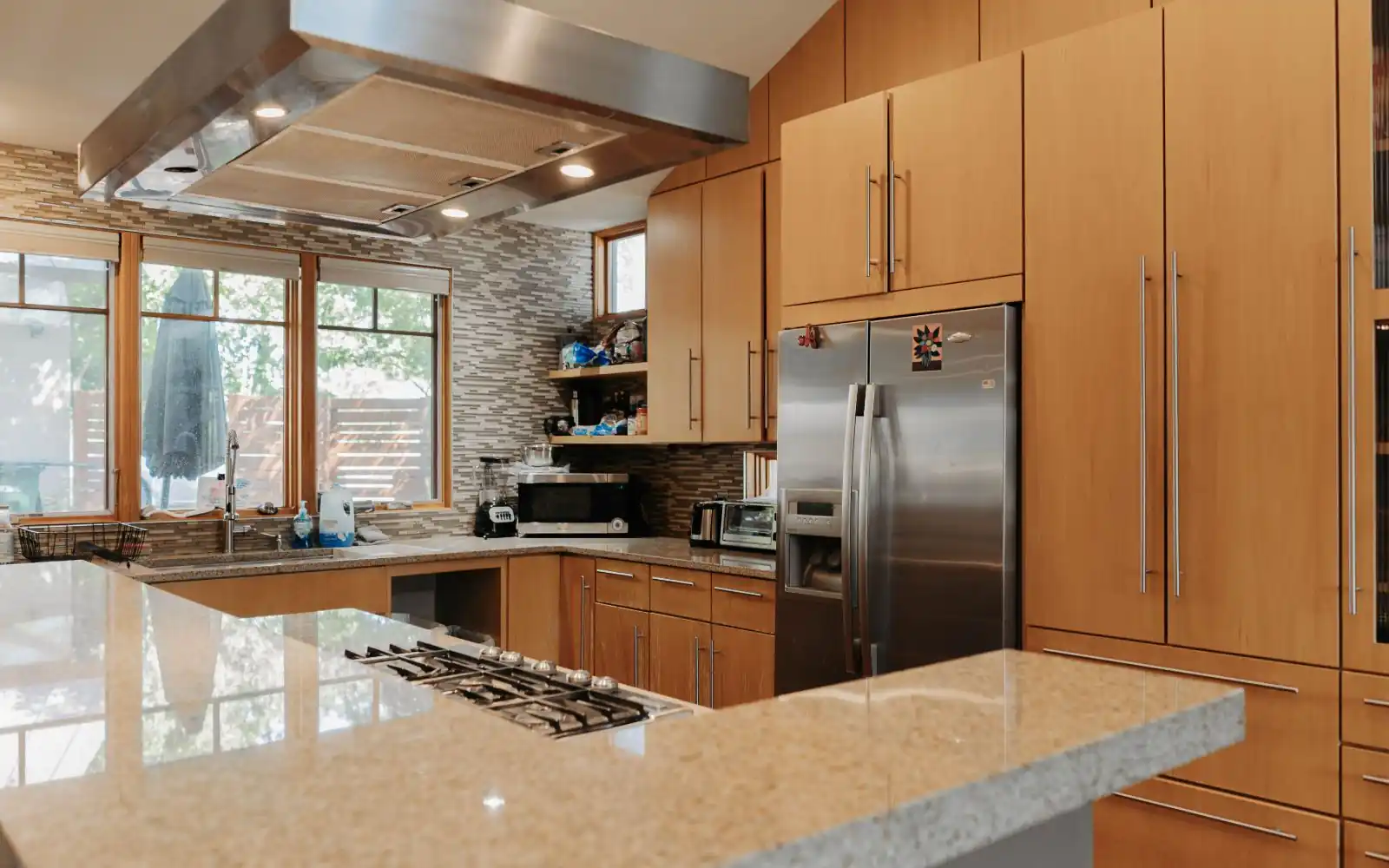
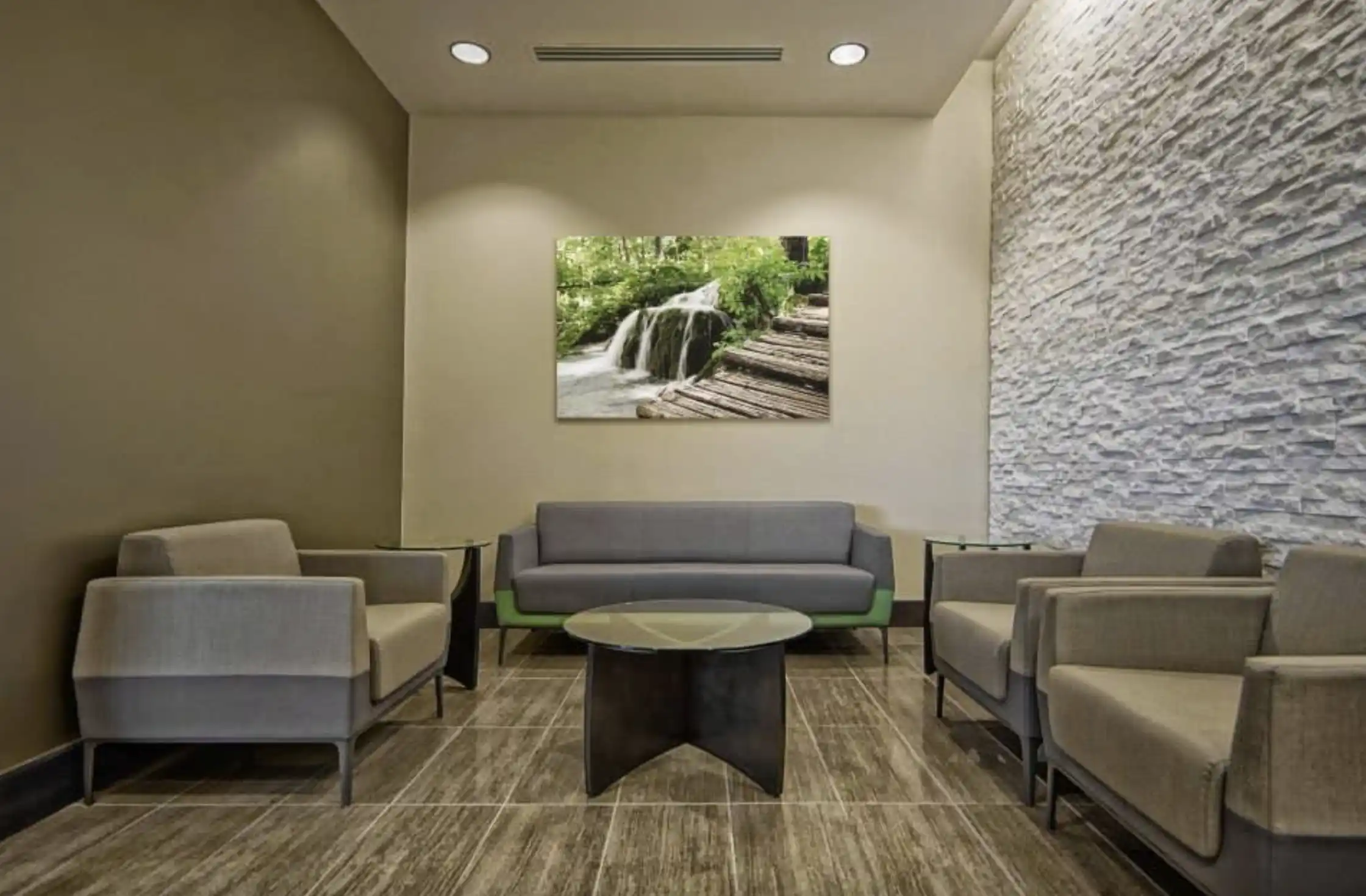
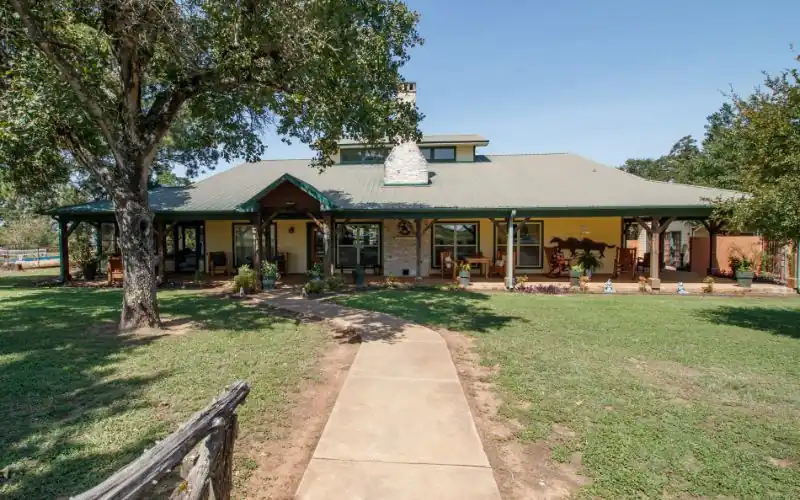
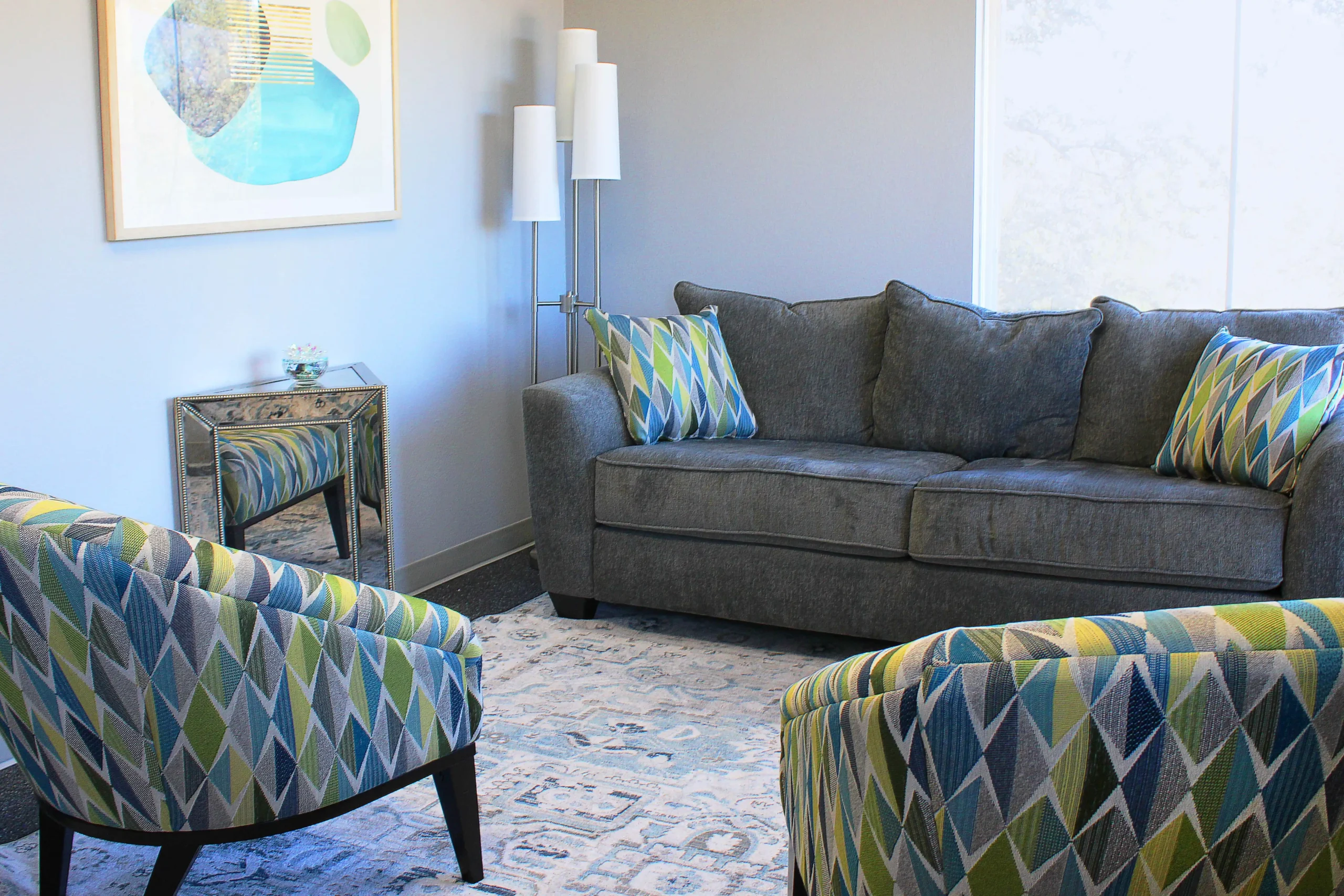
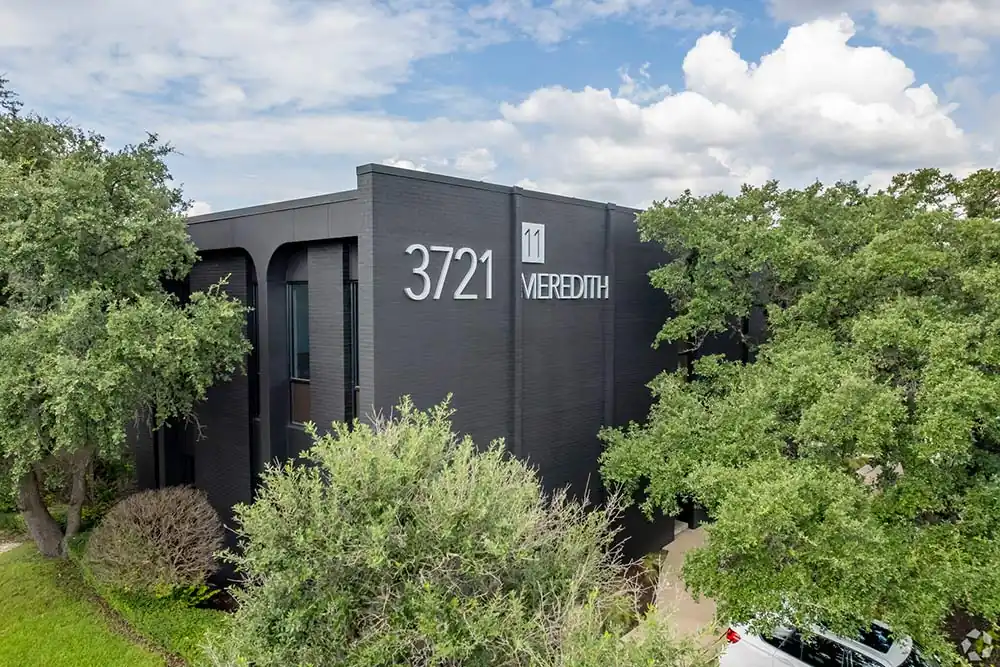
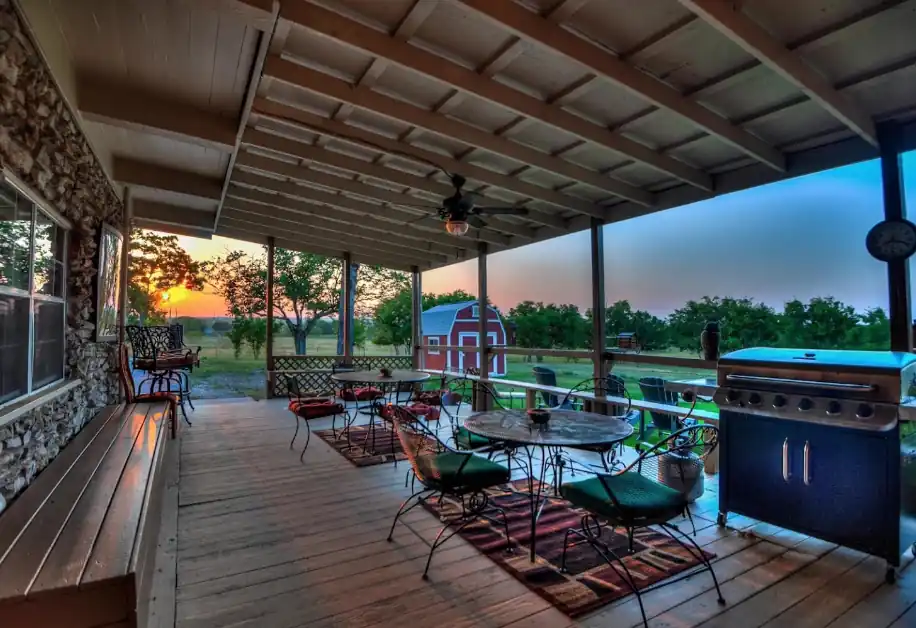
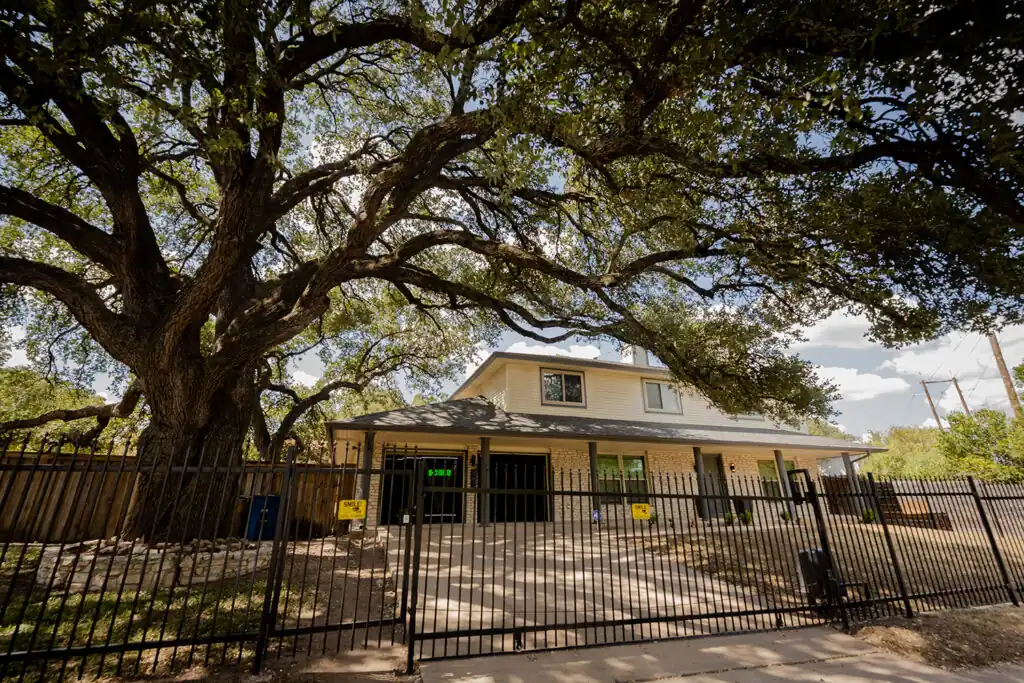
The residential addiction treatment program at Heartwood Recovery is designed to give men lasting recovery by focusing on the solution: sobriety. Heartwood Recovery understands the influence of societal and environmental pressures on men in recovery, and caters its residential addiction treatment program and sober living to the unique needs of men. They achieve this through multiple approaches, such as addiction counseling, 12-step immersion, rehab fitness programs, and more. Evidence-Based and Holistic Approaches Heartwood Recovery’s evidence-based treatment includes cognitive behavioral therapy (CBT), trauma-informed care, and 12-Step immersion. They also use a holistic approach that includes physical, emotional, social, and spiritual factors. Each method is tailored to help men work through their underlying issues and develop the skills and tools necessary to achieve long-term recovery. Clients can expect to understand more about addiction, but more importantly, their unique underlying issues—the root cause of their addiction. To treat trauma and co-occurring mental disorders, each client is able to meet 1-on-1 with highly qualified therapists, trainers, and clinicians. Community and Family Support A key component of Heartwood Recovery’s program is building a supportive community of men who are all working towards the same goal of lasting recovery. They provide a safe and nurturing environment where men can connect with each other, form meaningful relationships, and find encouragement in a group setting. Heartwood Recovery also believes family therapy is a vital aspect of men’s addiction treatment, and creates space for the loved and their family members to work together toward healing. A Peaceful, Upscale Facility Heartwood Recovery’s men’s rehab facility is designed to provide a space for peace and healing. Clients stay in spacious, shared rooms with shared bathrooms. A variety of amenities are available throughout the residential program, including: On-site gym, weekly group personal training sessions Outdoor meditation sessions 12-Step meetings (on and off campus) Weekly outings (hiking, softball, swimming, movies, etc.) Outdoor games (ping pong, basketball, etc,)




 Levels of Care
 Programs & Specialization
 Therapies & Modalities
 Accrediations & Licensing
 Amenities & Environment