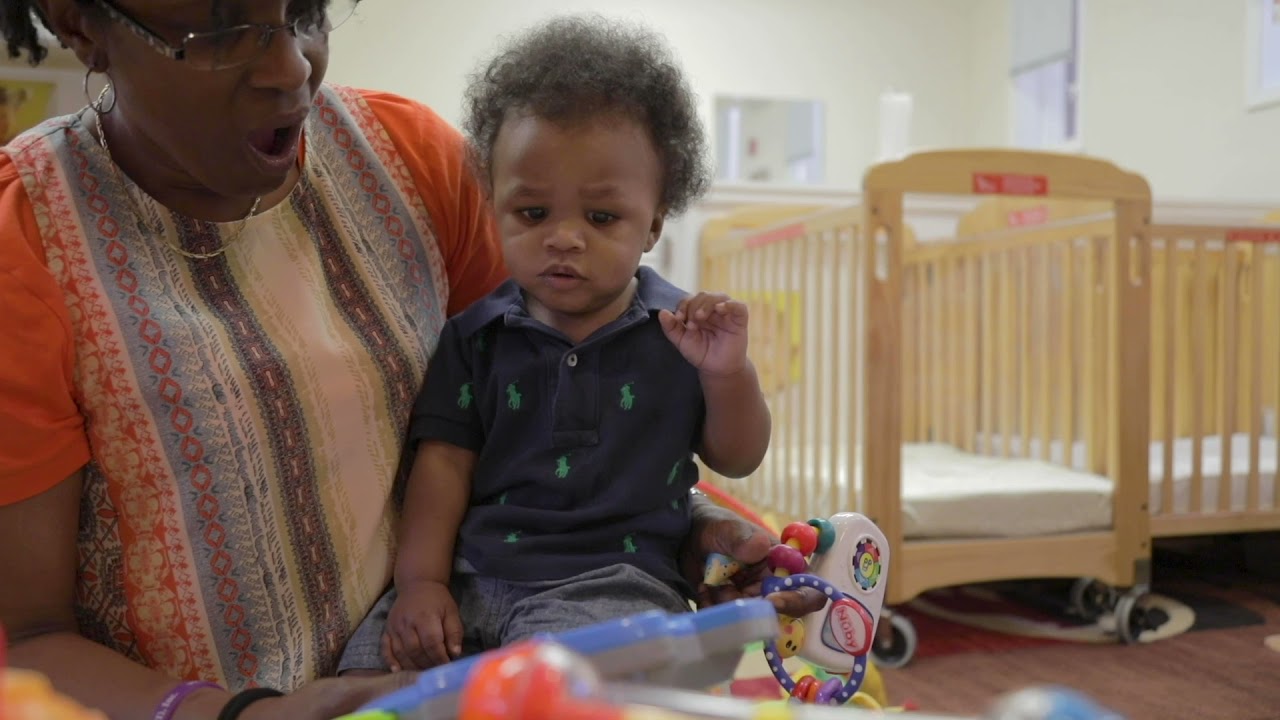
Samaritan Inns’ programming is designed for women who desire a life free from homelessness and addiction, including women with children. They are a 20-bed Medicaid-approved provider, and their programs are certified by the DC Department of Behavioral Health. Samaritan Inns outlines their treatment programs into three phases. Phase 1 is their intensive treatment program, which is a short-term residential treatment program for single, adult women who are aged 21-65. This phase consists of learning the 12-Step Alcoholics/Narcotics Anonymous principles and practices, individual and group counseling sessions, and case management services. Individuals are required to participate in a minimum of 25 hours of weekly counseling services in this phase. Once women complete phase 1, they can move to phase 2. This phase focuses on community reintegration and will include all the components of phase 1. Participants complete a minimum of 5 hours of weekly counseling services and have access to various resources like a case manager, GED tutoring, and more. Phase 3 is the long-term recovery program where women will apply the tools needed for long-term recovery in an affordable, sober housing community. Those who have completed phases 1 and 2 or have completed an equivalent program from another provider may participate in this program. Potential residents must have a stable income, physical health and mental health clearance, and be sober for at least 6 months before being eligible for this program. The program offers private rooms, shared living and dining spaces, and recovery support services. Individuals can stay in this phase for 6 months to 2 years. Samaritan Inns’ women with children treatment program where mothers and pregnant women recovering from addiction can reside in a safe, residential environment. Women may bring up to 2 dependent children between the ages of 0-10. Women who are in the process of reunification through the family court system may also participate in this program. School-aged children residing at the facility are expected to be enrolled in the school district nearest to the facility. Non-school aged children participate in the facility’s OSSE-certified childcare development center that provides on-site childcare and support. This program helps to establish a foundation for long-term independence. Participants attend weekly groups, 12-Step meetings, individual counseling, and parenting classes. This program also includes case management services, GED tutoring, employment readiness support, job training, and opportunities for spiritual growth.




 Levels of Care
 Programs & Specialization
 Therapies & Modalities
 Accrediations & Licensing
 Amenities & Environment