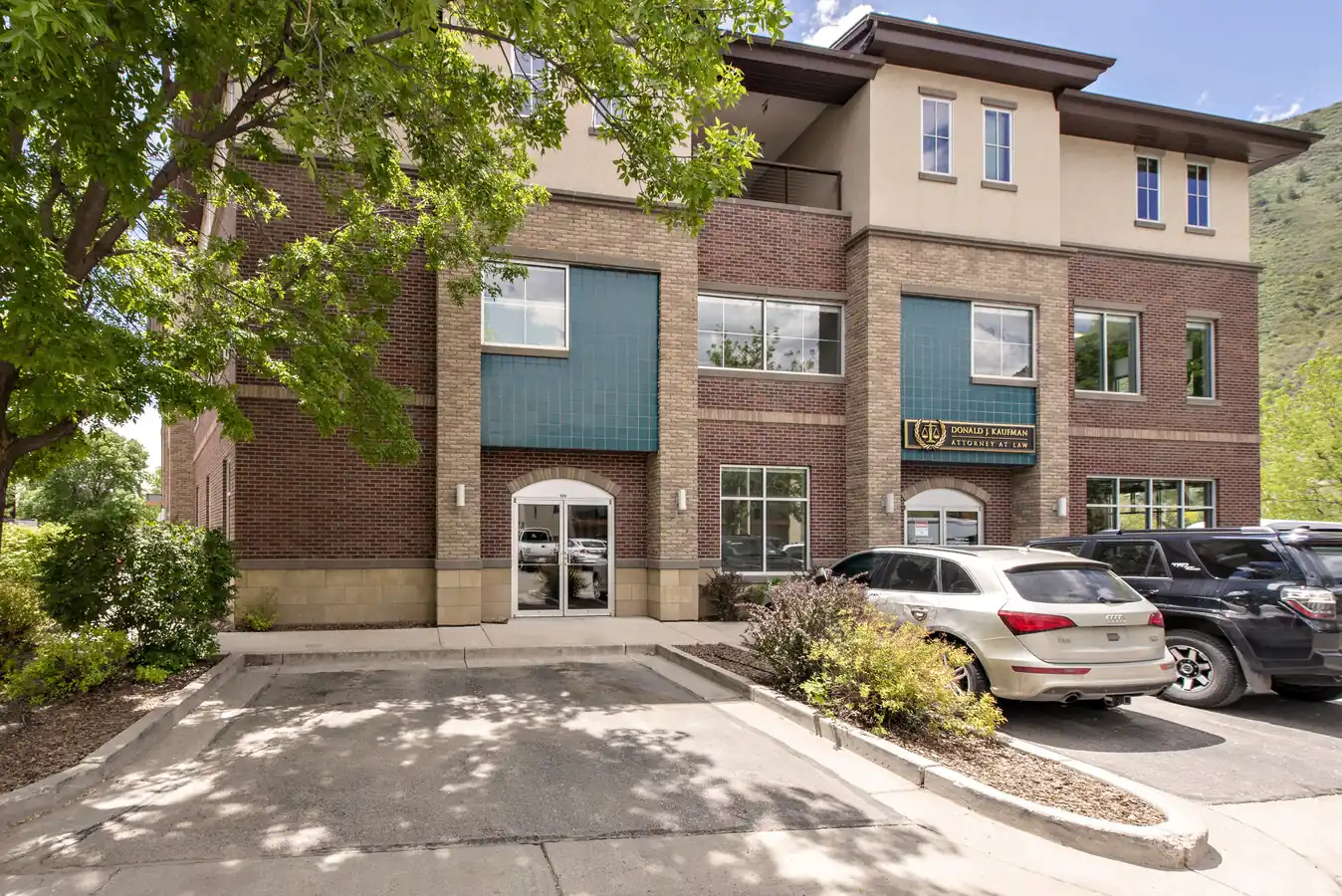
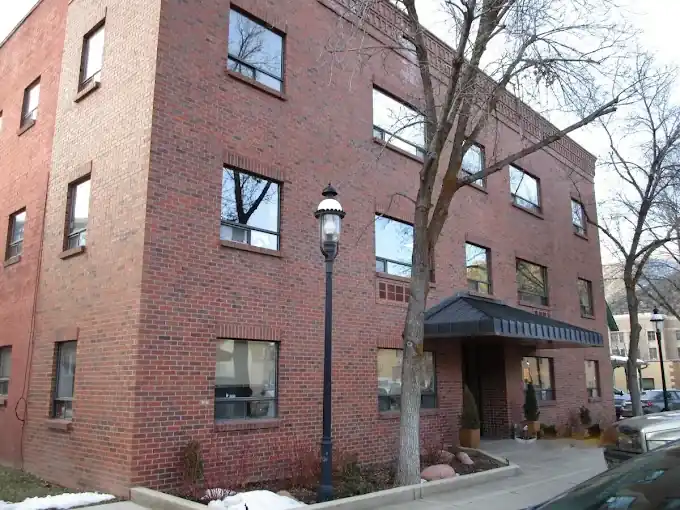
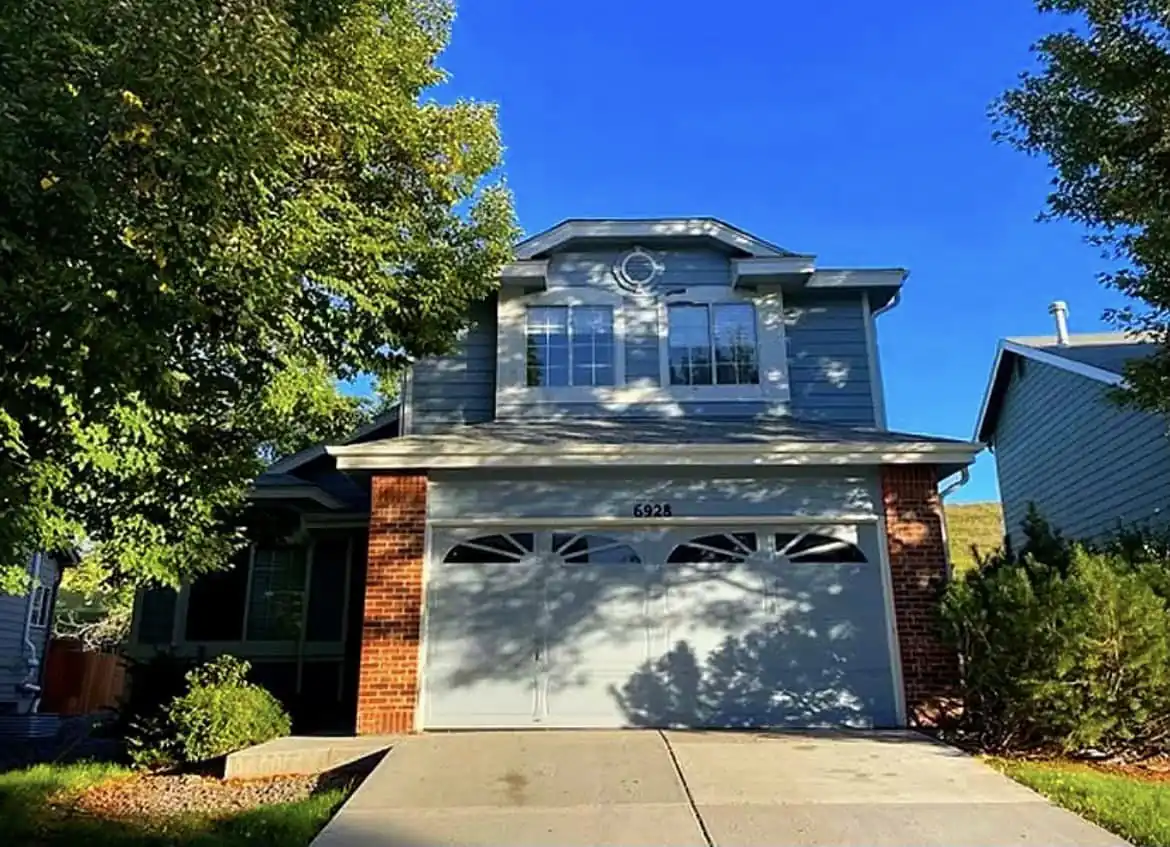
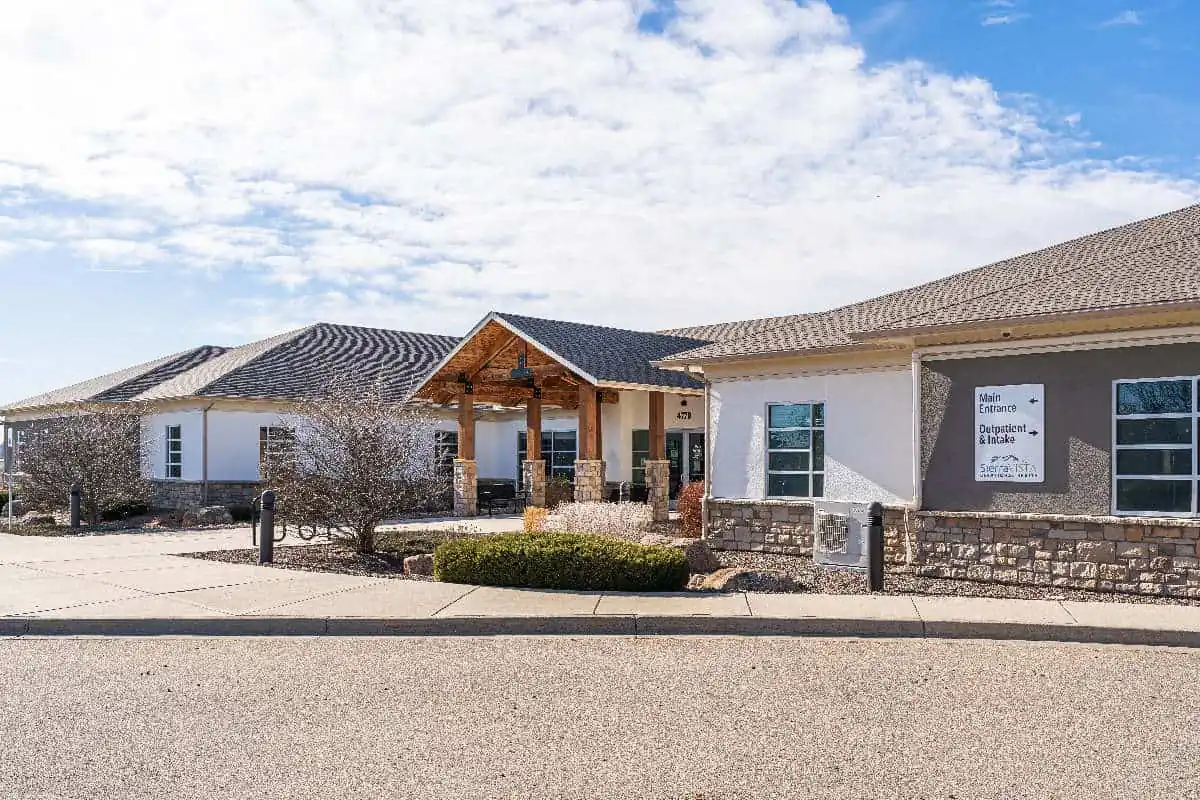
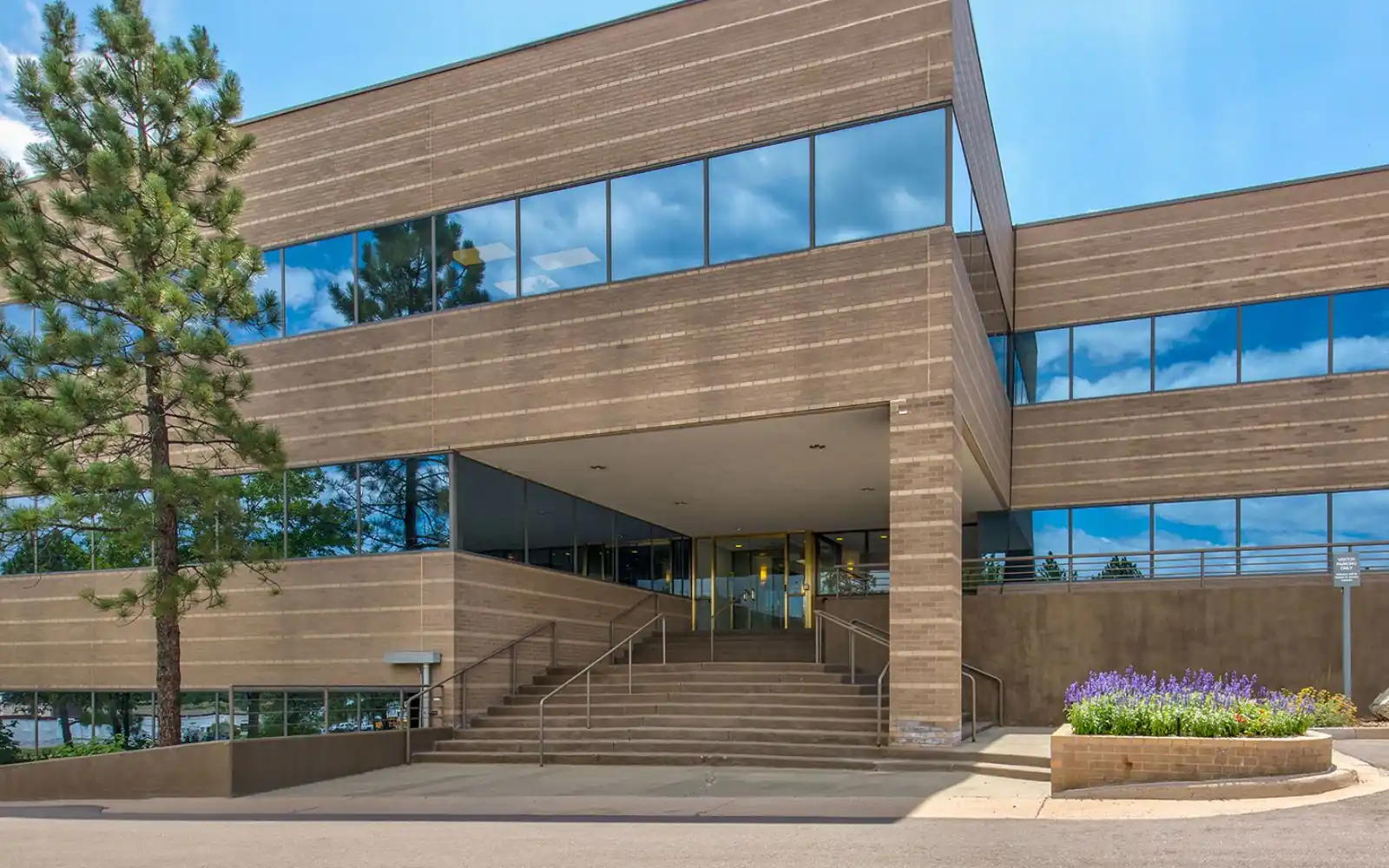
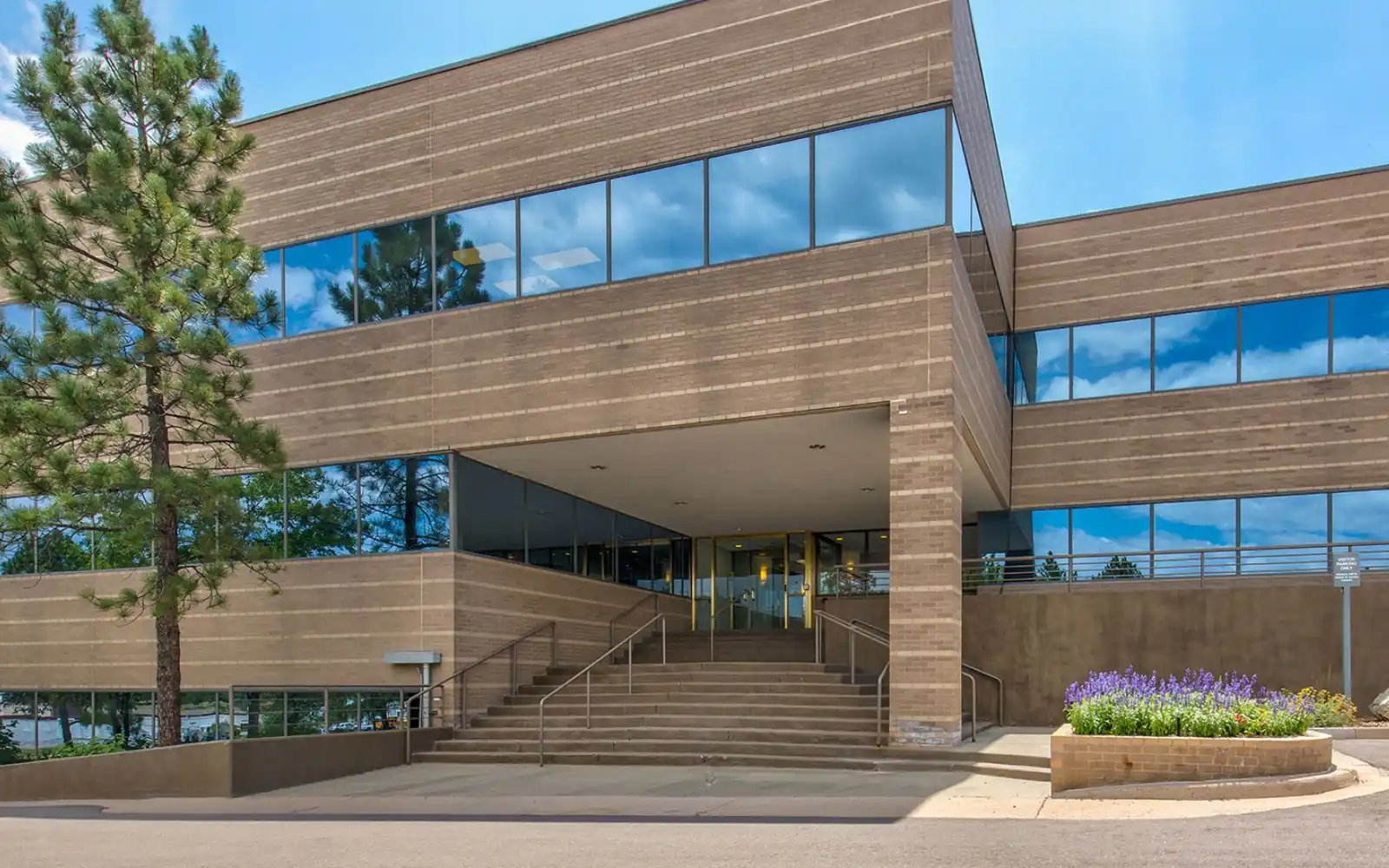
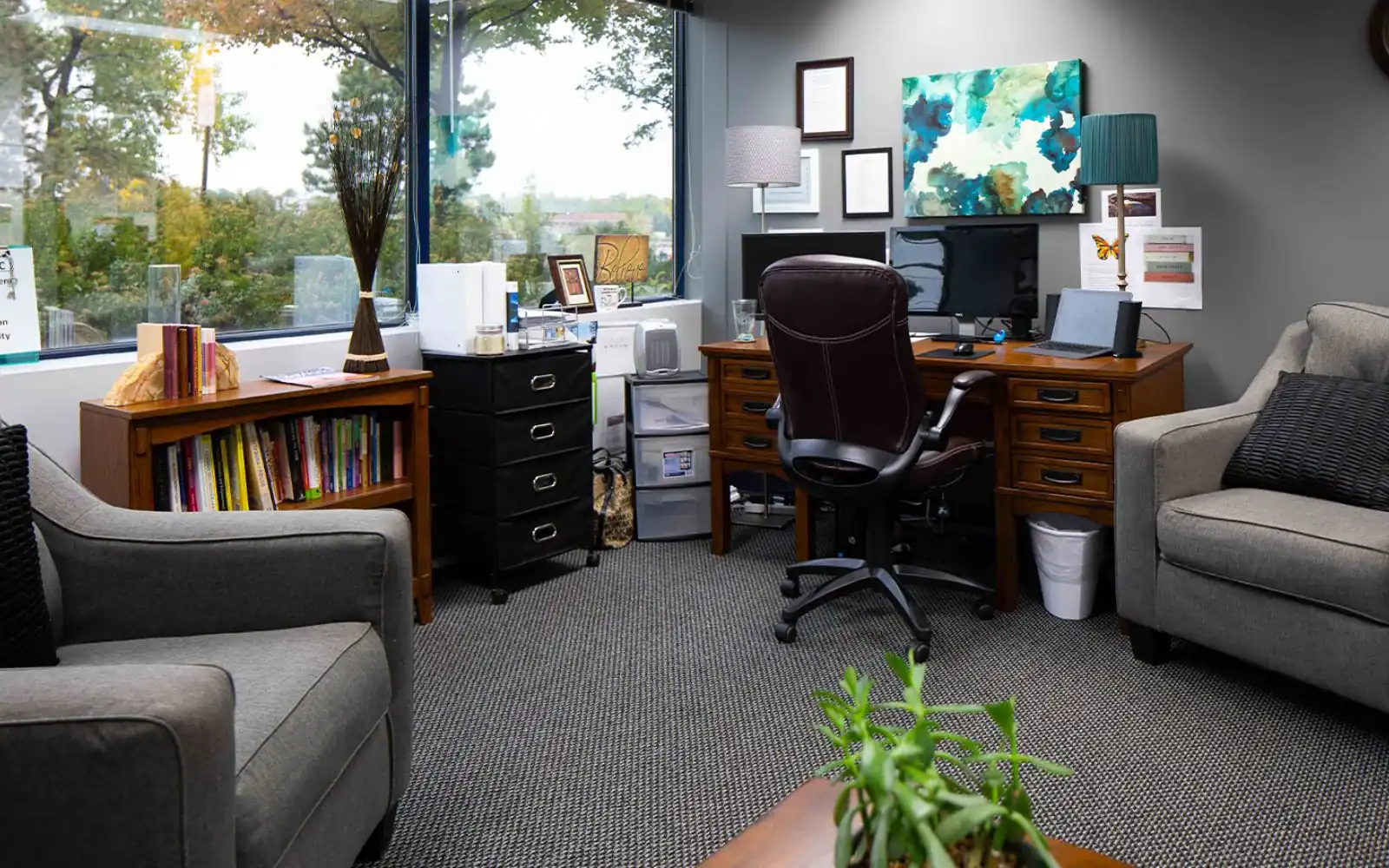
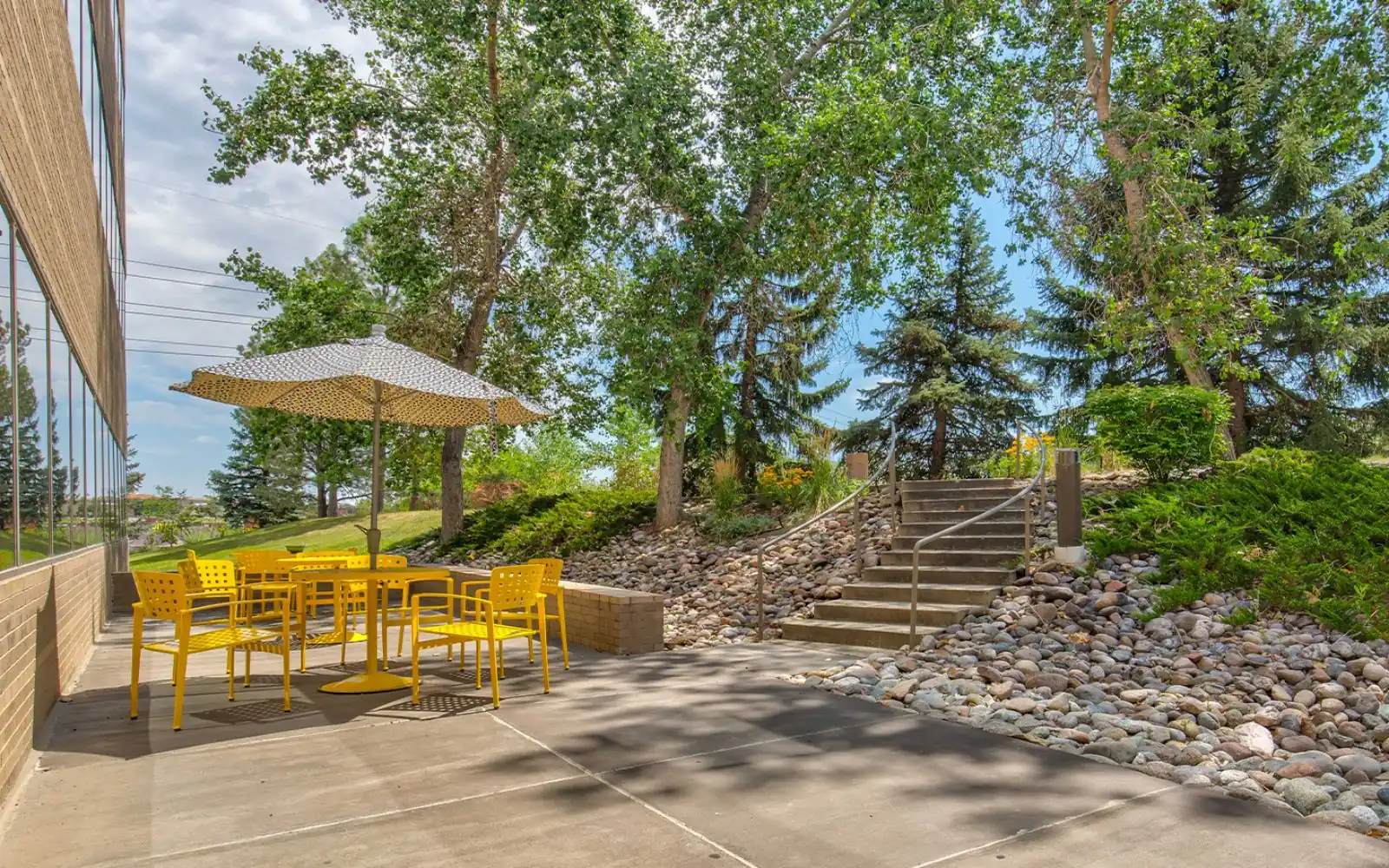
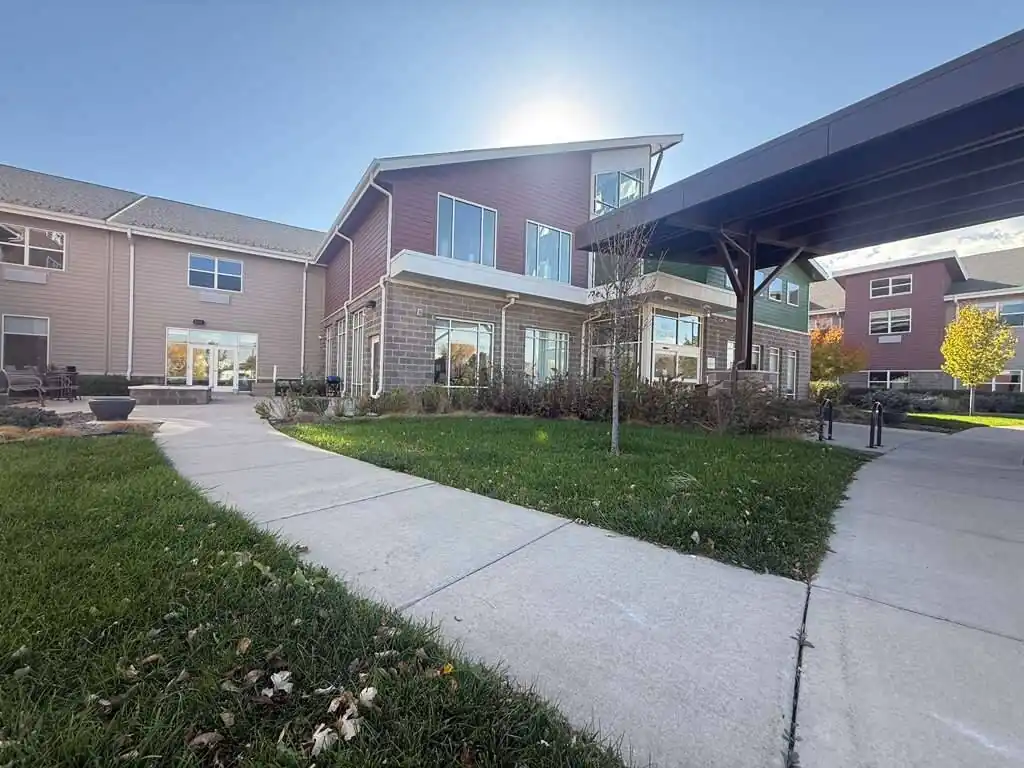
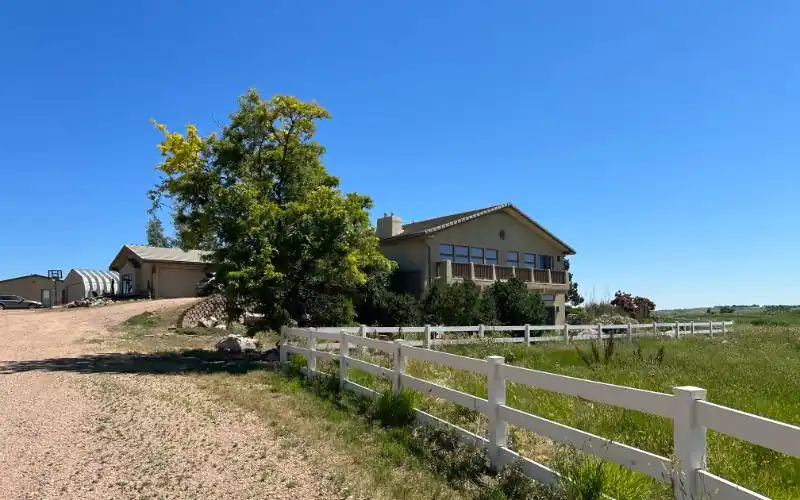
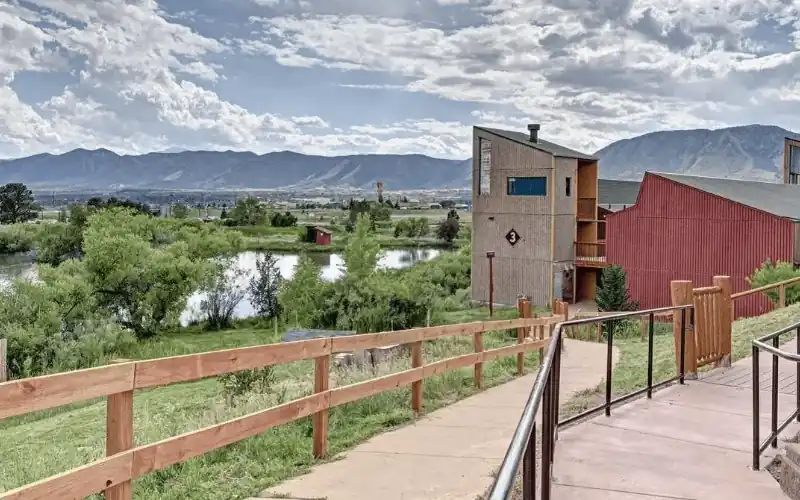
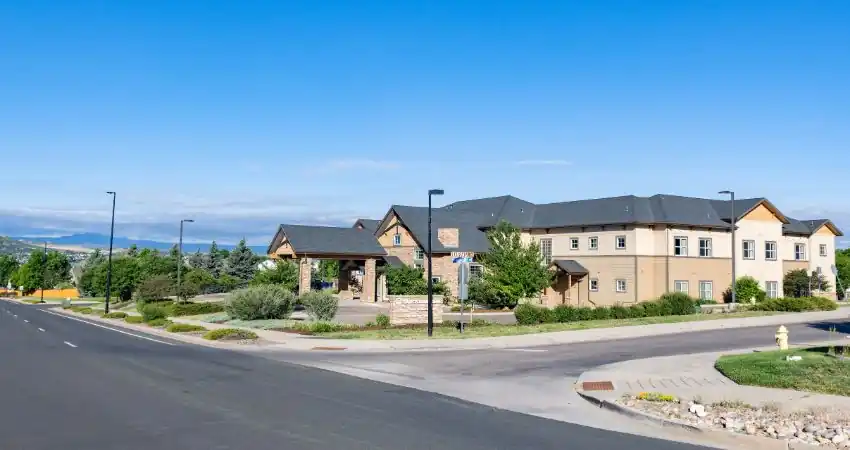
Sandstone Care in Boulder, CO, treats substance use disorders and mental health concerns in adolescents ages 13-17 and young adults ages 18-35. They use evidence-based, age-specific care to address unique issues certain age groups face. Their levels of care include day treatment and intensive outpatient program (IOP), conveniently located 15 minutes from Boulder and 20 minutes from downtown Denver. Young women in the program have a nearby sober living option. Age-Specific Care for Addiction and Mental Health Conditions Sandstone Care has a 1:8 therapist-to-client ratio to provide personalized care for clients and their families. Their substance use and dual diagnosis outpatient programs treat conditions like depression, trauma, anxiety, obsessive compulsive disorder (OCD), bipolar disorder, attention deficit hyperactivity disorder (ADHD), and borderline personality disorder (BPD). Treatment in each level of care includes 1:1 therapy, group therapy, group activities, and psychoeducation. Clients engage in cognitive behavioral therapy (CBT), dialectical behavioral therapy (DBT), and acceptance and commitment therapy (ACT). Holistic healing methods include mindfulness, art and music therapy, and nutritional counseling. Day Treatment and Intensive Outpatient Options for Flexibility Sandstone Care’s day treatment program includes 5 hours of daily therapy, 5 days a week. It typically lasts 4 weeks, depending on each client’s needs. After day treatment, clients are encouraged to attend their intensive outpatient program (IOP), which includes around 12 hours of weekly treatment, 3-4 days a week. Adolescents and young adults receive academic and vocational support with a dedicated advisor helping them with school, job pursuits, and career discovery. Sandstone Care uses medication-assisted treatment as needed to manage mental health conditions. Family Support and Aftercare Sandstone Care’s licensed clinicians, medical providers, therapists, and academic support staff collaborate with parents and loved ones throughout treatment. Families can engage in weekly multi-family groups to support and learn from others. Biweekly individual family therapy helps families learn more about addiction and mental health disorders, recovery, setting boundaries, and emotional expression. After treatment, clients join a strong alumni community that meets regularly and offers connections to community resources.



 Programs & Specialization
 Conditions Treated
 Therapies & Modalities
 Accrediations & Licensing
 Amenities & Environment